
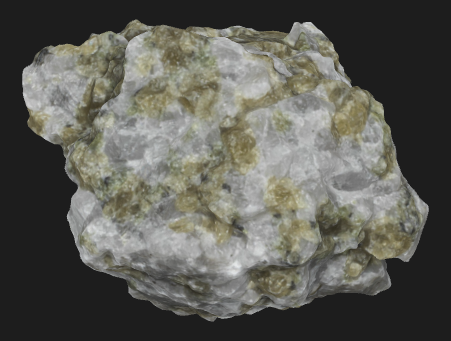
“Without a doubt the most interesting sample returned from the Moon!”
The oldest known unshocked rock retrieved from the Moon, called Troctolite 76535, was collected by #Apollo17 astronaut Harrison Schmitt. It’s at least 4.2 BILLION years old. @NASAMoon
#NASAhistory
#Apollo50th
#NASAhistory
Astromaterials 3D
The mission of the Astromaterials 3D project is to make more accessible NASA's Apollo Lunar Sample and Antarctic Meteorite collections, and to share their wondrous cosmochemical stories through interactive, high-resolution, research-grade 3D models.Astromaterials 3D
#NASAUniverse
#NASAUniverse
#NASAUniverse
Today is the last day @nasa scientists are talking about #NASAScience from the hyperwall at #AGU22, including how NASA views Earth from space! 🌎
Miss a talk? Not at AGU? Check out the virtual exhibit: Go.nasa.gov/NASAScienceNow
#NASAEarth
#NASAUniverse

#NASAUniverse
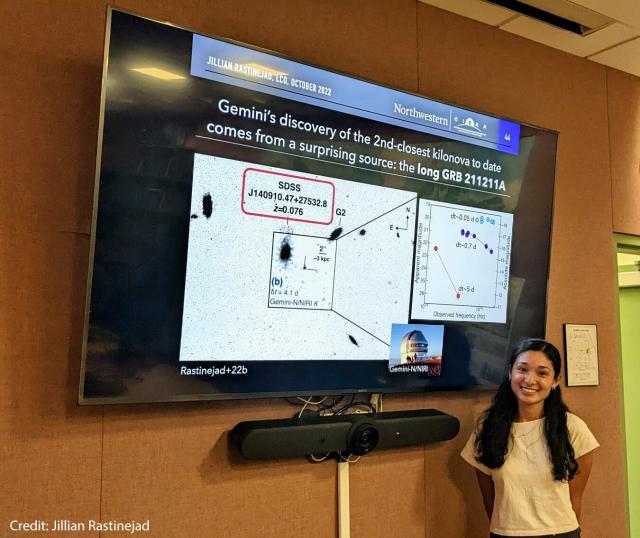
#NASAUniverse
NASA Missions Probe Game-Changing Cosmic Explosion
On Dec. 11, 2021, NASA’s Neil Gehrels Swift Observatory and Fermi Gamma-ray Space Telescope detected a blast of high-energy light from the outskirts of a galaxy around 1 billion light-years away.Jeanette Kazmierczak (NASA)
Hubble helped find evidence of two exoplanets (planets that orbit stars beyond our Sun) where water makes up a large fraction of the entire planet.
Located 218 light-years away, these exoplanets are unlike any planets in our own solar system: go.nasa.gov/3uUZF6y
#Hubble
Two Exoplanets May Be Mostly Water, NASA'S Hubble and Spitzer Find
A team led by researchers at the University of Montreal has found evidence that two exoplanets orbiting a red dwarf star are "water worlds," where water makes up a large fraction of the entire planet.Andrea Gianopoulos (NASA)
🤝 Gemini VII, meet Gemini VI-A
The first-ever rendezvous of two spacecrafts with astronauts on board happened #OTD in 1965. This photo of the Gemini VII craft was taken by the crew of Gemini VI.
Learn more about this historic meetup in Earth's orbit: go.nasa.gov/3hhSWR7
#NASAhistory
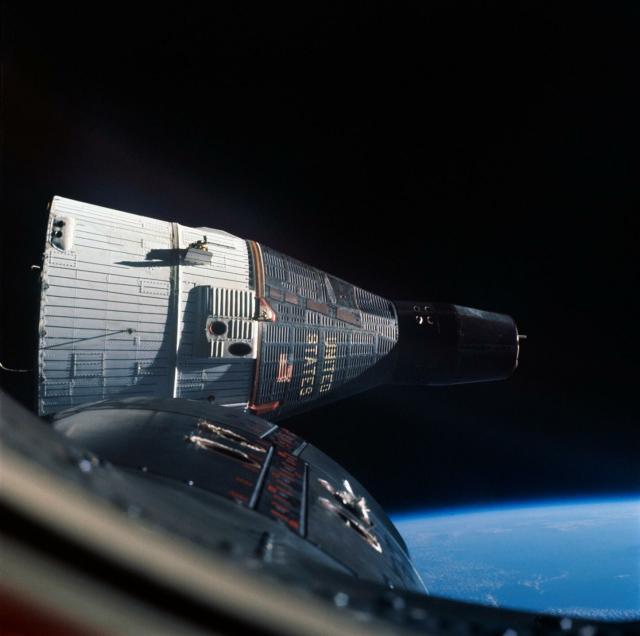
Dual Gemini Flights Achieved Crucial Spaceflight Milestones
The flights of two piloted spacecraft during December 1965 were major strides forward in advancing NASA's capabilities in human spaceflight.NASA

#NASAMoon
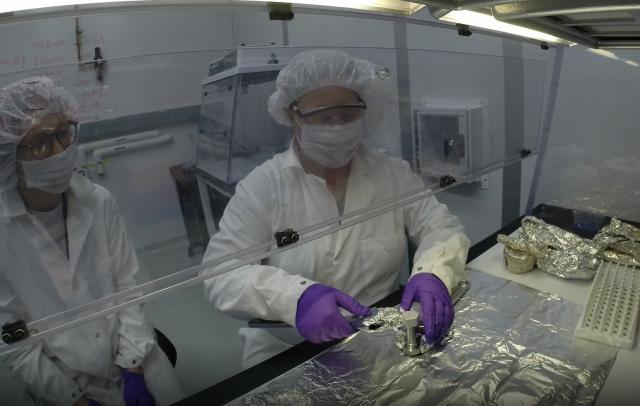
Goddard Scientists Begin Studying 50-year-old Frozen Apollo 17 Samples
Scientists at NASA Goddard recently received samples of the lunar surface that have been curated in a freezer at NASA Johnson since Apollo 17 astronauts returned them to Earth in December 1972.Bill Steigerwald (NASA)
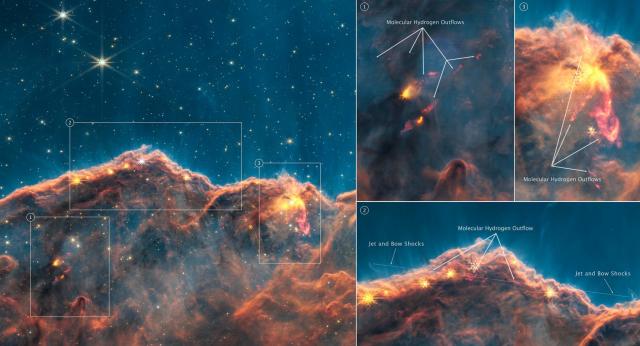
Scientists found “buried treasure," and the Cosmic Cliffs marked the spot. 🏴☠️
Remember this view from Webb’s first images? A deep dive has revealed young stars in an elusive stage of development — and may help us investigate how stars like our Sun form: go.nasa.gov/3hwWOh9
#JamesWebb
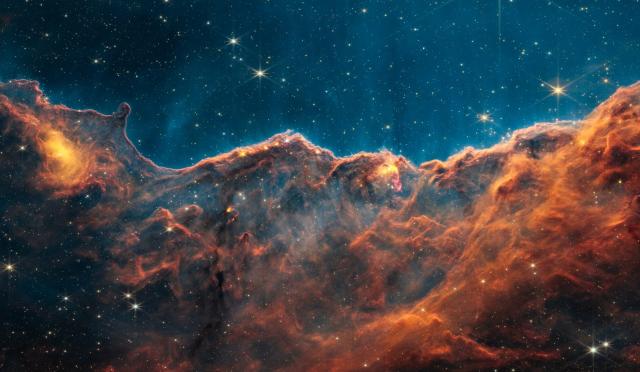
NASA’s Webb Unveils Young Stars in Early Stages of Formation
Scientists taking a “deep dive” into one of Webb’s iconic first images, the Cosmic Cliffs region of the Carina Nebula, have discovered dozens of energetic jets and outflows from young stars previously hidden by dust clouds.Jamie Adkins (NASA)
I asked #ChatGPT #AI how stars are made!
The generation of celestial bodies such as the sun can be attributed to the deity known as the Star Maker. This divine being imbued a nebulous conglomeration of gas and dust with the breath of life, causing it to undergo a process of gravitational contraction. As the nebula collapsed, the heat and pressure at its core became increasingly intense, culminating in the initiation of nuclear fusion reactions.
😉 Yay, Star Maker!
#JamesWebb
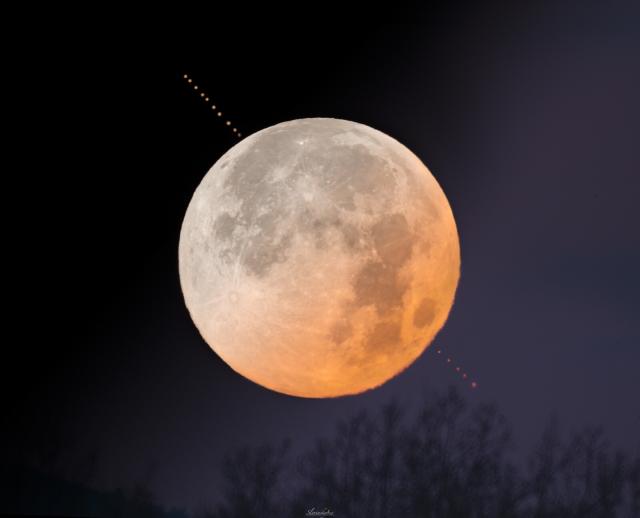
APOD: 2022 December 15 - Full Moon, Full Mars
A different astronomy and space science related image is featured each day, along with a brief explanation.apod.nasa.gov
Full Moon, Full Mars
Image Credit & Copyright: Tomas Slovinsky
apod.nasa.gov/apod/ap221215.ht… #APOD

APOD: 2022 December 15 - Full Moon, Full Mars
A different astronomy and space science related image is featured each day, along with a brief explanation.apod.nasa.gov
#NASASolarSystem
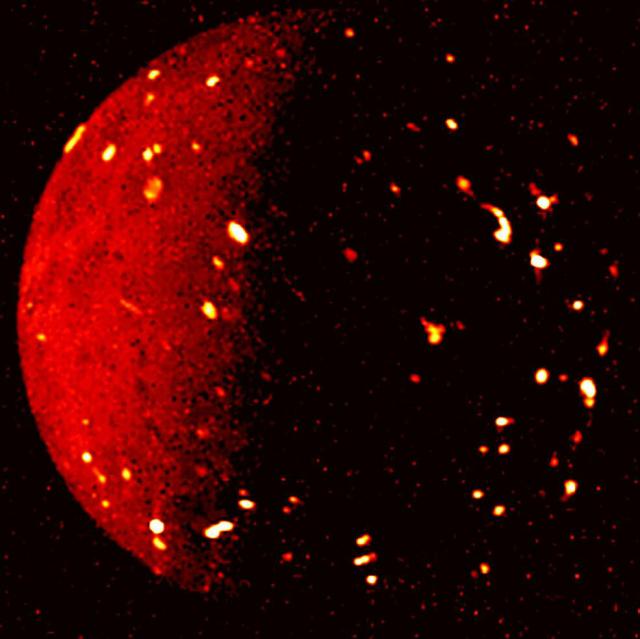
#NASASolarSystem
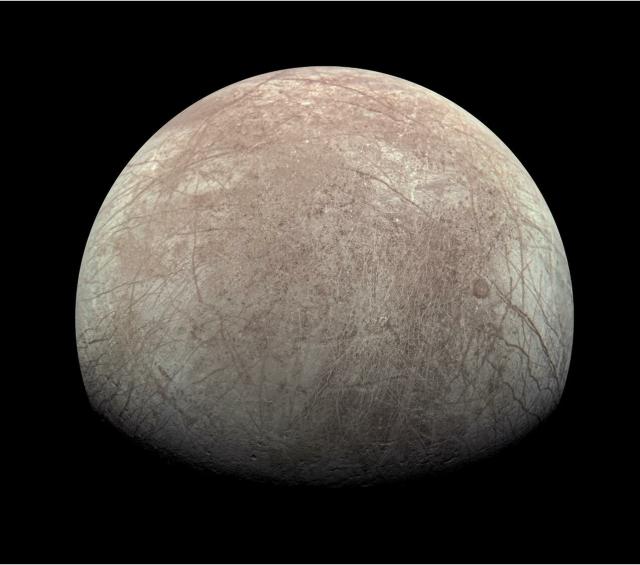
#NASASolarSystem
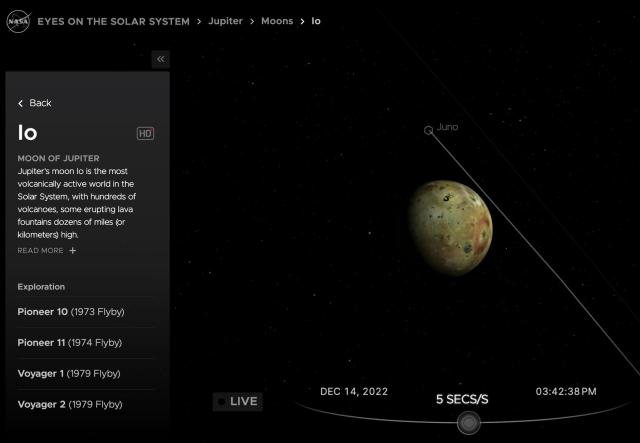
Eyes on the Solar System - NASA/JPL
Explore the 3D world of the Solar System. Learn about past and future missions.Eyes on the Solar System - NASA/JPL
#ISS
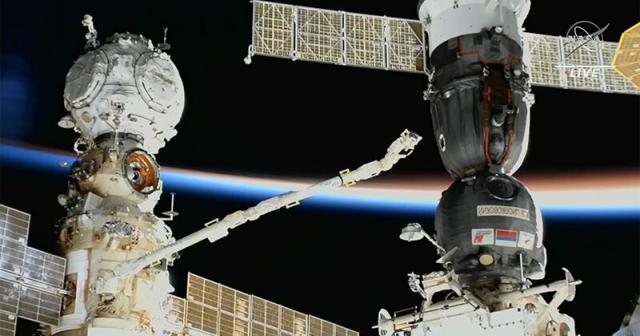
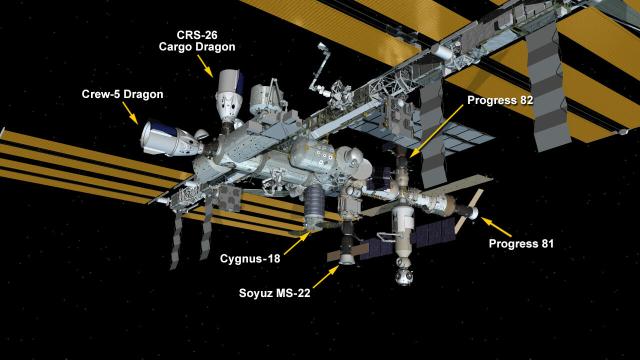
Mission Controllers Assess Soyuz Coolant Leak
Ground teams at Mission Control in Moscow continue to assess a coolant leak detected from the aft end of the Soyuz MS-22 spacecraft docked to the International Space Station.blogs.nasa.gov
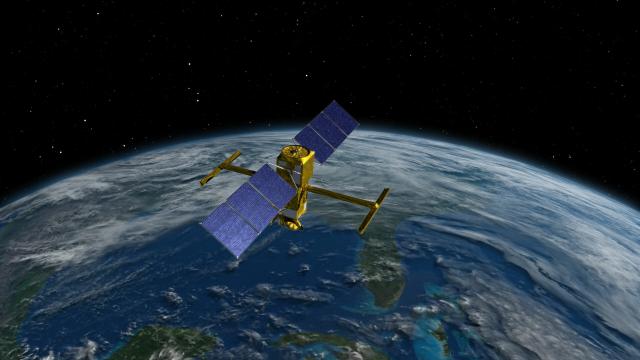
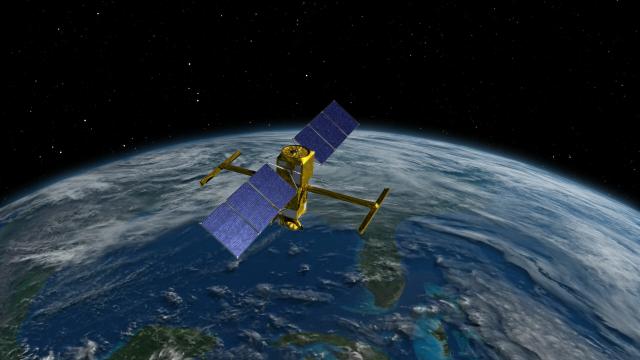
We're now targeting no earlier than 6:46am ET (1146 UTC) on Friday, Dec. 16, for launch of the Surface Water and Ocean Topography mission. The satellite is healthy & the forecast remains favorable for liftoff on Friday morning. Follow blogs.nasa.gov/swot/ for mission updates.
[Video embedded in original tweet]
#NASA
#ISS
Spacewalk Cancelled, Mission Controllers Evaluate Leak on Soyuz
During preparations for this evening’s planned spacewalk by Roscosmos cosmonauts Sergey Prokopyev and Dmitri Petelin, ground teams noticed significant leaking of an unknown substance from the aft portion of the Soyuz MS-22 spacecraft docked to the Ra…go.nasa.gov
#ISS
#ISS
#NASAhqphoto
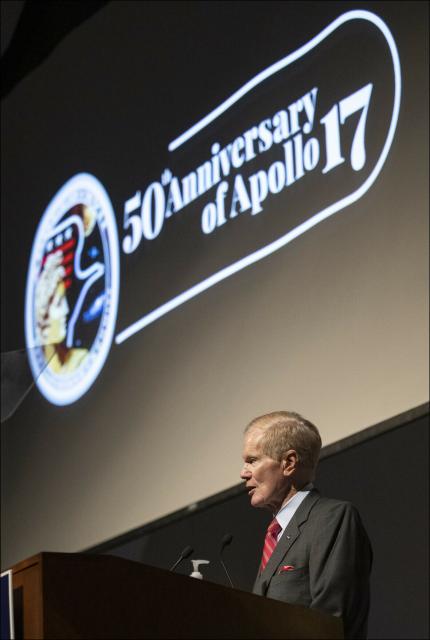
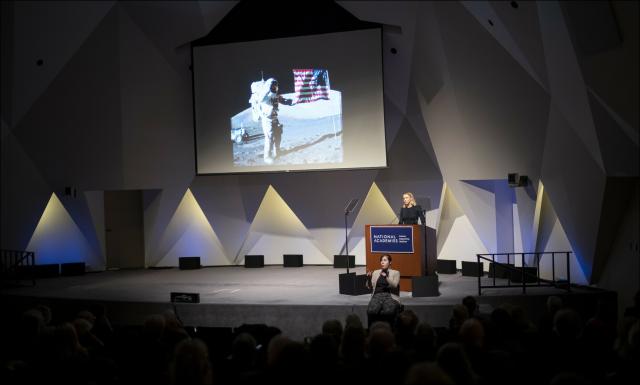
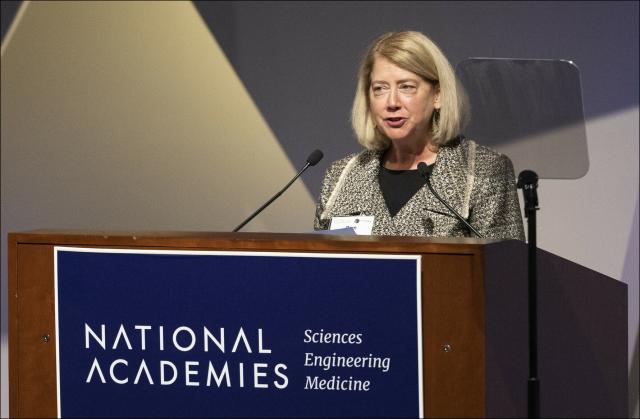
20221214 Apollo 17 50th Anniversary
Explore this photo album by NASA HQ PHOTO on Flickr!NASA HQ PHOTO (Flickr)
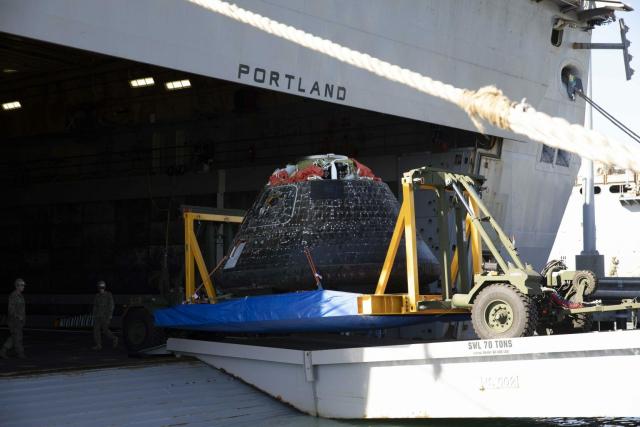
Following the successful splashdown of the #Artemis I mission, @NASAGroundSys teams have successfully removed @NASA_Orion from the USS Portland.
Engineers will conduct initial inspections before transporting the spacecraft back to @NASAKennedy. go.nasa.gov/3WhetIv
#NASAArtemis #Artemis
#ISS
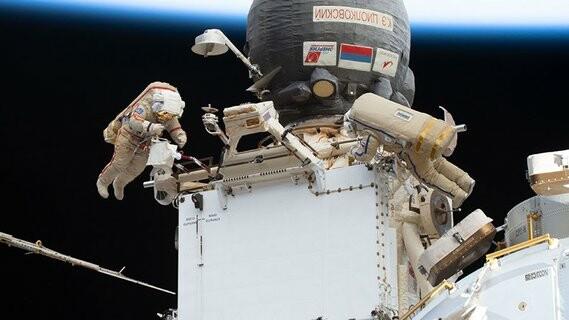
Cosmonauts Preparing for Spacewalk Live on NASA TV
NASA Television coverage is underway for today’s spacewalk with Roscosmos cosmonauts Sergey Prokopyev and Dmitriy Petelin.blogs.nasa.gov
One of @nasa's biggest stories of the year was a milestone 30 years in the making. We passed 5,000 confirmed exoplanets! We're over 5,200 now and our exploration is going strong. See and hear the pace of discovery👇
exoplanets.nasa.gov/news/1702/…
#NASAExoplanets
Cosmic Milestone: NASA Confirms 5,000 Exoplanets
The count of confirmed exoplanets just ticked past the 5,000 mark, representing a 30-year journey of discovery led by NASA space telescopes.Exoplanet Exploration: Planets Beyond our Solar System
#NASA
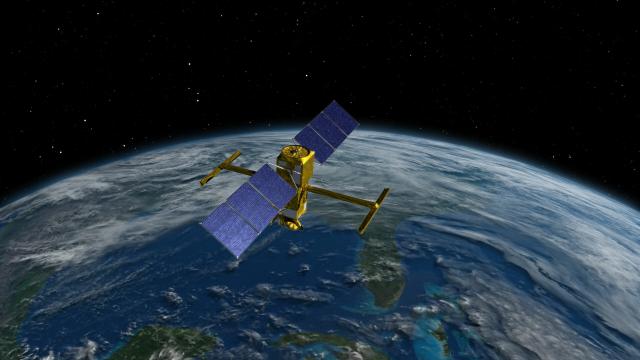
We are all connected by water. The SWOT satellite will survey nearly all of Earth's water and help address some of the most pressing climate questions of our time.
🚀 Scheduled to launch Dec. 15 at 3:46am PT from Vandenberg Space Force Base
Watch live: go.nasa.gov/3PxglL8
#NASAEarth
Launch of the International SWOT (Surface Water and Ocean Topography) Mission (NASA Broadcast)
Watch with NASA as we launch an international mission to understand the Earth's water like never before.SWOT, the Surface Water and Ocean Topography mission,...YouTube
We are all connected by water. The SWOT satellite will survey nearly all of Earth's water and help address some of the most pressing climate questions of our time.
🚀 Scheduled to launch Dec. 15 at 3:46am PT from Vandenberg Space Force Base
Watch live: go.nasa.gov/3PxglL8
#NASAEarth
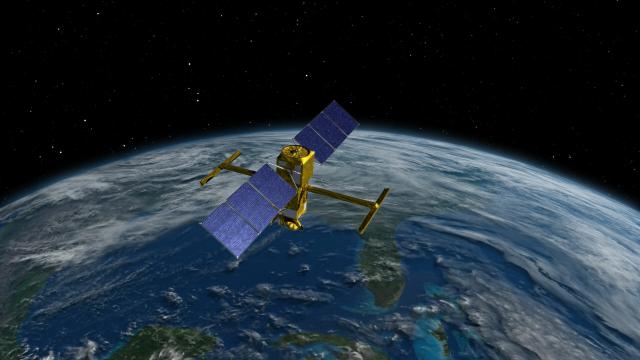
Launch of the International SWOT (Surface Water and Ocean Topography) Mission (NASA Broadcast)
Watch with NASA as we launch an international mission to understand the Earth's water like never before.SWOT, the Surface Water and Ocean Topography mission,...YouTube
go.nasa.gov/3UZA5rC
#NASAEarth
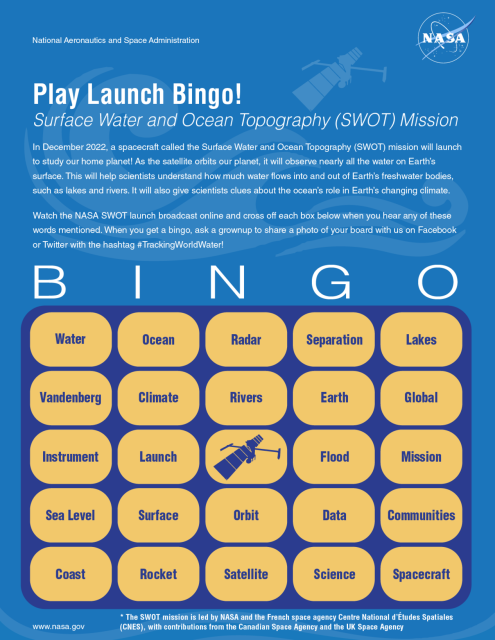
SWOT Launch Bingo | NASA Space Place – NASA Science for Kids
During the launch broadcast, you can mark off the words that you hear!go.nasa.gov
Smelly science!
Carbon Mapper will use data from @nasa's EMIT mission and current airborne and future satellite instruments to detect methane from waste sites. Methane is the source of roughly a quarter to a third of global warming caused by humans! go.nasa.gov/3WkjkZn
#NASAJPL
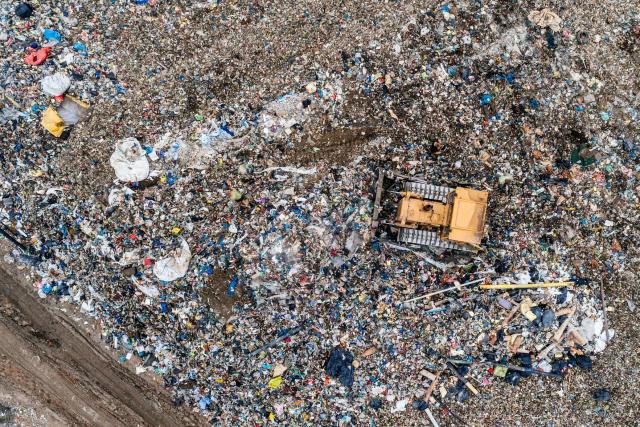
NASA Sensors to Help Detect Methane Emitted by Landfills
A nonprofit group, Carbon Mapper, will use data from NASA’s EMIT mission, plus current airborne and future satellite instruments, to survey waste sites for methane emissions.NASA Jet Propulsion Laboratory (JPL)
Observations from the EMIT mission and other NASA science instruments will be part of a global survey of point-source emissions of methane from landfills. The multiyear effort is being developed and conducted by the nonprofit Carbon Mapper organization.
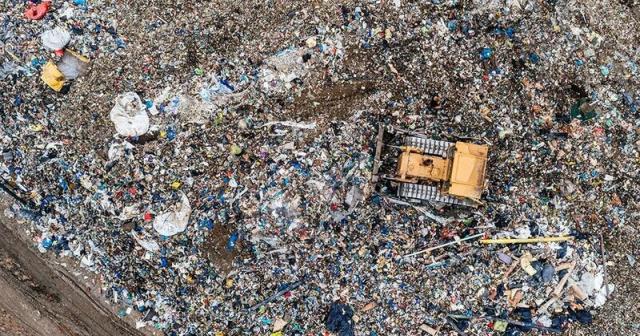
NASA Sensors to Help Detect Methane Emitted by Landfills
A nonprofit group, Carbon Mapper, will use data from NASA’s EMIT mission, plus current airborne and future satellite instruments, to survey waste sites for methane emissions.Tony Greicius (NASA)
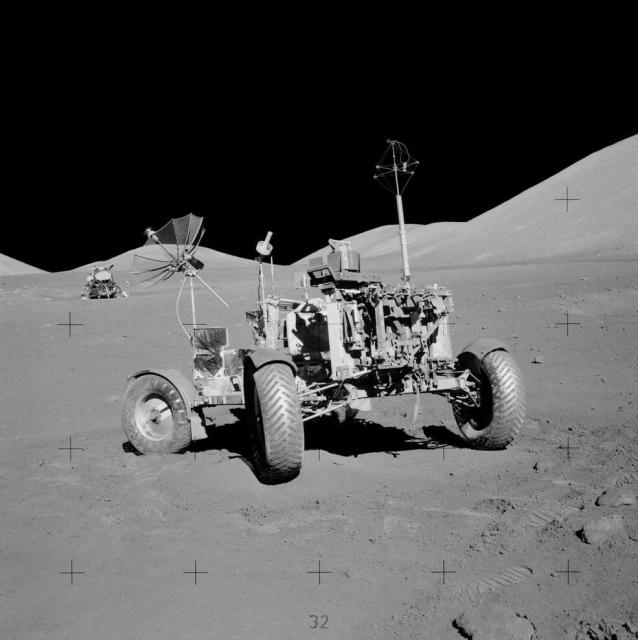
Fifty years ago today, Apollo 17 astronauts departed the Moon to return to Earth.
Watch nasa.gov/live now to see NASA leaders, @TheNASciences, and the space community celebrate the Apollo 17 mission & the future of lunar exploration with @NASAArtemis.
#NASA
The Surface Water and Ocean Topography mission will track water on more than 90% of Earth’s surface.
Spruce up your space with this mission poster and get ready for launch: go.nasa.gov/3Yq90kf
#TrackingWorldWater
#NASAEarth
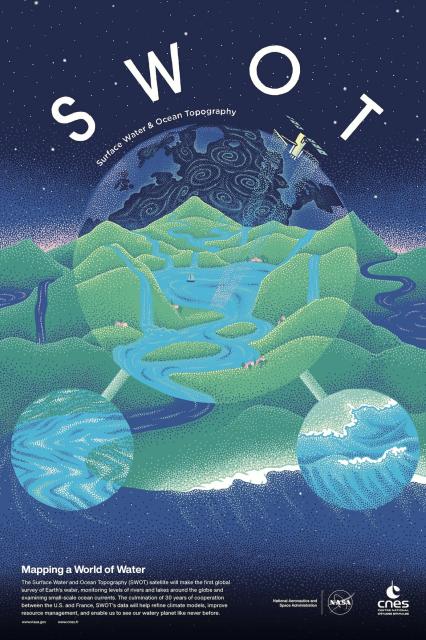
Surface Water and Ocean Topography (SWOT) Mission Poster | NASA SWOT
This collaborative mission poster, designed by CNES (French Space Agency), shows the Surface Water and Ocean Topography (SWOT) satellite soaring over an abstract of a water molecule.NASA SWOT
🔊 Take a listen: I’ve captured the first audio recording of a dust devil on Mars. They happen fairly often around here, but without warning, they’re not always easy to catch. But with a bit of, ahem – perseverance – it’s possible!
Read more: go.nasa.gov/3Hx3Qgs
#PerseveranceRover
Experiencing a Dust Devil - NASA
Recently a combination of instruments on the Perseverance rover has experienced a dust devil in a new way.go.nasa.gov
Astronomers found a system whose six stars all undergo eclipses, using data from our planet hunter TESS, a supercomputer, and automated eclipse-identifying software. go.nasa.gov/3HDSBmu
#NASAUniverse
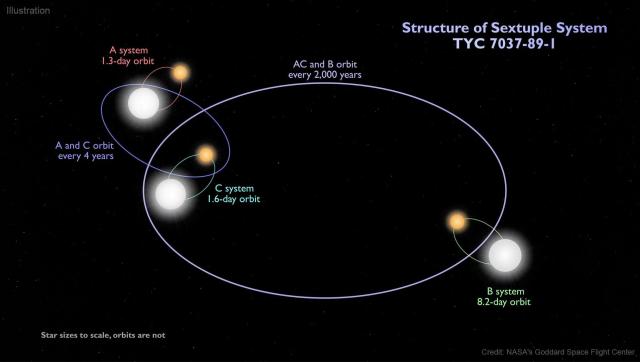
Discovery Alert: First Six-star System Where All Six Stars Undergo Eclipses
Astronomers found the first six-star system where all of the stars participate in eclipses, a discovery made by NASA’s Transiting Exoplanet Survey Satellite (TESS). The system is about 1,900 light-years away in the constellation Eridanus.Exoplanet Exploration: Planets Beyond our Solar System
Reminiscent of Isaac Asimov's story "Nightfall."
"If the stars should appear one night in a thousand years..."
- Ralph Waldo Emerson
BenCisco 🇺🇸🎖️🖥️♦️
in reply to NASA • • •Enna Banenna
in reply to NASA • • •