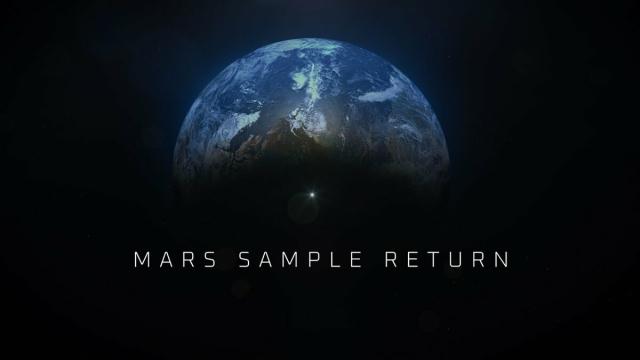
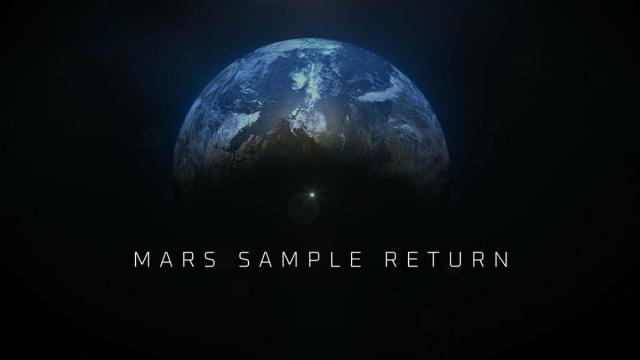
Mars Sample Return would be one of the most ambitious campaigns ever attempted in space. But bringing those samples to Earth will be no easy feat, requiring multiple spacecraft to pick up the samples, launch off the Martian surface, and ferry them back to our planet. #NASAJPL
Explorers, assemble! @nasa and @ESA are teaming up to tackle a mighty goal: bringing rock samples safely back from the Red Planet. What @NASAPersevere is collecting now could be back on Earth by the early 2030s. See how Mars Sample Return would play out: mars.nasa.gov/msr #NASAMars
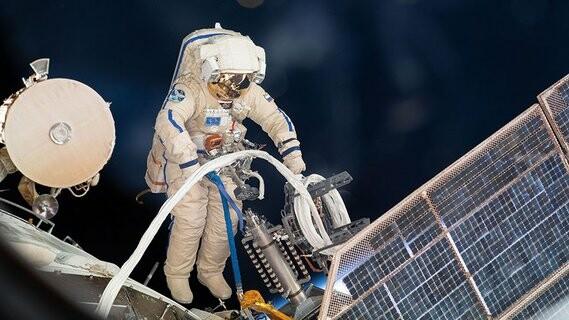
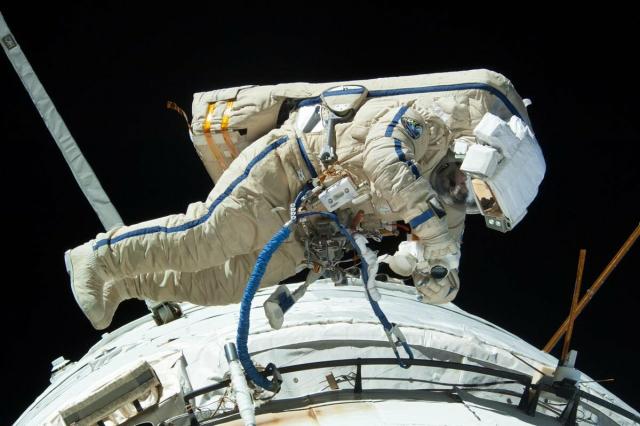
Cosmonauts Sergey Prokopyev and Dmitri Petelin completed the first of four Russian maintenance spacewalks planned before the end of the year at 4:07pm ET today. blogs.nasa.gov/spacestation/20… #ISS
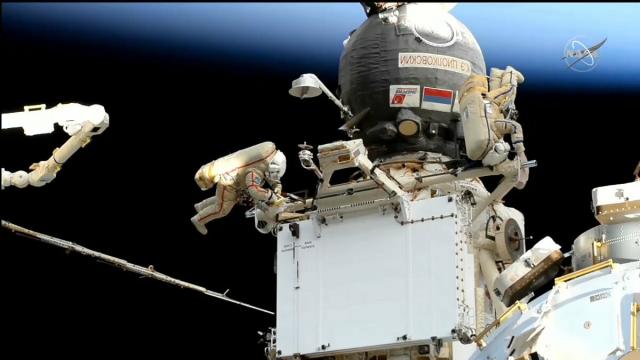
Expedition 68 Commander Sergey Prokopyev and Flight Engineer Dmitri Petelin, both of Roscosmos, concluded their spacewalk at 4:07 p.m. EST after 6 hours and 25 minutes.
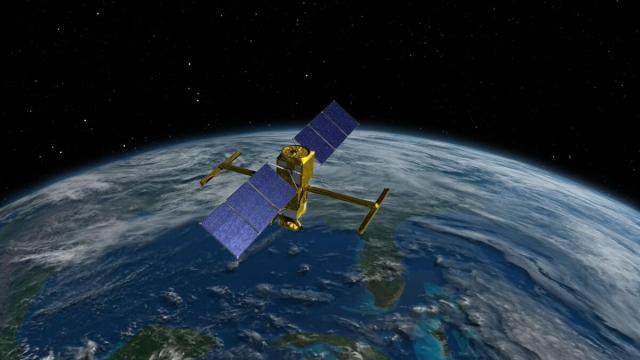
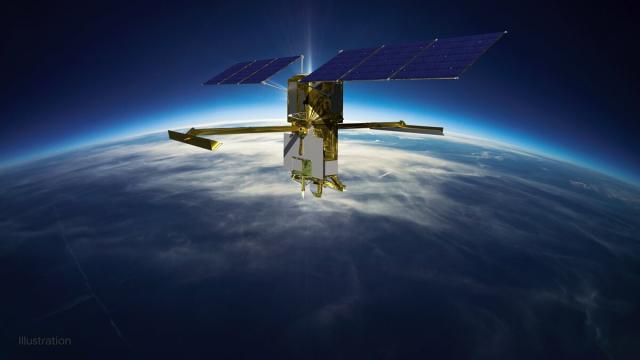
What is the Surface Water and Ocean Topography mission? How is it going to help us? These answers and more are available in the SWOT press kit, which includes the mission overview, a breakdown of its instruments, and how this will impact communities. go.nasa.gov/SWOTPressKit #NASAJPL
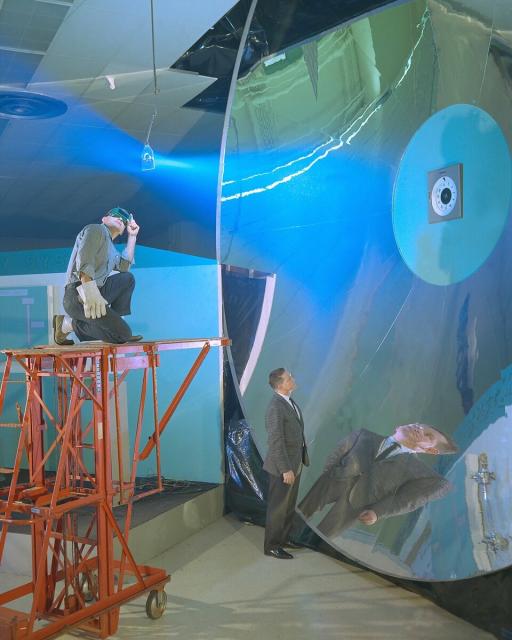
Mirror, mirror on the wall, what will concentrate solar energy best of all? In the 1960s @NASAglenn was working to develop systems that provide electrical power in space. One project was a Brayton cycle engine that used a large mirror to collect the sun's rays. Info in ALT text. #NASAhistory
This concept continued development up to the late 90s, Space Station Freedom and Mir-2 (and early ISS concepts) were all intended to have solar-dynamic power production in addition to photovoltaics. Rocketdyne even built a test system. But ultimately PV got a lot better, meanwhile ISS became less ambitious, and solar-dynamic turned out harder than expected, so it was dropped early in ISS dev (Russia's Science Power Platform for ISS was the last major proposal using it)
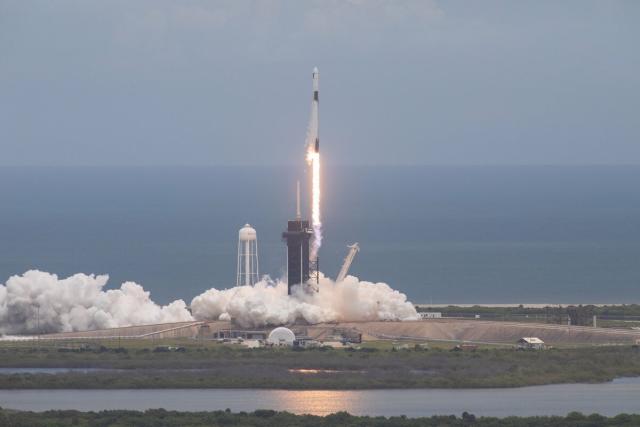
Our next resupply mission to the @Space_Station is scheduled to lift off at 4:19pm ET (2119 UTC) on Monday, Nov. 21. Here's the timeline for @SpaceX's #CRS26 launch—and Friday's prelaunch media briefing: go.nasa.gov/3EgpHW7
NASA and SpaceX are targeting 4:19 p.m. EST Monday, Nov. 21, to launch the company’s 26th commercial resupply mission to the International Space Station.
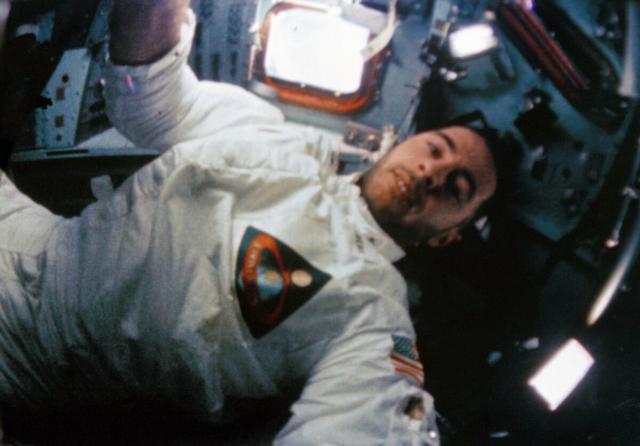
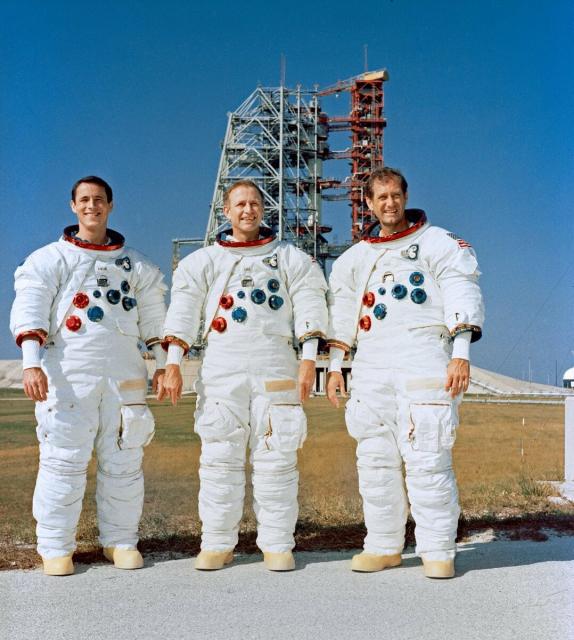
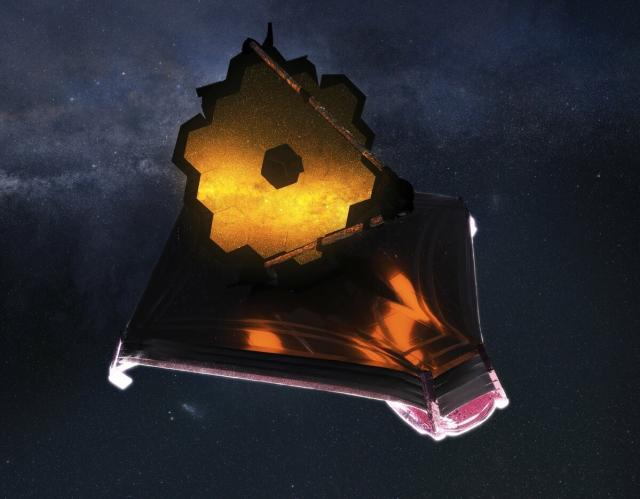
NEW: The National @AirAndSpace Museum has announced the winners of the prestigious 2023 Michael #CollinsTrophy. For Lifetime Achievement: Apollo 8 astronaut Bill Anders For Current Achievement: The @NASAWebb Team Details: s.si.edu/3TMNjHL
The Smithsonian’s National Air and Space Museum awards its Michael Collins Trophy annually for Lifetime and Current Achievements in aerospace science and technology.
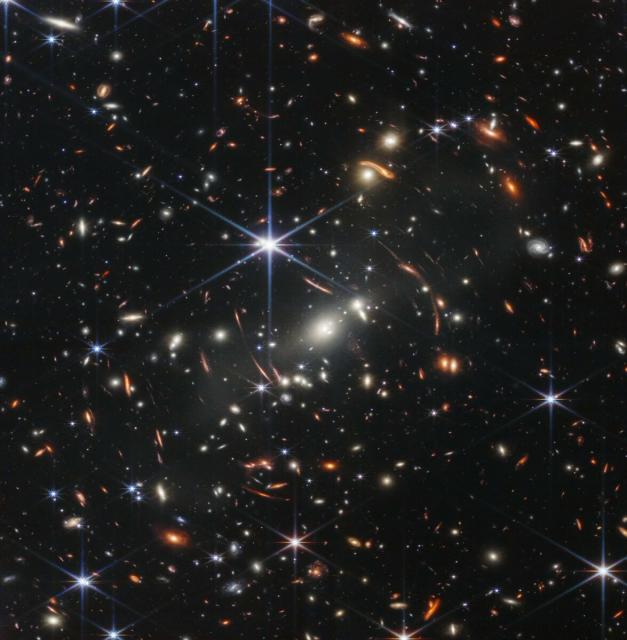
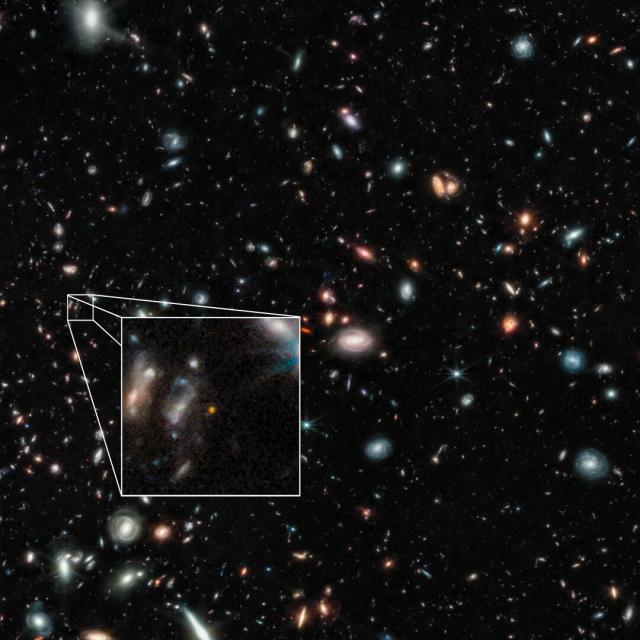
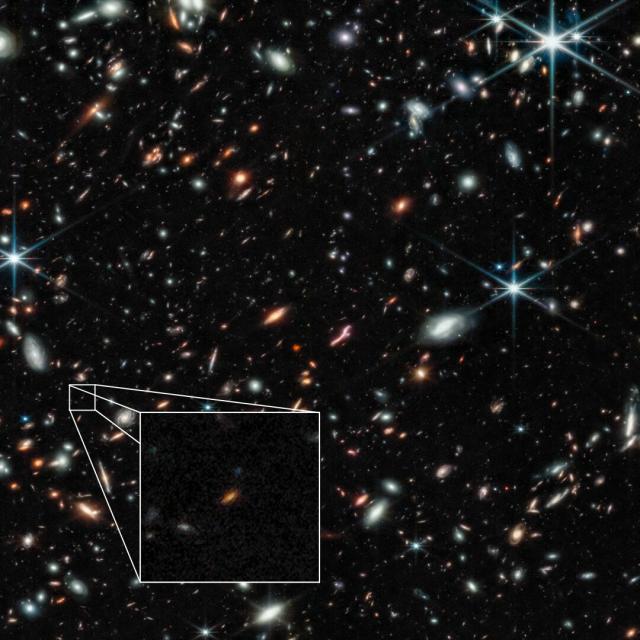
''These observations just make your head explode.'' Just days into its science mission, @NASAWebb allowed us to see what may be the most distant starlight ever observed. And it's changing our very understanding of the universe. go.nasa.gov/3XdhoDa #NASAExoplanets
A few days after officially starting science operations, NASA’s James Webb Space Telescope propelled astronomers into a realm of early galaxies, previously hidden beyond the grasp of all other telescopes until now.
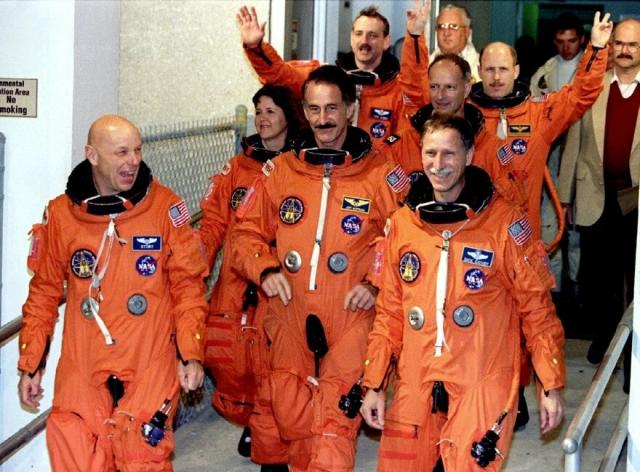
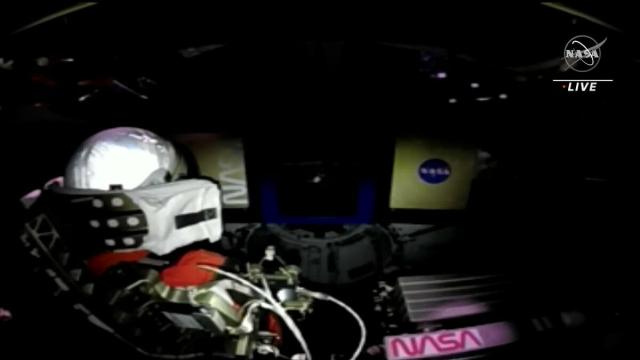
If you've been watching the #Artemis livestream, you may be wondering about the orange spacesuits on Snoopy and Moonikin Campos. Since 1986, pressurized "Pumpkin Suits" have been used for the ascent and entry portions of a space flight. 📙 Learn more: go.nasa.gov/3UOMe3u #NASAhistory
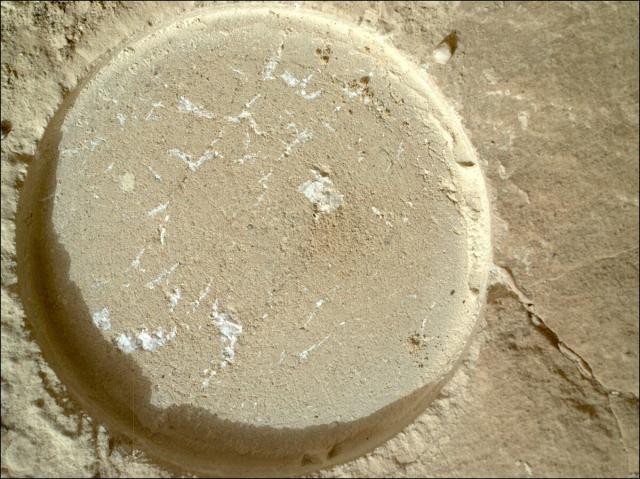
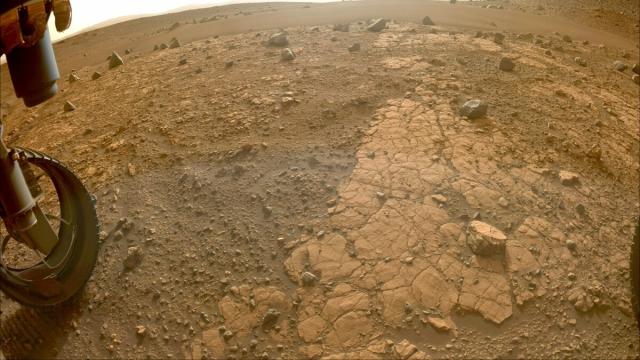
Do I geek out about cool-looking sandstone? You bet. A shallow scouring with my drill’s abrasion bit shows this rock has veins of lighter material inside. Could it hold clues about ancient life? Time for more #SamplingMars. More on “Yori Pass”: go.nasa.gov/3AnIv4Q #PerseveranceRover
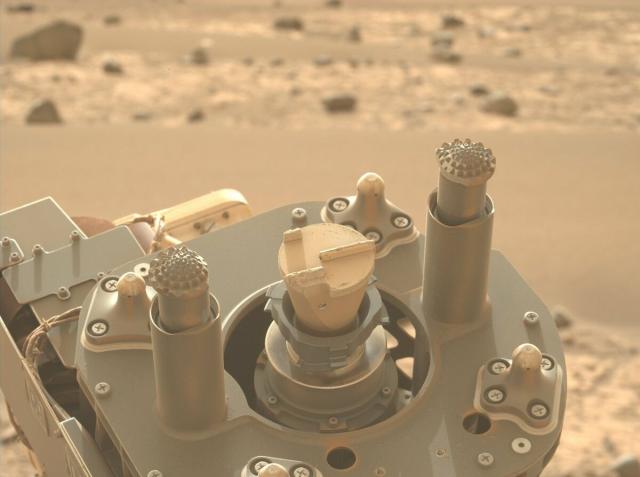
I’ve got over a dozen rock cores on board, with many more samples to come. Meanwhile, @nasa and @ESA are preparing the extraction team. Check out the bold plan that would bring these samples safely back to Earth in the early 2030s. mars.nasa.gov/msr #PerseveranceRover
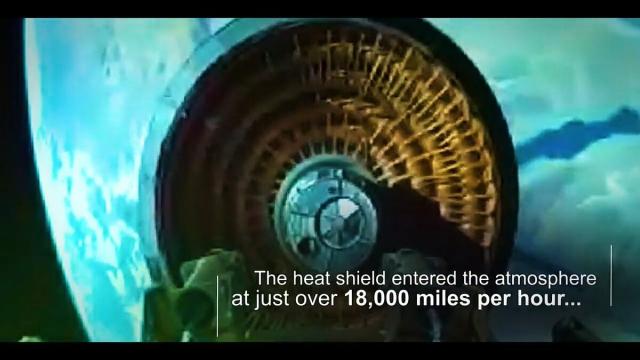
Our Low-Earth Orbit Flight Test of an Inflatable Decelerator, or #LOFTID, launched on Nov. 10, to demonstrate inflatable heat shield technology that could be key to landing humans on Mars. Early results indicate our test was a success! Find out more: go.nasa.gov/3gcmajG #NASATechnology
Do I geek out about cool-looking sandstone? You bet. A shallow scouring with my drill’s abrasion bit shows this rock has veins of lighter material inside. Could it hold clues about ancient life? Time for more #SamplingMars. More on “Yori Pass”: go.nasa.gov/3AnIv4Q #PerseveranceRover
LIVE: Experts share early results of @NASA_Technology’s Low-Earth Orbit Flight Test of an Inflatable Decelerator (#LOFTID) a week after its technology demonstration. youtu.be/OUGtgTR4D9E
NASA will hold a media briefing at 2 p.m. EST on Thursday, Nov. 17, to share initial results from the Low-Earth Orbit Flight Test of an Inflatable Decelerato...
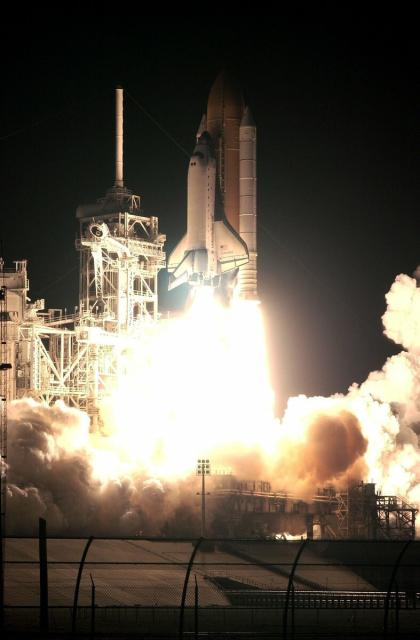
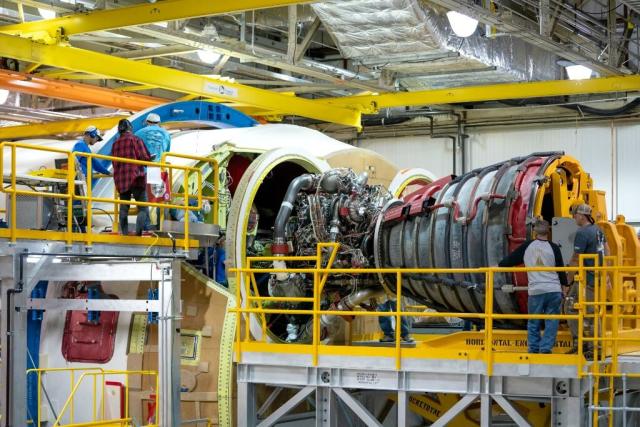
What do #Artemis and Hubble have in common? 🤔 Engine 2056 – one of the RS-25 engines used to launch the Artemis 1 mission, was previously used for the fourth space shuttle servicing mission to Hubble! Find out more about these engines: go.nasa.gov/3EidpMV #Hubble
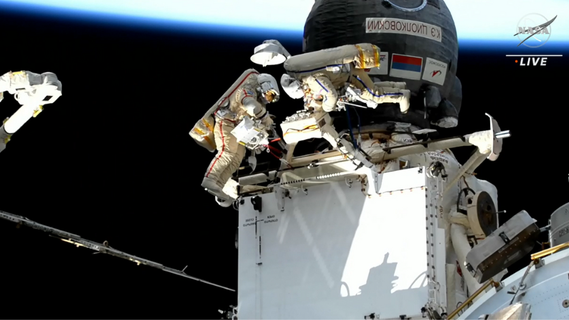
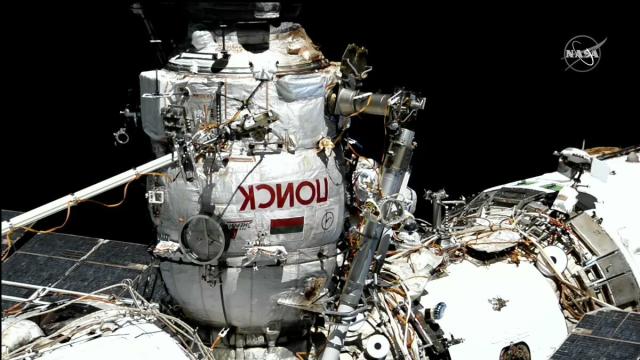
Cosmonauts work at the Rassvet module on the Earth-facing side of the station with the Soyuz MS-22 spacecraft seen at the top of the screen. They are currently identifying and releasing launch restraints for the radiator that will be relocated on the next spacewalk on Nov. 25. #ISS
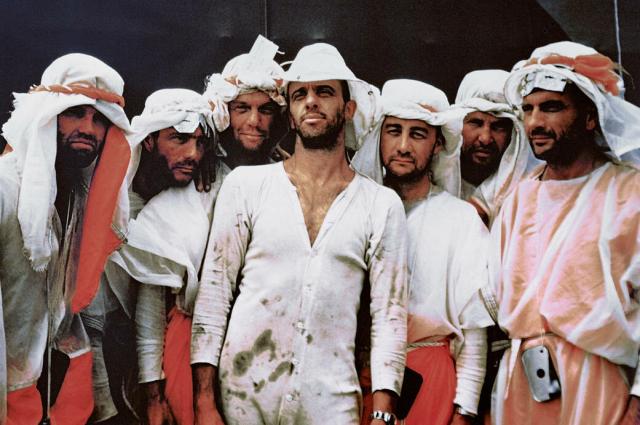
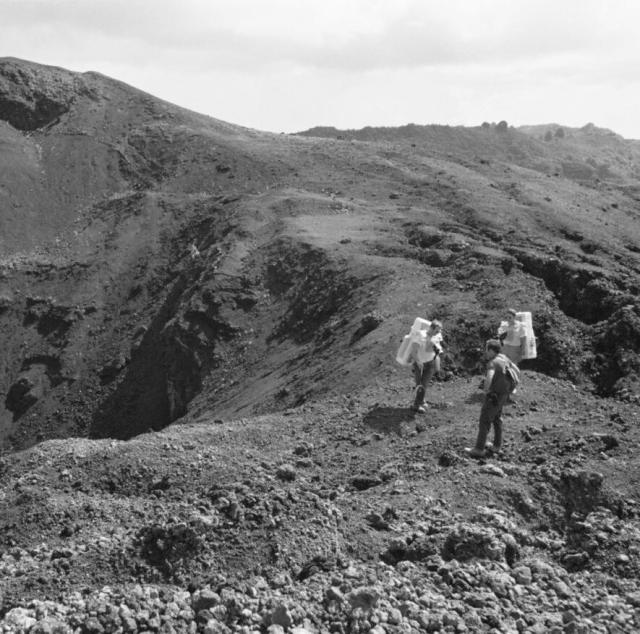
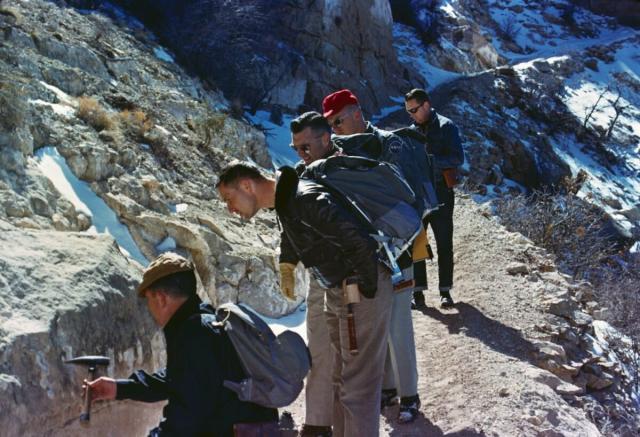
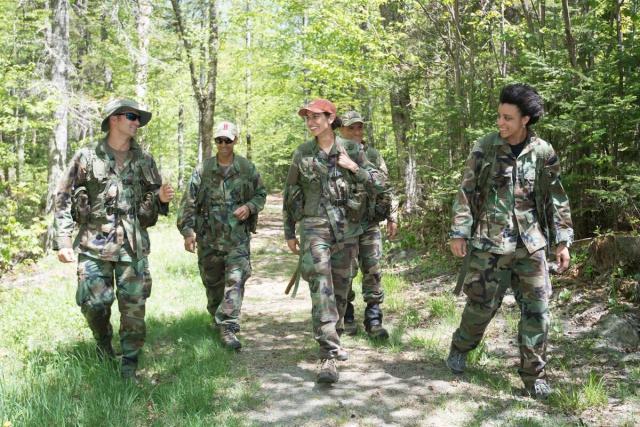
🥾 Did you know that astronauts hike as part of their training? Hiking has been an element of astronaut survival training since the early 1960s and was part of geological training in the Apollo years. Enjoy these trekking images of @NASA_Astronauts for #NationalHikingDay #NASAhistory
Spacewalkers Prokopyev and Petelin opened the hatch of the Poisk airlock at 9:39am ET today, beginning their spacewalk. More details.. go.nasa.gov/3V2V515 #ISS
NASA TV is live covering today’s spacewalk by cosmonauts Sergey Prokopyev and Dmitri Petelin to prepare hardware on the Rassvet module for installation on the Nauka multipurpose laboratory module. go.nasa.gov/3hEeXt1 #ISS
NASA Television coverage is underway of today’s spacewalk with Roscosmos cosmonauts to prepare hardware on the Rassvet module for installation on the Nauka multipurpose laboratory module.
LIVE NOW: Media teleconference on the James Webb Space Telescope's early science results, including these latest findings. ⬇️ Hear from our experts: youtu.be/eocPdOdGK5g #JamesWebb
"This is a whole new chapter in astronomy." Webb researchers found 2 early galaxies, one of which may contain the most distant starlight ever seen. These 2 unexpectedly bright galaxies could fundamentally alter what we know about the very first stars: go.nasa.gov/3XdhoDa #JamesWebb
A few days after officially starting science operations, NASA’s James Webb Space Telescope propelled astronomers into a realm of early galaxies, previously hidden beyond the grasp of all other telescopes until now.
NOW: Russian cosmonauts conduct a spacewalk at the @Space_Station to prepare for the upcoming transfer of a radiator to a different part of the station. nasa.gov/live
NASA launches, landings, and events. Watch live broadcasts from NASA Television and NASA's social media channels, and a schedule of upcoming live events including news briefings, launches and landings.
Since capturing its first images, @NASAWebb has been helping us #UnfoldTheUniverse. Mission experts will discuss early science findings during a media briefing today at 11am ET (1600 UTC): go.nasa.gov/3ECzwiI
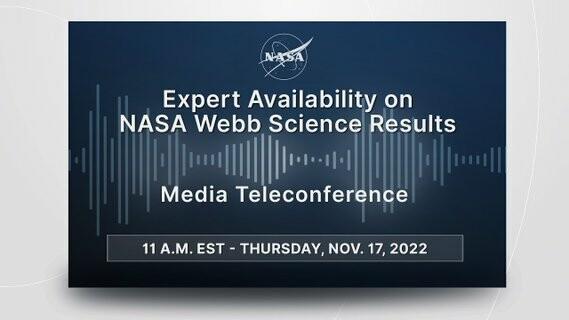
Experts from NASA and other institutions will be available by teleconference at 11 a.m. EST on Thursday, Nov. 17, to answer media questions about early science results from the agency’s James Webb Space Telescope.
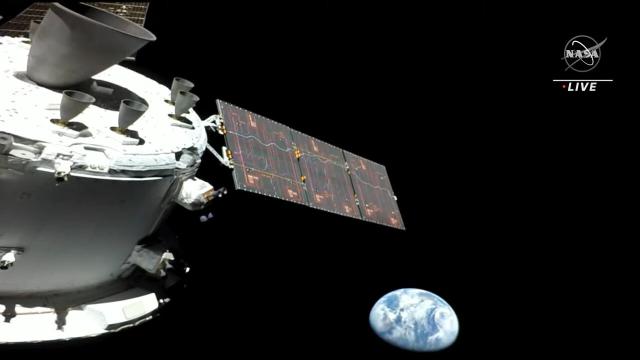
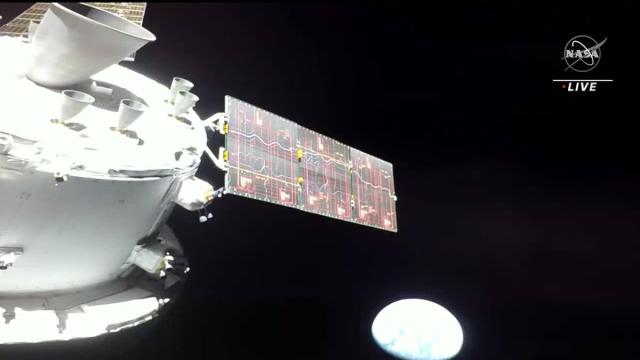
@SeanInTech This picture is a direct screengrab from NASA's Artemis 1 launch live stream, showing the direct feed from one of Orion's external video cameras. The camera's limited dynamic range couldn't capture both the illuminated earth and the, comparatively, much darker distant stars.
It's not uncommon for videos or pictures of the earth taken from space not to have any visible stars, for instance the classic "Blue Marble" photograph or just about anything taken from the ISS.
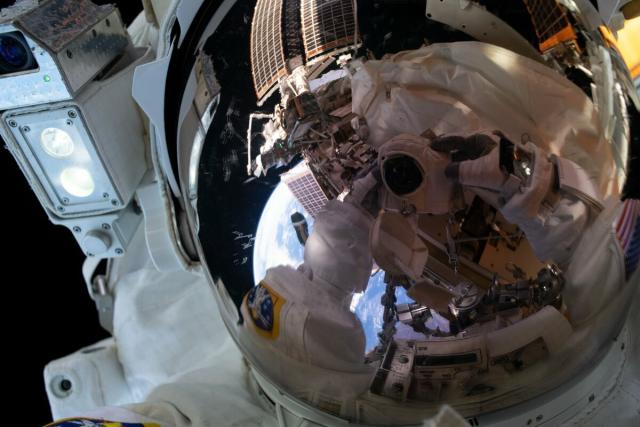
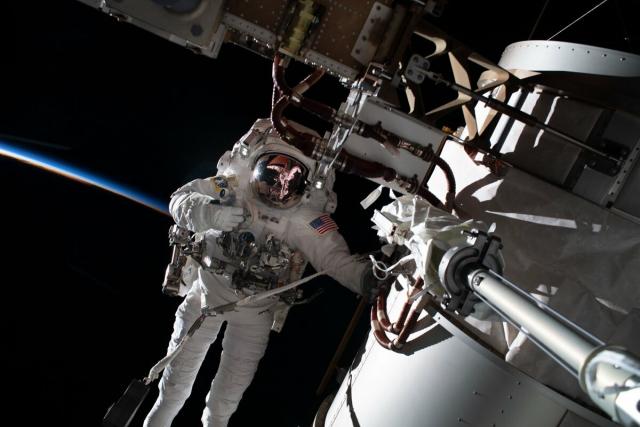
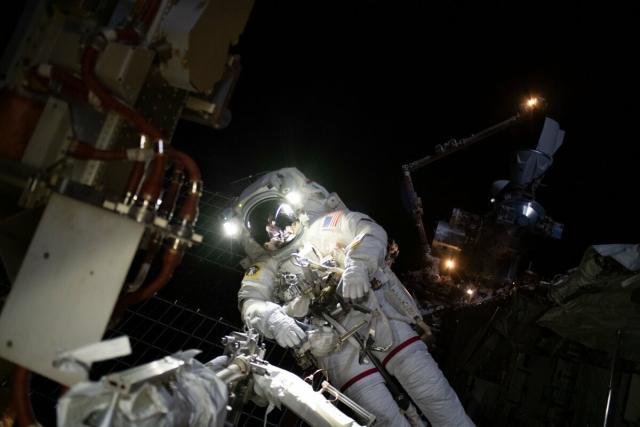
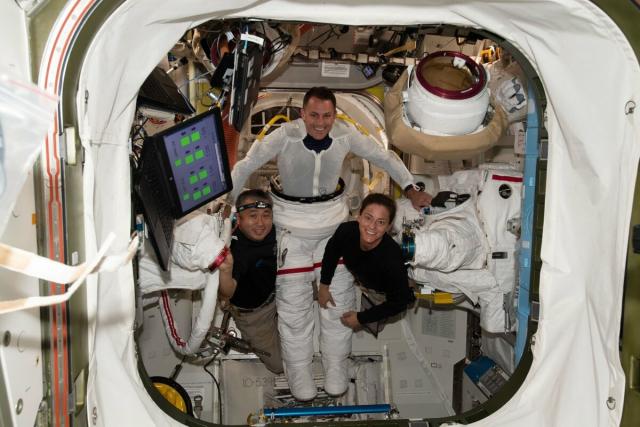
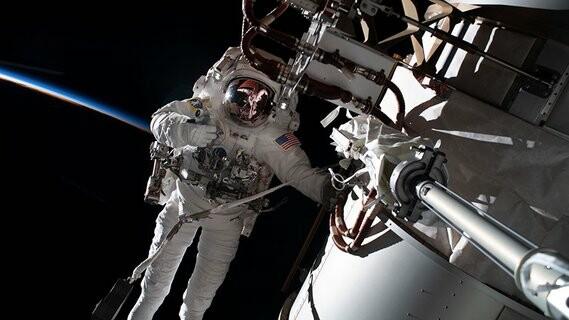
Astronauts Josh Cassada and Frank Rubio went on a spacewalk Tuesday preparing the station for new rollout solar arrays that will be installed before the end of the year. More pix... flic.kr/ps/sv14h #ISS
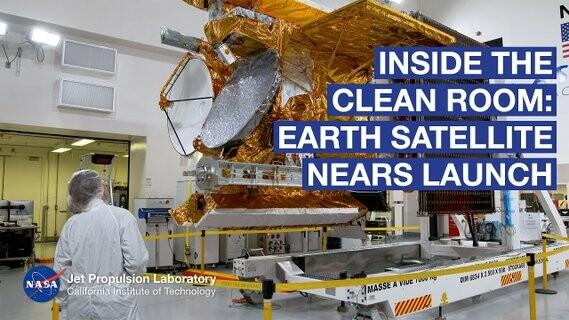
The Surface Water and Ocean Topography mission (SWOT) is set to launch on Dec. 12. But what makes SWOT different from other Earth-observing satellites? Here are a few things to know about #TrackingWorldWater: (1/5) #NASAJPL
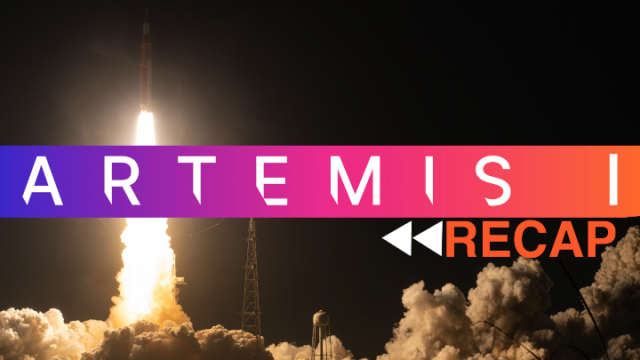
Following a successful launch of NASA’s Space Launch System (SLS), the most powerful rocket in the world, the agency’s Orion spacecraft is on its way to the Moon as part of the Artemis program.
LIVE NOW: The @NASA_Orion spacecraft has launched from @NASAKennedy and the #Artemis I mission is underway. Watch coverage of Orion’s first outbound trajectory burn on the way to the Moon. twitter.com/i/broadcasts/1OwxW…
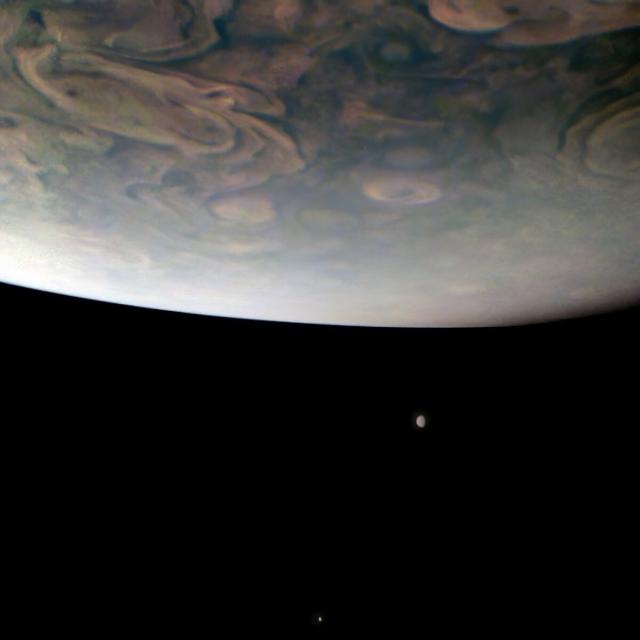
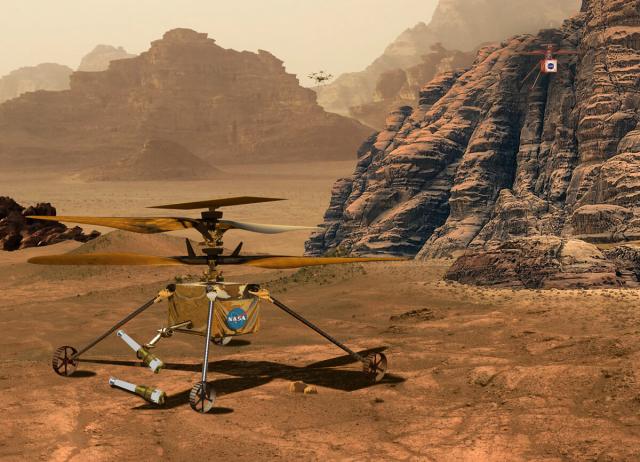
Current and future helicopters on Mars will offer explorers the 4R's: reach, range, resolution, and robotics. Read more from the originator of @NASAPersevere's Ingenuity #MarsHelicoptergo.nasa.gov/3AijiJ6 #NASAMars
Eighteen months ago, on April 19th 2021, on a cold spring day on Mars, Ingenuity took to the Martian skies for the first ever controlled flight of an aircraft on another planet.
It takes a lot to become a star! There is one protostar at the center of this @NASAWebb image, but it's hidden by a vast disk of material that will form the star and, perhaps, planets. The fiery wings are clouds of gas and dust only revealed in infrared. go.nasa.gov/3GnnFX0 #NASAExoplanets
NASA’s James Webb Space Telescope has revealed the once-hidden features of the protostar within the dark cloud L1527, providing insight into the beginnings of a new star.
SWOT, a new Earth science mission is less than a month away from launch! Join us live on Nov. 17 at 9:30am PT to see the satellite up close and hear from experts behind the mission. Use #TrackingWorldWater for your questions: youtu.be/Vfd2XYYUrs4 #NASAJPL
A new Earth science mission led by NASA and the French space agency Centre National d’Études Spatiales is preparing for launch! In less than a month, the SWO...
On the final mission to NASA's Skylab space station, launched #OTD in 1973, astronaut Bill Pogue (right) carried a flag representing 67 Native American tribes of Oklahoma as a symbol of pride in his Native American heritage. #NativeAmericanHeritageMonthgo.nasa.gov/3TF2v9F #NASAhistory
NASA brings you images, videos and features from the unique perspective of America's space agency. Get updates on missions, watch NASA TV, read blogs, view the latest discoveries, and more.
While #Artemis I is uncrewed, a manikin named "Commander Moonikin Campos" is among the test devices flying aboard @NASA_Orion. The name honors NASA engineer Arturo Campos, who helped bring the Apollo 13 crew safely home to Earth. nasa.gov/specials/moonikin-com…
New distant galaxy results and more! MEDIA: Join us on Thursday, November 17th at 11 am EST (16 UTC) to hear from our experts on James Webb Space Telescope early science results. RSVP info: go.nasa.gov/3GuYxNU #JamesWebb
Experts from NASA and other institutions will be available by teleconference at 11 a.m. EST on Thursday, Nov. 17, to answer media questions about early science results from the agency’s James Webb Space Telescope.
Two cosmonauts are preparing for Thursday's spacewalk as @SpaceX targets Monday for the launch of its Dragon cargo craft to the station. blogs.nasa.gov/spacestation/20… #ISS
Two Roscosmos cosmonauts are finalizing their preparations for a spacewalk on Thursday for hardware transfers and electronics connections on the International Space Station.









Mondial-Planete
in reply to NASA • • •Mondial-Planete (@MondialPlanete@mas.to)
mas.to