
#JamesWebb
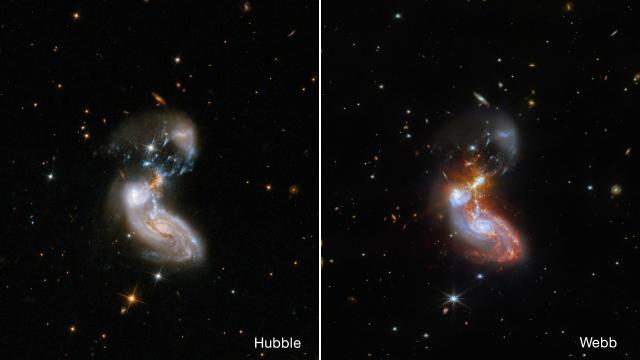
#NASA
Even baby stars burp!
Data from our retired Spitzer Space Telescope shows that young protostars can experience outbursts about every 400 years. These eruptions are a sign that the growing stars are devouring gas and dust from disks that surround them. go.nasa.gov/3gRVxkj
#NASAUniverse
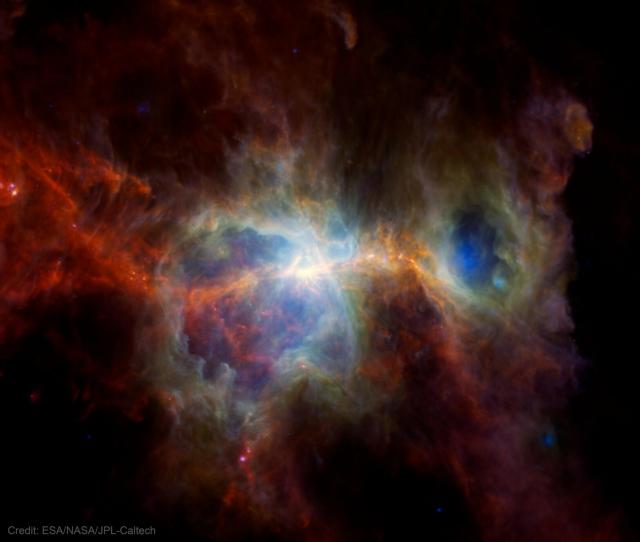
Baby Star ‘Burps’ Tell Tales of Frantic Feeding, NASA Data Shows
The youngest stars often shine in bright bursts as they consume material from surrounding disks.NASA Jet Propulsion Laboratory (JPL)
Mauna Loa is erupting for the first time in 4 decades, with lava flows reaching 100-200 feet in some cases.
As the volcano began erupting Nov. 27, the @nasa/@NOAA Suomi NPP satellite captured nighttime imagery of the lava’s intensely glowing light & heat. go.nasa.gov/3XDS6hX
#NASAEarth
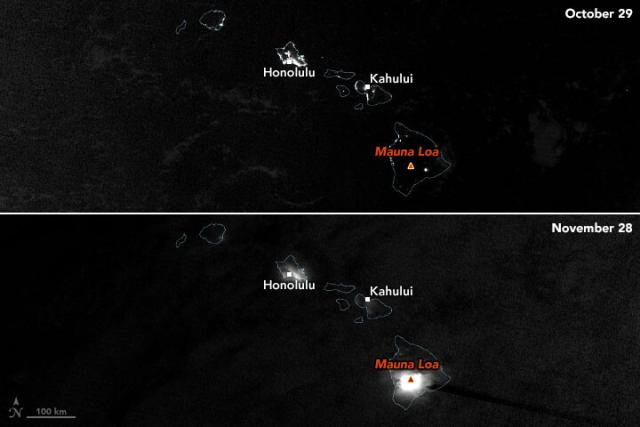
Mauna Loa Awakens
During the first eruption in nearly four decades, satellites observed the volcano’s nighttime glow and sulfur dioxide plume.go.nasa.gov
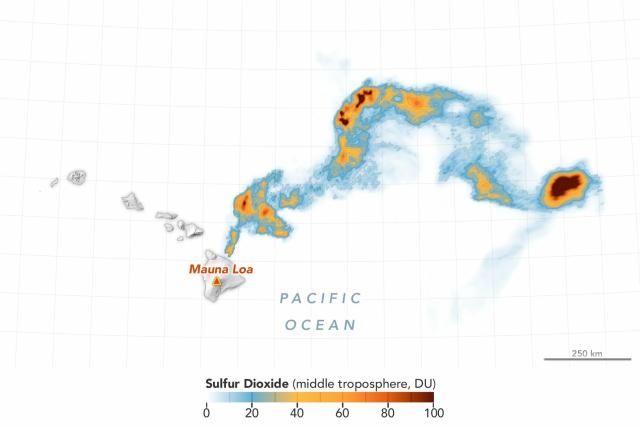
As the volcano erupts, Mauna Loa is emitting sulfur dioxide (SO2), a pungent gas that reacts with oxygen and water to form a gray volcanic haze called vog.
This map shows where the @esa Sentinel-5P satellite detected sulfur dioxide with its TROPOMI sensor.
#NASAEarth
Hello, NGC 6440! 🤩
This newly released Hubble #StarrySights image shows a globular cluster located about 28,000 light-years away in the constellation Sagittarius.
Explore more: go.nasa.gov/3OMKPIo
#Hubble
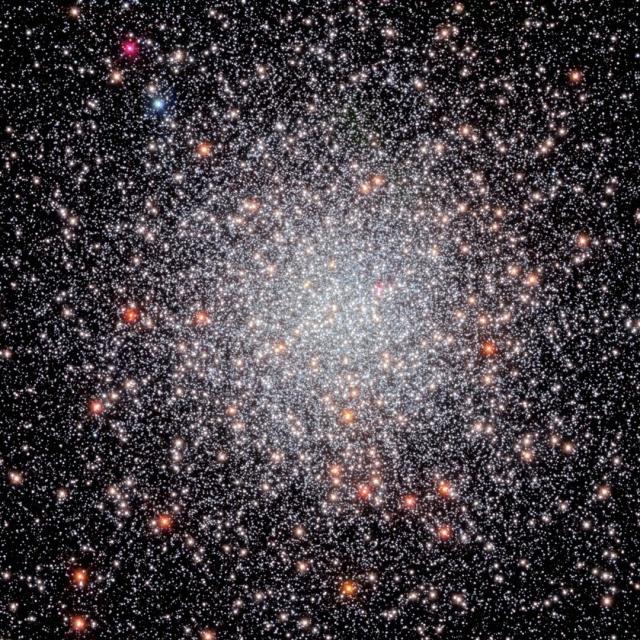
Hubble Captures a Swarm of Stars
Looking like a glittering swarm of buzzing bees, the stars of globular cluster NGC 6440 shine brightly in this NASA Hubble Space Telescope image. Located some 28,000 light-years away in the constellation Sagittarius, the archer.Andrea Gianopoulos (NASA)
#NASAhistory
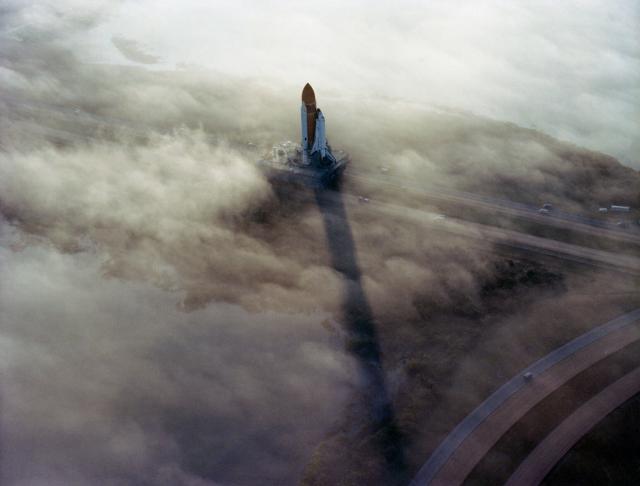
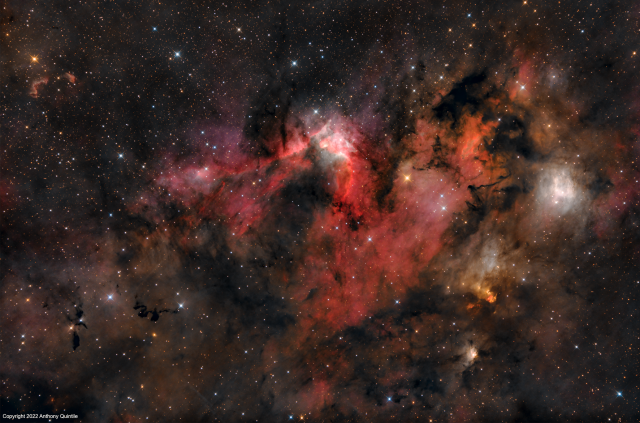
APOD: 2022 November 30 - The Light, the Dark, and the Dusty
A different astronomy and space science related image is featured each day, along with a brief explanation.apod.nasa.gov
The Light, the Dark, and the Dusty
Image Credit & Copyright: Anthony Quintile
apod.nasa.gov/apod/ap221130.ht… #APOD

APOD: 2022 November 30 - The Light, the Dark, and the Dusty
A different astronomy and space science related image is featured each day, along with a brief explanation.apod.nasa.gov
Today, engineers continued with the jet firing development flight test objective to further our understanding of spacecraft operations.
A new objective was added to help engineers understand @NASA_Orion’s thermal performance for Artemis II and beyond. go.nasa.gov/3iqdLK8
#NASAArtemis #Artemis
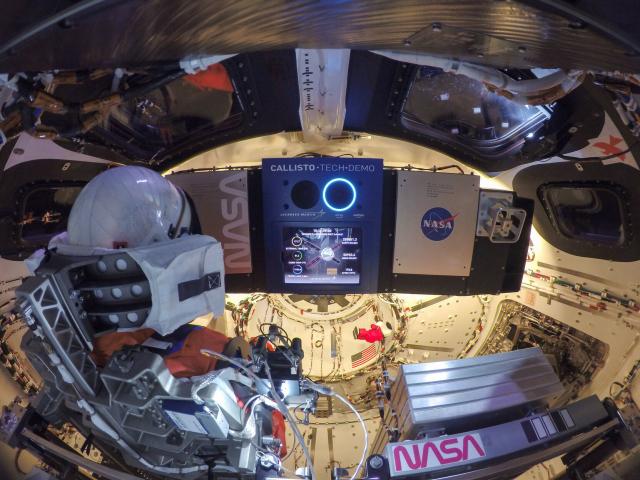
When #Artemis launch teams saw a small hydrogen leak before the launch of @NASA_SLS and @NASA_Orion, they sent out three members of the “red crew,” a group of specialists who are trained to fix hands-on issues during launch countdown.
Hear their story: go.nasa.gov/3gNj06c
#NASAArtemis #Artemis
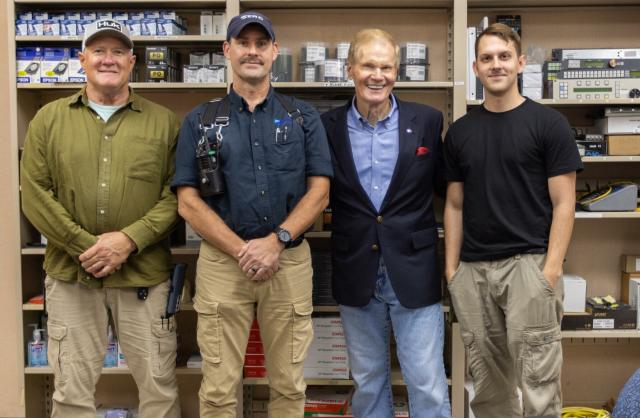
Artemis Red Crew Team Helps Enable Successful Launch
The successful launch of Artemis I on Nov. 16, 2022, from Launch Pad 39B at the agency’s Kennedy Space Center in Florida might not have occurred that day had it not been for the brave individuals.James Cawley (NASA)
Yesterday, NASA’s uncrewed Orion spacecraft reached its max distance from Earth — 268,563 miles from Earth!
Orion will continue in its distant retrograde orbit for a few more days before swinging by the Moon again on its way back to Earth. 🌏👋🛰🌒
blogs.nasa.gov/artemis/
#NASAEarth
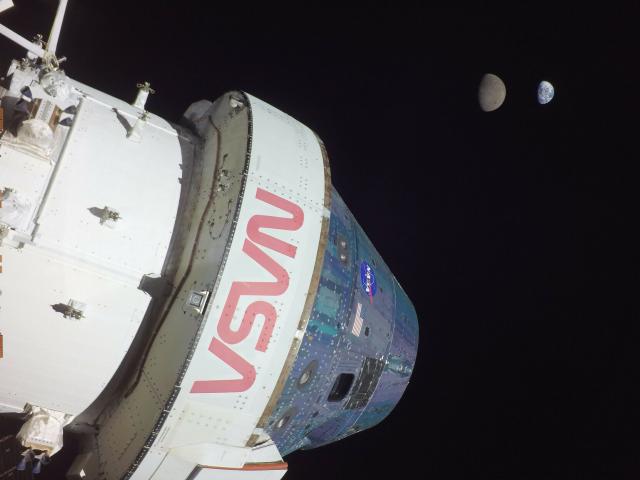
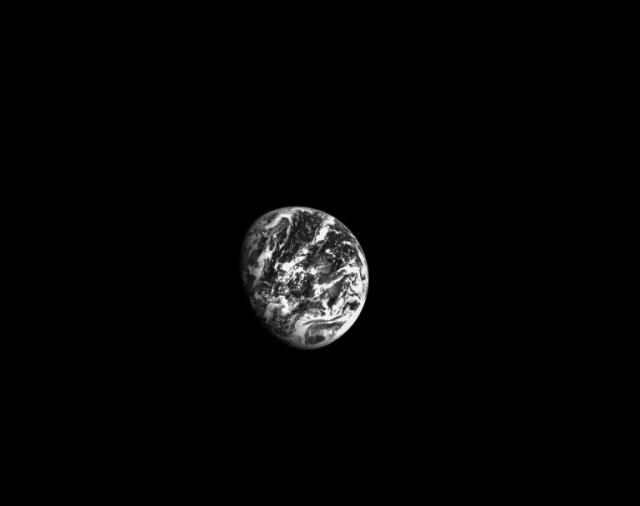
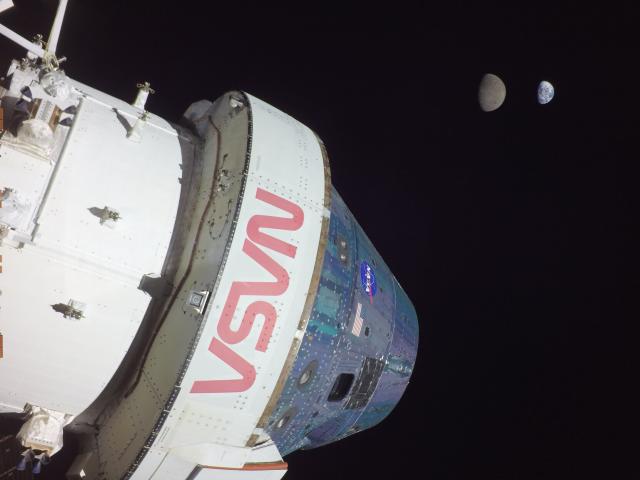
Orion has many cameras that it uses to capture gorgeous imagery of itself as well as Earth and the Moon at different phases and distances.
Images from its optical navigation camera help establish Orion’s position in space, a method that could be useful for future missions.
#NASAEarth
#NASATechnology
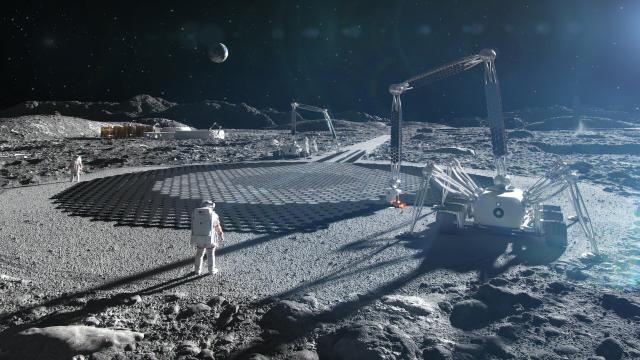
NASA, ICON Advance Lunar Construction Technology for Moon Missions
As NASA plans for long-term human exploration of the Moon under Artemis, new technologies are required to meet the unique challenges of living and working on another world.Roxana Bardan (NASA)
On Nov. 26, Flight Day 11, @NASA_Orion’s optical navigation camera captured this lunar snapshot as the spacecraft was in distant retrograde orbit around the Moon.
Don’t forget there’s still time to share your #NASAMoonSnap during the #Artemis I mission! go.nasa.gov/3GVS6Uo
#NASAArtemis #Artemis
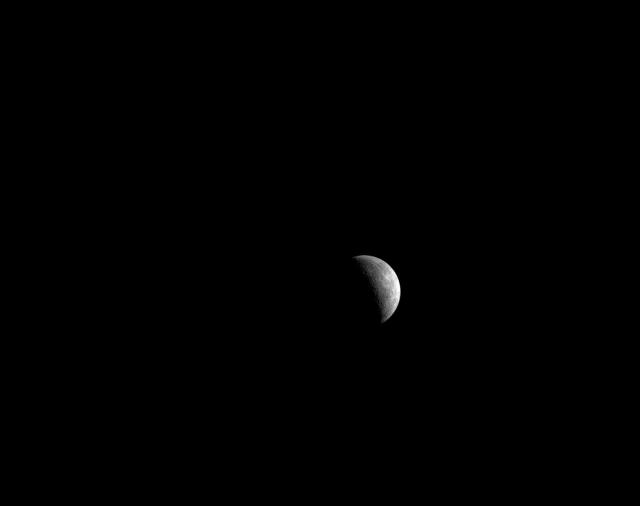
Inspired by the Launch of Artemis I? Share a #NASAMoonSnap!
NASA.gov brings you the latest images, videos and news from America's space agency. Get the latest updates on NASA missions, watch NASA TV live, and learn about our quest to reveal the unknown and benefit all humankind.NASA
Hey @nasa, would you please provide alt text/descriptions for the photos you post on this account? I'd love to enjoy the photos like I do for the #JWST photos on Twitter.
Thanks. It's good for #accessibility for those of us who are blind or otherwise need descriptions.
#NASAExoplanets
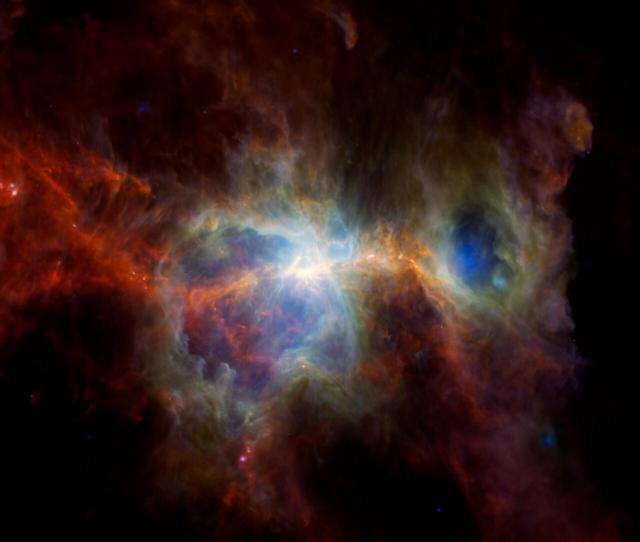
Baby Star ‘Burps’ Tell Tales of Frantic Feeding, NASA Data Shows
The youngest stars often shine in bright bursts as they consume material from surrounding disks.Tony Greicius (NASA)
#NASAhistory
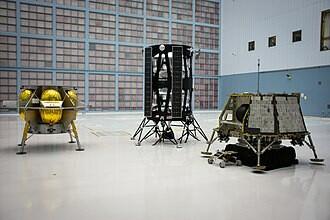
Commercial Lunar Payload Services
As the first major step to return astronauts to the Moon under Space Policy Directive-1, NASA is working with nine American companies on delivery services to the lunar surface through Commercial Lunar Payload Services (CLPS) contracts.NASA
Burping baby stars! (Really)
Young stars often shine in bright bursts as they consume material from surrounding disks. These luminous eruptions are signs of feeding binges as the growing stars devour material from disks of gas and dust that surround them. go.nasa.gov/3H12Tgl
#NASAJPL
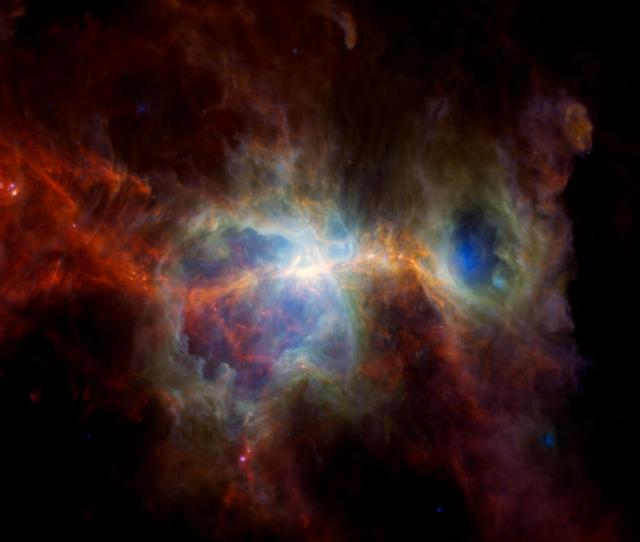
Baby Star ‘Burps’ Tell Tales of Frantic Feeding, NASA Data Shows
The youngest stars often shine in bright bursts as they consume material from surrounding disks.NASA Jet Propulsion Laboratory (JPL)
Regulators, mount up! 🌟
Data from @ChandraXray and @SOFIAtelescope reveal a star cluster that regulates itself—allowing only a limited set of stars to grow before expelling most of the gas from the system. This process likely slows new star creation: go.nasa.gov/3Vz1GRg
#NASA
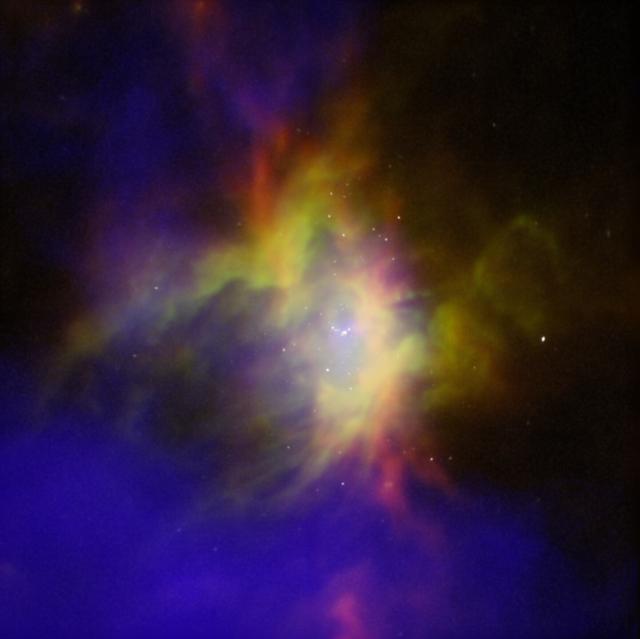
Astronomers See Stellar Self-Control in Action
A new study shows how some stars can demonstrate “self-control” when forming in groups.Lee Mohon (NASA)
Sonified stars ⭐🎵
This sonification brings an image of the star cluster Pismis 24 to life through sound. Scientists assigned pitches to elements of the image so we can experience its data in a new way!
More: nasa.gov/content/explore-from-…
#StarrySights
#Hubble
Explore - From Space to Sound
NASA.gov brings you the latest images, videos and news from America's space agency. Get the latest updates on NASA missions, watch NASA TV live, and learn about our quest to reveal the unknown and benefit all humankind.NASA
#NASAUniverse
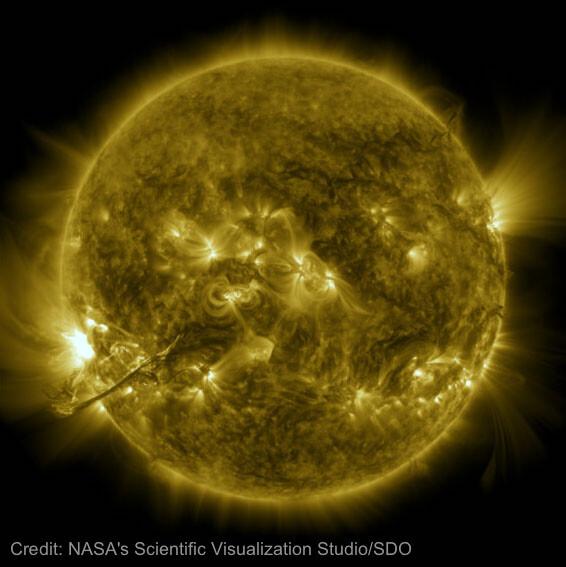
Types | Stars – NASA Universe Exploration
The universe’s stars range in brightness, size, color, and behavior. Some types change into others very quickly, while others stay relatively unchanged over trillions of years.NASA Universe Exploration
#NASAEarth
NASA to Cancel GeoCarb Mission, Expands Greenhouse Gas Portfolio
NASA announced Monday it intends to cancel development of its GeoCarb mission, and instead implement a plan for pursuing alternate options to measure and observe greenhouse gases.Roxana Bardan (NASA)
#ISS

New Experiments, Upcoming Spacewalks Keep Station Crew Busy
New science experiments delivered aboard a U.S. cargo craft are being activated aboard the International Space Station this week.blogs.nasa.gov
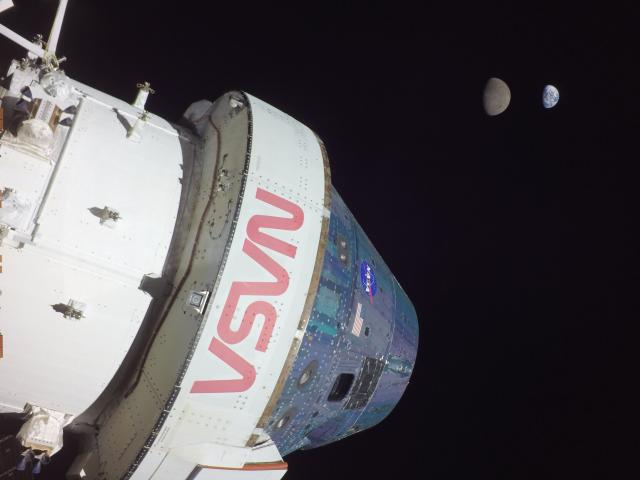
On flight day 13 of the #Artemis I mission, @NASA_Orion reached its maximum distance from Earth, 268,563 miles away from home.
Orion has now traveled farther than any other spacecraft designed to carry humans to deep space & safely return them to Earth. go.nasa.gov/3Fd8hf1
#NASA
#NASATechnology
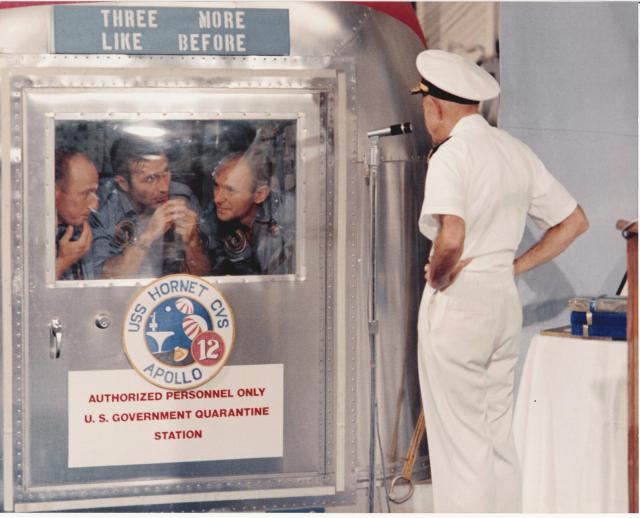
The USS Hornet (CV-12) was commissioned #OTD in 1943. 26 years later on Nov. 28, 1969, the Hornet delivered the crew of Apollo 12 inside the Mobile Quarantine Facility to Pearl Harbor.
Which other Apollo mission did the USS Hornet serve as the prime recovery carrier for?
#NASAhistory

"Water unites us all."
Meet Tahani Amer, who oversees Earth science missions for NASA, including the international Surface Water and Ocean Topography (SWOT) satellite, which is scheduled to launch next month. This mission will track water on more than 90% of Earth's surface.
#NASAJPL
#NASASolarSystem
Twinkle, twinkle many stars…
This new Hubble image features NGC 2660, an open star cluster in the constellation Vela.
Find out more about this new Hubble #StarrySights image: go.nasa.gov/3EOxg6U
#Hubble
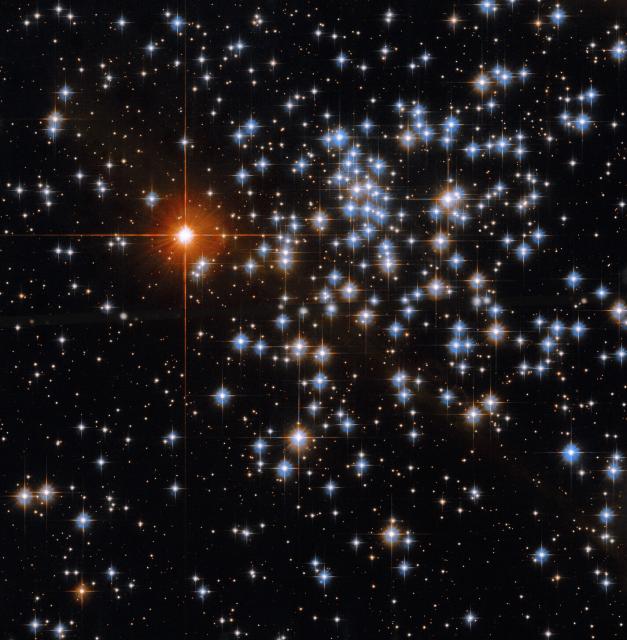
Hubble Spies Sparkling Spray of Stars in NGC 2660
This glittering group of stars, shining through the darkness like sparks left behind by a firework, is NGC 2660 in the constellation Vela, best viewed in the southern sky.Andrea Gianopoulos (NASA)
📢 Call for Papers! 📝
In October, we're cohosting a two-day symposium on the history of NASA's Discovery and New Frontiers Programs. Be sure to submit your paper proposals before the deadline.
Get the details: go.nasa.gov/3U30Zi2
#NASAhistory
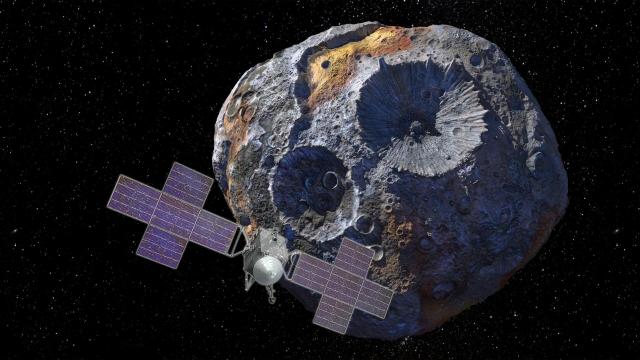
Call for Papers for Discovery@30, New Frontiers@20 Symposium
The NASA History Office and the Smithsonian’s National Air and Space Museum invite proposals for papers to be presented at a two-day symposium, October 12–13, 2023 in Washington, DC.Michele Ostovar (NASA)
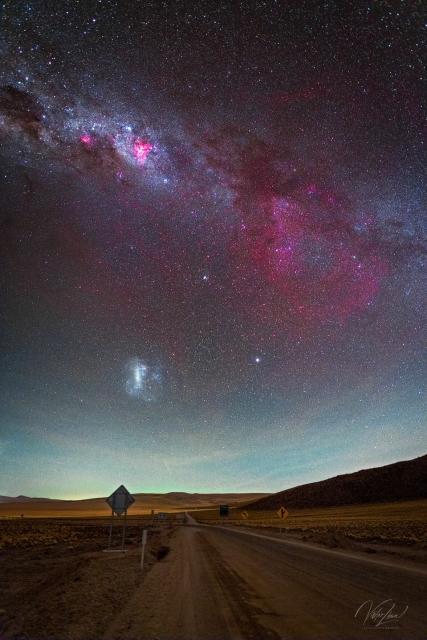
APOD: 2022 November 29 - The Gum Nebula Supernova Remnant
A different astronomy and space science related image is featured each day, along with a brief explanation.apod.nasa.gov
The Gum Nebula Supernova Remnant
Image Credit & Copyright: Victor Lima
apod.nasa.gov/apod/ap221129.ht… #APOD


APOD: 2022 November 29 - The Gum Nebula Supernova Remnant
A different astronomy and space science related image is featured each day, along with a brief explanation.apod.nasa.gov


The southeastern shore of the Hudson Bay forms a near perfectly curved shoreline.
Called the Nastapoka Arc, this curved shoreline has prompted an ongoing debate over its formation.
Read more about this geologic puzzle: go.nasa.gov/3XS8DPx 🪨 🧩
#NASAEarth
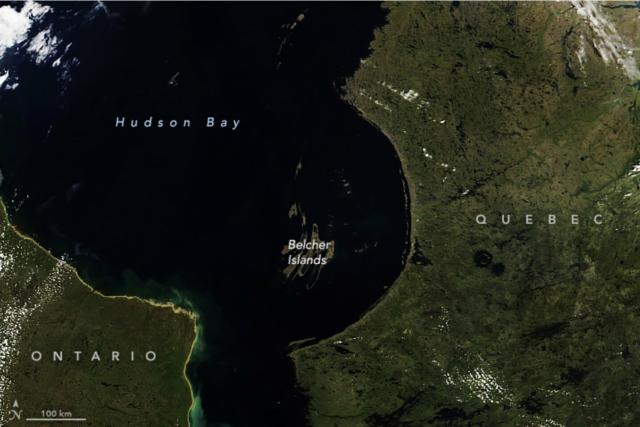
Hudson Bay’s Nastapoka Arc
The origin of this nearly perfectly curved shoreline, a feature not often found in nature, has prompted an ongoing geologic debate.go.nasa.gov
2) Ancient impact structure, but no evidence of material so not likely
3) Ancient impact crater with so much geological processes since, evidence of impact is lost.
4)Circular tectonic plate on a continent made it pull apart like a puzzle.
🔴 LIVE NOW
Tune in to learn what it took to design, build, test, and launch the @NASAMars Spirit and Opportunity rovers. (Spoiler: It wasn't easy!)
For fans of the recently released #GoodNightOppy, this is definitely a must watch! ⬇️
youtu.be/f_sSzn87ljM
#NASAJPL
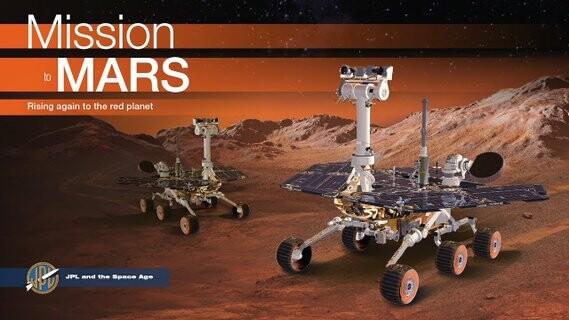
JPL and the Space Age: Mission to Mars
After the devastating loss of two back-to-back missions to Mars in 1999, NASA’s Jet Propulsion Laboratory found itself at a crossroads: Would the lab pull ba...YouTube
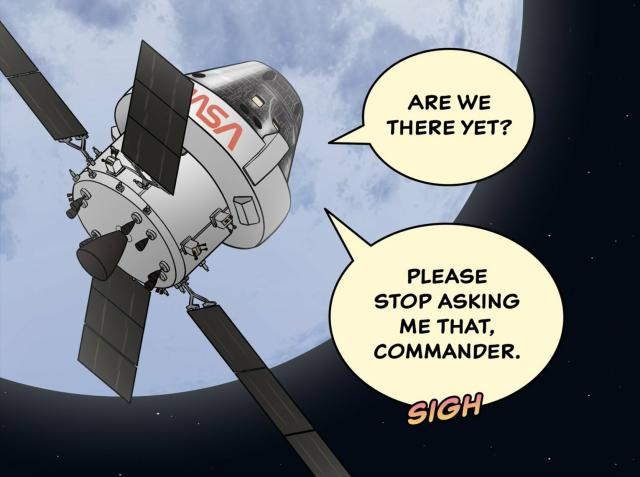
Commander Moonikin Campos here. I’ve had a very busy day, taking selfies with the #LunaTwins, writing Tweets, capturing data from lunar orbit…
Sadly, I’ve got to let the #Artemis social media nerds have their account back.
#NASAArtemis #Artemis
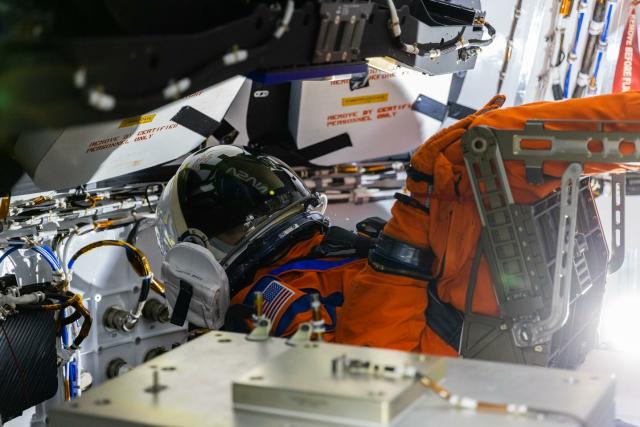
Aside from me taking over the #Artemis @Twitter account, today was exciting for another reason — @NASA_Orion has hit its maximum distance from Earth, at over 270,000 miles!
I have accomplished so much. 🥹
#NASAArtemis #Artemis
This one bangs. Literally. Material surrounding a black hole can produce intense bursts of electromagnetic radiation that can bounce off clouds of gas & dust in space. @chandraxray's sonification turns these ''light echoes'' into sound.
#NASAExoplanets
#NASA
Stay tuned with the #Artemis I mission by:
Following this account
Using the @NASA_Orion tracker
Checking the @nasa TV schedule
All links are here: bit.ly/3VAlAeF
#NASAArtemis #Artemis
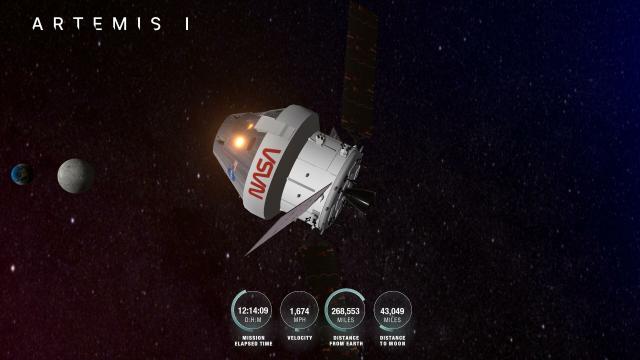
Follow NASA’s Artemis I Moon Mission: Live Tracker, Latest Images, and Videos
On Nov. 16, 2022, the Artemis I mission officially began with the launch of the Orion spacecraft atop the Space Launch System rocket. The rocket and spacecraft lifted off from historic Launch Complex...nasa (Tumblr)
Tonight at 5pm ET (22:00 UTC), @nasa leaders will provide an update on the #Artemis I mission, which we are now halfway through!
You know what they say, time flies when you’re flying around the Moon! youtu.be/3bZlfpSOHik
#NASAArtemis #Artemis
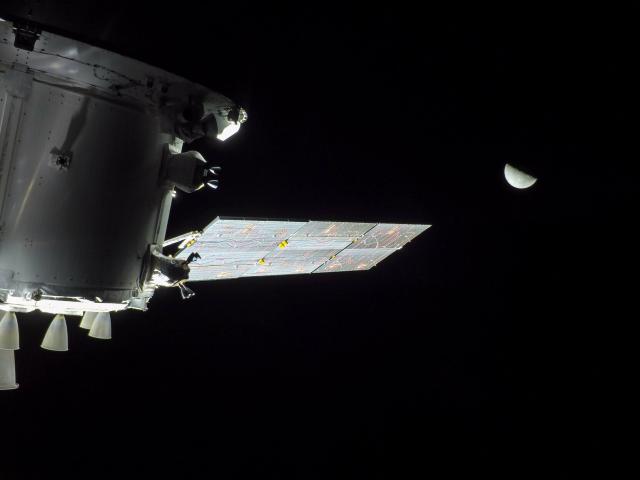
NASA Briefing on Mid-point of Artemis I Moon Mission
NASA will host a news conference from NASA’s Johnson Space Center in Houston to discuss the status of the uncrewed Artemis I flight test as the Orion spacecr...YouTube
KsNorm
in reply to NASA • • •