Search
Items tagged with: NASAhistory

#NASAhistory

#NASAhistory
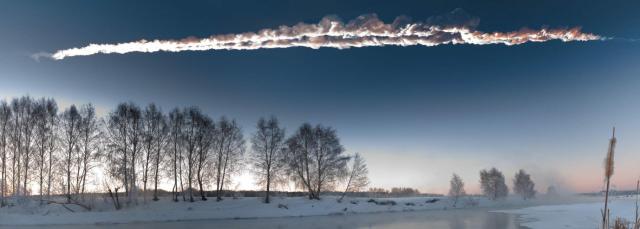
This widely-reported event was instrumental in the establishment of NASA's Planetary Defense Coordination Office in January 2016. #AsteroidWatch
Read more about the Chelyabinsk event's role in upping our planetary defense game: go.nasa.gov/3IhJKqt
#NASAhistory
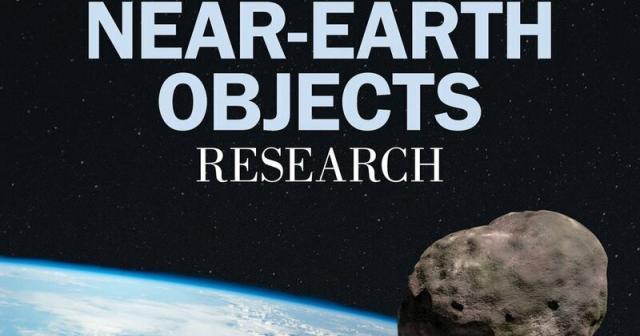
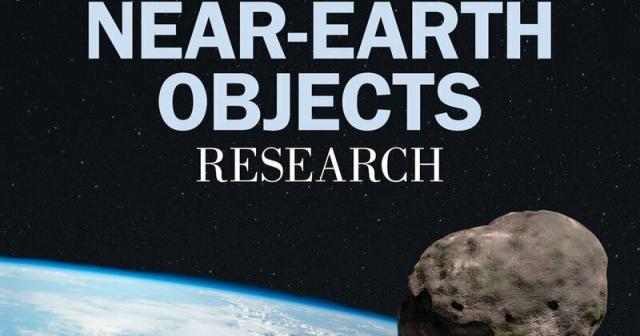
A History of Near-Earth Objects Research
Often seen as the solar system's rubble, asteroids and comets were largely ignored in the 20th century until recently. Increasingly, they have been seen by scientists as objects worthy of study, by the general public and the U.S.Michele Ostovar (NASA)
#10YearsAgo today, a 10,000 ton meteor exploded over Chelyabinsk, Russia releasing energy roughly equivalent to 500-kilotons of TNT. Thousands of buildings were damaged and nearly 1,500 people were injured (though there were no fatalities).
Photo credit: M. Ahmetvaleev
#NASAhistory
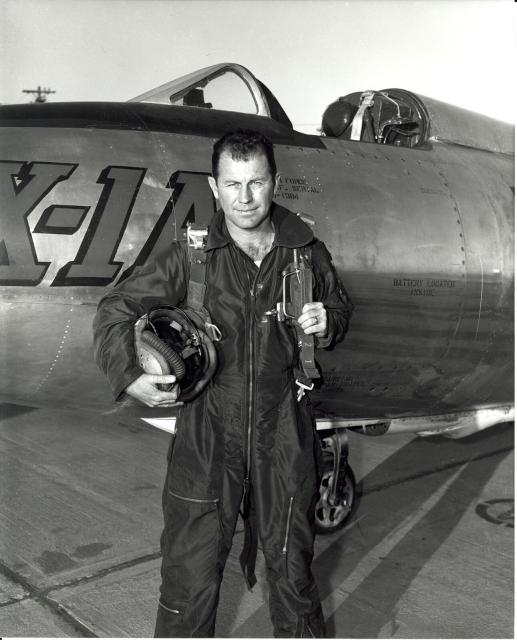
Happy 100th #birthday to the late, great Chuck Yeager, World War II flying ace and test pilot who shattered the myth of the sound barrier in 1947. 🥳
Yeager is seen here with the Bell X-1A which he flew to a then-record speed of Mach 2.44 on December 12, 1953.
📷 @usairforce
#NASAhistory
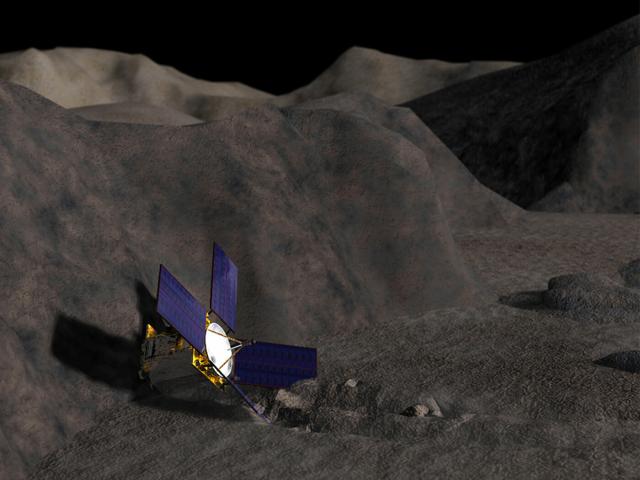
Did somebody say touchdown?
NEAR Shoemaker became the 1st ever spacecraft to touch down on an asteroid #OTD in 2001. Although the probe wasn't expected to survive the landing, it surprised scientists by continuing to transmit data for ~2 weeks on Eros! go.nasa.gov/3JN2Vd0
#NASAhistory
In Depth | NEAR Shoemaker – NASA Solar System Exploration
NASA’s real-time science encyclopedia of deep space exploration. Our scientists and far-ranging robots explore the wild frontiers of our solar system.NASA Solar System Exploration
Hubble upgrade!
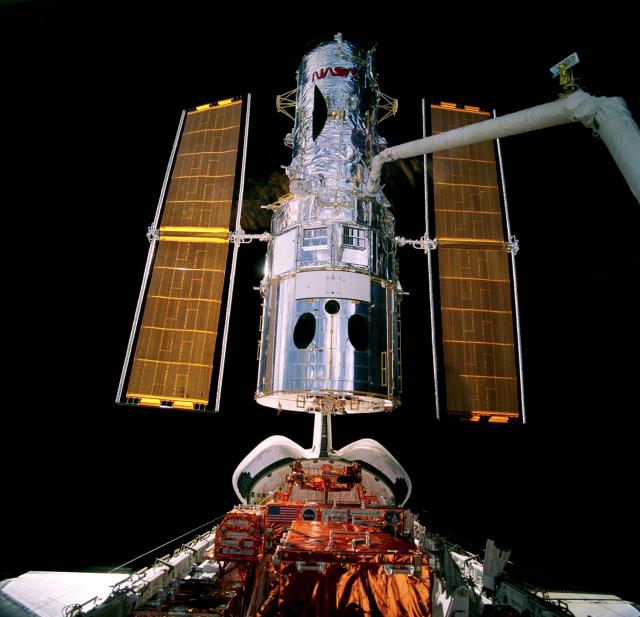
STS-82, launched #OTD in 1997, was dedicated to servicing @NASAHubble. Over 5 EVAs totaling more than 33 hours, the telescope's scientific instruments were updated and Hubble's orbit was boosted by 3.2 km (2 mi).
Get the details: go.nasa.gov/3YuUhns
#NASAhistory
About - Hubble Servicing Missions | SM2
NASA.gov brings you the latest images, videos and news from America's space agency. Get the latest updates on NASA missions, watch NASA TV live, and learn about our quest to reveal the unknown and benefit all humankind.NASA
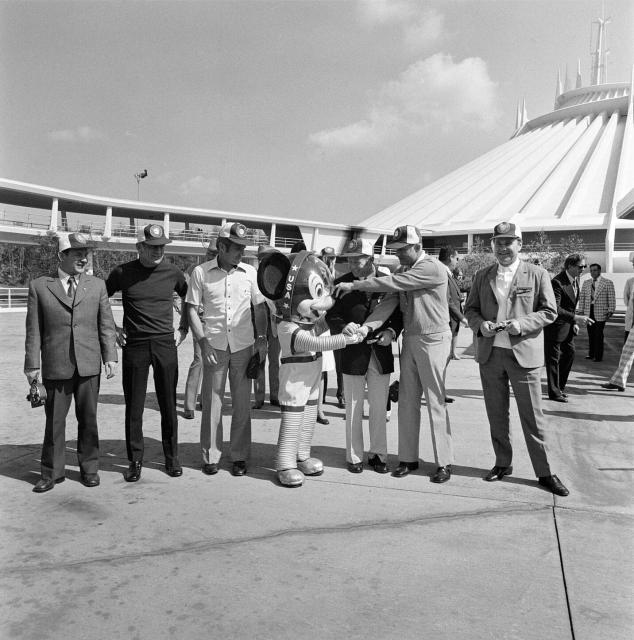
"Hiya, Pal!"
Mickey Mouse greeted the astronauts and cosmonauts making up the prime crew for the Apollo-Soyuz Test Project during a visit to Disney World #OTD in 1975. The visit took place at the end of a 3-day tour of the launch facilities at @NASAKennedy in Florida.
#NASAhistory
Our latest release in the NASA History Series is now out! 📘
NACA to NASA to Now by former NASA Chief Historian Roger Launius tells the story of the NACA and its successor NASA. Download the free e-book and tag someone you think might enjoy a copy! go.nasa.gov/3DUHfI2
#NASAhistory
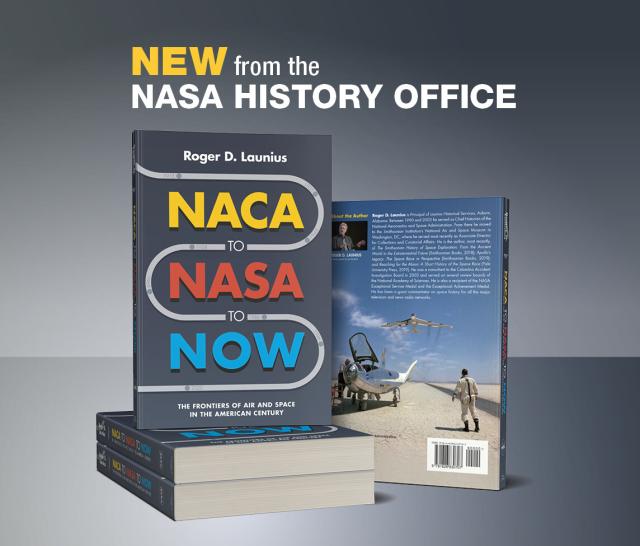
NACA to NASA to Now
NACA to NASA to Now: The Frontiers of Air and Space in the American Century tells the story of the National Advisory Committee for Aeronautics (NACA) and its successor, the National Aeronautics and Space Administration (NASA).Michele Ostovar (NASA)
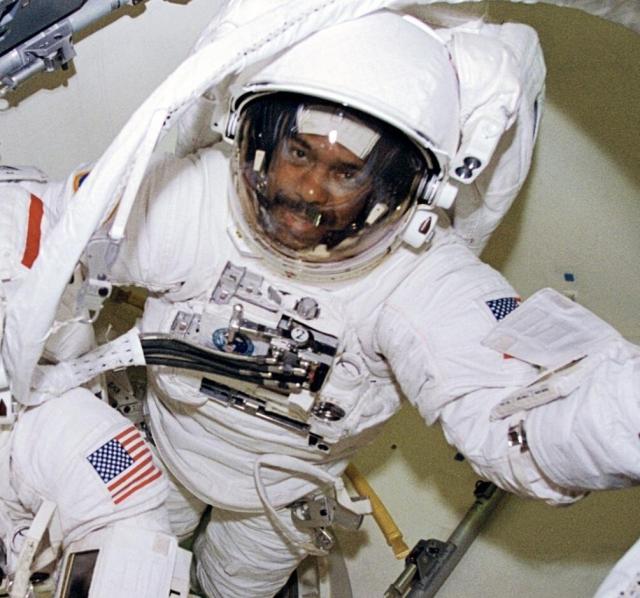
The first Black astronaut in history to perform a spacewalk!
STS-63 Mission Specialist Bernard Harris gained this distinction #OTD in 1995. Before his 1990 selection as an astronaut, Dr. Harris worked at @NASA_Johnson as a flight surgeon & clinical scientist. #BlackHistoryMonth
#NASAhistory
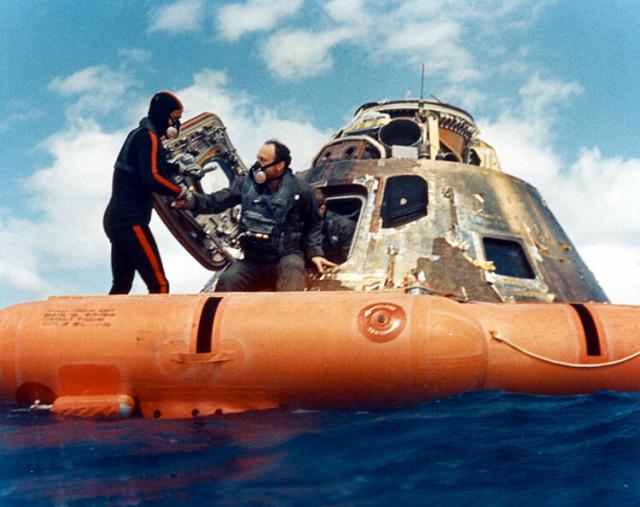
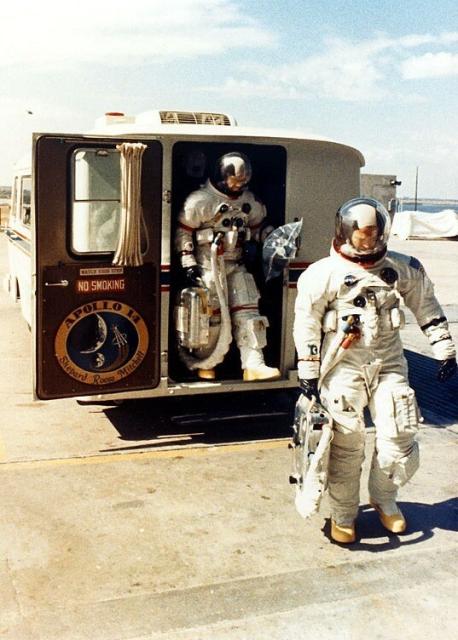
Apollo 14 splashed down in the Pacific Ocean #OTD in 1971 after a successful 9-day mission! It was the last of the Apollo missions to quarantine the astronauts upon their return. More on the completion of the mission: go.nasa.gov/3XayznR
📷 Astronaut Ed Mitchell disembarks
#NASAhistory
After 2 years of study, NASA announced the selection of 5 possible Apollo landing sites on the Moon #OTD in 1968. The Sea of Tranquility (Site 2) was where Apollo 11 ultimately landed.
Read about the criteria that NASA used to choose the landing sites: go.nasa.gov/3Yjj3r1
#NASAhistory
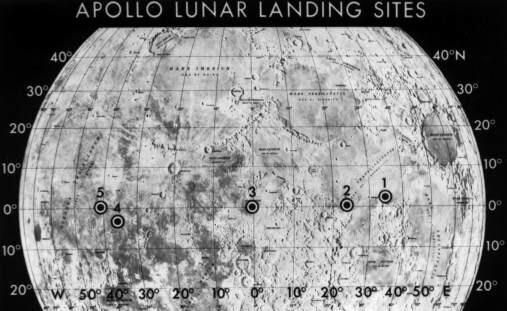
50 Years Ago: Lunar Landing Sites Selected
On February 8, 1968, after two years of study NASA’s Apollo Site Selection Board announced five potential landing sites for the first human lunar landing.Mark Garcia (NASA)
#NASAhistory
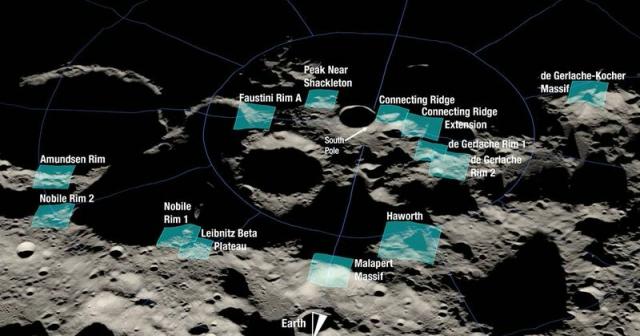
NASA Identifies Candidate Regions for Landing Next Americans on Moon
As NASA prepares to send astronauts back to the Moon under Artemis, the agency has identified 13 candidate landing regions near the lunar South Pole.Sean Potter (NASA)
#NASAhistory
#BlackHistoryMonth
#NASAhistory
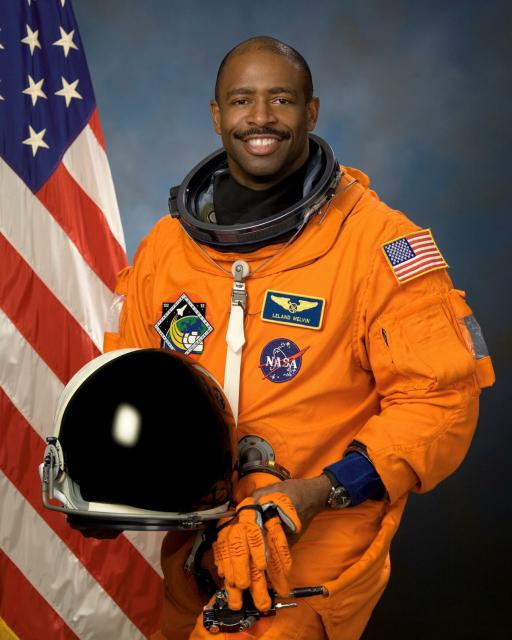
NASA - Preflight Interview: Leland D. Melvin, Mission Specialist
Interview with STS-122 Mission Specialist Leland D. MelvinMark Garcia, JSC
“The Moon is one big sand trap”
Astronaut Alan Shepard famously worked on his #golf game on the 2nd lunar EVA of the Apollo 14 mission #OTD in 1971. How well do you know your Moon golf trivia? Tell us how many golf balls are on the Moon!
Watch Al's shot: go.nasa.gov/40gDgPA
#NASAhistory
Alan Shepard Hits A Golf Ball on the Moon
Apollo 14 Commander and original Mercury astronaut Alan Shepard, the first American to fly in space, tees off on the lunar surface during his 1971 mission, w...YouTube
Apollo 14 astronauts Alan Shepard and Edgar Mitchell landed on the Moon #OTD in 1971, becoming the 5th and 6th humans to reach the lunar surface.
Watch highlights of NASA's 1st mission to the lunar highlands: go.nasa.gov/3HScjdV
#NASAhistory
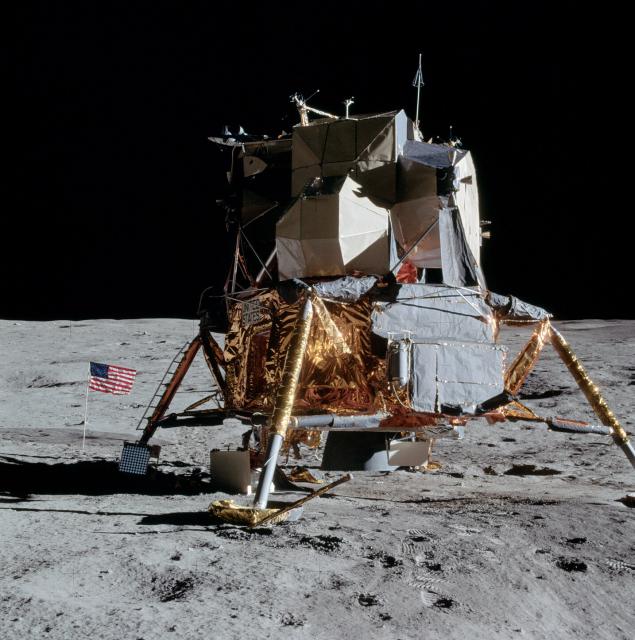
Apollo 14: ‘A Wild Place Up Here’
Apollo 14 was the eighth crewed Apollo mission and the third to land on the Moon. On January 31, 1971, Apollo 14 launched from Kennedy Space Center with a cr...YouTube
I feel the need...the need for speed! 💨
The Douglas D-558-II "Skyrocket" was first flown #OTD in 1948. One of the early transonic research airplanes, the Skyrocket later became the first aircraft to fly 2x the speed of sound.
More about the D-558-II: go.nasa.gov/3Ru386H
#NASAhistory
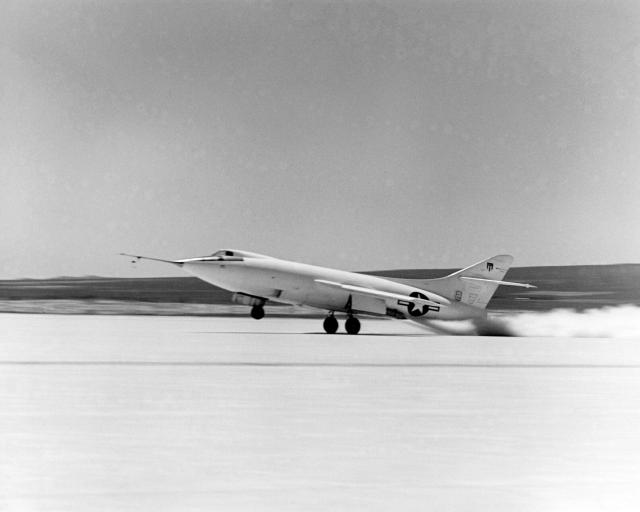
D-558-II Skyrocket
The Douglas D-558-II "Skyrockets" were among the early transonic research airplanes like the X-1, X-4, X-5, and X-92A.NASA
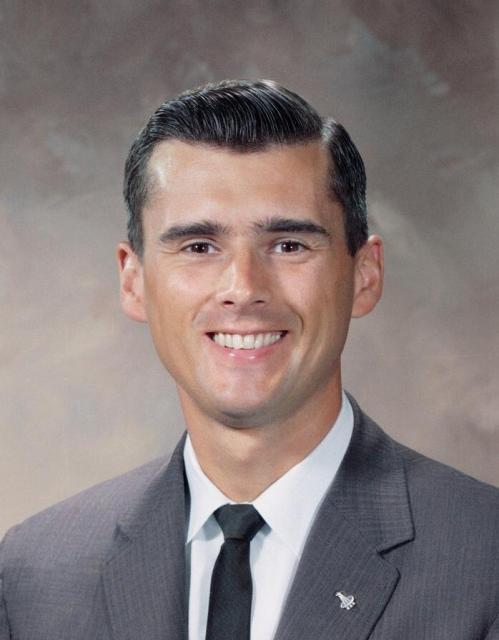
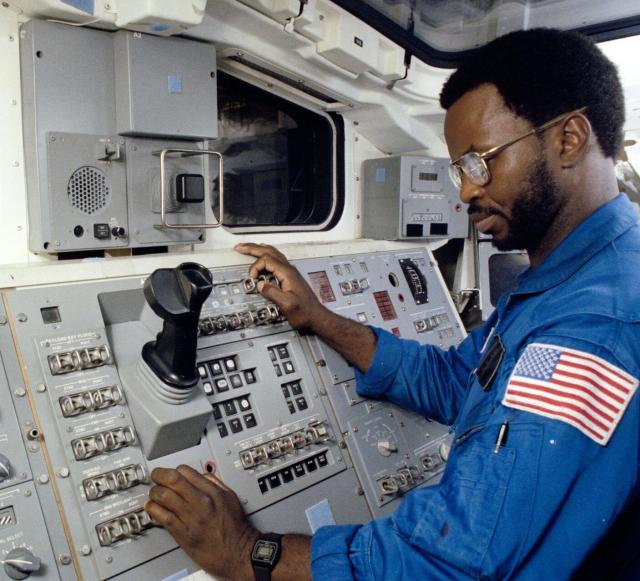
After @MIT, Dr. Ron McNair's research included electro-optic laser modulation for satellite-to-satellite space communications, and led him to apply to be a NASA astronaut.
Ron McNair is seen here training for his first mission, STS-41B (launched #OTD in 1984). #BlackHistoryMonth
#NASAhistory
Designed to make you NOT wanna 🤮
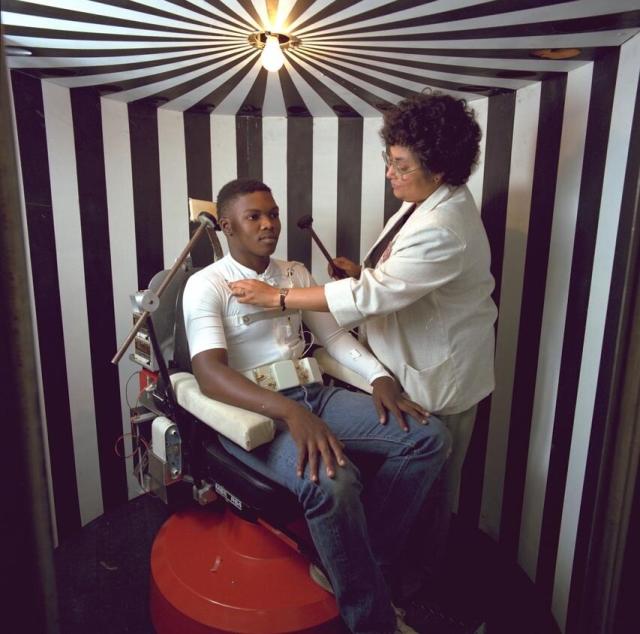
Psychophysiologist Dr. Patricia Cowlings designed a methodology to help astronauts control symptoms of motion sickness in space. She is shown here conducting a training exercise experiment in 1986. #ArchivesHashtagParty #ArchivesBlackDesign
#NASAhistory
#NASAhistory

Patricia Cowings: Using Science to Conquer Space Sickness
Patricia Cowings investigated the psycho-physiological and biological problems experienced by astronauts in space in the early 1980s.Yvette Smith (NASA)
#NASAhistory
A History of Near-Earth Objects Research
Often seen as the solar system's rubble, asteroids and comets were largely ignored in the 20th century until recently. Increasingly, they have been seen by scientists as objects worthy of study, by the general public and the U.S.Michele Ostovar (NASA)
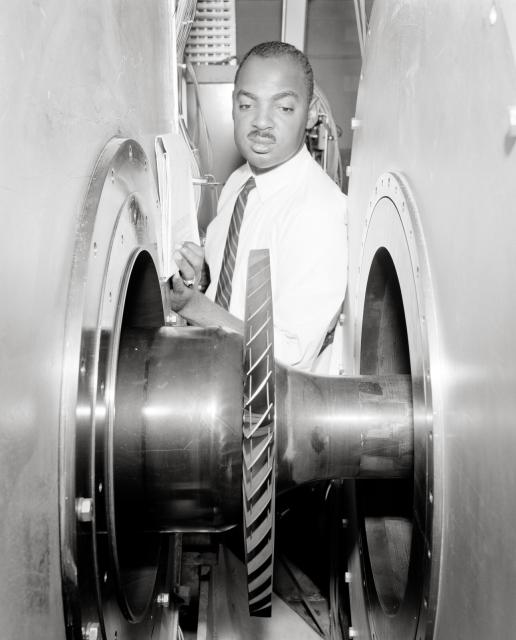
Lonnie Reid joined NASA in 1961 as an aeronautics research engineer and became nationally recognized in turbomachinery for his knowledge of flow in advanced aerospace propulsion systems.
More on Dr. Reid's 32-year career at @NASAglenn: go.nasa.gov/3HRWEvn
#BlackHistoryMonth
#NASAhistory
Dr. Lonnie Reid - Glenn Research Center | NASA
Biography Lonnie Reid is nationally recognized in turbomachinery for his knowledge of internal flow in advanced aerospace propulsion systems. He has aNASA Glenn Research Center
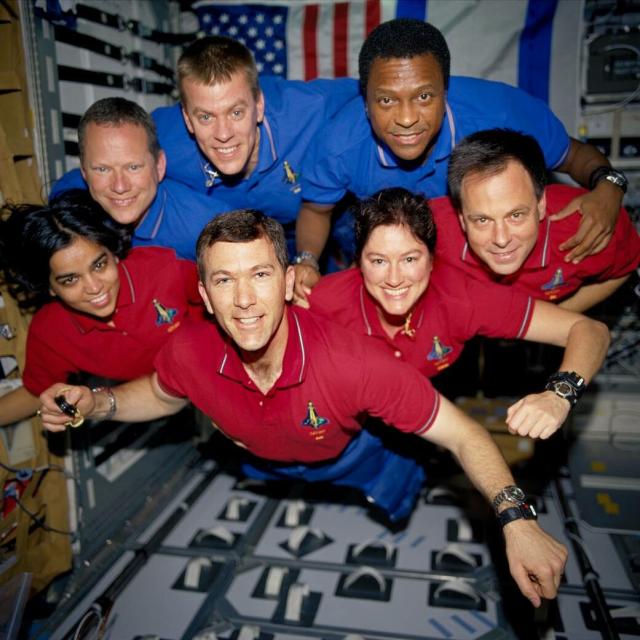
#NASARemembers: 20 years ago #OTD, Feb 1, 2003, at 8:59am ET, space shuttle Columbia broke up on reentry. The entire crew perished.
Rick Husband
Willie McCool
Michael Anderson
Kalpana Chawla
David Brown
Laurel Clark
Ilan Ramon
We will never forget. go.nasa.gov/3YezowF
#NASAhistory
20 Years Ago: Remembering Columbia and Her Crew
The year 2003 was shaping up to be an ambitious one for NASA, with six space shuttle missions planned, five to continue construction of the ever-growing and permanently occupied International Space Station.Kelli Mars (NASA)
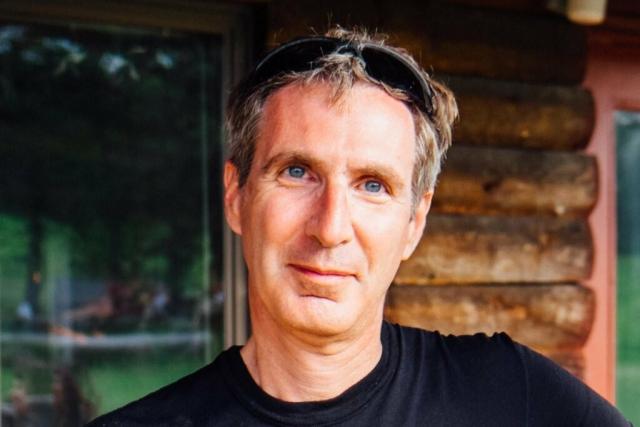
Congratulations to our very own Erik Conway, historian at @NASAJPL, on being named an honorary fellow by the American Association for the Advancement of Science in the Section of History and Philosophy of Science. We couldn't be prouder!
Learn more: 🏆 go.nasa.gov/3JrgtL7
#NASAhistory
NASA Scientists & Historian Named AAAS 2022 Fellows
NASA-JPL historian Erik Conway is among those with NASA affiliations named as fellows by the American Association for the Advancement of Science.NASA Jet Propulsion Laboratory (JPL)
A few months after the USSR launched Sputnik, the US's first satellite, Explorer 1, was launched into space #OTD in 1958. Explorer 1 measured the radiation environment in Earth orbit, leading to the discovery of the Van Allen Belts.
Watch the news reel: archive.org/details/1958-02-03…
#NASAhistory
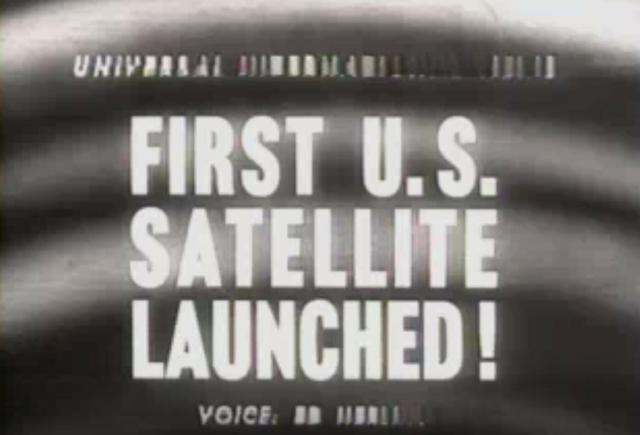
First U.S. Satellite Launched! 1958/02/03 : Free Download, Borrow, and Streaming : Internet Archive
(1) Cape Canaveral launch of 30-pound Explorer satellite by 3-stage Redstone missile, press conference with von Braun and Van Allen with model, night time...Internet Archive
#NASAhistory
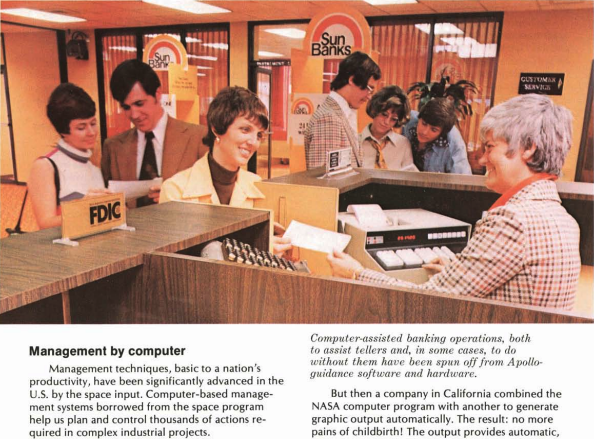
Not just cell phone cameras and memory foam mattresses
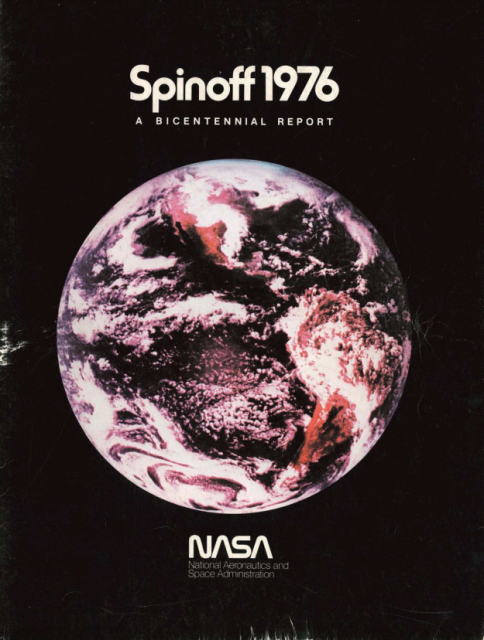
Since 1976, NASA has profiled the technologies that have benefited from NASA investment and expertise in an annual publication called Spinoff.
Check out the newest edition of Spinoff released today! go.nasa.gov/3HHGhRD
#NASAhistory
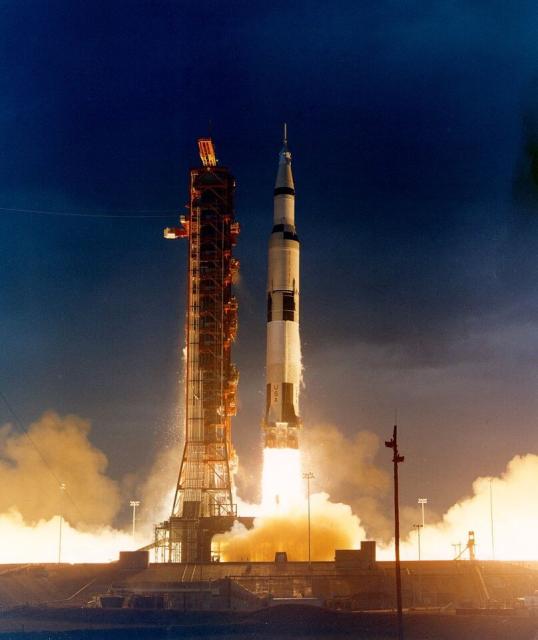
Apollo 14 lifted off from Pad 39A at @NASAKennedy at 4:03 pm ET #OTD in 1971. Commander Alan Shepard returned to space with Command Module Pilot Stu Roosa and Lunar Module Pilot Ed Mitchell.
Read more about the launch: go.nasa.gov/3WOFR0c
#NASAhistory
One of the original Mercury 7 selected in 1959 but sidelined due to a heart condition, Deke Slayton was named for the primary crew for the Apollo-Soyuz Test Project along with Tom Stafford, and Vance Brand #50YearsAgo today.
More: go.nasa.gov/3HjMge7
#NASAhistory
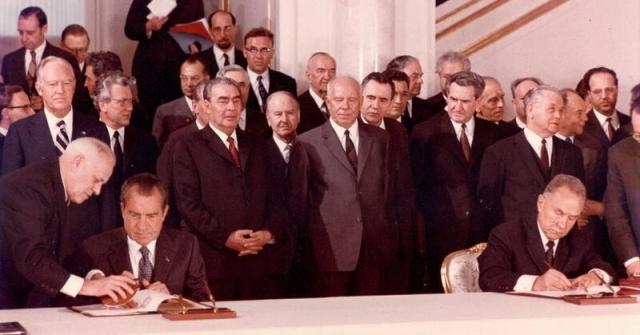
50 Years Ago: NASA Names U.S. Crew for the Apollo-Soyuz Test Project
On Jan. 30, 1973, NASA formally announced the American crew for the Apollo-Soyuz Test Project (ASTP), the first joint human spaceflight between the United States and the Soviet Union, planned for July 1975.Kelli Mars (NASA)
From 1979 to Jan. 1983, 2 remotely piloted, experimental Highly Maneuverable Aircraft Technology (HiMAT) vehicles were used at what is now @NASAArmstrong, to develop high-performance fighter technologies.
Each aircraft was about 1/2 the size of an F-16: go.nasa.gov/3RpEEeZ
#NASAhistory
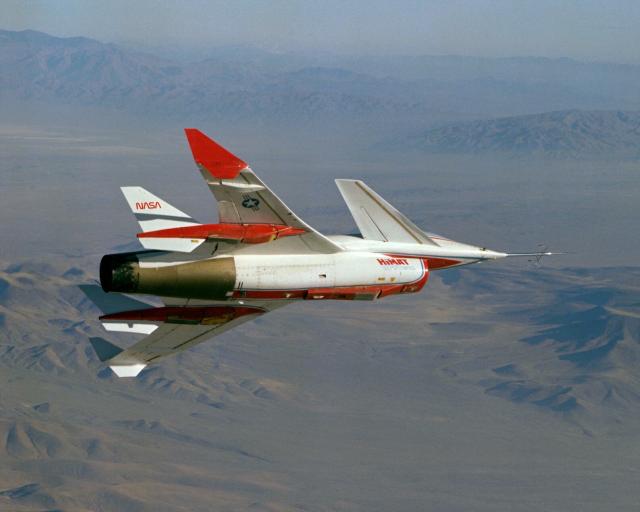
NASA Armstrong Fact Sheet: Highly Maneuverable Aircraft Technology
Two remotely piloted, experimental Highly Maneuverable Aircraft Technology (HiMAT) vehicles were used at the NASA Dryden Flight Research Center at Edwards, CA, to develop high-performance fighter technologies.NASA
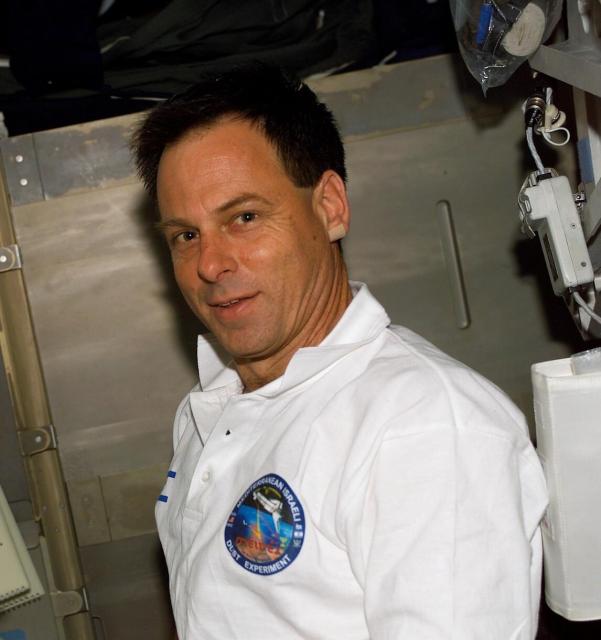
"The world looks marvelous from up here, so peaceful, so wonderful and so fragile."
These are the words of Ilan Ramon, the first Israeli astronaut, and one of the 7 astronauts to fly on Columbia 20 years ago for STS-107. #NASARemembers
#NASAhistory
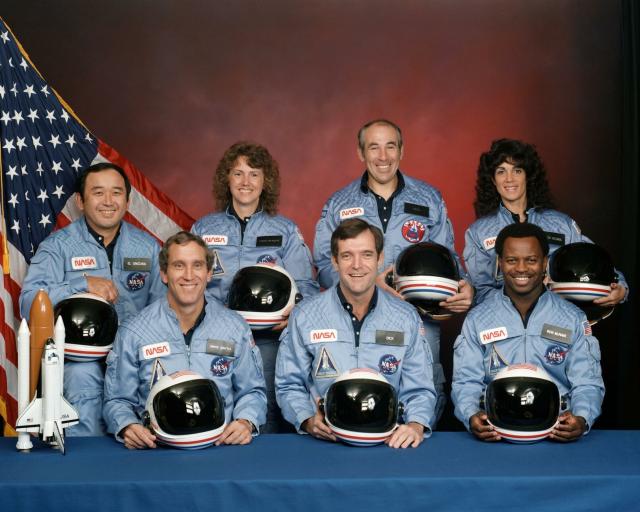
#OTD in 1986, as the crew of Space Shuttle Challenger (STS-51L) perished when the vehicle exploded shortly after liftoff.
They were Michael Smith, Dick Scobee, Ronald McNair, Ellison Onizuka, Christa McAuliffe, Greg Jarvis, and Judy Resnik. #NASARemembers
#NASAhistory
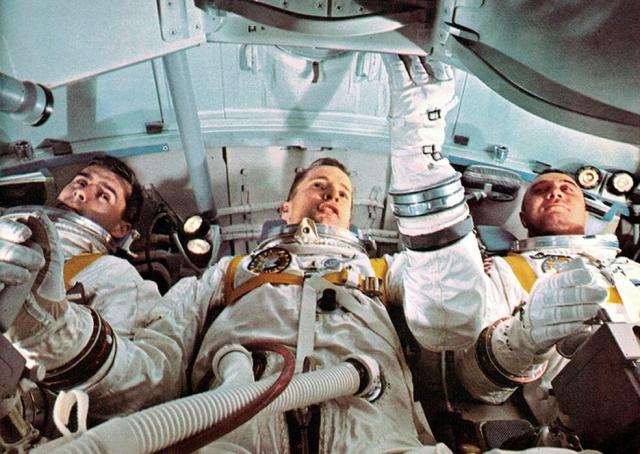
A spark, a pure oxygen environment, design flaws in the hatch door…
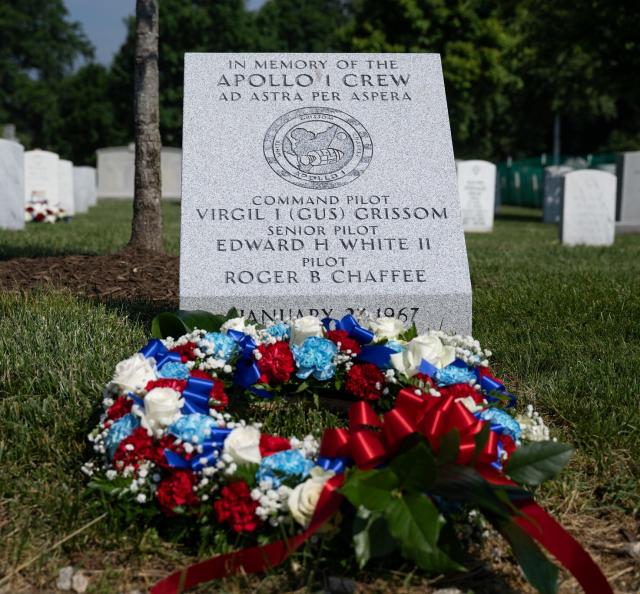
Roger Chaffee, Ed White, and Gus Grissom were tragically killed on Jan. 27, 1967, when a fire erupted inside the Apollo command module during a preflight rehearsal test. #NASARemembers
go.nasa.gov/3D75hPN
#NASAhistory
Remembering Apollo 1
NASA.gov brings you the latest images, videos and news from America's space agency. Get the latest updates on NASA missions, watch NASA TV live, and learn about our quest to reveal the unknown and benefit all humankind.NASA
Today we pay tribute to the crews of Apollo 1, Challenger (STS-51L), Columbia (STS-107), and other members of our NASA family that have lost their lives while advancing our mission of exploration, innovation, and discovery. #NASARemembers
More: go.nasa.gov/3wnjZ1n
#NASAhistory
NASA Day of Remembrance
Day of Remembrance: Remembering NASA's Heroes, #NASARemembers Each January NASA pauses to honor members of the NASA family who lost their lives while furthering the cause of exploration and discovery, including the crews of Apollo 1 and space shuttle…NASA
#NASAhistory
Cheers erupted on Jan. 24, 2004 (Jan. 25 GMT) as the Opportunity rover successfully landed on Mars. Designed for a 90-day mission, little did we know that it was the beginning of a 14+ year expedition across 28 miles (45 km).
Learn about Oppy's findings: go.nasa.gov/3HsZs1B
#NASAhistory


Mars Exploration Rovers - NASA
Mars Exploration Rovers Spirit and Opportunity exploring the planet mars - facts, information, videos and picturesgo.nasa.gov
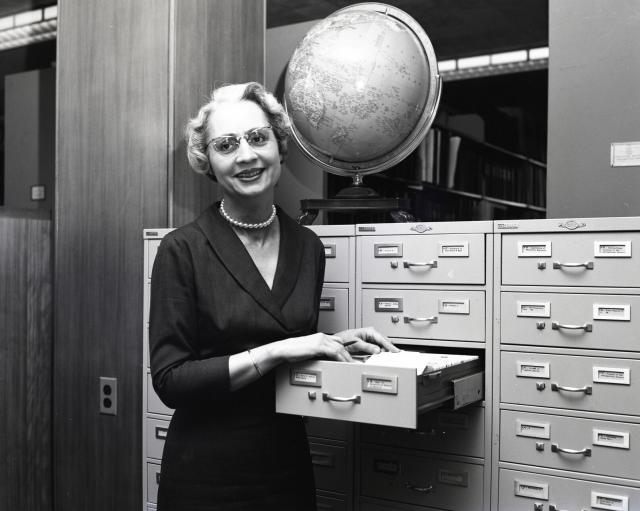
It wasn't just astronauts, engineers, scientists, and pilots who contributed to NASA's history
This one goes out to the #librarians who aided in aerospace research! @ALALibrary
More about the 80-year role of the @NASAglenn library: go.nasa.gov/3J6WkK6
#NASAhistory
NASA Glenn Library has Supported Researchers for 80 Years
From World War II through the Space Age, the NASA Glenn Library has been connecting researchers to vital information for 80 years.Kelly Sands (NASA)