Search
Items tagged with: NASAhistory

"Willie was incredibly humble, with exceptional talents" –Kent Rominger, Astronaut Office Chief
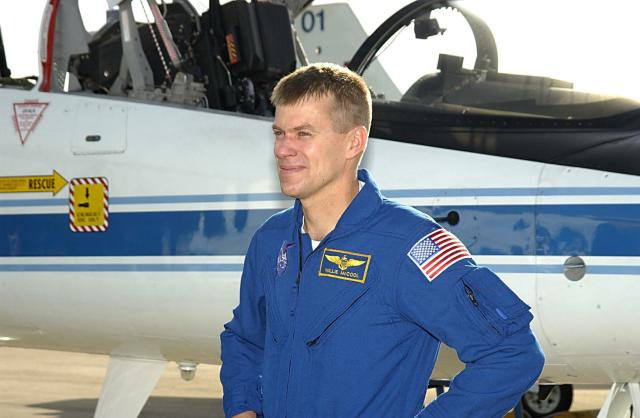
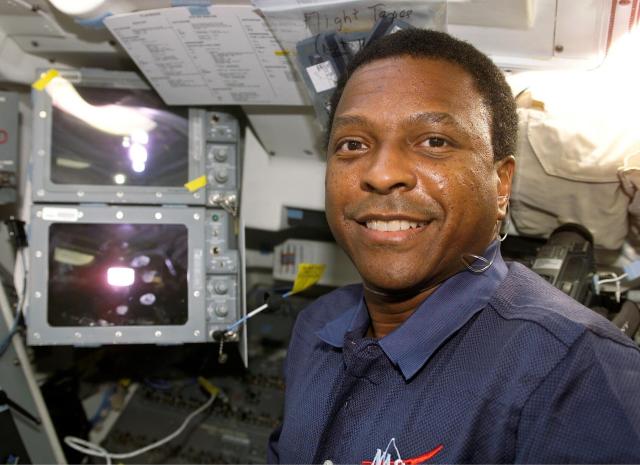
20 years ago Willie McCool, a distinguished naval officer & test pilot, was serving as the pilot for the ill-fated Columbia (STS-107) on his 1st mission to space. #RIP #NASARemembers
#NASAhistory

#NASAhistory
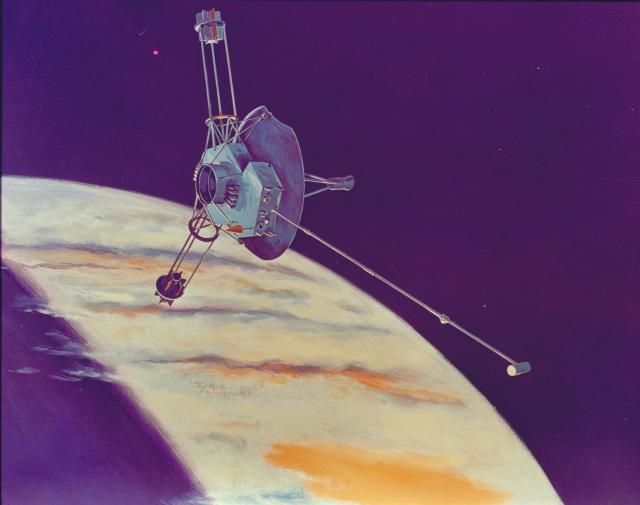
Pioneer 10 Sends Last Signal
After more than 30 years, it appears the venerable Pioneer 10 spacecraft has sent its last signal to Earth. Pioneer's last, very weak signal was received on 23 January 2003.NASA Solar System Exploration
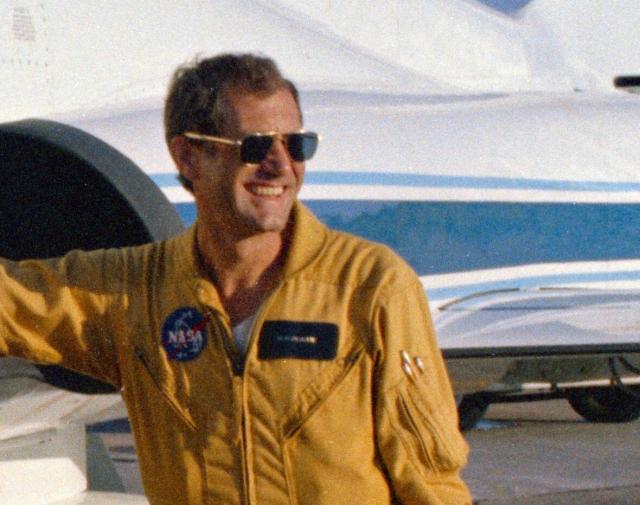
Remembering astronaut Bill Pogue on his #birthday today. As the pilot of the Skylab IV crew, he spent 84 days in space in 1973-1974, a new record at the time!
Read this Oklahoma native's oral history interview about his time in the Air Force and at NASA: go.nasa.gov/3Hhwpy4
#NASAhistory
Space, meet the Lunar Module!
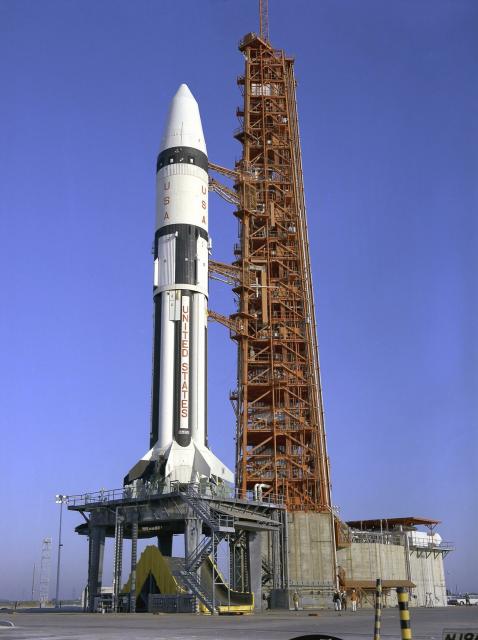
The uncrewed Apollo 5 mission was launched on the Saturn IB SA-204 rocket #OTD in 1968 with the primary objective of testing the Apollo Lunar Module's ascent and descent propulsion systems while in Earth's orbit.
#NASAhistory
#NASAhistory
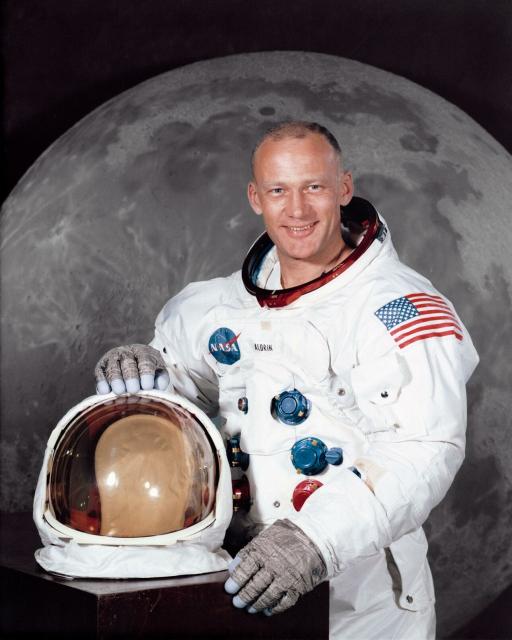
A very #HappyBirthday to the inimitable Buzz Aldrin!
@TheRealBuzz is best known for his flights on Gemini XII and Apollo 11 and being one of the first astronauts to step foot on the Moon! Best wishes on your special day!
#NASAhistory
#NASAhistory
Ready for your close-up, Pluto!
#OTD in 2006, NASA launched the first spacecraft to take a close look at the edges of our solar system: New Horizons! We got our first detailed views of Pluto and its moons 9 years later in 2015.
More on @NASANewHorizons: go.nasa.gov/3GO3MHg
#NASAhistory
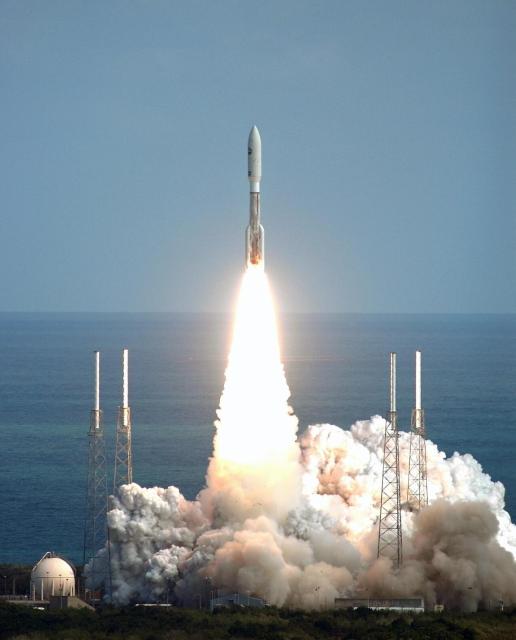
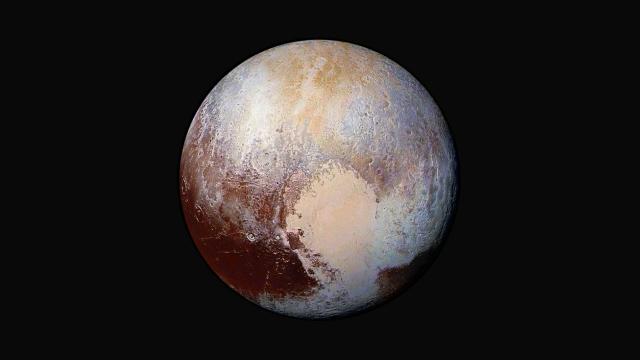
In Depth | New Horizons – NASA Solar System Exploration
New Horizons was the first spacecraft to explore Pluto and its five moons up close and, later, made the first close exploration of a Kuiper Belt Object.NASA Solar System Exploration
#NASAhistory
#NASAhistory
That's how we roll
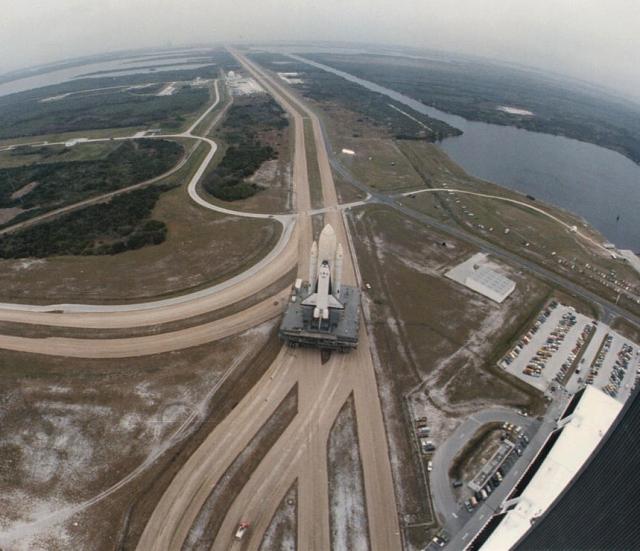
Space Shuttle Discovery rolled out to the launch pad #OTD in 1997, in preparation for STS-82, the second Hubble Servicing mission.
#tuesdayvibe #morning
#NASAhistory
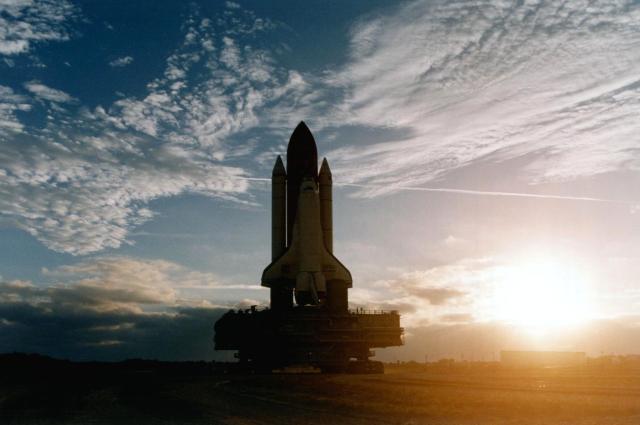
#20YearsAgo today Space Shuttle Columbia launched on mission STS-107 with Rick Husband, Willie McCool, Michael Anderson, Kalpana Chawla, David Brown, Laurel Clark, and Ilan Ramon on board.
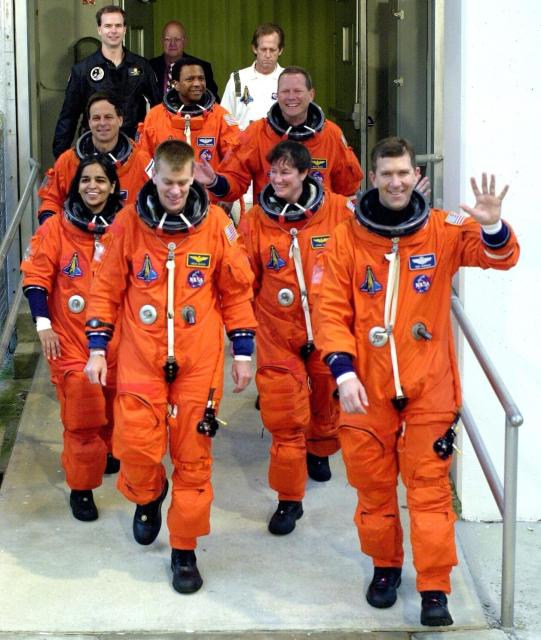
NASA announced its 8th group of astronauts #OTD in 1978, including 15 Shuttle pilot and 20 mission-specialist candidates. The group, dubbed the "Thirty-Five New Guys" was the 1st to include minorities and the 1st new astronaut group since 1969.
More: go.nasa.gov/3GG5PgA
#NASAhistory
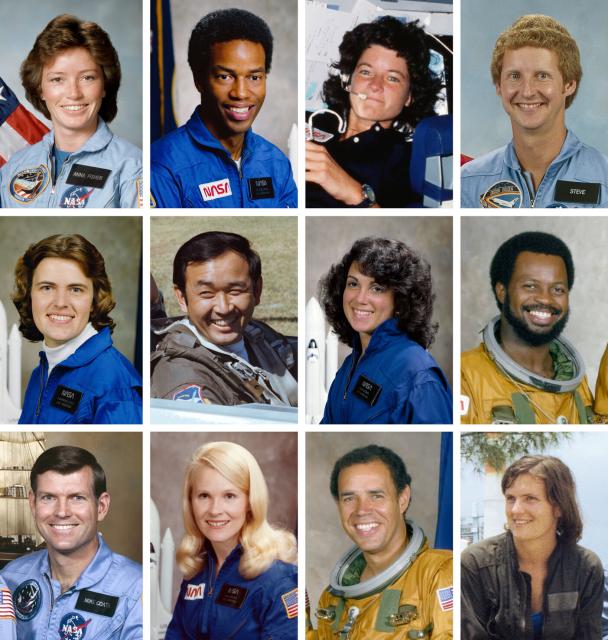
45 Years Ago: NASA Selects 35 New Astronauts
On Jan. 16, 1978, NASA announced the selection of 35 new astronauts, the first time in more than eight years that the agency had admitted new astronauts.Kelli Mars (NASA)
A sample-return mission that led to big discoveries! ☄️
#OTD in 2006, the Stardust spacecraft returned samples of Comet Wild 2 to the Earth for study. Stardust, launched in 1999, was the first NASA mission dedicated to studying comets.
#NASAhistory
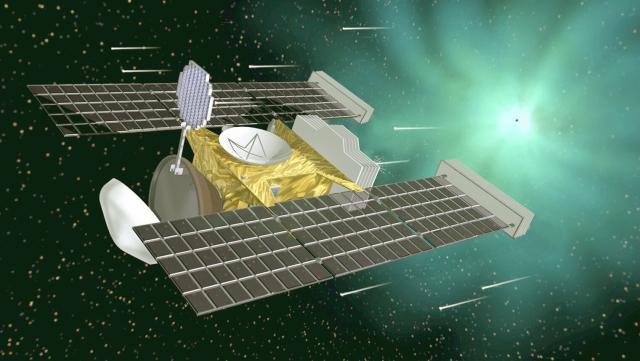
Stardust was also the first robotic mission to return a sample of extraterrestrial material from beyond lunar orbit. The returned sample yielded a scientific bonanza…
📷 Stardust's sample return capsule landed in Utah with cometary and interstellar particles
#NASAhistory
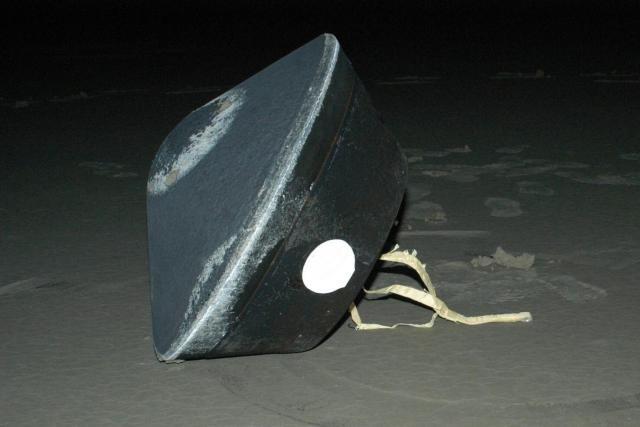
Scientists were intrigued by what the particles indicated about the origins of comet materials, and also found the amino acid glycine in the particles, a fundamental building block of life on Earth!
Read the details of their findings: go.nasa.gov/3ZxUQOW
#NASAhistory
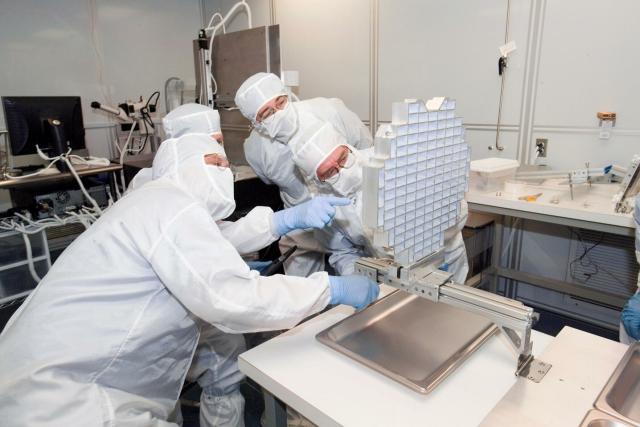
Bonus round!
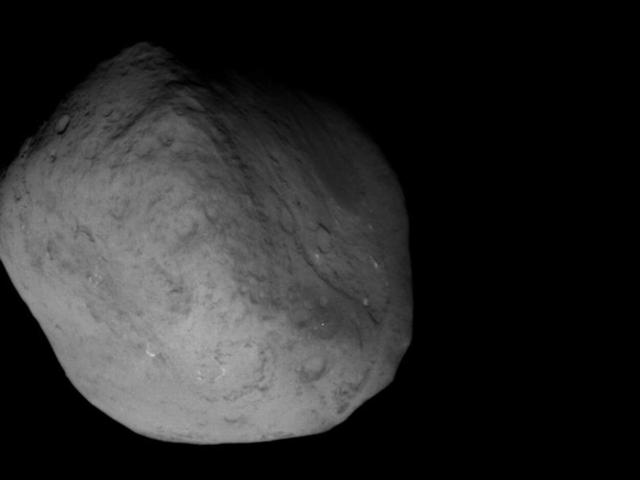
After the sample return capsule returned to Earth, the Stardust spacecraft was approved to perform a SECOND mission, called Stardust NExT, to fly by Comet Tempel 1!
Learn more about Stardust and Stardust NExT: go.nasa.gov/3Zr9S8W
#NASAhistory
In Depth | Stardust – NASA Solar System Exploration
Stardust was the first spacecraft to return samples from a comet to Earth.NASA Solar System Exploration
A very happy 80th #birthday to space flight legend Dr. Shannon Lucid! 🥳
Selected with the 1st class of @NASA_Astronauts to include women in 1978, Lucid flew to space 5 times and held the record for most time spent in space by an American and by a woman from 1996 to June 2007.
#NASAhistory
Launched #20YearsAgo today, ICESat's laser altimeters measured the thickness of the Antarctica and Greenland ice sheets for 7 years. Its measurements, along with ICESat-2's, showed that from 2003–2019, Greenland lost ~200 gigatons of ice per year.
More: go.nasa.gov/3IDlG21
#NASAhistory
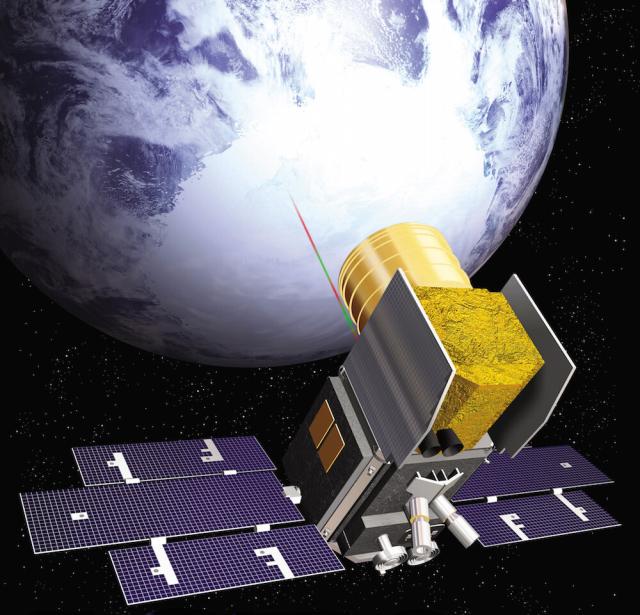
Earth's Cryosphere Is Vital for Everyone. Here's How NASA Keeps Track of Its Changes.
Due to ice's important role in the Earth system, NASA is committed to studying it extensively.NASA Sea Level Change Portal
#NASAhistory
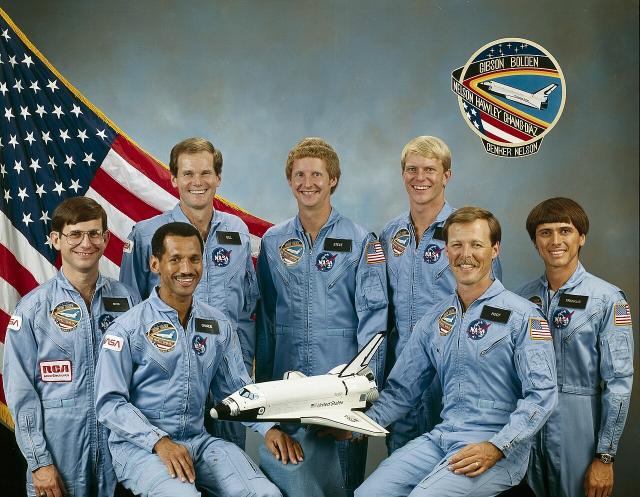
In addition to their official crew photo, the STS-61C crew took a second photo wearing their helmets as a gag.
Standing, L–R: Bob Cenker, Bill Nelson, Steven Hawley, George Nelson, and Franklin Chang-Diaz. Seated: Charlie Bolden and Hoot Gibson
#NASAhistory

#NASAhistory
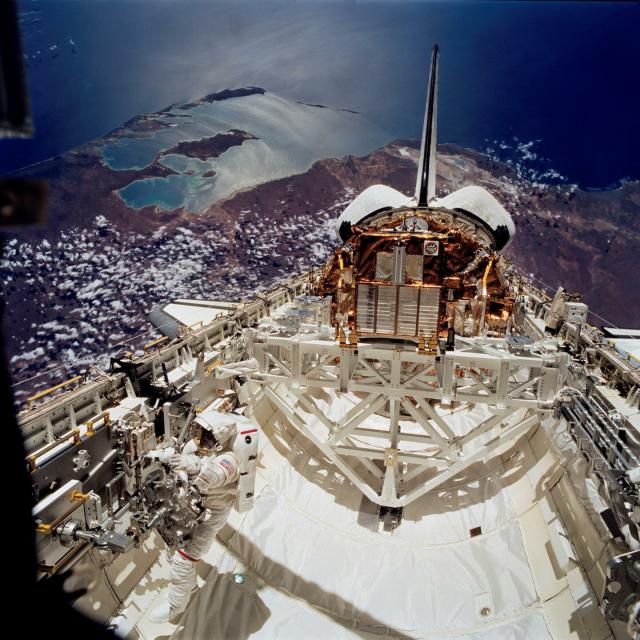
Let's see how nauseous you get 😵
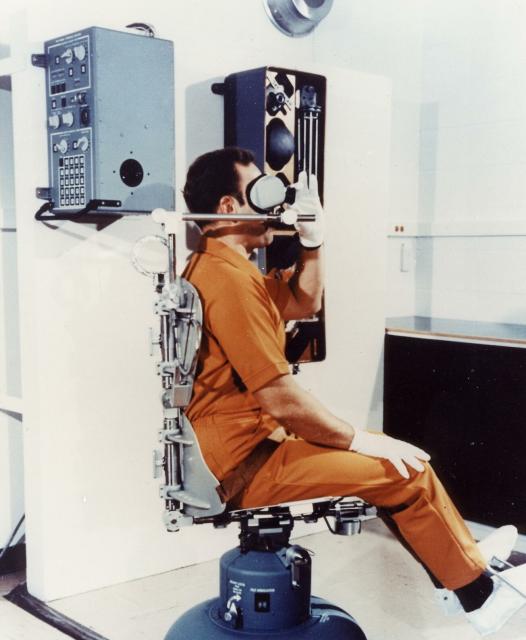
The Human Vestibular Function experiment used a spinning chair to test Skylab astronauts' susceptibility to motion sickness, before, during, and after their time in space. #50YearsAgo
More on Skylab medical experiments: go.nasa.gov/3k4jtCz
#NASAhistory
#OTD in 1969, @nasa announced the crew for Apollo 11, the first mission that would land humans on the Moon. Buzz Aldrin, Neil Armstrong, and Michael Collins were to make the trip… if all went well on Apollo 9 & 10.
Who was on the backup crew? Hint: go.nasa.gov/3Qfn4tq
#NASAhistory
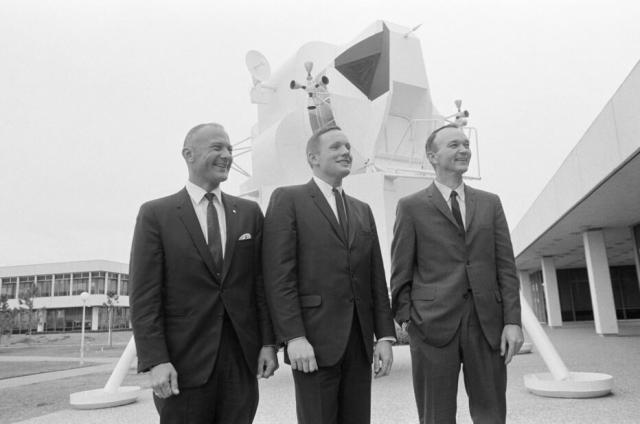
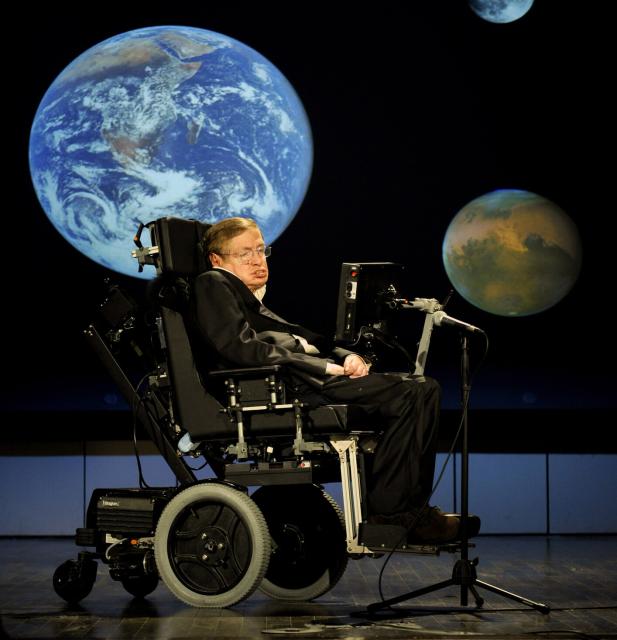
"Remember to look up at the stars and not down at your feet"
#HappyBirthday to the late cosmologist Stephen Hawking. Changing our view of the universe with his theories and outreach, Hawking was also an avid advocate for continued space exploration.
📷 Hawking at NASA in 2008
#NASAhistory
How did NASA prepare for landing humans on the Moon in 1969? By sending the Surveyor landers to check out the surface and practice soft landings!
Surveyor 7, the last of the series to fly, launched to the Moon #OTD in 1968 and returned 21,274 pictures! go.nasa.gov/3ZelFHF
#NASAhistory
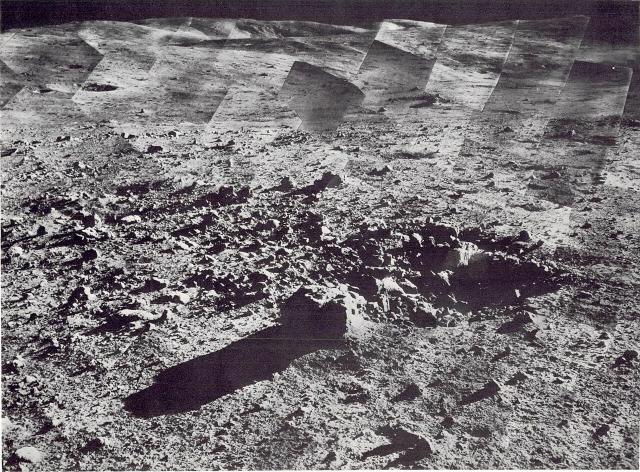
50 years ago: Surveyor 7 Launches
. Surveyor 7, the seventh and last in the series, launched January 7, 1968, from Cape Canaveral on an Atlas-Centaur rocket and landed successfully on the Moon three days later.NASA
#NASAhistory
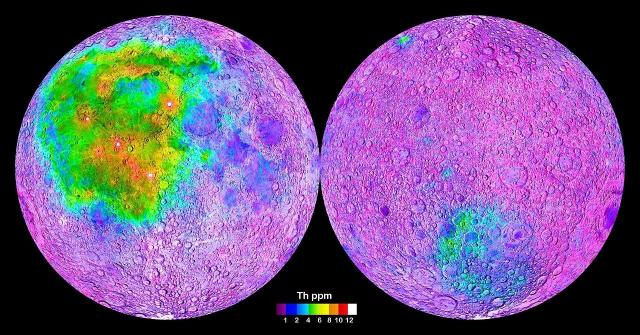
More about the mission: go.nasa.gov/3Z93oLB
#NASAhistory
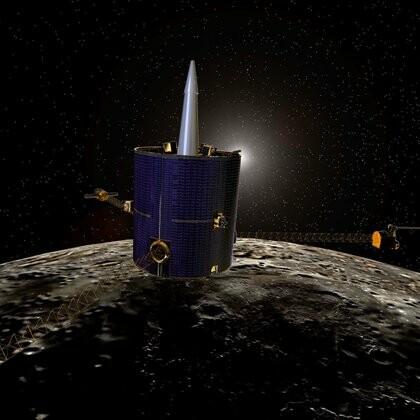
In Depth | Lunar Prospector – NASA Solar System Exploration
NASA’s real-time science encyclopedia of deep space exploration. Our scientists and far-ranging robots explore the wild frontiers of our solar system.NASA Solar System Exploration
#NASAhistory
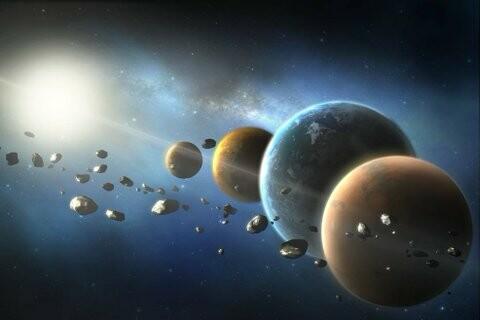
Call for Papers for Discovery@30, New Frontiers@20 Symposium
The NASA History Office and the Smithsonian’s National Air and Space Museum invite proposals for papers to be presented at a two-day symposium in November 2023, in Washington, DC.Michele Ostovar (NASA)
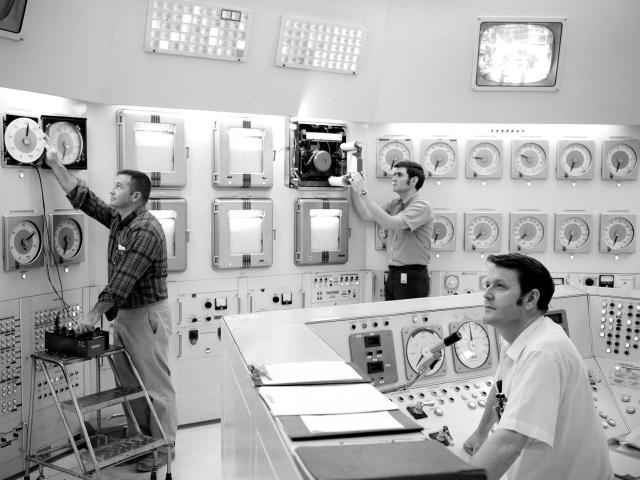
50 years ago today, @nasa closed its Plum Brook Reactor Facility in Sandusky, OH. Beginning operation in 1961, the reactor was NASA's primary facility for space-related nuclear energy R&D.
Read about the Apollo 17 crew's visit to the facility #OTD in 1973 go.nasa.gov/3X6Ckep
#NASAhistory
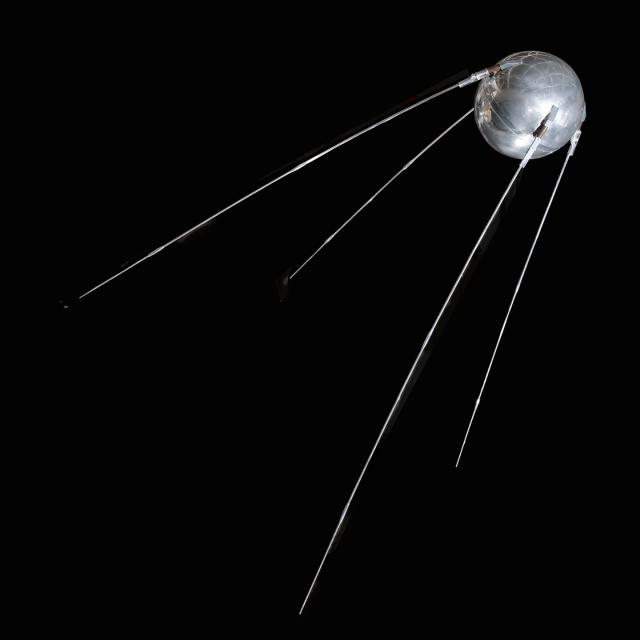
65 years ago today on Jan. 4, 1958, the first Sputnik mission came to an end as humankind's first artificial satellite fell back to Earth. Check out our resources on Sputnik and the start of the Space Race: go.nasa.gov/3GgKNVo
📷 @airandspace
#NASAhistory
#NASAhistory

Walter Cunningham
NASA brings you images, videos and features from the unique perspective of America's space agency. Get updates on missions, watch NASA TV, read blogs, view the latest discoveries, and more.NASA
#NASAhistory
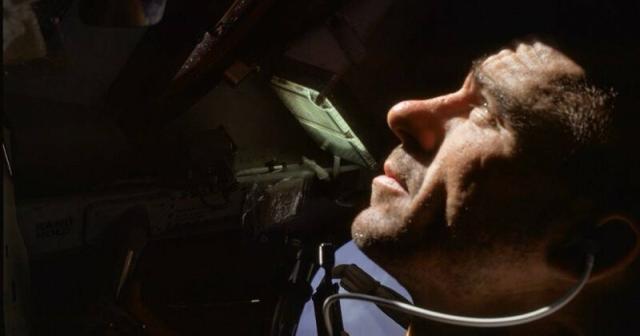
Apollo Astronaut Walter Cunningham Dies at 90
Former astronaut Walter Cunningham, who flew into space on Apollo 7, the first flight with crew in NASA’s Apollo Program, died early Tuesday morning in Houston. He was 90 years old.Roxana Bardan (NASA)
The first successful planetary science mission in history!
60 years ago today, the Mariner 2 mission ended after its Venus flyby when contact with the spacecraft was lost when it was 86.7 million km (53.9 million mi) from Earth, a new distance record. go.nasa.gov/3GB5kW9
#NASAhistory

In Depth | Mariner 02 – NASA Solar System Exploration
Mariner 2 was the first successful mission to another planet (Venus).NASA Solar System Exploration
"Decades ago we science fiction writers foresaw a great many things about space travel, but two things we did not foresee."
Isaac Asimov, born #OTD in 1920, wrote this in a 1985 NASA book about science and society. Find out what was overlooked (p. 59): go.nasa.gov/3Wbx1KC
#NASAhistory
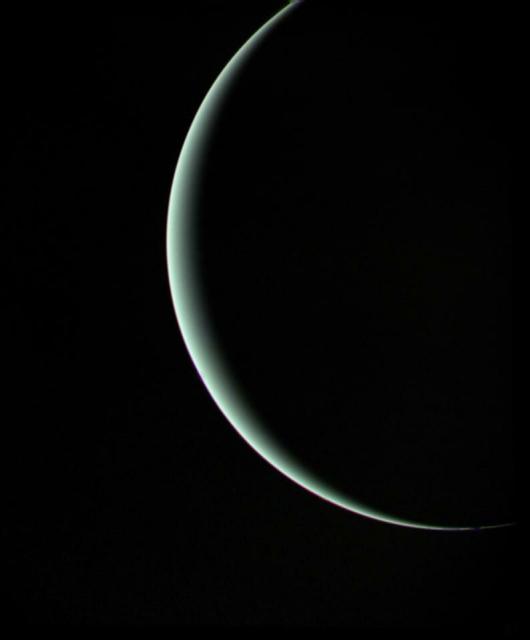
Wishing you a #HappyNewYear filled with discovery!
Our solar system's own proto-snowman and the most distant object explored by a spacecraft, Arrokoth, had a visitor #OTD in 2019 when the New Horizons probe flew by, taking this photo. More about Arrokoth: go.nasa.gov/3hB2RBh
#NASAhistory
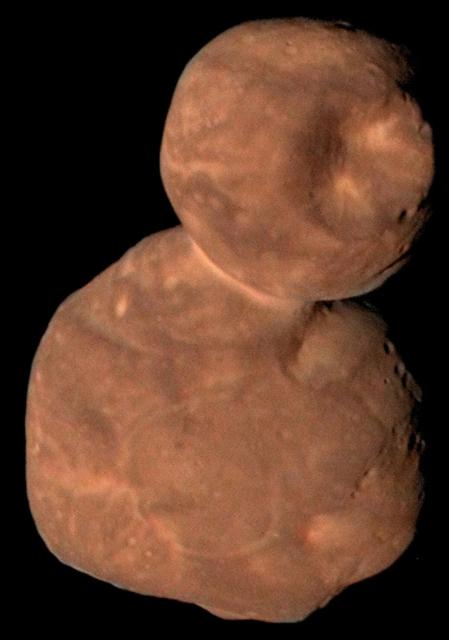
Overview | Arrokoth (2014 MU69) – NASA Solar System Exploration
Circling the Sun in a distant region of icy, rocky bodies called the Kuiper Belt, Arrokoth may represent the building blocks of Pluto and other planet-like worlds beyond Neptune.NASA Solar System Exploration
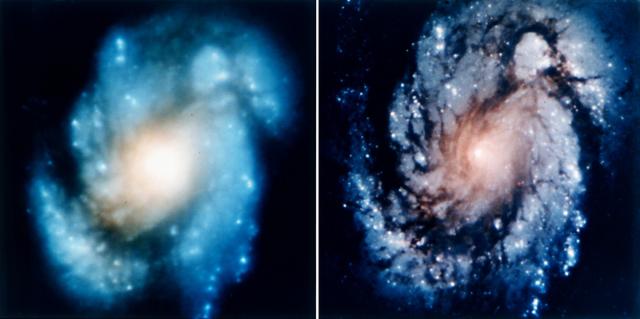
Hubble redeemed!
Following the first Hubble servicing mission earlier in December, galaxy M100 was imaged with the new WFPC-2 camera #OTD in 1993, showing that the defect in @NASAHubble's mirror had been corrected.
#NASAhistory
#NASAhistory
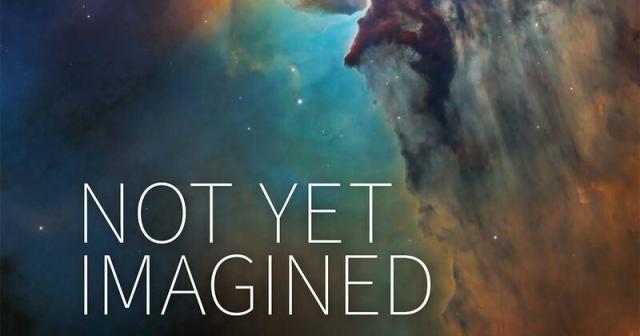
Not Yet Imagined
Not Yet Imagined documents the history of the Hubble Space Telescope from its launch through its first 30 years of operation in space.Michele Ostovar (NASA)
Rocketry pioneer Dr. Robert Goddard conducted the first rocket test flight at his Roswell, New Mexico laboratory #OTD in 1930. His liquid fuel rocket launched to a height of 610 m (2,000 ft).
Learn more about Robert Goddard: go.nasa.gov/3W8k04h
#NASAhistory
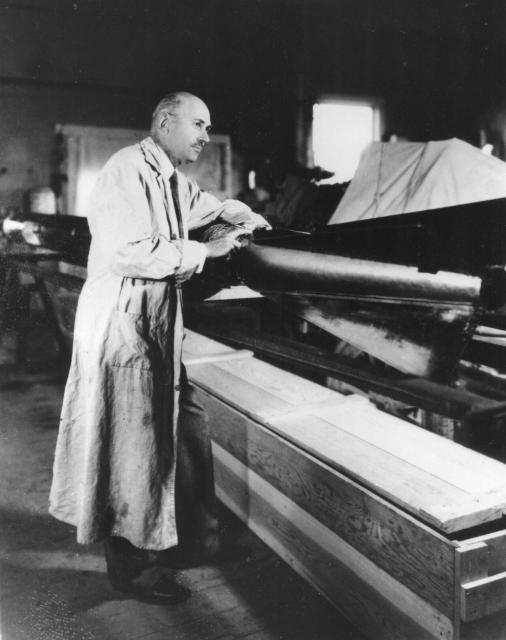
Dr. Robert H. Goddard, American Rocketry Pioneer
NASA.gov brings you the latest images, videos and news from America's space agency. Get the latest updates on NASA missions, watch NASA TV live, and learn about our quest to reveal the unknown and benefit all humankind.NASA
The first ever rollout of a Space Shuttle to the @NASAKennedy launchpad happened #OTD in 1980. Columbia would go on to make its first flight for STS-1 on April 12, 1981.
More: go.nasa.gov/3PByck3
#NASAhistory