Search
Items tagged with: NASA

Time to shine. 💫
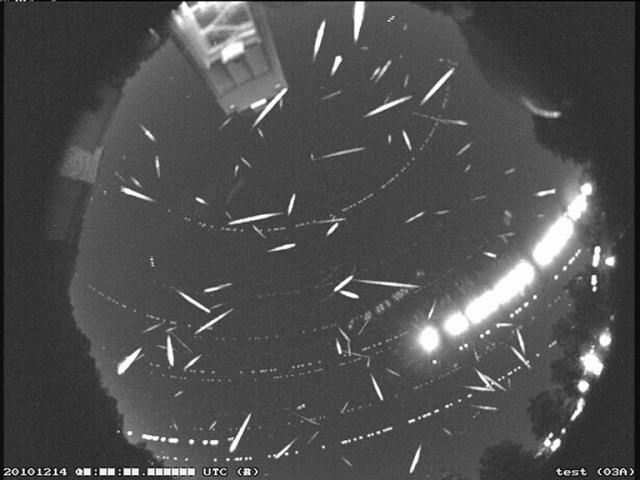
Don’t miss the annual Geminids meteor shower, peaking between Dec. 13-14. A waning gibbous moon will make it harder to view most of the shower, but the Geminids burn so bright, up to 30-40 should be visible per hour! go.nasa.gov/3FLOAuW
#NASA

NASA scientists are at #AGU22 this week, discussing topics ranging from sea level change to exploring oceans on other worlds to the #Artemis I mission.
Follow @NASAExhibit for updates and discover when to tune in: go.nasa.gov/3UWJhwR
#NASA
NASA Television Upcoming Events
NASA.gov brings you the latest images, videos and news from America's space agency. Get the latest updates on NASA missions, watch NASA TV live, and learn about our quest to reveal the unknown and benefit all humankind.NASA
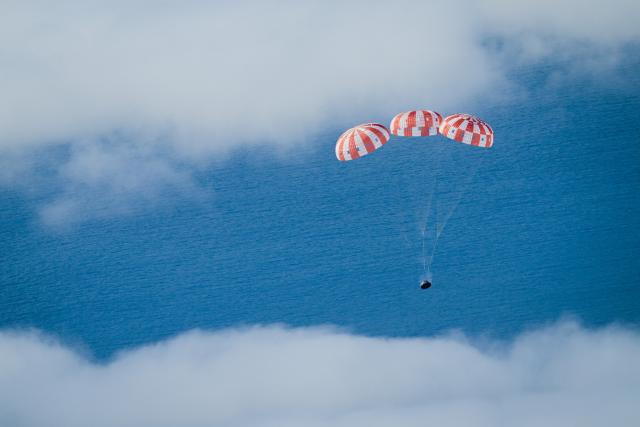
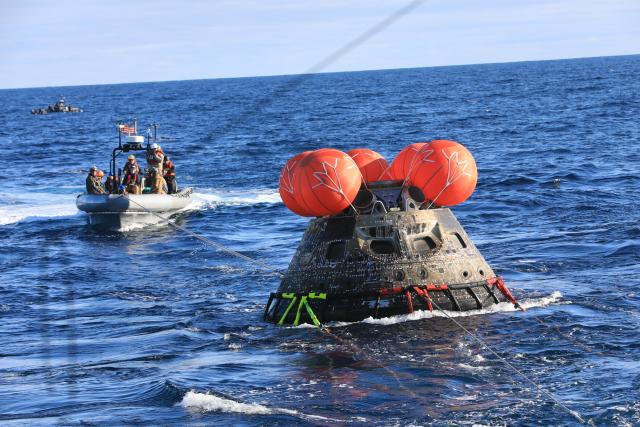
Did you miss @NASA_Orion splash down yesterday after its 1.4-million-mile (2.3-million-km) journey around the Moon and back again?
Check out our HD gallery of #Artemis I photos: flic.kr/s/aHBqjAfKs1
#NASA
We (myself included) have taken this for granted for 50 years. But … Damn, we built rockets, spaceships, protective suits, & all the comm/control systems to make it work, … and then sent people to the MOON! And back!
And we did all that with the primitive computing capabilities available back then … 🤦♂️
#Artemis I is safely back on Earth—so what's next for Artemis as we get ready to explore the Moon and Mars?
Our experts will answer your @NASAArtemis questions in a @reddit AMA tomorrow, Dec. 13, at 2pm ET (1900 UTC). Join us on /r/IAmA: teddit.pussthecat.org/r/IAmA
#NASA
.@NASA_Orion is back, and with it are our test manikins: Commander Moonikin Campos, Helga, and Zohar, who have been collecting data on what future #Artemis astronauts will experience during the flight.
Not to mention Snoopy, our zero-gravity indicator. nasa.gov/moonikin-comic
#NASA

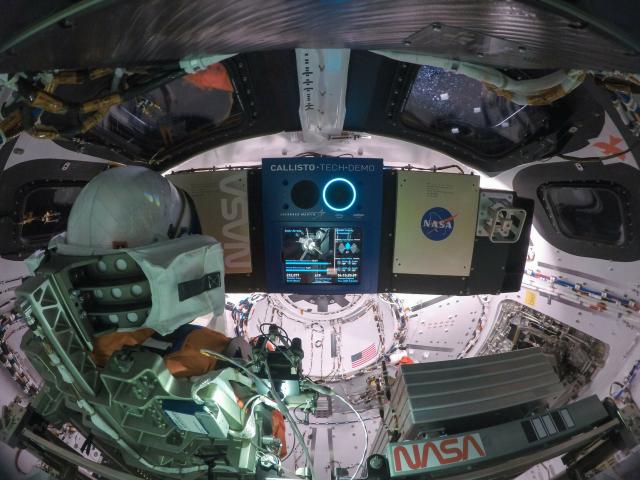
Among the Moonikins and experiments aboard @NASA_Orion are a few “Easter eggs” — from lasting tributes to colleagues, to nods to NASA’s Apollo history, and even puzzles with a hidden meaning.
Were you able to find them all? go.nasa.gov/3BlP9Je
#NASA
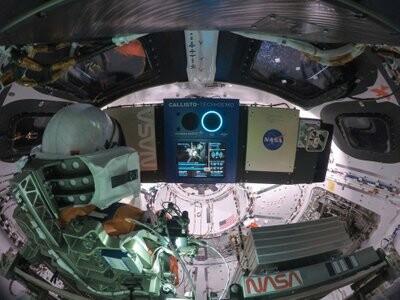
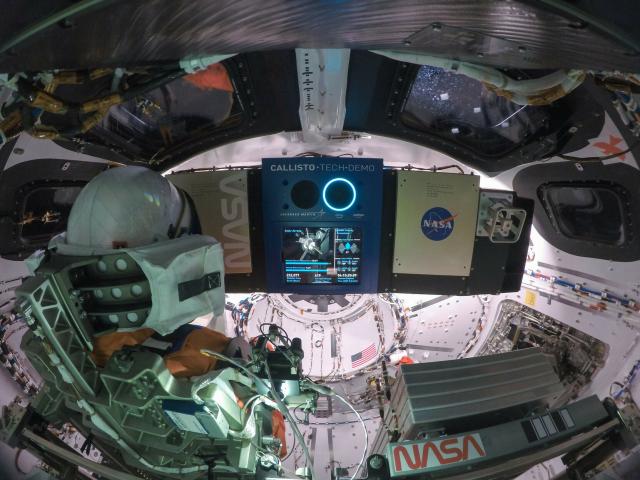
Hidden Messages Pay Tribute Inside NASA’s Artemis I Orion Spacecraft
There are several extras placed inside Orion’s cabin, from lasting tributes to colleagues, to nods to NASA’s Apollo history, and even puzzles with a hidden meaning, commonly known as “Easter eggs.”Erika Peters (NASA)
#NASA
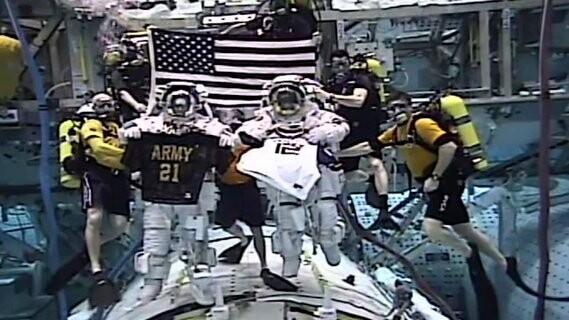
Astronauts give underwater shout-out for Army-Navy game
NASA astronauts Captain Suni Williams, Naval Academy Class of 1987 graduate, and Colonel Doug Wheelock, West Point Class of 1983 graduate, cheer on their tea...YouTube
Artemis I: Or, To the Moon and Back Again. 🚀
Live coverage of our @NASA_Orion spacecraft’s return to Earth will begin at 11am ET (1600 UTC) on Dec. 11, with splashdown in the Pacific Ocean near Guadalupe Island at 12:39pm ET (1739 UTC). Watch it live: youtu.be/xzZPzmMtQA8
#NASA
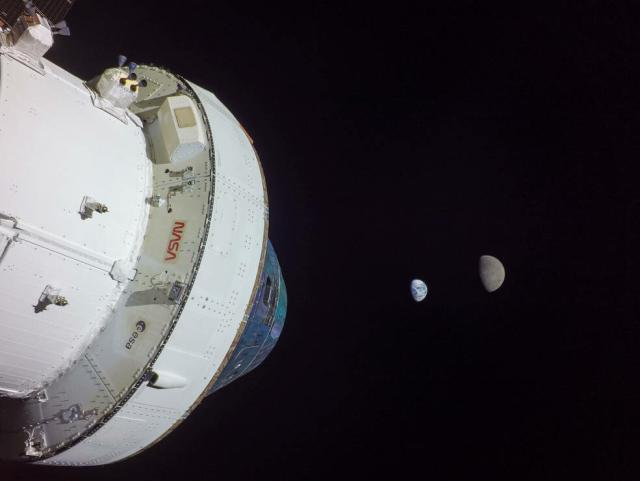
NASA’s Artemis I Mission Splashes Down in Pacific Ocean
On Dec. 11, the Artemis I mission will conclude with the entry, descent, and splashdown of the Orion spacecraft. After 25.5 days in space, and a 1.3-million-...YouTube
You can get with this, or you can get with that. 🔵🔴
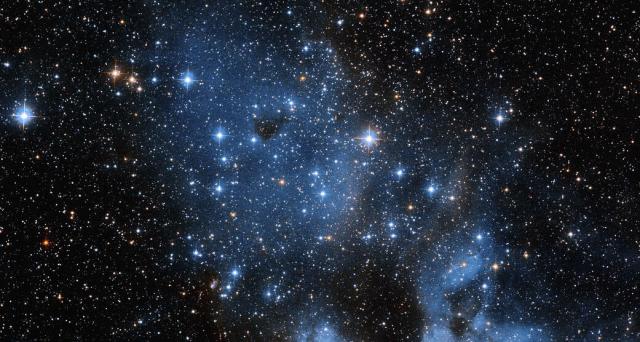
Astronomers analyzed data from @NASAHubble through two different filters to piece together how a type of star cluster not found in our Milky Way formed at an unusually young age. More on the findings: go.nasa.gov/3FGzqa4
#NASA
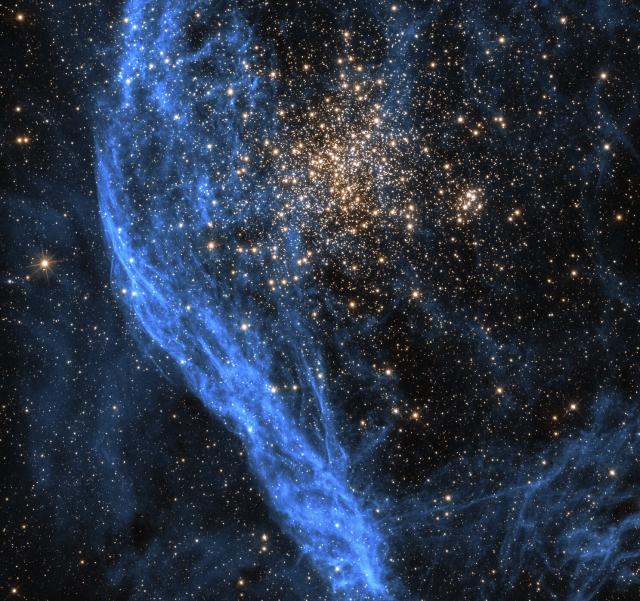
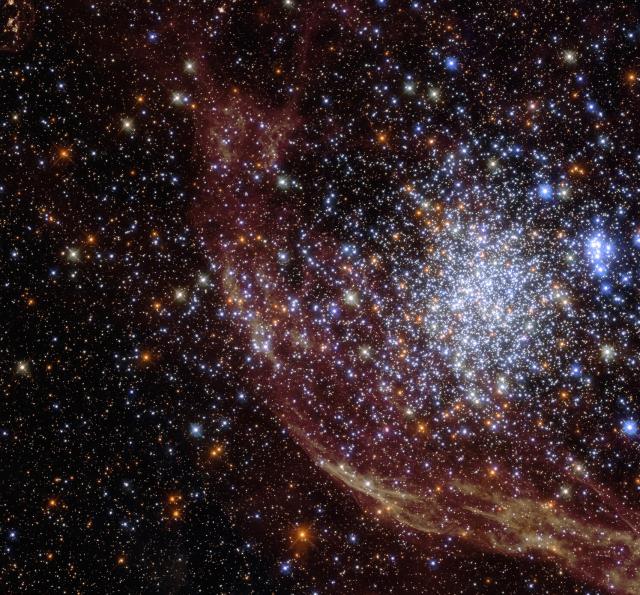
Hubble Captures Dual Views of an Unusual Star Cluster
While these two images may look dazzlingly different, they are actually pictures of the same cosmic object: NGC 1850.Andrea Gianopoulos (NASA)
#NASA
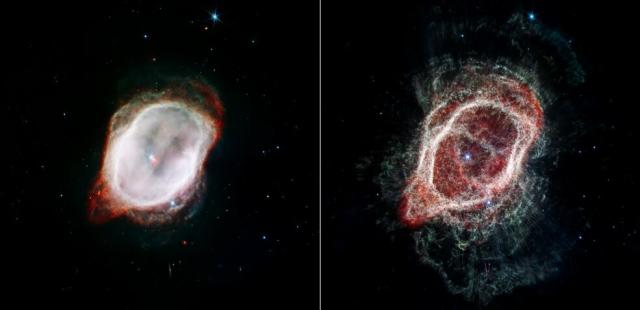
NASA’s Webb Indicates Several Stars ‘Stirred Up’ Southern Ring Nebula
Some of the first data from NASA’s James Webb Space Telescope has shown there were at least two, and possibly three, more unseen stars that crafted the oblong, curvy shapes of the Southern Ring Nebula.Jamie Adkins (NASA)
LIVE NOW: Our experts are previewing the upcoming entry, descent, and splashdown of the @NASA_Orion spacecraft.
The #Artemis I mission is scheduled to conclude at 12:40pm ET (17:40 UTC) on Dec. 11 when Orion splashes down in the Pacific Ocean. twitter.com/i/broadcasts/1ZkJz…
#NASA
Congratulations to our @SpaceApps Challenge winners! Selected from over 31,000 worldwide registrants, these teams used data from NASA & our 11 partner space agencies, #SpaceApps competitors tackled 22 challenges and produced 3,000+ projects!
The winners: bit.ly/3FaYTXX
#NASA
#NASA
LIVE: Administrator @SenBillNelson, NASA chief scientist Dr. Kate Calvin, and other agency leaders are providing updates on our portfolio of @NASAClimate research projects and NASA's role in understanding our changing planet. Tune in: twitter.com/i/broadcasts/1mrxm…
[Video embedded in original tweet]
#NASA
According to the NASA feed today is the 50's anniversary of the launch of the last moon rocket.
It's been 50 years since a human left low earth orbit.
#NASA
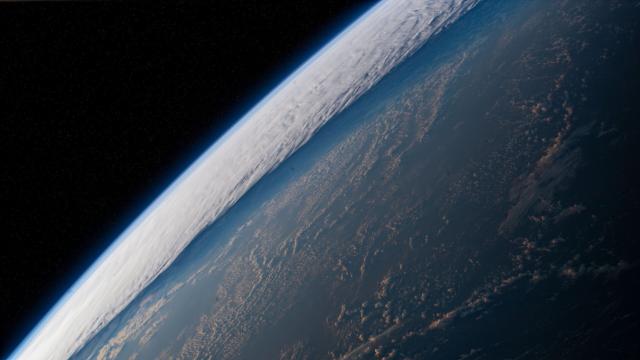
NASA to Discuss Climate Research, Mitigation Efforts
NASA Administrator Bill Nelson will discuss the agency’s climate portfolio at 11 a.m. EST on Thursday, Dec. 8 from NASA Headquarters in Washington.Gerelle Dodson (NASA)
#NASA
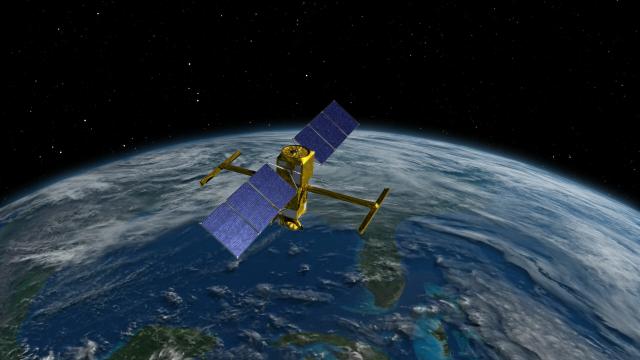
NASA Sets Coverage for SWOT Water Survey Mission Launch
NASA will provide coverage of the upcoming prelaunch and launch activities for the international Surface Water and Ocean Topography (SWOT) mission.Roxana Bardan (NASA)
Fifty years ago, Apollo 17 launched from @NASAKennedy, bringing a geologist, bacon, and what turned out to be super-handy duct tape to the lunar surface.
Take a behind-the-scenes look at our last crewed mission to the Moon: go.nasa.gov/3FywKeD
#NASA
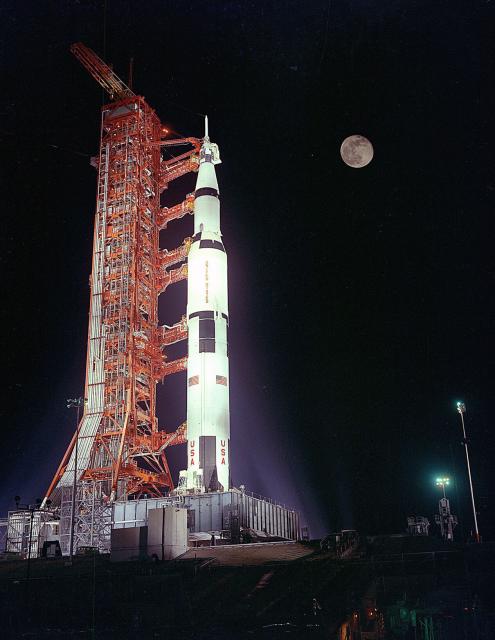
50 Years Ago: Apollo 17
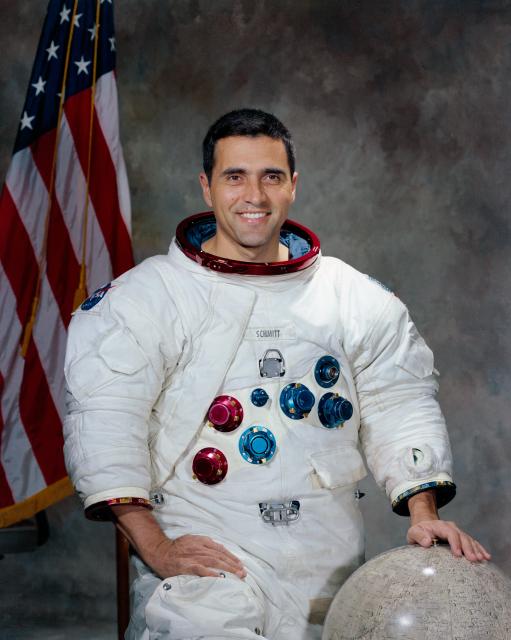
Not long after midnight on Dec. 7, 1972, the last crewed mission to the Moon, Apollo 17, lifted off with three astronauts: Eugene Cernan, Harrison Schmitt, and Ronald Evans. Experience the Apollo 17...nasa (Tumblr)
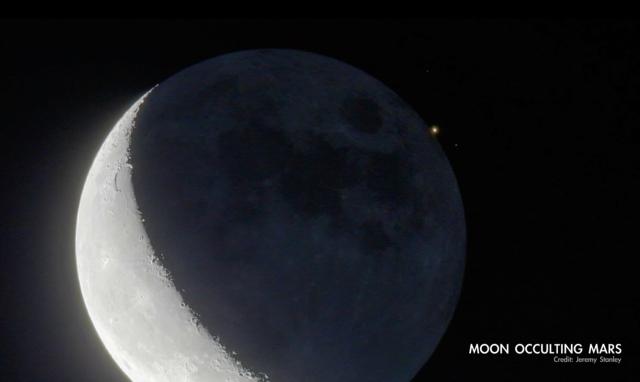
Skywatchers in North America and Europe might be able to spot Mars ducking behind the Moon tonight.
Get the details:
#NASA
#NASA
As @NASA_Orion continues its journey home, we're also celebrating the 50th anniversary of the iconic "Blue Marble" photo of Earth, taken on Dec. 7, 1972 by the crew of Apollo 17.
Get the full-size image: go.nasa.gov/3VDWmg1
#NASA
LIVE NOW: Following today's close flyby of the Moon, our experts are giving an update on the #Artemis I mission.
The @NASA_Orion spacecraft is expected to splash down in the Pacific Ocean on Dec. 11. twitter.com/i/broadcasts/1BRKj…
#NASA
#NASA
NASA Names Mission in Honor of Dr. George R. Carruthers
NASA renames mission in honor of Dr. George R. CarruthersMiles Hatfield (NASA)
We have retrieved signal with @NASA_Orion after an expected loss of signal when the spacecraft flew directly behind the Moon.
You can see Earth in the distance. That's us. #Artemis
nasa.gov/artemislive
#NASA

Live Video Stream from the Artemis I Orion Spacecraft
Periodic live video from the Artemis I flight test.Brian Dunbar (NASA)
.@NASA_Orion is only 1,550 miles away from the Moon right now.
The spacecraft will fly about 79 miles above the lunar surface at 11:42am ET (16:42 UTC).
#NASA
LIVE NOW: @NASA_Orion is harnessing the Moon’s gravity to accelerate back toward Earth.
The spacecraft is expected to fly about 79 miles above the lunar surface at 11:42am ET (1642 UTC). #Artemis twitter.com/i/broadcasts/1yoKM…
[Video embedded in original tweet]
#NASA
We’re planning one of our biggest feats ever – bringing Mars samples to Earth – and you can play a part.
We're looking for your feedback on Mars Sample Return in a series of in-person meetings. Find details and updated meeting locations here: go.nasa.gov/3gniufj
#NASA
NASA Invites Public Comment on Plans for Mars Sample Return Campaign
NASA is seeking public comments on a draft environmental impact statement for the agency’s Mars Sample Return (MSR) campaign. Comments are due by Monday, Dec. 19.Gerelle Dodson (NASA)
#NASA
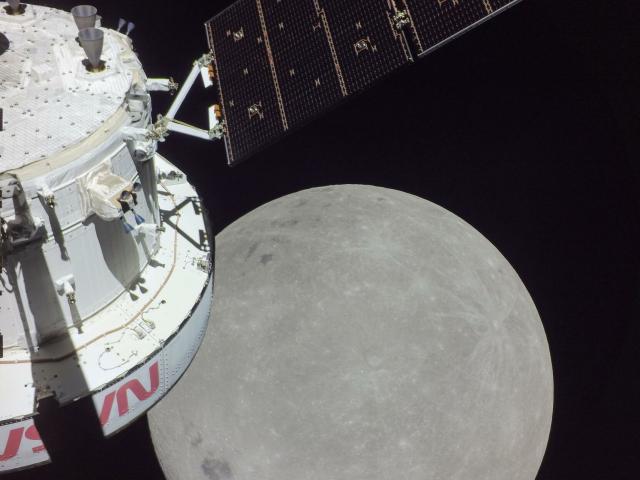
Follow NASA’s Artemis I Moon Mission: Live Tracker, Latest Images, and Videos
On Nov. 16, 2022, the Artemis I mission officially began with the launch of the Orion spacecraft atop the Space Launch System rocket. The rocket and spacecraft lifted off from historic Launch Complex...nasa (Tumblr)
You must construct additional pylons. 🛠
Tune in Dec. 3 at 6am ET (1100 UTC) as @NASA_Astronauts Josh Cassada and Frank Rubio install a roll-out solar array to upgrade power generation on the @Space_Station's starboard structure: go.nasa.gov/3H6qfRr
#NASA

NASA to Provide Live Coverage of US Spacewalks Outside Space Station
Astronauts aboard the International Space Station will conduct a pair of U.S. spacewalks in December to install rollout solar arrays to increase electrical power in support of station operations and scientific research.Roxana Bardan (NASA)
Don’t miss the remaining coverage of the #Artemis I Moon mission: go.nasa.gov/3uiYzBd
Dec. 5, 9am ET (1400 UTC): Return lunar flyby
Dec. 5, 5pm ET (2200 UTC): Flyby debrief
Dec. 8, 5pm ET (2200 UTC): Splashdown preview
Dec. 11, 11am ET (1600 UTC): @NASA_Orion splashdown
#NASA
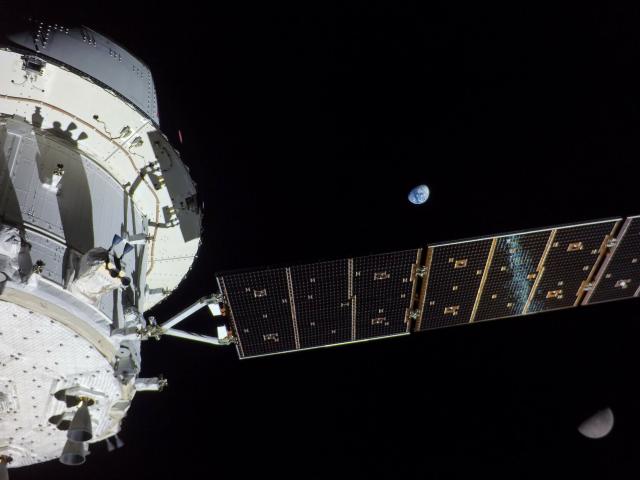
NASA Sets Coverage of Orion’s Historic Moon Mission Return, Splashdown
NASA will provide live coverage of the Artemis I uncrewed Orion spacecraft’s return flyby of the Moon on Monday, Dec. 5, as well as its return to Earth on Sunday, Dec. 11.Roxana Bardan (NASA)
LIVE NOW: The @NASA_Orion spacecraft is performing the first of two maneuvers to exit lunar orbit and begin its journey from the Moon back to Earth.
The burn is scheduled to begin at 4:53pm ET (21:53 UTC). #Artemis twitter.com/i/broadcasts/1mnxe…
#NASA