Search
Items tagged with: NASAHistory

On her birthday, we remember Star Trek actress Nichelle Nichols, one of the greats the world lost in 2022. 🖖
Learn more about Nichols' contributions to helping build a more diverse workforce at NASA: go.nasa.gov/3jsFcnr
#NASAhistory

Nichelle Nichols: Woman on a NASA Mission
NASA celebrates the life and career of Nichelle Nichols, famous for her role of Lieutenant Uhura on Star Trek, as she retires from public life. Not only did...YouTube

#NASAhistory
#NASAhistory
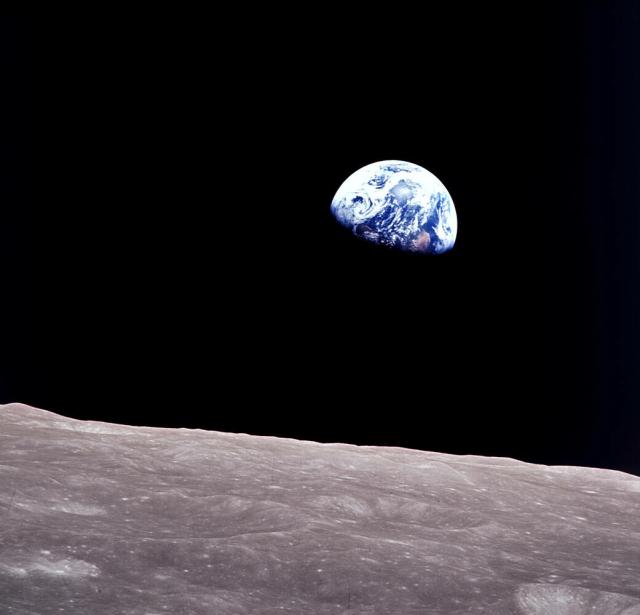
"We came all this way to explore the Moon, and the most important thing is that we discovered the Earth" –Bill Anders, Apollo 8 astronaut
"Earthrise," one of the most powerful photos in @nasa’s history, was taken by Anders #OTD in 1968 as the Apollo 8 crew orbited the Moon.
#NASAhistory
#NASAhistory
The Story Behind Apollo 8's Famous Earthrise Photo | NASA Solar System Exploration
The inside story of Apollo 8's iconic "Earthise" photo.NASA Solar System Exploration
How do @NASA_Astronauts in space celebrate the holidays? The Apollo 8, Skylab 4, Space Shuttle, and @Space_Station crews have found plenty of ways to celebrate the season.
Find out more: go.nasa.gov/3j24N6g
#NASAhistory
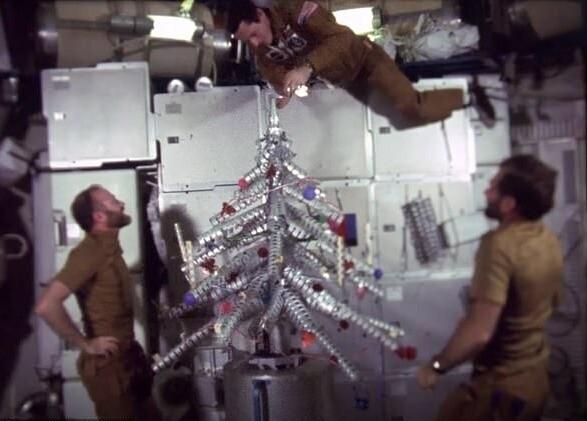
Celebrating the Holiday Season in Space
The Christmas, Hanukkah, and New Year holidays are typically joyful events spent with family and friends. Astronauts and cosmonauts who happen to be in space during the holidays have found their own unique way to celebrate the occasions.Kelli Mars (NASA)
What can you get for that hard-to-shop-for loved one? How about an aerospace history e-book? You can download any of our >200 titles for free!
Explore the collection: go.nasa.gov/3WbApF2
#NASAhistory

History e-Books
NASA.gov brings you the latest images, videos and news from America's space agency. Get the latest updates on NASA missions, watch NASA TV live, and learn about our quest to reveal the unknown and benefit all humankind.NASA
#OTD in 1964, NASA's SR-71 Blackbird made its 1st flight.
The SR-71 was designed to cruise at Mach 3.2 and at altitudes up to 85,000 ft, making it ideal for high-speed, high-altitude @NASAaero research.
Learn more about NASA's research with the SR-71: go.nasa.gov/3uRWTze
#NASAhistory
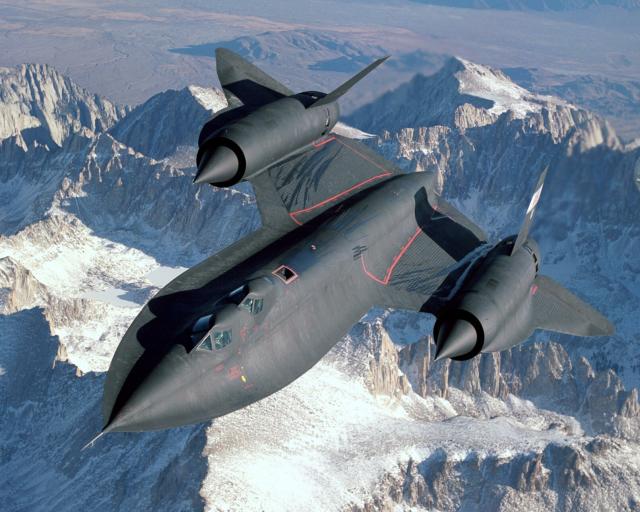
SR-71 Blackbird
Two SR-71 aircraft were used by NASA as testbeds for high-speed, high-altitude aeronautical research. The aircraft, an SR-71A and an SR-71B pilot trainer aircraft were based at NASA's Dryden Flight Research Center, Edwards, CA.NASA
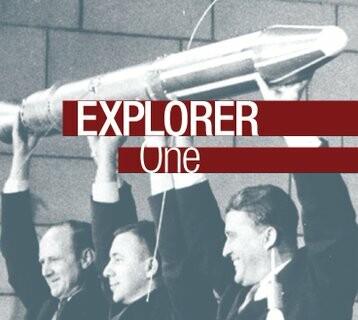
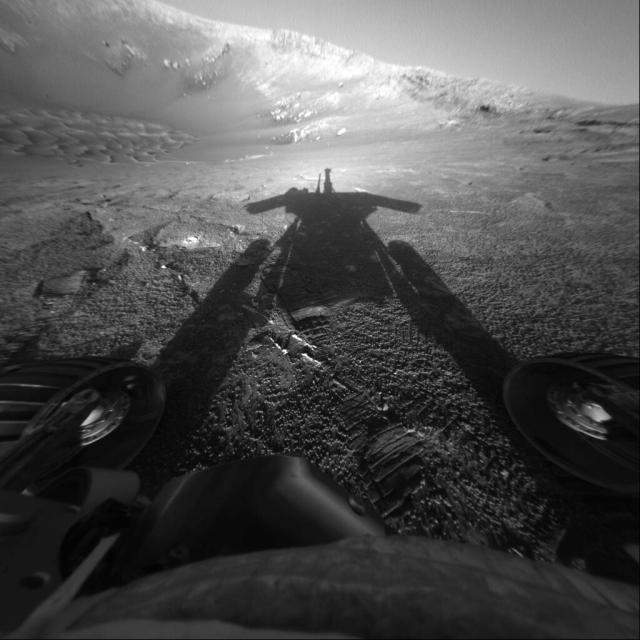
This 16-part series pushes all of our space history geek buttons. 🤖 Bring it on!
Explore previous episodes: jpl.nasa.gov/who-we-are/docume…
#NASAhistory
#NASAhistory
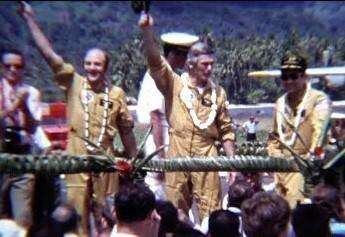
Cancel your holiday plans, we're going to the Moon!
With the urgency of the Space Race in full effect, Apollo 8 astronauts Frank Borman, Bill Anders, and Jim Lovell launched from @NASAKennedy #OTD in 1968.
More about the first crewed mission to the Moon: go.nasa.gov/3j6pVsc
#NASAhistory
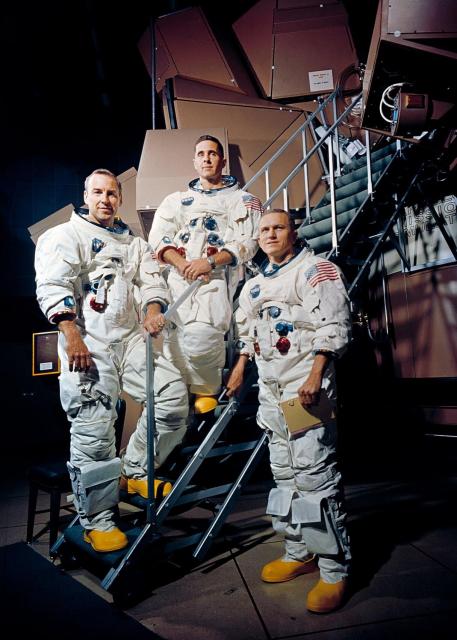
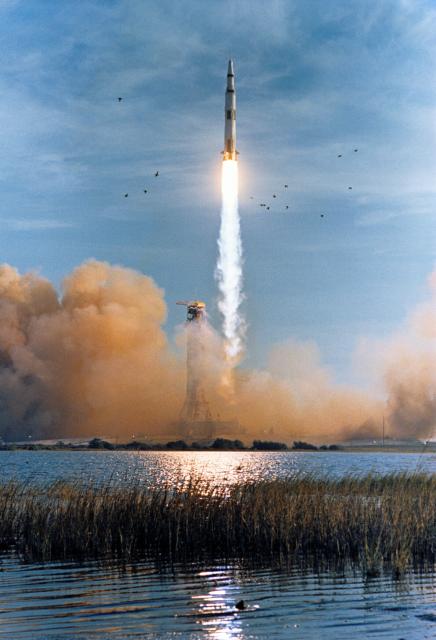
To the Moon and Back: Apollo 8 and the Future of Lunar Exploration
In mid-August of 1968, astronauts Frank Borman, Jim Lovell and William Anders received a call telling them to cancel their winter holiday plans — they were going to the Moon.Karl Hille (NASA)
#NASAhistory
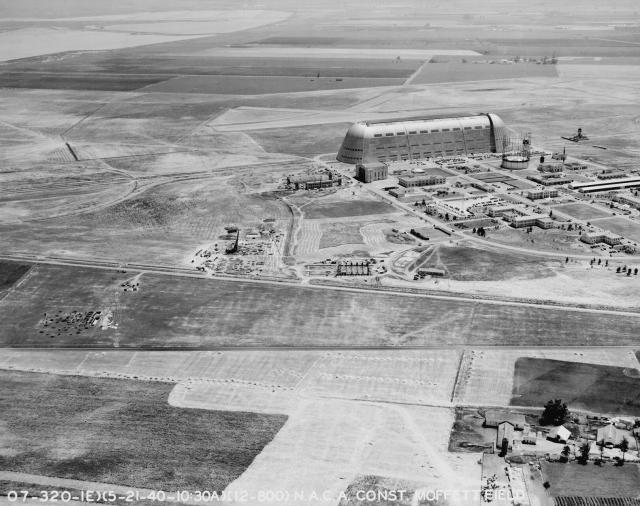
History of Ames Research Center
NASA.gov brings you the latest images, videos and news from America's space agency. Get the latest updates on NASA missions, watch NASA TV live, and learn about our quest to reveal the unknown and benefit all humankind.NASA
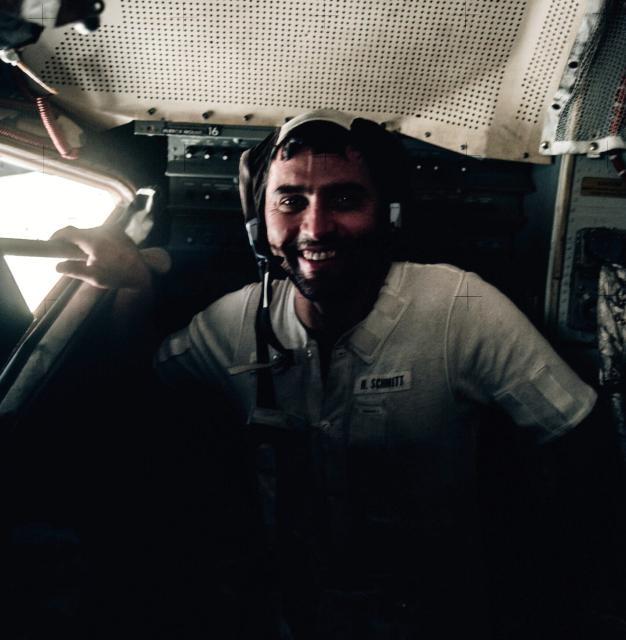
Like #Apollo17 astronaut Harrison Schmitt throwing his rock hammer before heading into the lunar module for the last time, we’re throwing this lunar panorama here. That’s all folks for #Apollo50th!
The hammer throw: apolloinrealtime.org/17/?t=170…
#NASAhistory
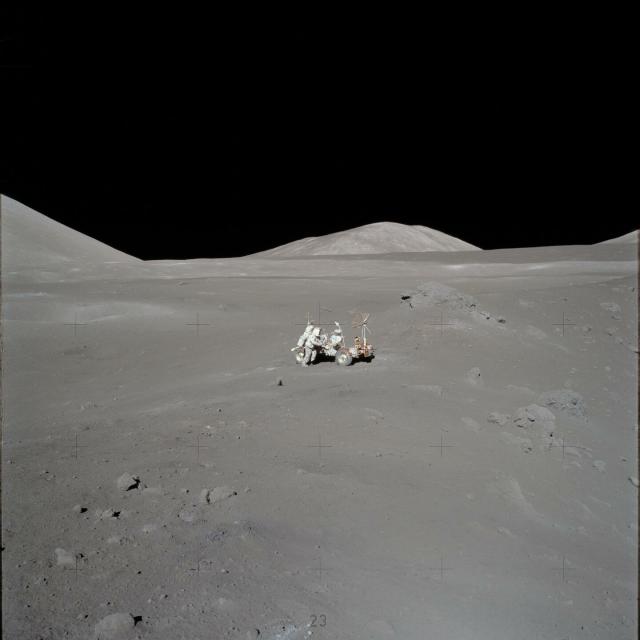
Apollo 17 in Real Time
A real-time interactive journey through the last landing on the Moon. Relive every moment as it occurred in 1972.Apollo 17 in Real Time
Splashdown!
After 12 days and 14 hours in space, the #Apollo17 astronauts splashed down in the Pacific Ocean at 2:25 pm EST #OTD in 1972. It was the longest of all the Apollo missions with the most samples retrieved and photos taken. #Apollo50th
#NASAhistory
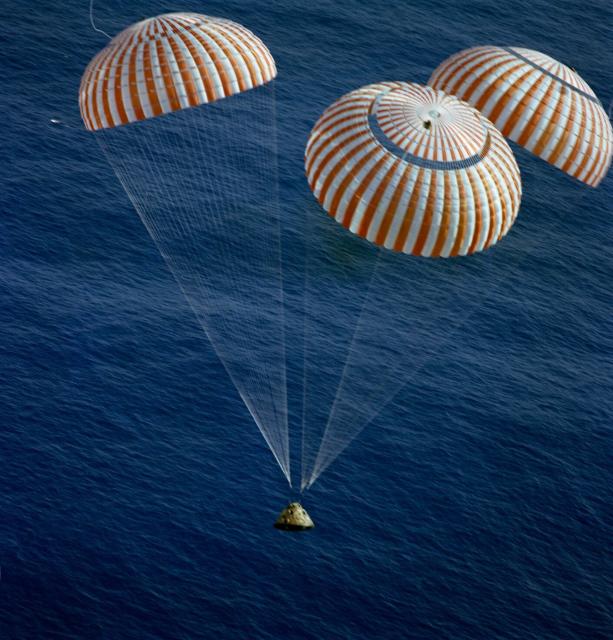
When #Apollo17 splashed down in the Pacific, a recovery team was waiting on the USS Ticonderoga just 6.4 km (4 mi) away to pick up the astronauts and the lunar samples inside the CM.
Read more about the mission’s return to Earth: go.nasa.gov/3V92HyF
#NASAhistory
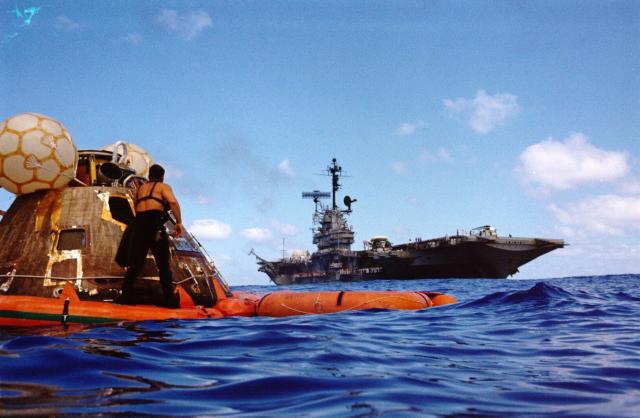
Apollo 17 Splash Down Ends the Beginning of Lunar Exploration
On Dec. 19, 1972, Apollo 17 astronauts Eugene A. Cernan, Ronald E. Evans, and Harrison H. “Jack” Schmitt, the first trained geologist to travel to the Moon, successfully ended their 13-day Moon landing mission with a splashdown in their Command Modul…Kelli Mars (NASA)
Are we there yet?
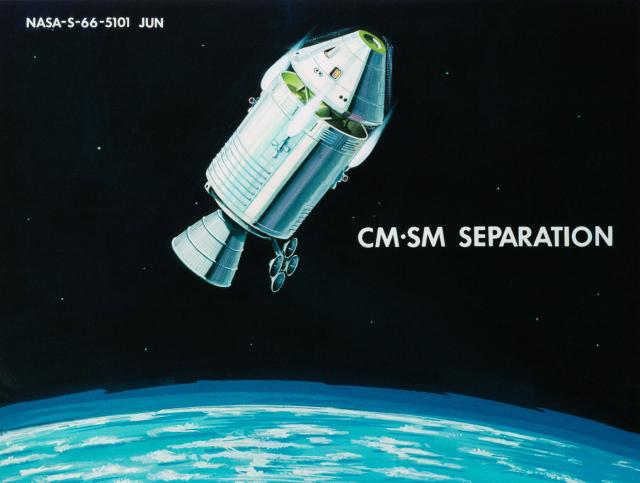
Almost! 50 years ago today, in preparation for #Apollo17’s descent through Earth’s atmosphere, the Service Module, which powered the mission’s flight to the Moon and back, was separated from the Command Module. #Apollo50th
#NASAhistory
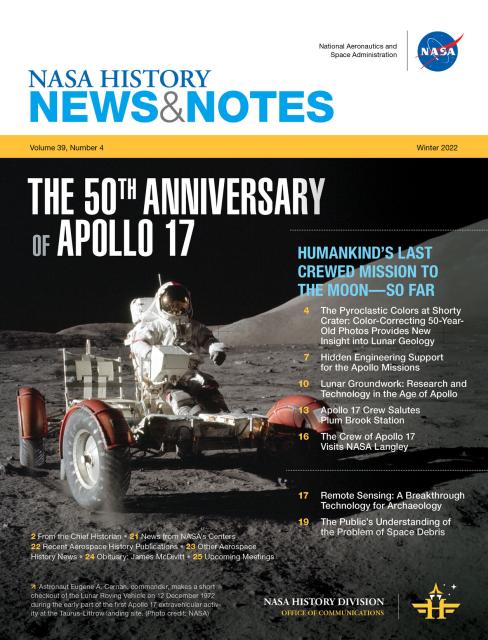
🎁 We have a holiday gift for you! It's the new edition of NASA History News & Notes, celebrating the 50th anniversary of Apollo 17!
Topics: The orange soil at Shorty Crater, engineering support of the Apollo missions, Apollo 17 science & more!
Download: go.nasa.gov/3G0xBFr
#NASAhistory
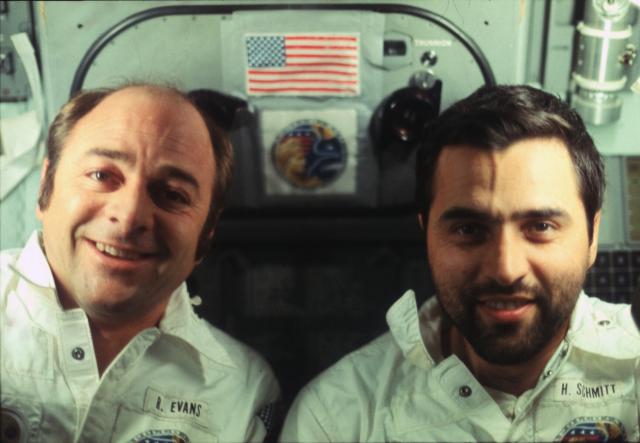
Wonder what it’s like to be on the Moon? #Apollo17 astronaut Harrison Schmitt said:
“Working on the Moon is a lot of fun. It’s like walking around on a giant trampoline all the time and you’re just as strong as you were here on Earth, but you don’t weigh as much.” #Apollo50th
#NASAhistory
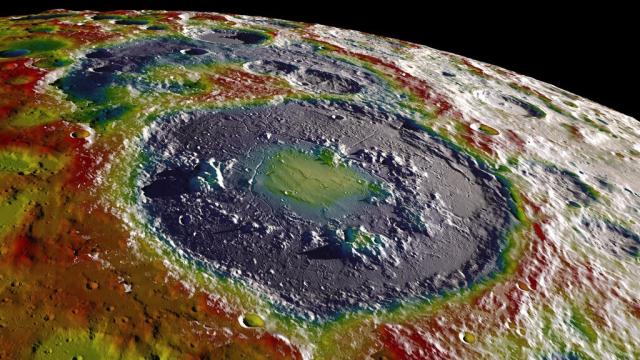
#10YearsAgo today, the GRAIL mission ended as its twin spacecrafts, Ebb and Flow, deorbited to the lunar surface. The mission created a detailed gravitational map of the Moon, providing insight into its structure and composition.
Learn more about GRAIL: go.nasa.gov/3Hv4XNU
#NASAhistory
GRAIL - Moon Missions - NASA Jet Propulsion Laboratory
Launch and mission summary for NASA's GRAIL mission, launched in September 2011 to measure the moon's gravity.NASA Jet Propulsion Laboratory (JPL)
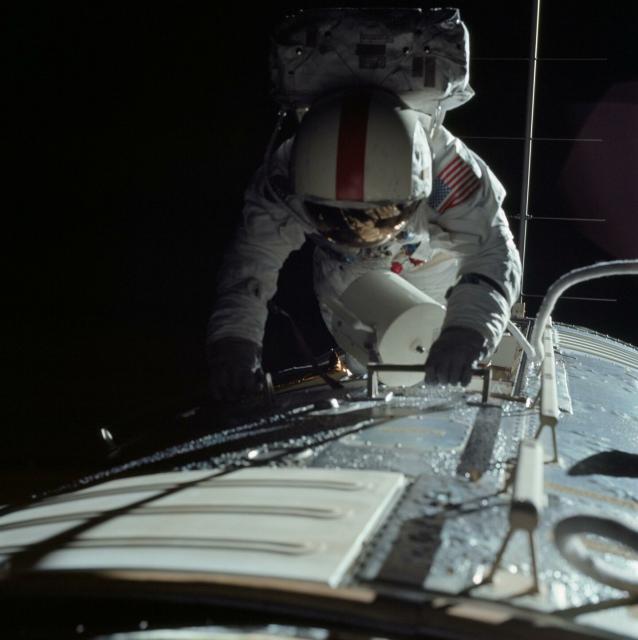
“Hey, this is great! Talk about being a spaceman, this is it!”
Watch as Ron Evans, the #Apollo17 command module pilot performed a deep space EVA to retrieve a film canister on the outside of the spacecraft: apolloinrealtime.org/17/?t=257…
#Apollo50th
#NASAhistory
Apollo 17 in Real Time
A real-time interactive journey through the last landing on the Moon. Relive every moment as it occurred in 1972.Apollo 17 in Real Time
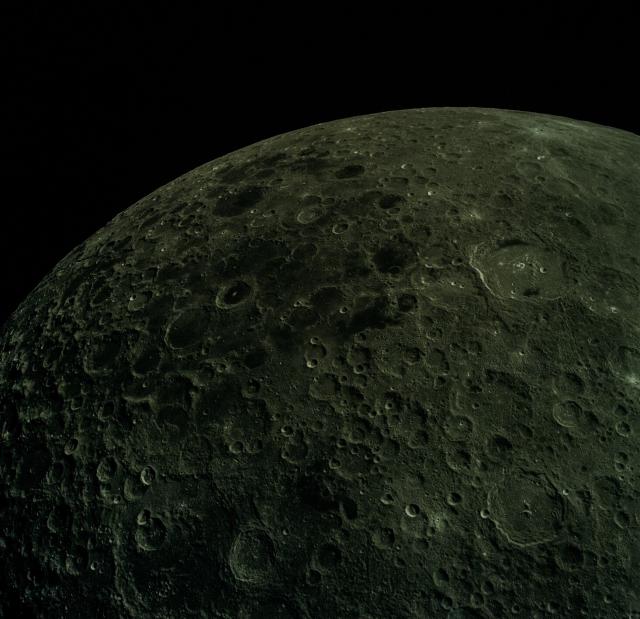
50 years ago today, the #Apollo17 crew completed its time at the Moon and performed a Trans-Earth injection (TEI) burn to return home. #Apollo50th
Photo: View of the far side of the Moon taken just after TEI.
#NASAhistory
#NASAhistory
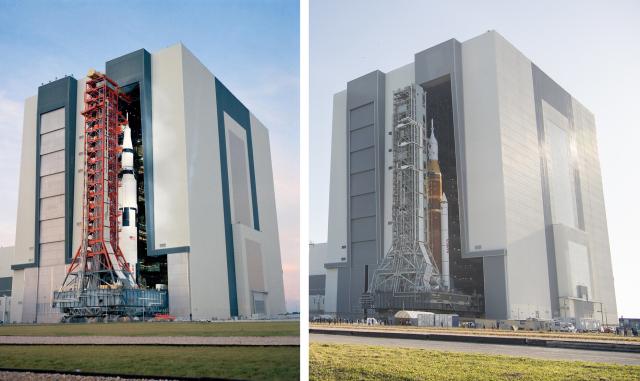
Then and Now: Apollo to Artemis
More than 50 years ago, NASA sent the first humans to the Moon through the Apollo program. Now, NASA is preparing to send the first woman and first person of color to the lunar surface as part of the Artemis program.Jason Costa (NASA)
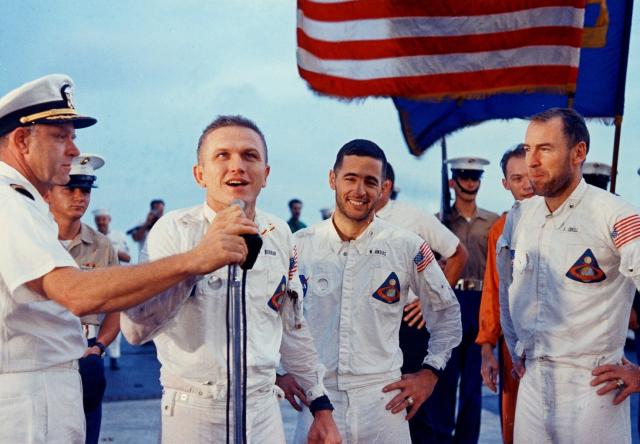
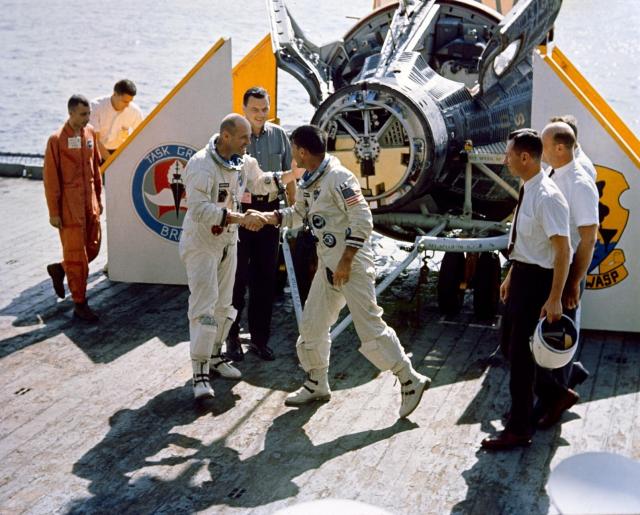
That's teamwork 👨🚀 👨🚀
Astronauts Walter Schirra (right) and Thomas Stafford shake each other's hand as they arrive aboard the USS Wasp aircraft carrier, after their nearly 26-hour Gemini-VI-A spaceflight #OTD in 1965. It was the 1st recovery to be broadcast live on TV!
#NASAhistory
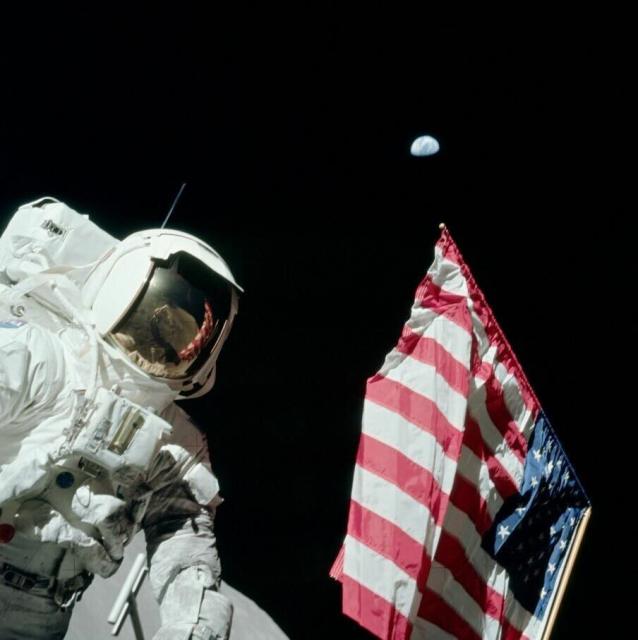
"We send our good morning on our last wakeup day from the Moon.”
Gene Cernan sent greetings from the #Apollo17 crew to everyone back on Earth #OTD in 1972. #Apollo50th
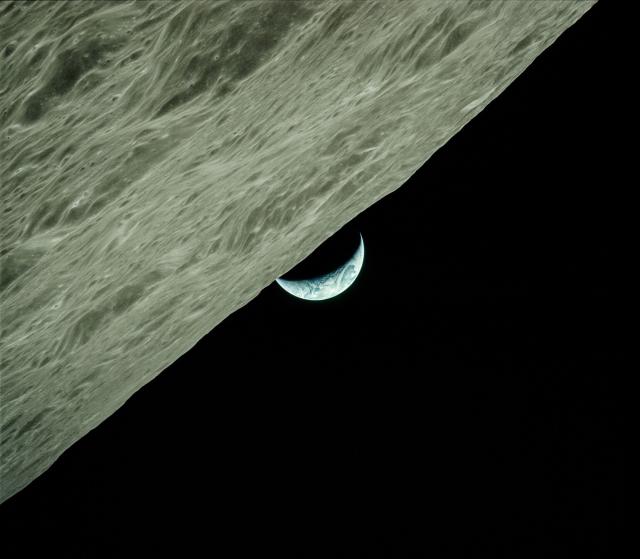
📷 Earthrise seen from lunar orbit
#NASAhistory
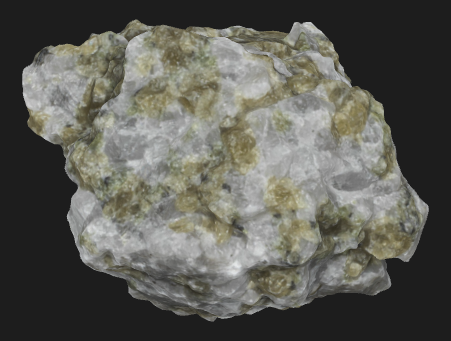
“Without a doubt the most interesting sample returned from the Moon!”
The oldest known unshocked rock retrieved from the Moon, called Troctolite 76535, was collected by #Apollo17 astronaut Harrison Schmitt. It’s at least 4.2 BILLION years old. @NASAMoon
#NASAhistory
#Apollo50th
#NASAhistory
Astromaterials 3D
The mission of the Astromaterials 3D project is to make more accessible NASA's Apollo Lunar Sample and Antarctic Meteorite collections, and to share their wondrous cosmochemical stories through interactive, high-resolution, research-grade 3D models.Astromaterials 3D
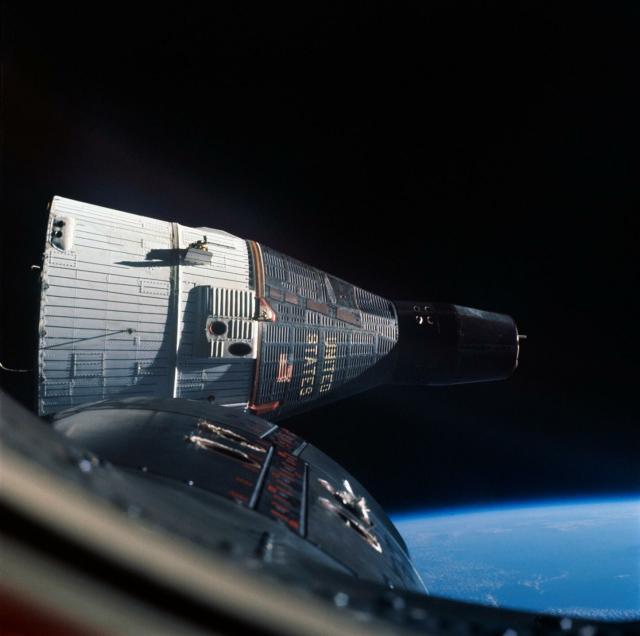
🤝 Gemini VII, meet Gemini VI-A
The first-ever rendezvous of two spacecrafts with astronauts on board happened #OTD in 1965. This photo of the Gemini VII craft was taken by the crew of Gemini VI.
Learn more about this historic meetup in Earth's orbit: go.nasa.gov/3hhSWR7
#NASAhistory
Dual Gemini Flights Achieved Crucial Spaceflight Milestones
The flights of two piloted spacecraft during December 1965 were major strides forward in advancing NASA's capabilities in human spaceflight.NASA
#NASAhistory
#NASAhistory
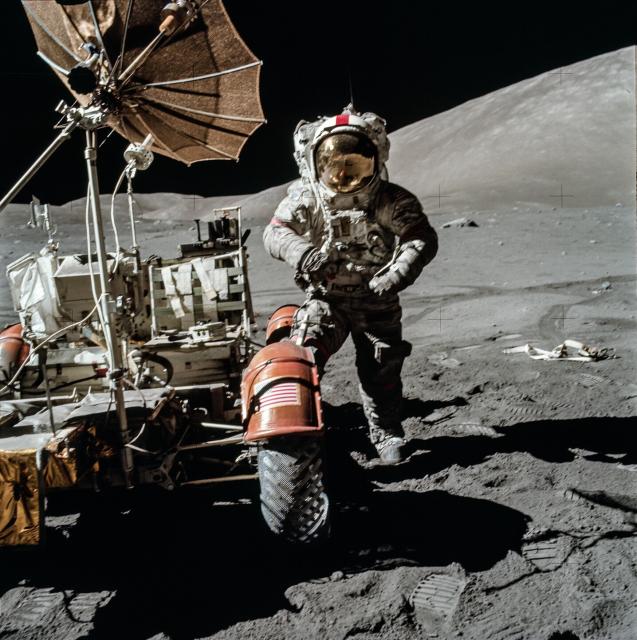
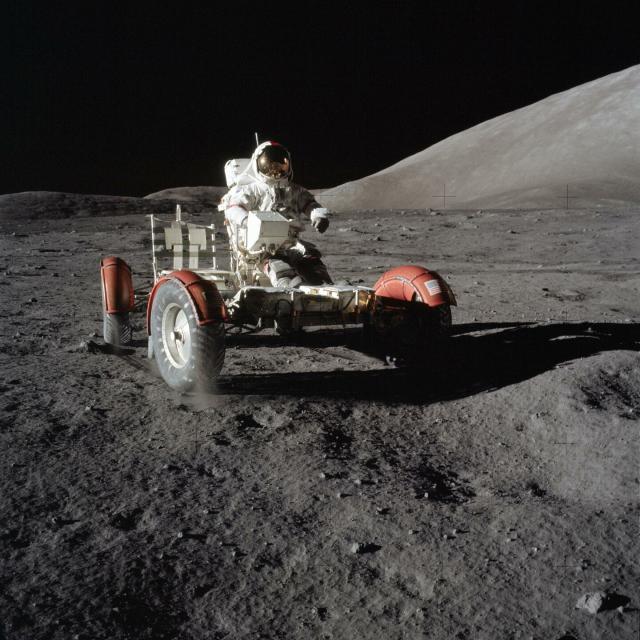
Farewell to the LRV 👋
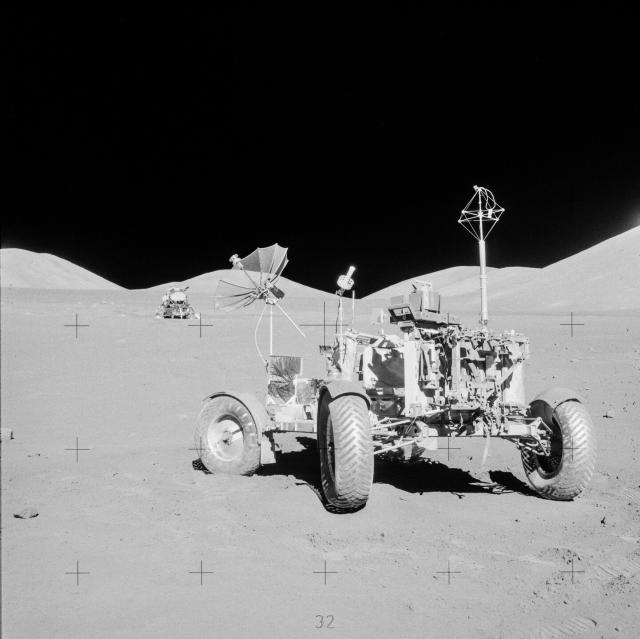
Near the end of their last EVA, #Apollo17 astronauts Cernan and Schmitt parked the rover with its camera pointed at the LM to record its launch from the Moon. Over 3 days, they had completed 22 hours of EVAs—the most of all the Apollo missions. #Apollo50th
#NASAhistory
#NASAhistory
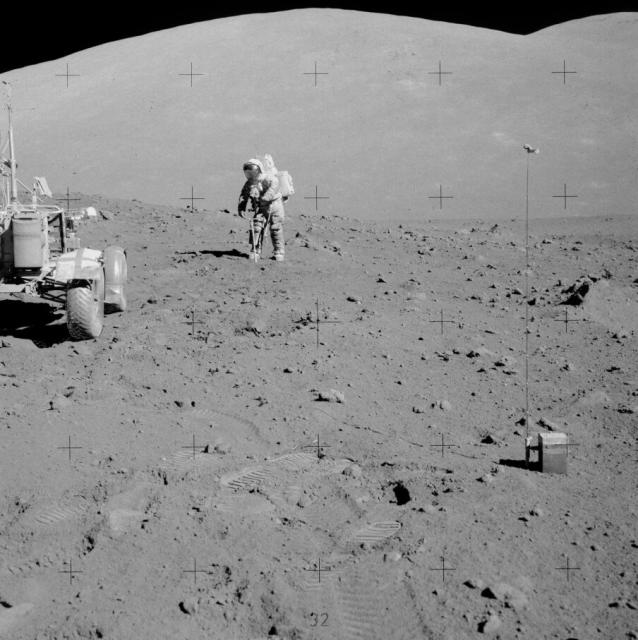
Seismometers were deployed during each of the Apollo missions that reached the lunar surface and for decades have been used to investigate the internal structure of the Moon.
📷 The lunar mass spectrometer, one of the instruments of the ALSEP, is seen in the foreground.
#NASAhistory
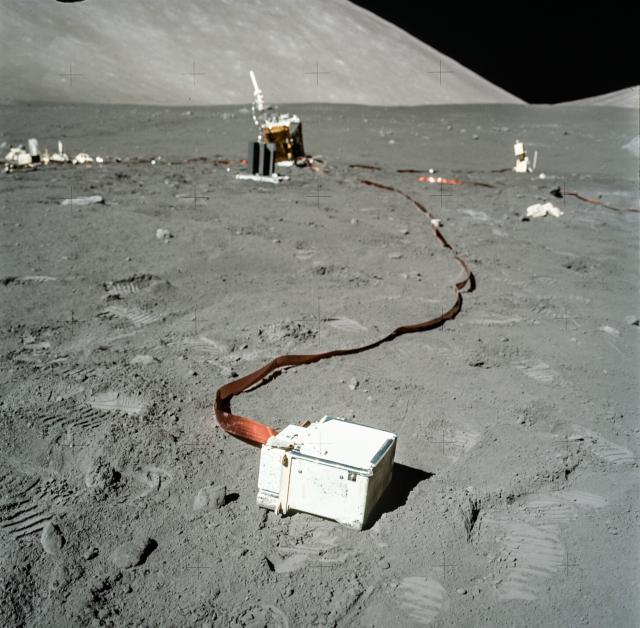
One of the types of moonquakes detected, originating at moderately shallow depths of 20-30 km, can register up to a startling 5.5 on the Richter scale and can last for over 10 minutes!
More about moonquakes: go.nasa.gov/3Y0VNOQ
#NASAhistory
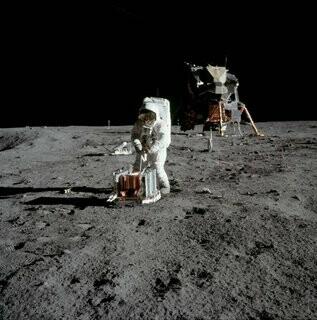
Ep. 266: Moonquakes
Lunar Seismologist Dr. Ceri Nunn joins us from NASA’s Jet Propulsion Laboratory in California to talk about moonquakes and why studying seismic activity on the Moon is important for the future of human spaceflight. HWHAP Episode 266.Heidi Lavelle (NASA)
#NASAhistory
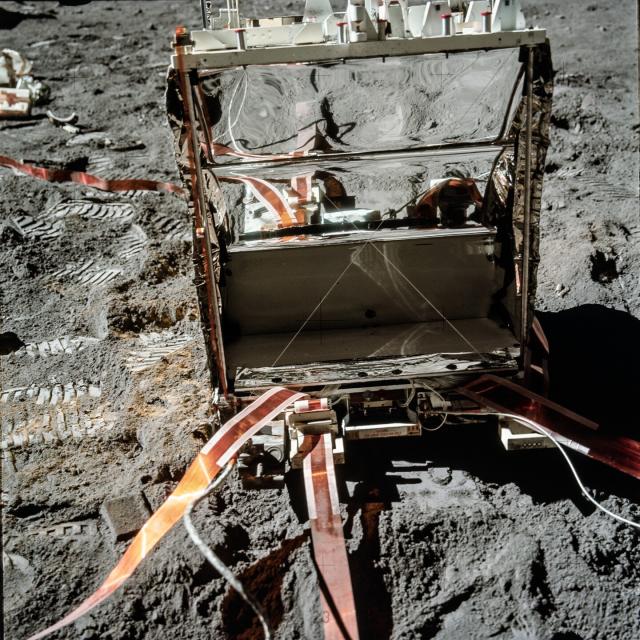
“May the spirit of peace in which we came be reflected in the lives of all mankind”
These words, signed by the #Apollo17 astronauts and President Nixon remain on the Moon’s surface affixed to one of the legs of the lunar lander. #Apollo50th
#NASAhistory
#NASAhistory
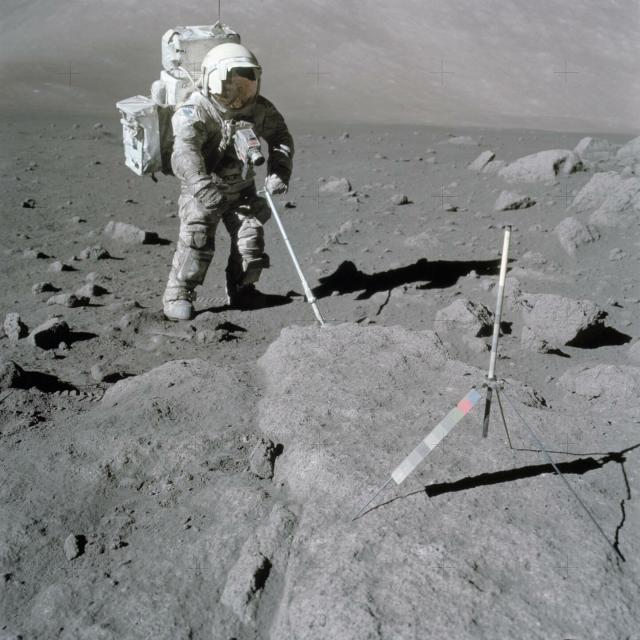
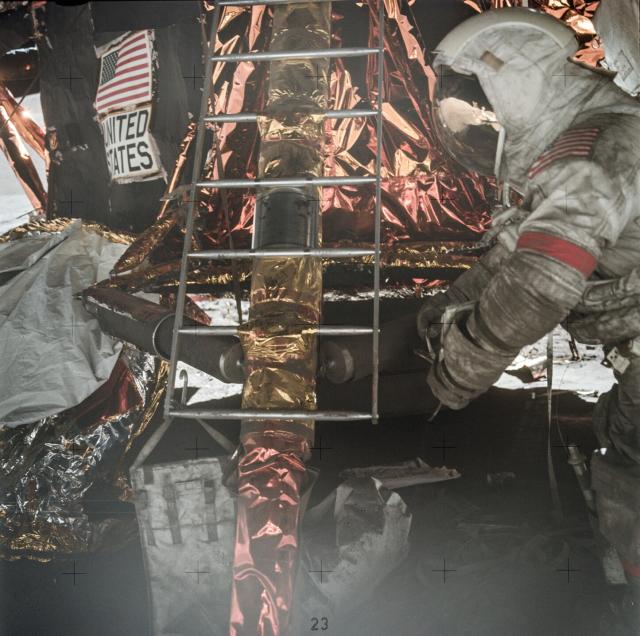
Curious about how Moon dust feels and smells? 🌔 👃
Find out ➡️ go.nasa.gov/3XUI5wQ
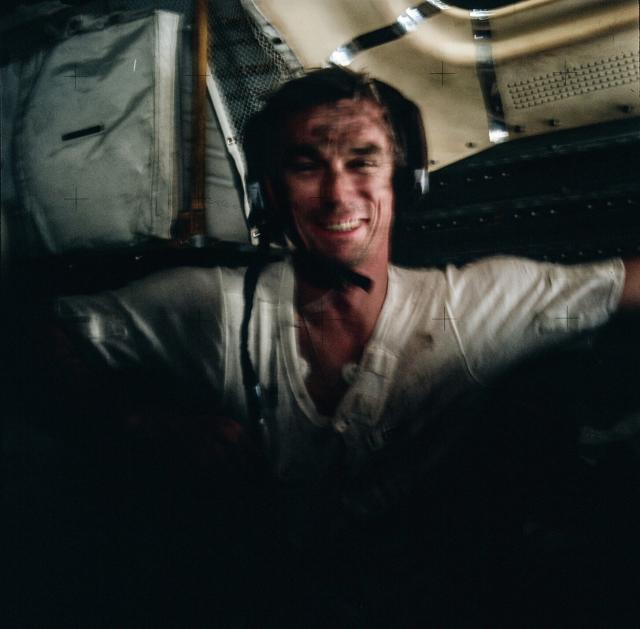
And check out how dirty Schmitt's suit is in this photo!
#NASAhistory
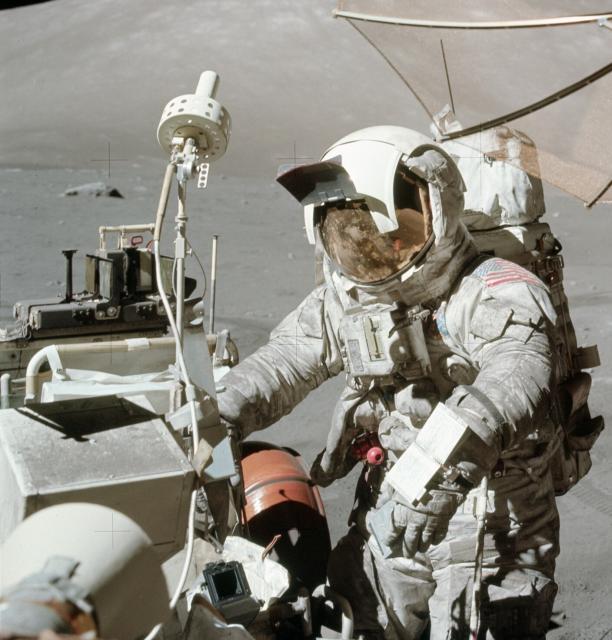
NASA - Apollo Chronicles: The Mysterious Smell of Moondust
Long after the last Apollo astronaut left the moon, a mystery lingers: Why does moondust smell like gunpowder?Science@NASA
#NASAhistory
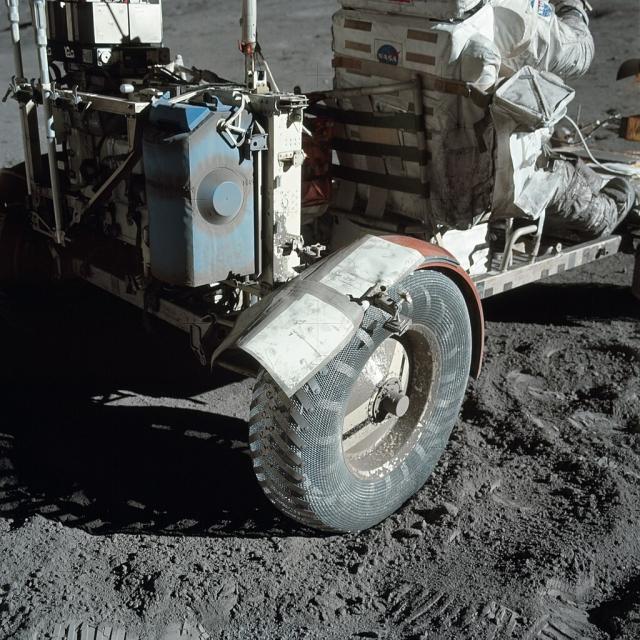
During #Apollo17, the Lunar Rover Vehicle logged the farthest distance from the LM of any Apollo mission, 4.7 miles (~7.5 km).
As a precaution, the LRV had a walk-back limit in the event of an LRV issue; astronauts had to have enough resources to walk back to the lunar module.
#NASAhistory