Search
Items tagged with: NASAhistory

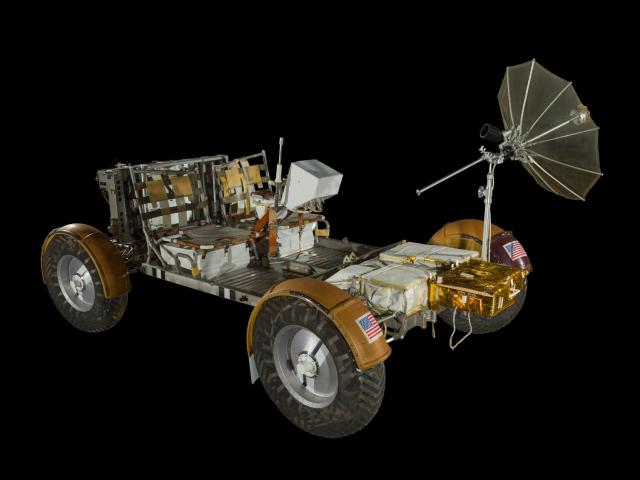
For our LRV fans, visiting an LRV driven on the Moon is a bit difficult since the 3 LRVs used for Apollo 15, 16, and 17 missions were left on the Moon. But you can find an LRV used for training at @airandspace.
Read more: go.nasa.gov/3B9mJSz
#NASAhistory

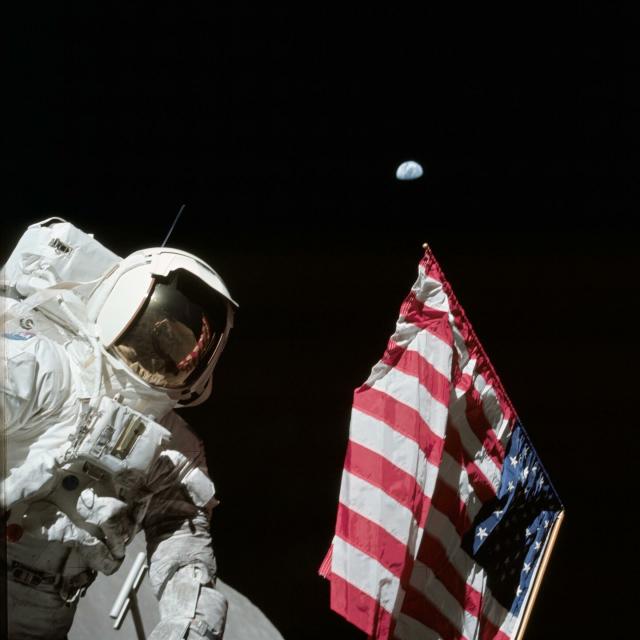
There’s no wind on the Moon, but that doesn’t mean your flag has to droop. #DYK a horizontal rod with a latch makes the flag appear to be flying in the wind? #Apollo50th
Experience the #Apollo17 astronauts planting the flag: apolloinrealtime.org/17/?t=118…
#NASAhistory
Apollo 17 in Real Time
A real-time interactive journey through the last landing on the Moon. Relive every moment as it occurred in 1972.Apollo 17 in Real Time
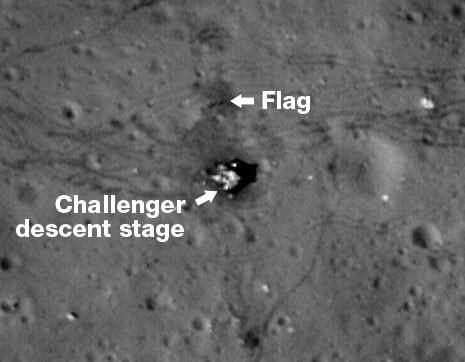
So is the flag still there? Images of the #Apollo17 landing site from the Lunar Reconnaissance Orbiter Camera show that in 2011 the flag was still standing and casting a shadow! @NASAMoon
Check it out: lroc.sese.asu.edu/posts/379#ex…
#NASAhistory
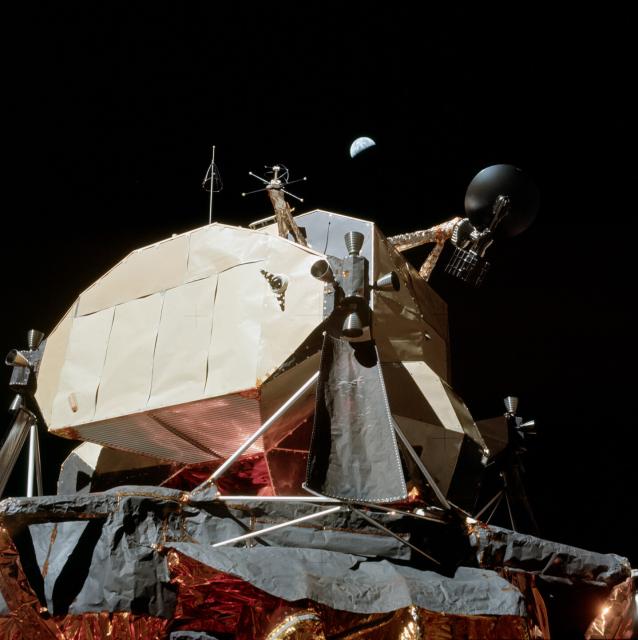
As we celebrate the successful completion of the #Artemis 1 mission today, 50 years ago at this very moment, the #Apollo17 lunar module landed on the Moon.
Experience the landing: apolloinrealtime.org/17/?t=112…
#Apollo50th #synchronicity
#NASAhistory
Apollo 17 in Real Time
A real-time interactive journey through the last landing on the Moon. Relive every moment as it occurred in 1972.Apollo 17 in Real Time
A bag of soup sounds good right now
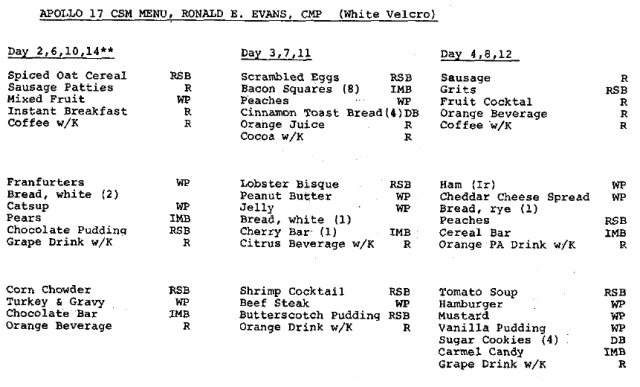
@NASA_Astronauts have an array of menu items to stay well fed and hydrated on missions. The #Apollo17 menus had around 2500 calories allocated per day for each astronaut.
Check out some of the menu items during our last trip to the Moon.
#NASAhistory
🥓 Bacon Squares
🥪 PB Sandwich
🌭 Frankfurters
🥫 Lobster Bisque
Like anything going to space, weight and containment matter. That's why the #Apollo17 menu included many soups and puddings. Have a favorite? Comment below! #Apollo50th
See all the meals: go.nasa.gov/3VXgyJB
#NASAhistory
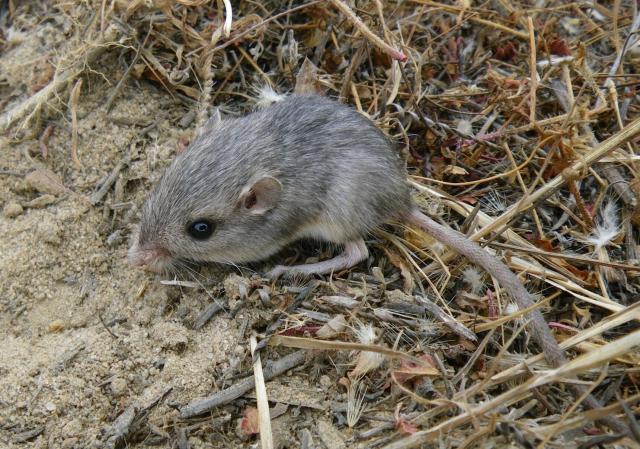
#DidYouKnow that the #Apollo17 crew weren’t the only living creatures on the mission? Along with their astronaut counterparts, 5 pocket mice were carried into orbit to assess their exposure to particle radiation. 🐭 #Apollo50th
Photo credit: @USGS
#NASAhistory
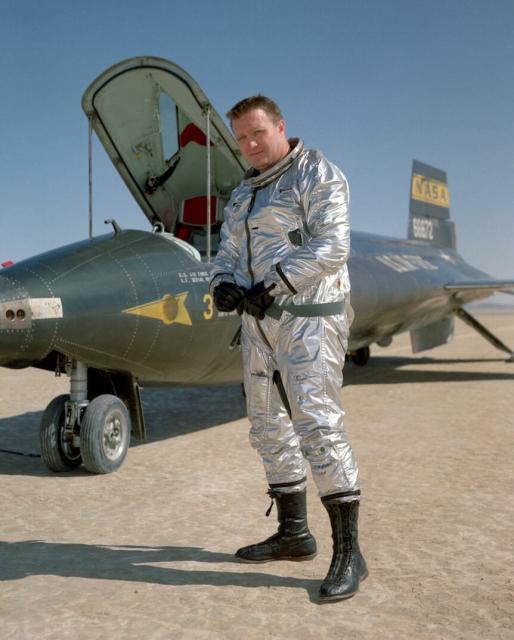
Today we honor John B. McKay on what would have been his 100th birthday! 🎉 McKay was a Navy pilot in World War 2 before becoming an aeronautical engineer and joining the NACA/NASA to fly the X-15 and other research planes! @NASAaero
More about McKay: go.nasa.gov/3HcTOkz
#NASAhistory
John B. McKay
NASA.gov brings you the latest images, videos and news from America's space agency. Get the latest updates on NASA missions, watch NASA TV live, and learn about our quest to reveal the unknown and benefit all humankind.NASA
#NASAhistory
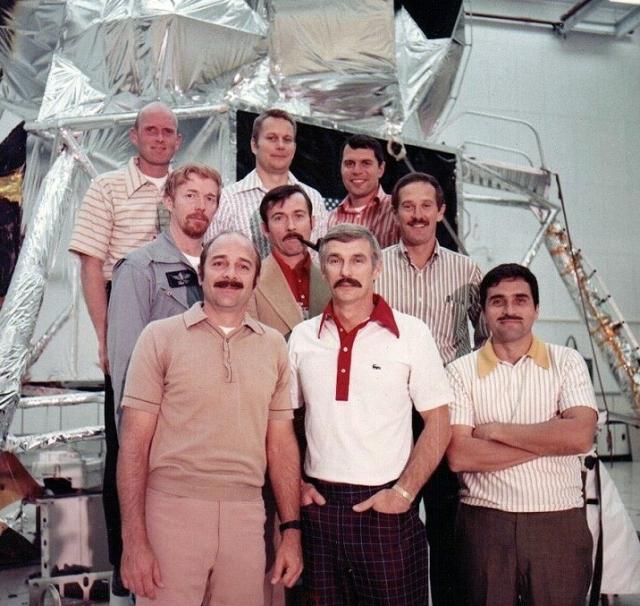
Apollo 17 in Real Time
A real-time interactive journey through the last landing on the Moon. Relive every moment as it occurred in 1972.Apollo 17 in Real Time
#NASAhistory
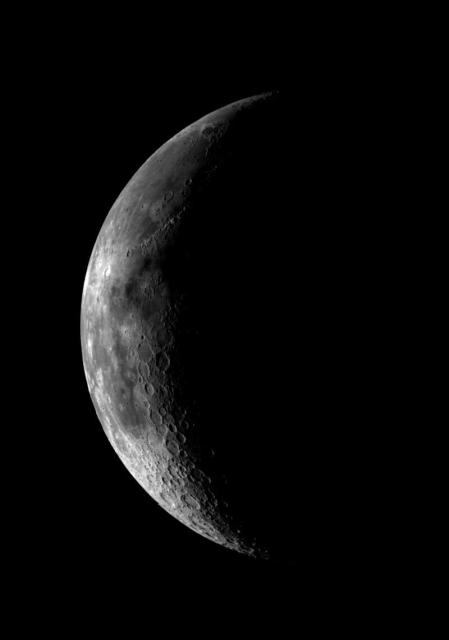
Galileo - Overview
Galileo was designed to make the first study of Jupiter and its moons and magnetosphere from orbit. The orbiter carried 10 science instruments and a atmospheric probe.NASA Solar System Exploration
#NASAhistory

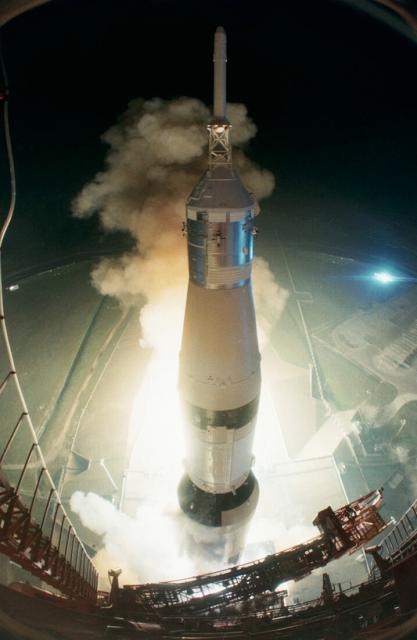
We have liftoff!
#OTD in 1972, #Apollo17 set out for the Moon, carrying with it astronauts Gene Cernan, Jack Schmitt, and Ron Evans. #Apollo50th
Experience the launch in real time: apolloinrealtime.org/17
#NASAhistory
Apollo 17 in Real Time
A real-time interactive journey through the last landing on the Moon. Relive every moment as it occurred in 1972.Apollo 17 in Real Time
#NASAhistory
Selecting a landing site on the Moon is more than just pointing at a map. Topography, imaging, and past mission data are just a few things used to determine a landing site.
🎧 Listen to @NASA_Johnson’s Houston We Have a Podcast episode 121 to learn more. nasa.gov/johnson/HWHAP/apollo-…
#NASAhistory
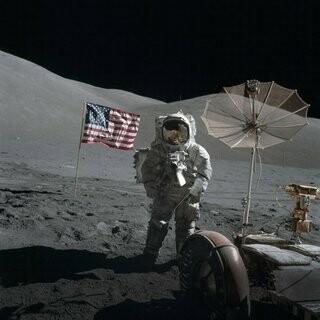
Ep 121: Apollo 17
Dr. Harrison Schmitt, the Apollo 17 lunar module pilot and the only geologist to walk on the Moon, discusses the 50th anniversary of the Apollo program, his Apollo 17 mission, what is scientifically interesting about the Moon, and what we have to loo…Norah Moran (NASA)
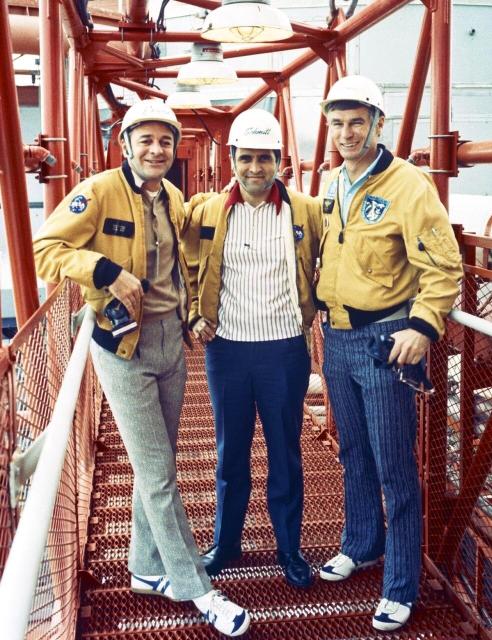
In 1972, #Apollo17 Mission Commander Eugene Cernan had 2 space flights under his belt, Gemini 9 in June 1966 and Apollo 10 in May 1969. Cernan was also a backup crew member of the Gemini 12, Apollo 7, and Apollo 14 missions.
Check out more photos: go.nasa.gov/3VXgppx
#NASAhistory
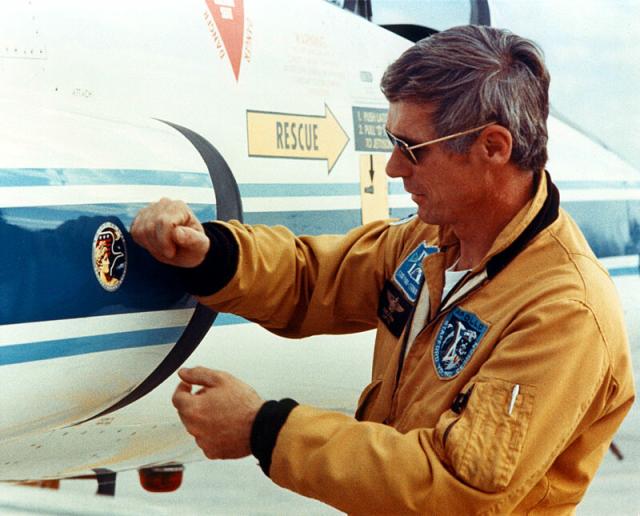
Gene Cernan
NASA brings you images, videos and features from the unique perspective of America's space agency. Get updates on missions, watch NASA TV, read blogs, view the latest discoveries, and more.NASA
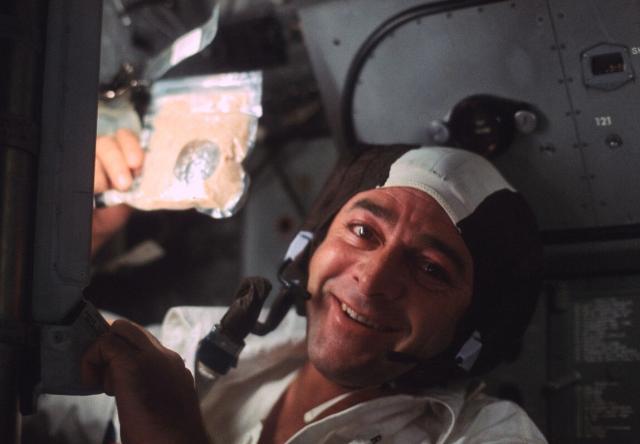
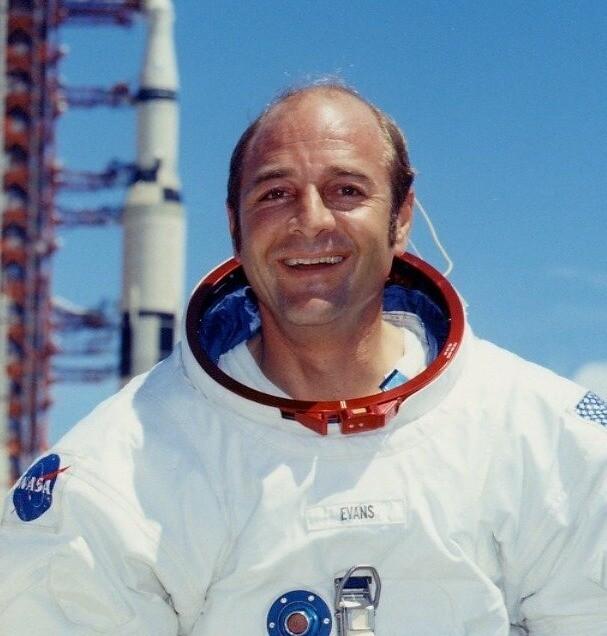
#Apollo17 Command Module Pilot Ronald E. Evans was selected as a member of the 4th group of NASA astronauts in 1966. He was an electrical and aeronautical engineer, and @USNavy aviator before his assignment to the Apollo 17 crew.
Ron Evans's biography: go.nasa.gov/3H1dCHC
#NASAhistory
#NASAhistory
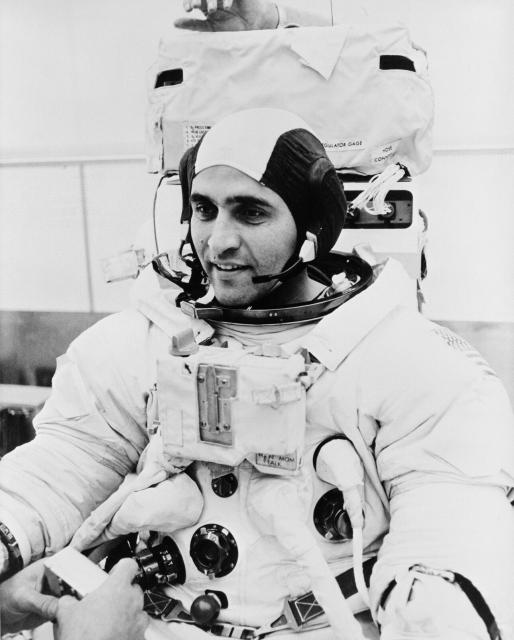
Rise and shine! 🛰️⏰
#OTD in 2014, the New Horizons spacecraft awoke from its "nap" in anticipation of reaching Pluto after almost 3 billion miles and 9 years. 7 months later, it captured these photos of Pluto (left) and Charon (right).
Read more: go.nasa.gov/3P1fVMH
#NASAhistory
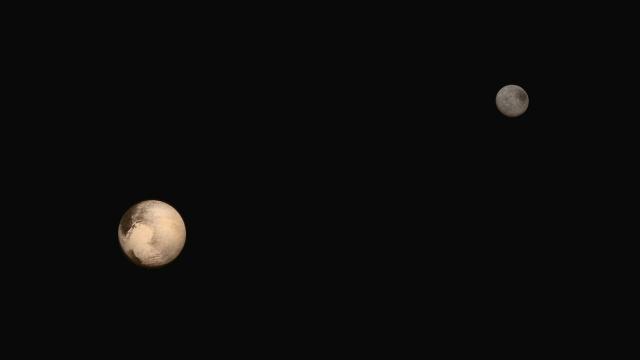
On Pluto’s Doorstep, New Horizons Spacecraft Awakens for Encounter
NASA’s New Horizons spacecraft came out of hibernation today for its long-awaited 2015 encounter with the Pluto system.NASA
#NASAhistory
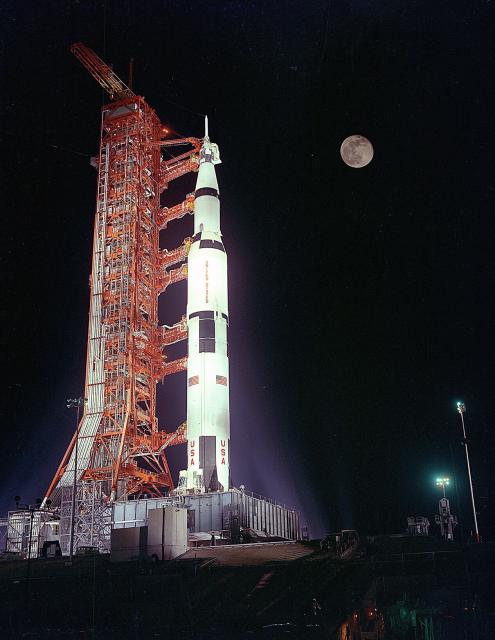
#OTD in 1998, the first two modules of the @Space_Station were mated together. 🛠 The newly joined Zarya module (on the left) and Unity module (right) are seen here in a photo taken by the crew of STS-88 just before their return to Earth.
Learn more: go.nasa.gov/3UxypFw
#NASAhistory
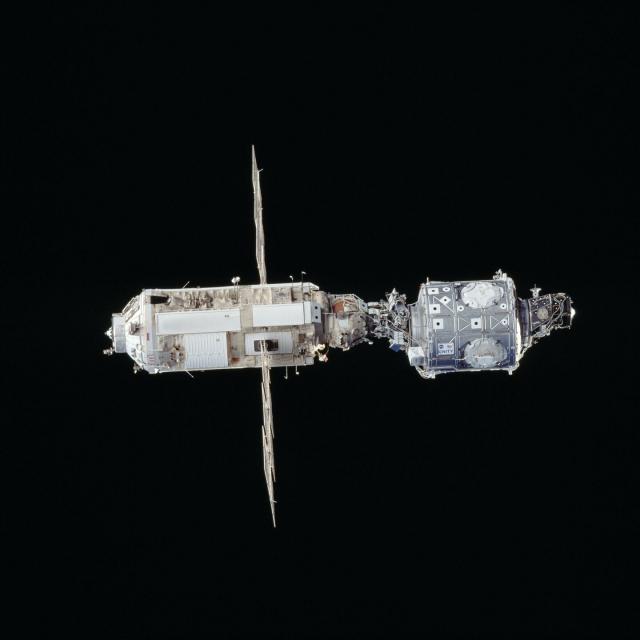
20 Years Ago, Space Station Construction Begins
20 Years Ago, ISS Construction BeginsKelli Mars (NASA)
#NASAhistory
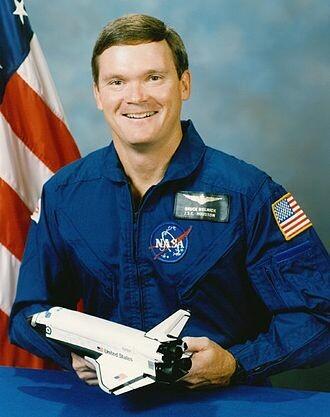
The (Amino) Truth is Out There 👽
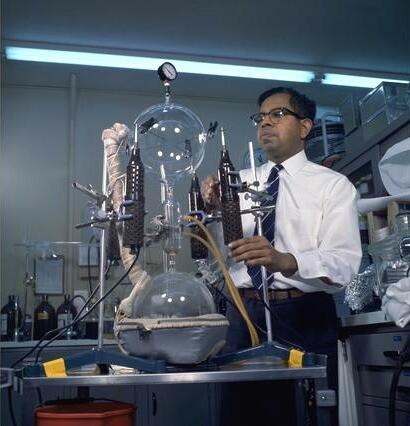
#OTD in 1970, Dr. Cyril Ponnamperuma at @NASAAmes and coauthors reported they had positively identified extraterrestrial amino acids in the Murchison meteorite. It was the 1st conclusive proof of chemical evolution beyond Earth. #AlienAminoAcids
#NASAhistory
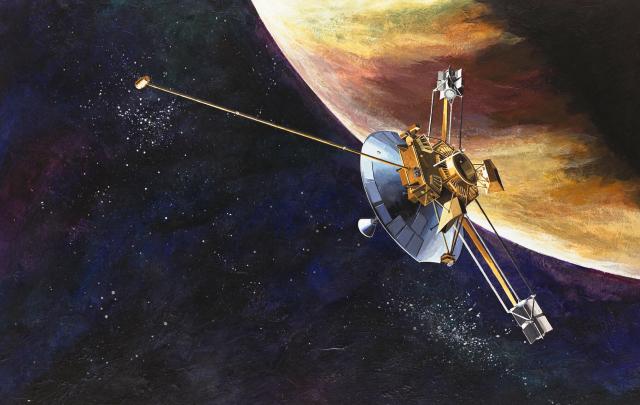
Venus's surface is shrouded in mystery thanks to its ultra-thick atmosphere, but when the Pioneer Venus Orbiter reached orbit 44 years ago on Dec. 4, 1978, it sent back detailed data about the planet…for another 14 years!
More about the mission: go.nasa.gov/3H4FI4A
#NASAhistory
In Depth | Pioneer Venus 1 – NASA Solar System Exploration
NASA’s real-time science encyclopedia of deep space exploration. Our scientists and far-ranging robots explore the wild frontiers of our solar system.NASA Solar System Exploration
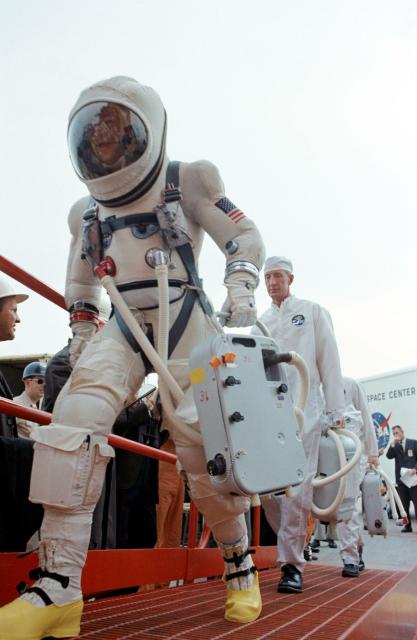
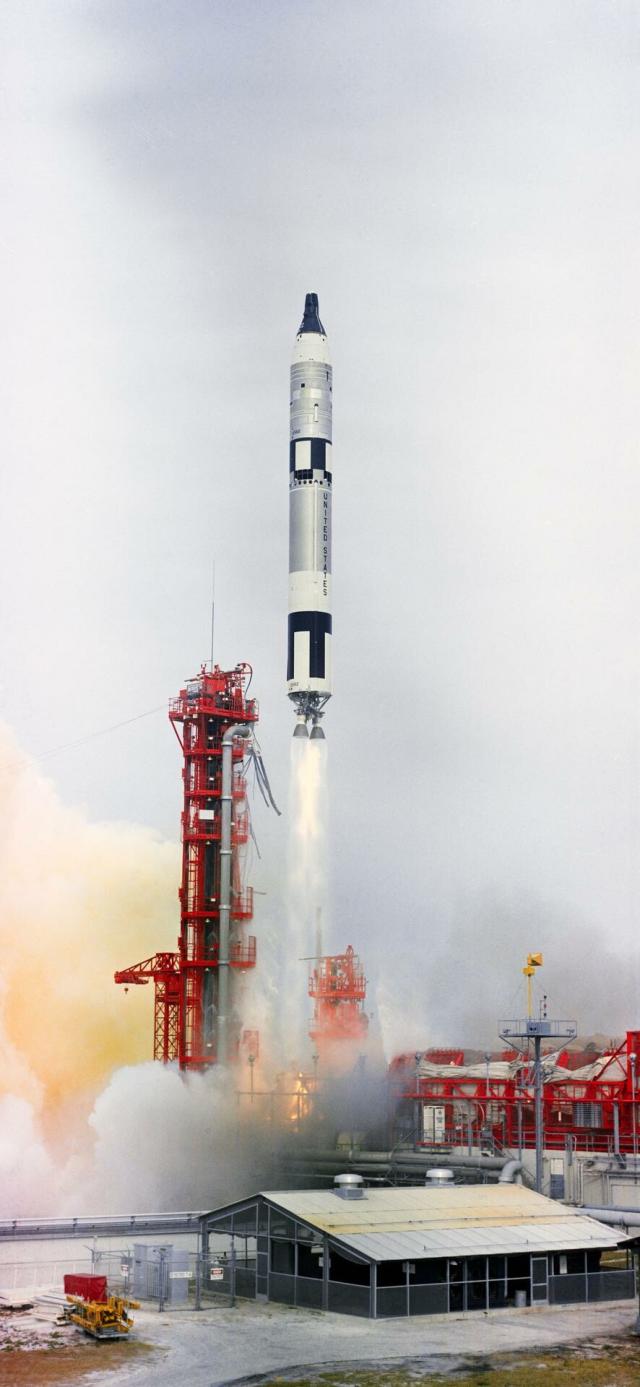
Gemini VII astronauts Jim Lovell and Frank Borman launched to Earth orbit #OTD in 1965 for a 14-day endurance mission to see how humans could handle extended periods in space and perform a rendezvous with another craft.
More about the Gemini VII mission: go.nasa.gov/3Fm6GmY
#NASAhistory
Astronauts Corps, then Peace Corps
#OTD in 1969, President Nixon announced that Neil Armstrong would serve as Chairman of the Presidential Advisory Committee for the @PeaceCorps, a role Armstrong would serve from 1971–1973.
A video on Armstrong's life: go.nasa.gov/3umHlDi
#NASAhistory
#NASAhistory
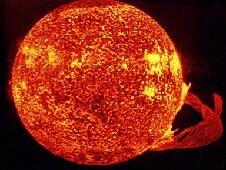
Overgrown Christmas ornament or precision laser ranging spacecraft? This 1975 footage of the building of LAGEOS dug up from NASA's Archives cranks the sparkle factor up to 11! #ArchivesSparkle #ArchivesHashtagParty
Watch the whole film: go.nasa.gov/3B4iAiT
#NASAhistory
Laser Geodynamics Satellite (LAGEOS)
This 1975 NASA video highlights the development of LAser GEOdynamics Satellite (LAGEOS I) developed at NASA's Marshall Space Flight Center in Huntsville, Ala...YouTube
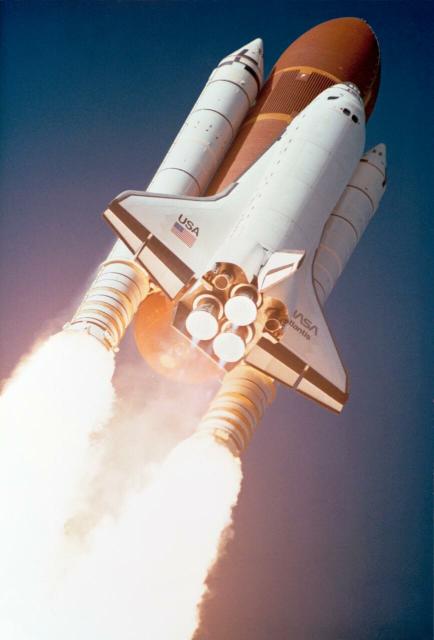
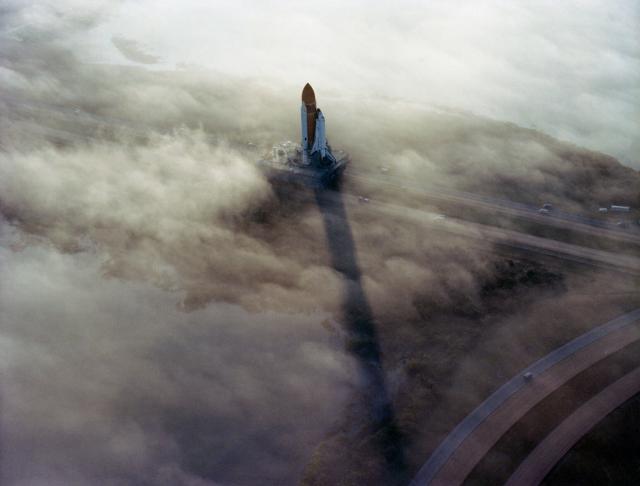
Match these Shuttle missions, all launched on Dec. 2! Answers in alt text.
1. STS-27
2. STS-35
3. STS-53
4. STS-61
A. 1st Hubble servicing mission
B. The 3rd classified DoD mission
C. NASA's Associate Administrator Bob Cabana was the pilot
D. Devoted to astronomical observation
#NASAhistory
#NASAhistory
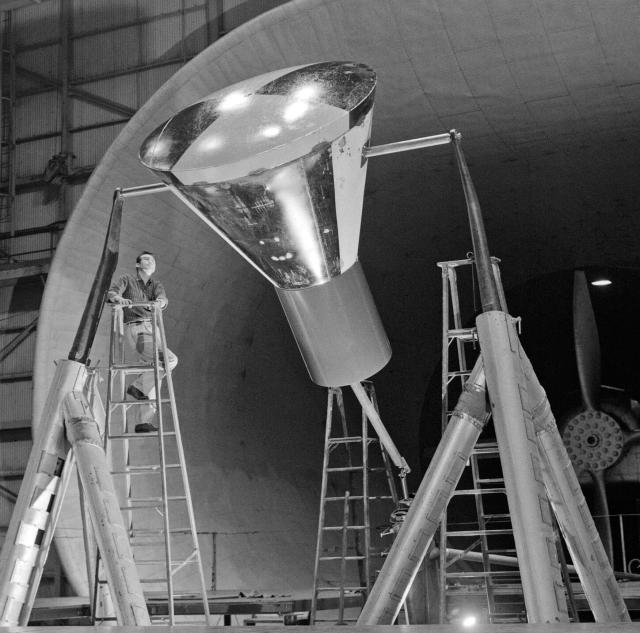
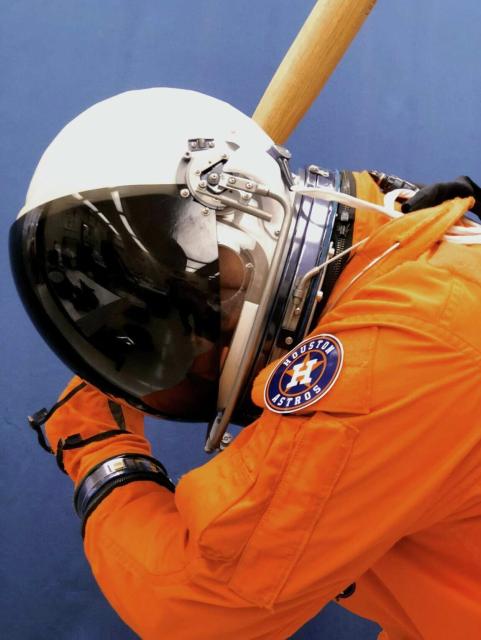
(Out of this) World Champions!
#OTD in 1964, the Houston Colt .45s baseball team changed its name to the Houston @astros reflecting the city's new fame as home to the Manned Spacecraft Center (later renamed @NASA_Johnson).
#NASAhistory
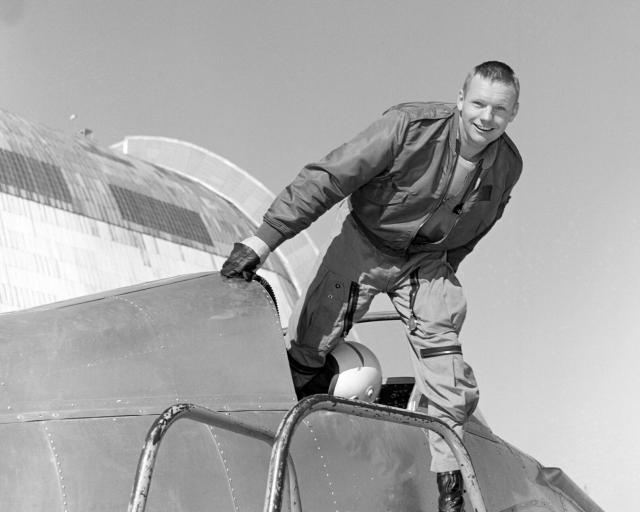
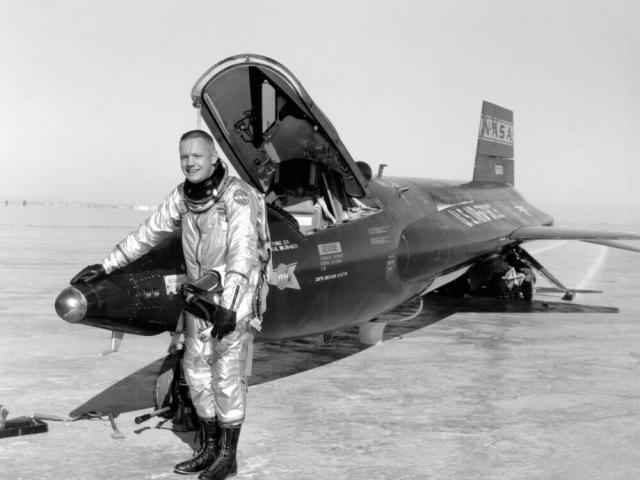
Before he was an astronaut, Neil Armstrong was a @nasa test pilot, testing research planes including the X-15. Milt Thompson called him "the most technically capable of the early X-15 pilots." On the last of his 7 X-15 flights in July 1962 he reached Mach 5.74.
📷 #OTD in 1959
#NASAhistory
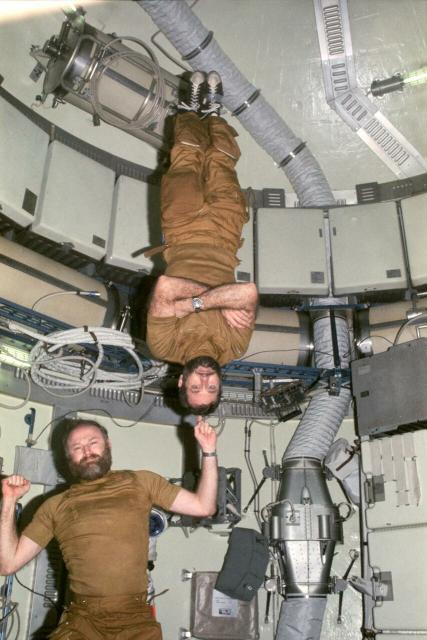
For the Skylab 4 crew, #NoShaveNovember lasted for almost 3 months! 🧔
Astronauts Gerald Carr (bottom) and William Pogue (top) perform a bit of zero-G "magic" in this February 1974 photo, while showing off their beard growth from nearly 3 months aboard the Skylab space station.
#NASAhistory
#NASAhistory
#NASAhistory
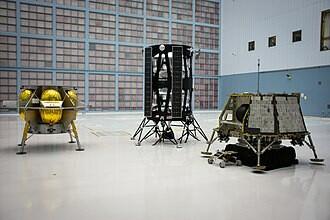
Commercial Lunar Payload Services
As the first major step to return astronauts to the Moon under Space Policy Directive-1, NASA is working with nine American companies on delivery services to the lunar surface through Commercial Lunar Payload Services (CLPS) contracts.NASA
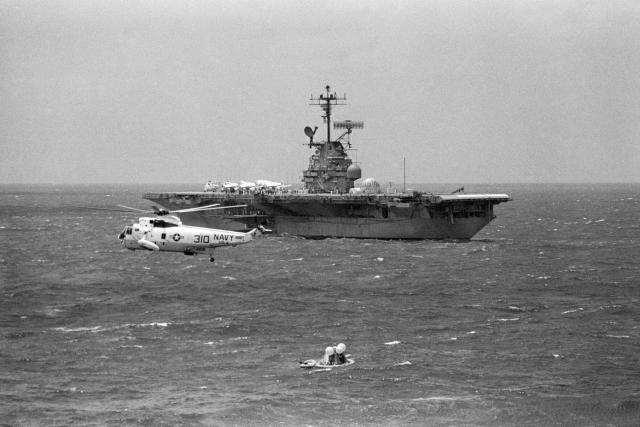
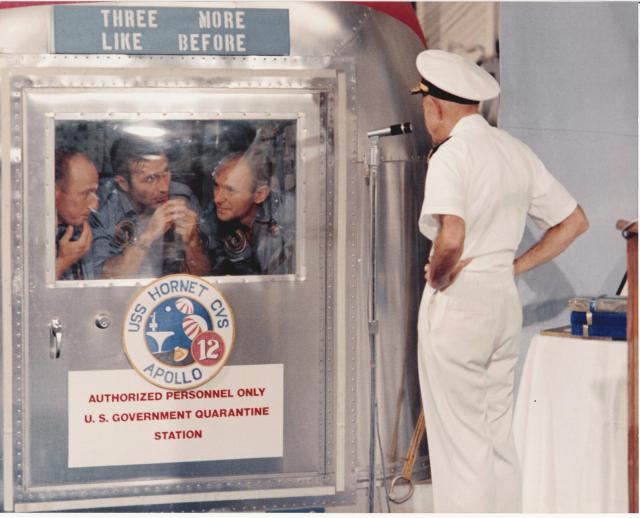
The USS Hornet (CV-12) was commissioned #OTD in 1943. 26 years later on Nov. 28, 1969, the Hornet delivered the crew of Apollo 12 inside the Mobile Quarantine Facility to Pearl Harbor.
Which other Apollo mission did the USS Hornet serve as the prime recovery carrier for?
#NASAhistory
📢 Call for Papers! 📝
In October, we're cohosting a two-day symposium on the history of NASA's Discovery and New Frontiers Programs. Be sure to submit your paper proposals before the deadline.
Get the details: go.nasa.gov/3U30Zi2
#NASAhistory
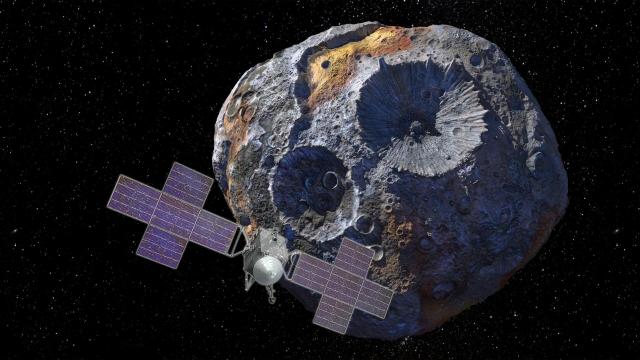
Call for Papers for Discovery@30, New Frontiers@20 Symposium
The NASA History Office and the Smithsonian’s National Air and Space Museum invite proposals for papers to be presented at a two-day symposium, October 12–13, 2023 in Washington, DC.Michele Ostovar (NASA)
Quiz time‼️
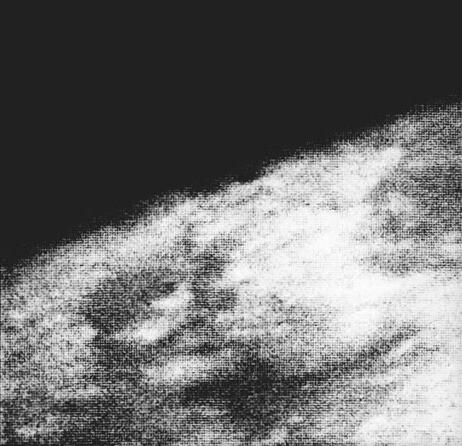
#OTD in 1964, Mariner 4 launched. This 1965 photo is the first closeup picture of what planet in our solar system? 🤔
A. Mercury
B. Venus
C. Mars
D. Jupiter
Comment below with your answer!
#NASAhistory
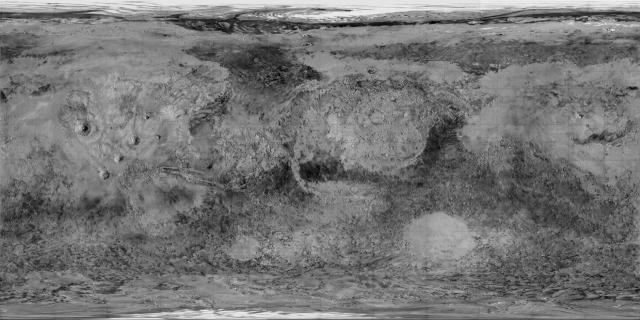
The first detailed map of another planet 🗺️
#50YearsAgo today, the US Geological Survey @USGS's global map of Mars was published. It was created using over 7,000 photos taken by @nasa's Mariner 9 spacecraft.
Read more:go.nasa.gov/3i3S6as
#NASAhistory
In Depth | Mariner 09 – NASA Solar System Exploration
NASA’s real-time science encyclopedia of deep space exploration. Our scientists and far-ranging robots explore the wild frontiers of our solar system.NASA Solar System Exploration
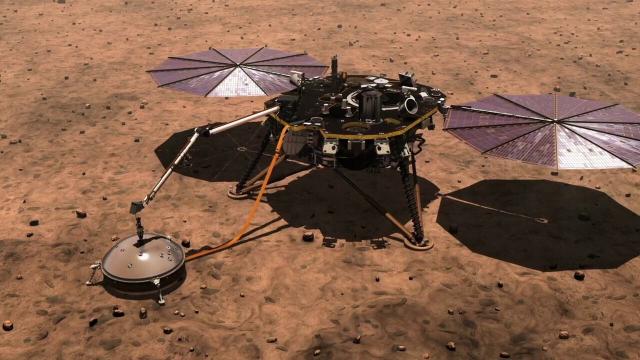
Giving us InSight into the inside!
On Nov. 26, 2018, the @NASAInSight lander landed on Mars to investigate the planet's interior measuring its seismic activity and interior heat. As the InSight mission prepares to wrap up, learn more about its findings: go.nasa.gov/3tUZtDZ
#NASAhistory
NASA's InSight Mars Lander
The InSight lander will study the interior of Mars and listen for Marsquakes.NASA's InSight Mars Lander