Search
Items tagged with: otd

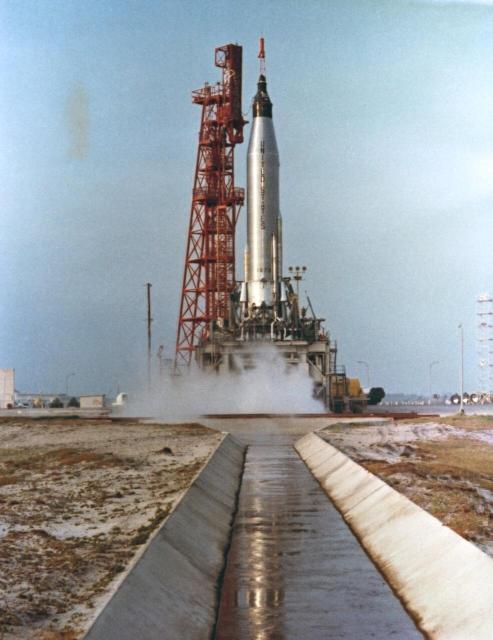
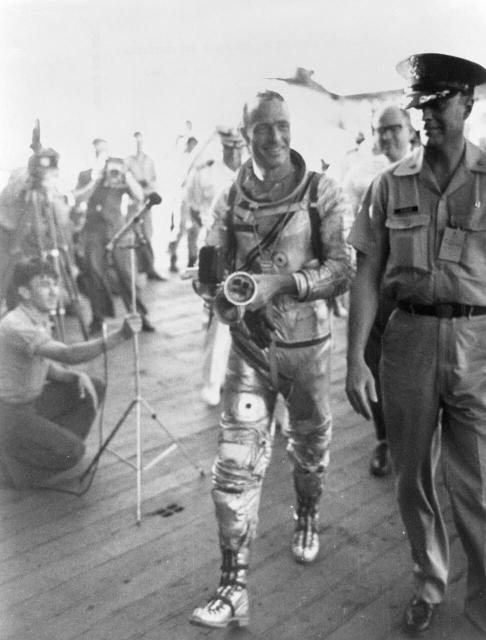
Scott Carpenter became the 2nd American to orbit Earth #OTD in 1962 with the launch of Mercury-Atlas 7. Despite a faulty horizon scanner and a delay in firing retrorockets for reentry, Carpenter manually piloted his Aurora 7 capsule to a safe splashdown.
go.nasa.gov/458P1tQ
#NASAhistory
60 Years Ago: Scott Carpenter Orbits the Earth aboard Aurora 7
On May 24, 1962, astronaut M. Scott Carpenter completed America’s second orbital spaceflight during the Mercury-Atlas 7 mission. Carpenter flew the mission after doctors grounded the prime crew member, astronaut Donald K. “Deke” Slayton...Kelli Mars (NASA)

#NASAhistory
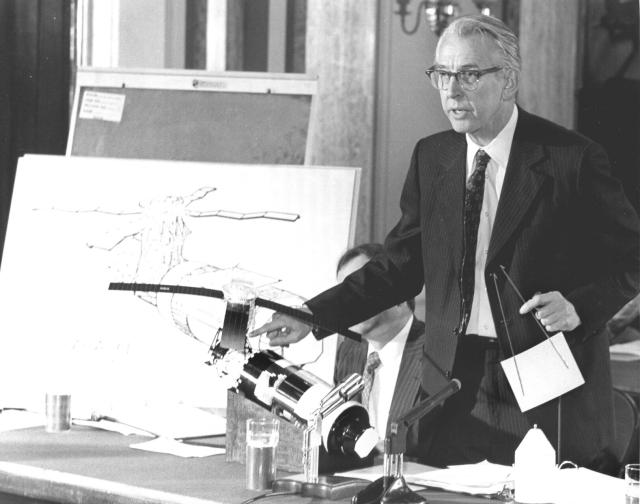
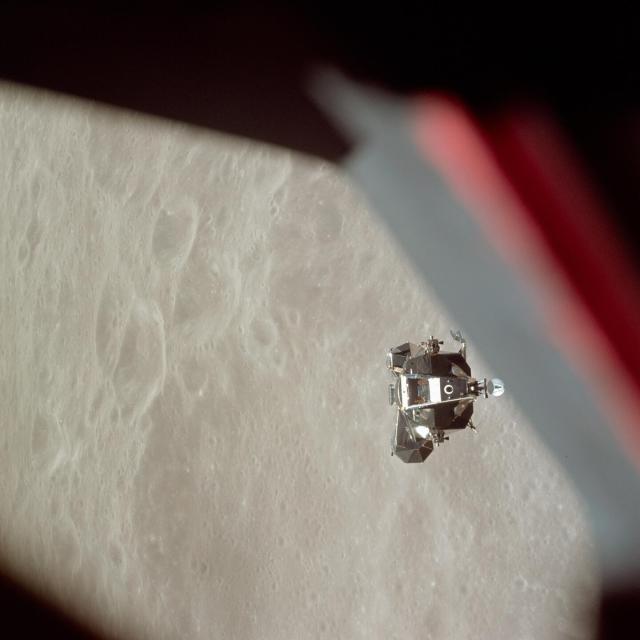
Tom Stafford and Gene Cernan, circling the Moon in the Apollo 10 Lunar Module (LM) fly to within 50,000 feet of the lunar surface #OTD in 1969. Two months later, Neil Armstrong and Buzz Aldrin would complete the descent.
📷 The LM as seen by John Young in the Command Module
#NASAhistory
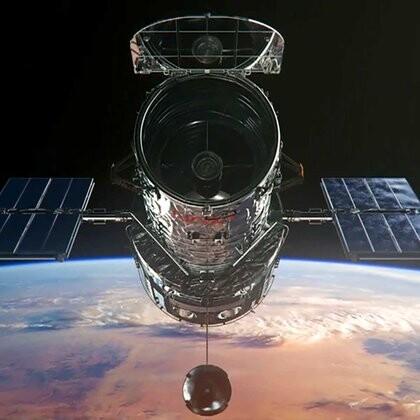
Hubble captured the first image #OTD in 2002!
This star is 20,000 light-years away, at the outer edge of our Milky Way Galaxy. In this sonification, scientists mapped brightness to pitch and volume, and the surrounding stars are pitched to musical notes: go.nasa.gov/3WescRA
#Hubble
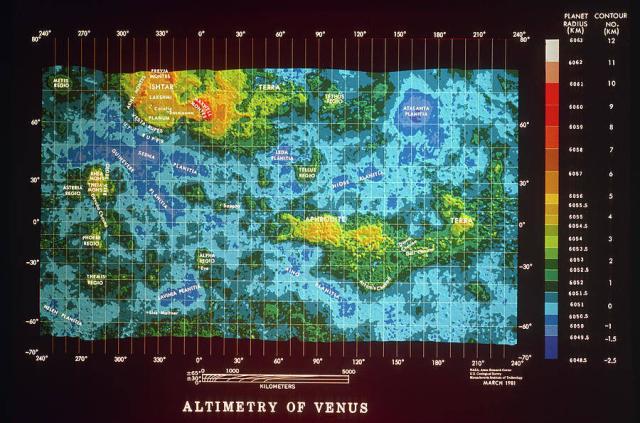
America's first spacecraft to orbit Venus, the Pioneer-Venus Orbiter, was launched #OTD in 1978. The spacecraft's radar penetrated Venus's thick atmosphere, allowing scientists to produce this topographical map of the surface. @NASASolarSystem
Learn more: go.nasa.gov/41Dn8al
#NASAhistory
In Depth | Pioneer Venus 1 – NASA Solar System Exploration
NASA’s real-time science encyclopedia of deep space exploration. Our scientists and far-ranging robots explore the wild frontiers of our solar system.NASA Solar System Exploration
"Houston, Hubble has been released. It's safely back on its journey of exploration" –Scott Altman, STS-125 Commander
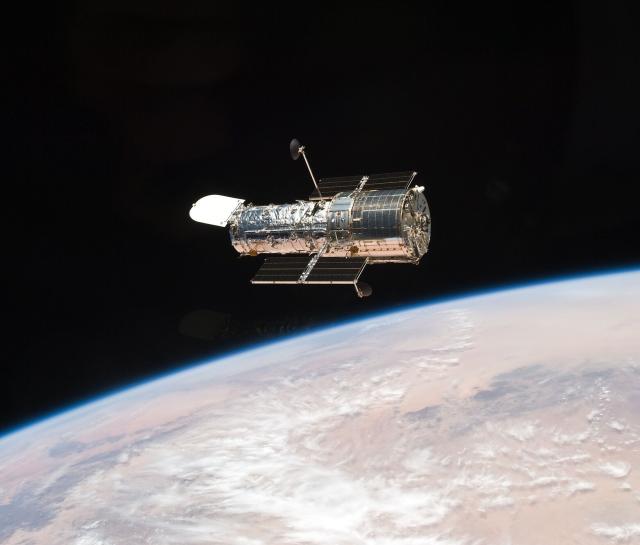
Space Shuttle Atlantis released the @NASAHubble Space Telescope #OTD in 2009 after the STS-125 crew made the observatory's final repairs and upgrades.
#NASAhistory
The dress rehearsal for landing the first astronauts on the Moon
#OTD in 1969, Apollo 10 astronauts Tom Stafford, Gene Cernan, and John Young launched to the Moon. The crew rehearsed all aspects of a lunar landing mission, except for the landing. go.nasa.gov/4542N0K
#NASAhistory
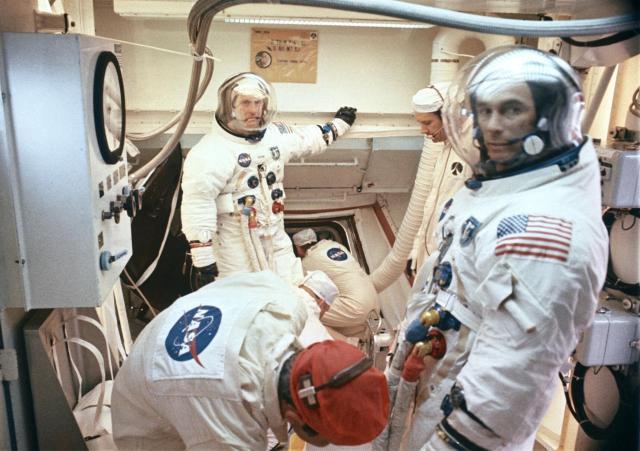
50 Years Ago: Apollo 10 to Sort Out the Unknowns
As Commander Thomas P. Stafford stated during a preflight press conference, Apollo 10 was planned to “sort out all the unknowns” to make the Moon landing possible.Kelli Mars (NASA)
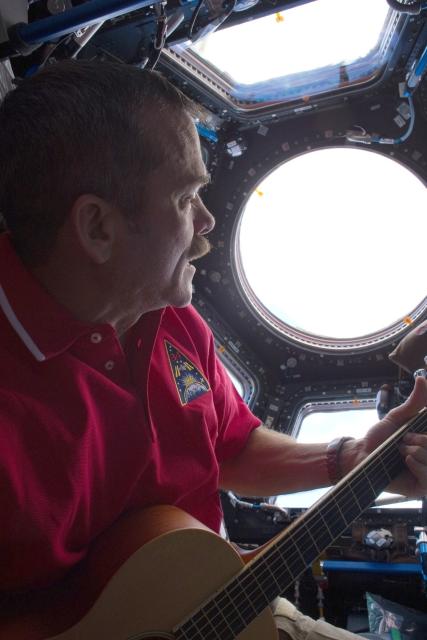
"Ground control to Major Tom" 🎤
@csa_asc astronaut @Cmdr_Hadfield treated us to the first music video made in space, released #OTD in 2013 (10 years ago today)! It's unclear whether we've been able to get David Bowie’s Space Oddity out of our heads since.
#NASAhistory
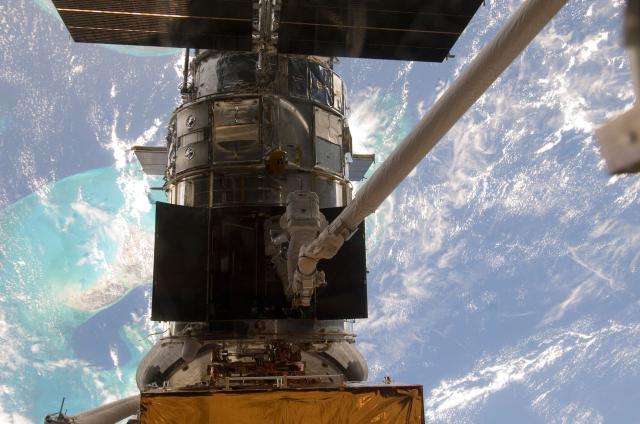
Space Shuttle Atlantis (STS-125) launched for the fifth and final Hubble Servicing Mission #OTD in 2009.
Over 5 spacewalks, the crew replaced 2 instruments and repaired 2 others, bringing @NASAHubble to the apex of its scientific capabilities!
More: go.nasa.gov/3B7Bx3O
#NASAhistory
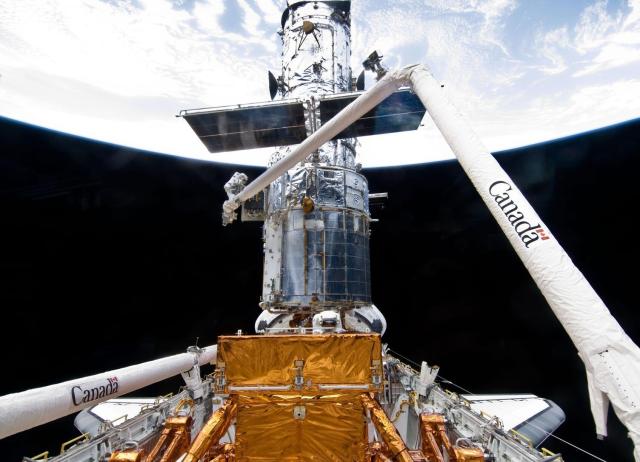
About - Hubble Servicing Missions | Servicing Mission 4
NASA.gov brings you the latest images, videos and news from America's space agency. Get the latest updates on NASA missions, watch NASA TV live, and learn about our quest to reveal the unknown and benefit all humankind.NASA
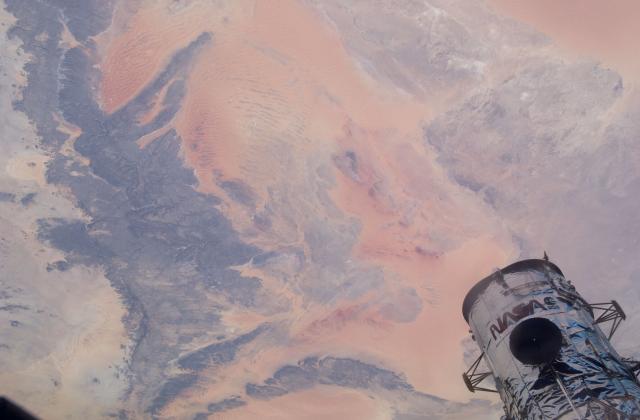
Here’s some Hubble history: #OTD in 2009, the fifth servicing mission to the telescope launched!
The mission’s crew installed new scientific instruments, while also completing repairs and upgrades that made Hubble more capable than ever.
Read more: go.nasa.gov/3Bg3GFN
#Hubble
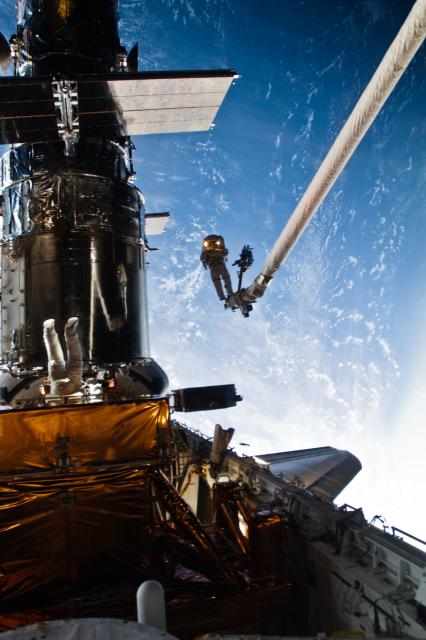
About - Hubble Servicing Missions | Servicing Mission 4
NASA.gov brings you the latest images, videos and news from America's space agency. Get the latest updates on NASA missions, watch NASA TV live, and learn about our quest to reveal the unknown and benefit all humankind.NASA
#NASAhistory
Hayabusa - Asteroid & Comet Missions - NASA Jet Propulsion Laboratory
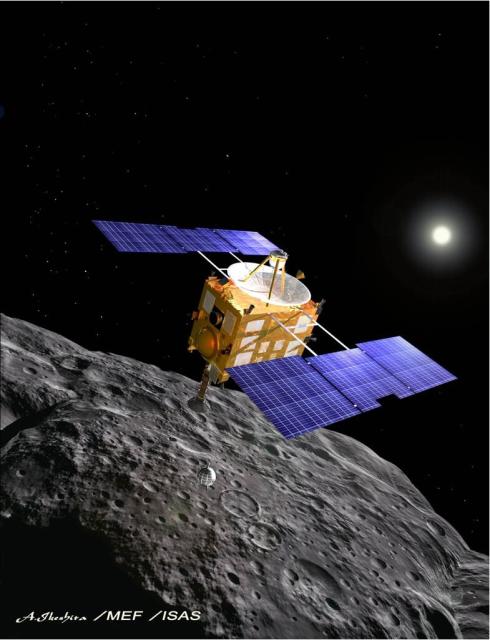
Launch and mission summary for the Japanese Hayabusa mission (with NASA/JPL participation), the first mission to return a sample of material from the surface of an asteroid.NASA Jet Propulsion Laboratory (JPL)
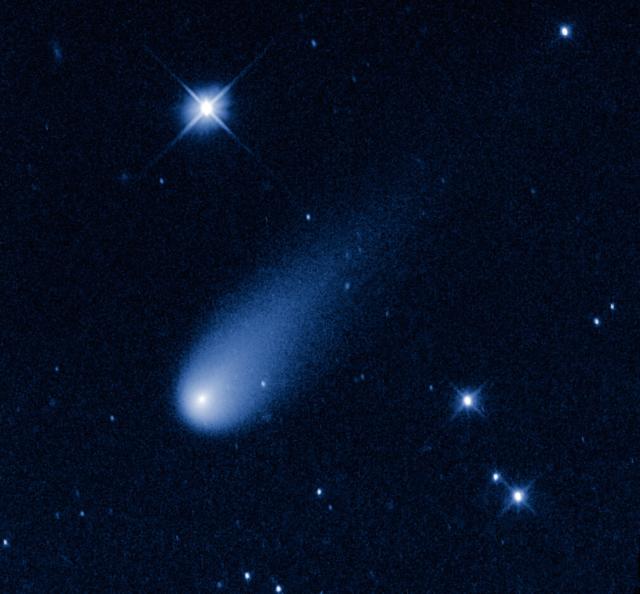
#OTD 10 years ago, Hubble snapped this shot of Comet ISON!
At the time, the comet was about 403 million miles from Earth – between the orbits of Mars and Jupiter.
Comet ISON hurtled toward our Sun at 48,000 miles per hour (~77,000 km/hr): go.nasa.gov/41iezlb
#Hubble
#OTD in 1968, Astronaut Neil Armstrong takes the Lunar Landing Research Vehicle 1 (LLRV-1) for a training flight and is forced to eject right before it crashes in a fiery blaze!
More about this hair-raising episode 55 years ago today: go.nasa.gov/3LWJHCr
#NASAhistory
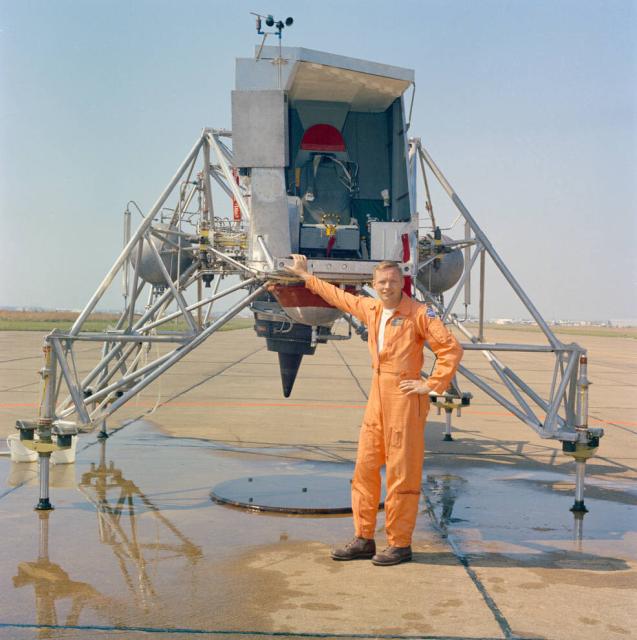
55 Years Ago: Astronaut Armstrong Survives LLRV Crash
On May 6, 1968, NASA astronaut Neil A. Armstrong took off on a simulated lunar landing mission in a Lunar Landing Research Vehicle (LLRV) at Houston’s Ellington Air Force Base (AFB).Kelli Mars (NASA)
Alan Shepard became the first American to venture into space #OTD in 1961! Squeezing into the tiny "Freedom 7" capsule, Shepard's 15-minute suborbital flight was just a few weeks after Yuri Gagarin's landmark trip to space.
Watch highlights of this day ▶️ go.nasa.gov/3AKgGDy
#NASAhistory
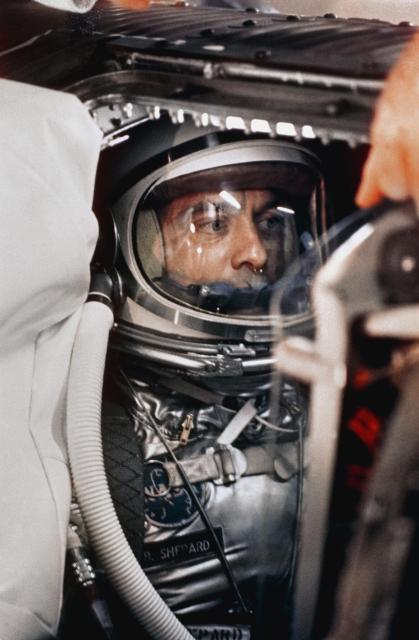
60 Years of Human Spaceflight: Launching The First American into Space
Sixty years ago, on May 5, 1961, NASA astronaut Alan Shepard Jr. launched on the Freedom 7 mission, powered by a Mercury-Redstone rocket to become the first ...YouTube
Lower your blast shield and stretch out with your feelings
Launched #OTD in 1976 (a year before we 1st witnessed Luke's lightsaber training), LAGEOS was a laser-ranging satellite able to measure small changes in the Earth. #StarWarsDay
go.nasa.gov/3AOjEXJ
#NASAhistory

Now 40, LAGEOS Set the Bar for Studies of Earth
Still going strong after 40 years in space, the LAGEOS satellite was NASA's first orbiter dedicated to precise laser measurements of Earth.NASA
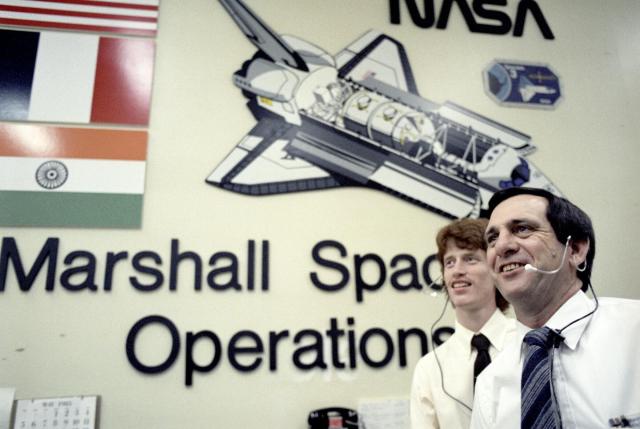
STS-51B launched #OTD in 1985, for the 2nd flight of the Spacelab module (Spacelab 3) carrying 15 primary microgravity experiments.
@NASAMarshall Space Flight Center had management responsibility for the Spacelab 3 mission. 📷 Marshall Spacelab Operations Control Center
#NASAhistory
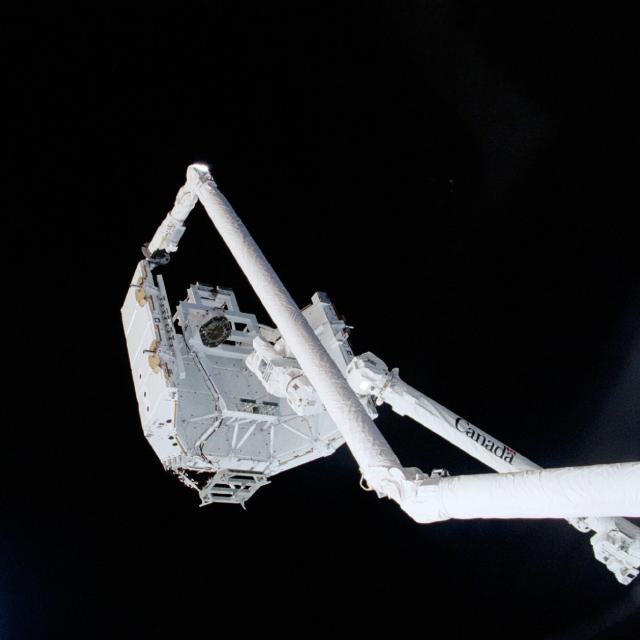
Canadarm, meet Canadarm2 🤝
#OTD in 2001, the @Space_Station's newly installed Canadarm2 transferred its launch cradle to Space Shuttle Endeavour's Canadarm, performing a "handshake" in space. @csa_asc astronaut Chris Hadfield was at the STS-100 shuttle's Canadarm controls.
#NASAhistory
33 years later, Hubble continues to explore and inspire!
@NASAHubble was deployed by Space Shuttle Discovery #OTD in 1990, becoming one of the notable success stories in NASA's history!
Read about HST's early days in Chris Gainor's historical account: go.nasa.gov/3ovH3dq
#NASAhistory
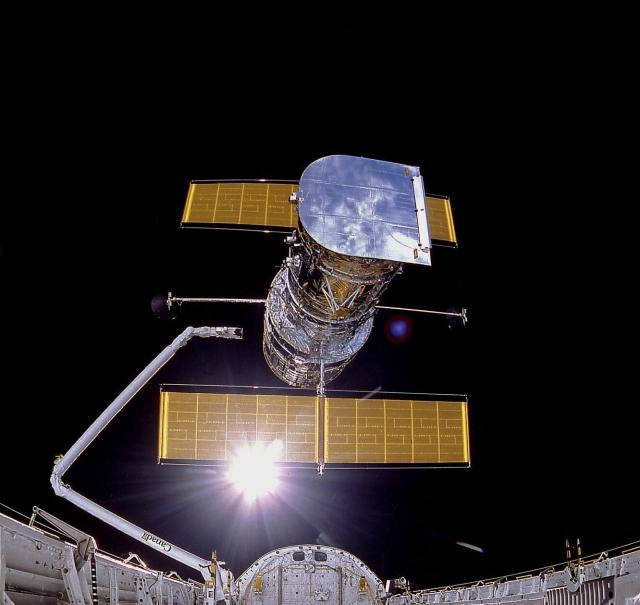
Not Yet Imagined
Not Yet Imagined documents the history of the Hubble Space Telescope from its launch through its first 30 years of operation in space.Michele Ostovar (NASA)
#MondayMotivation: Never stop exploring!
#NASAExoplanets
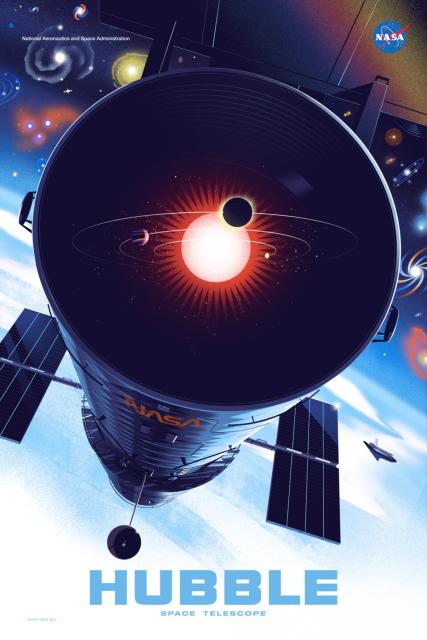
Hubble Space Telescope Poster - Exoplanet Exploration: Planets Beyond our Solar System
In space for more than 30 years, Hubble truly is NASA’s most versatile, intrepid explorer. It brought the cosmos down to Earth.Exoplanet Exploration: Planets Beyond our Solar System
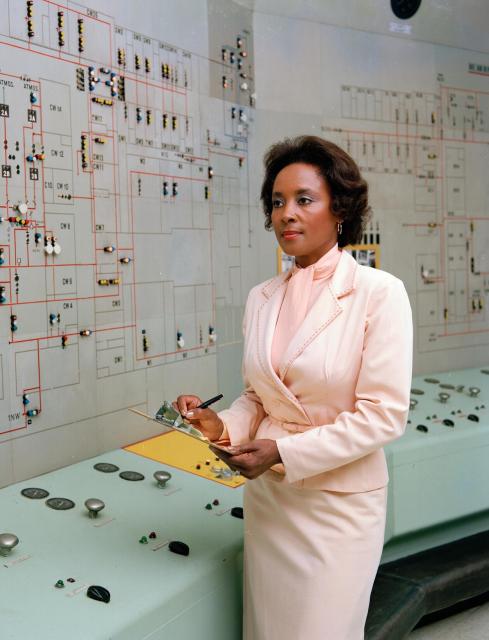
Annie Easley, born #OTD in 1933, began her career at the NACA as a “human computer,” performing complex calculations. When machines began to replace human computers, Easley adapted, becoming an expert computer programmer.
More on her years at @NASAglenn: go.nasa.gov/3A4L9fj
#NASAhistory
Apollo 16 astronauts John Young and Charlie Duke landed on the Moon #OTD in 1972!
While on the lunar surface, they collected 212 pounds (96 kg) of lunar samples and ventured out 2.4 mi (3.8 km) from their landing spot with the help of the lunar rover. go.nasa.gov/41jJdLF
#NASAhistory
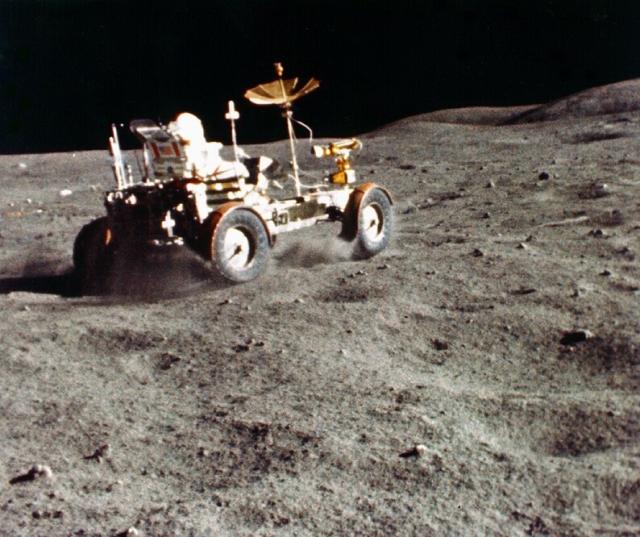
50 Years Ago: Apollo 16 on the Moon at Descartes
Apollo 16 entered lunar orbit on April 19, 1972. The next day, astronauts John W. Young and Charles M. Duke separated their Lunar Module (LM) Orion from Thomas K. “Ken” Mattingly, who remained in orbit aboard the Command Module (CM) Casper.Kelli Mars (NASA)
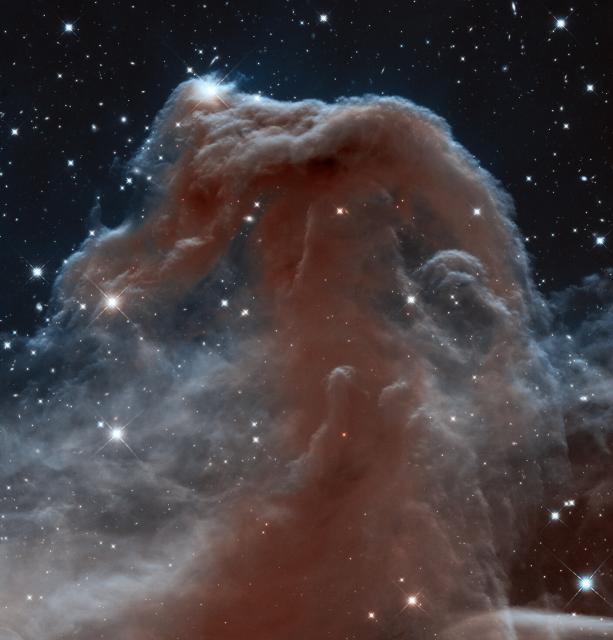
#OTD 10 years ago, Hubble shared this infrared view of the Horsehead Nebula!
Harsh ultraviolet glare from a fledgling star near the top ridge of the nebula is slowly evaporating this pillar of hydrogen gas laced with dust.
Find out more: go.nasa.gov/3mFejP3
#Hubble
#NASAExoplanets
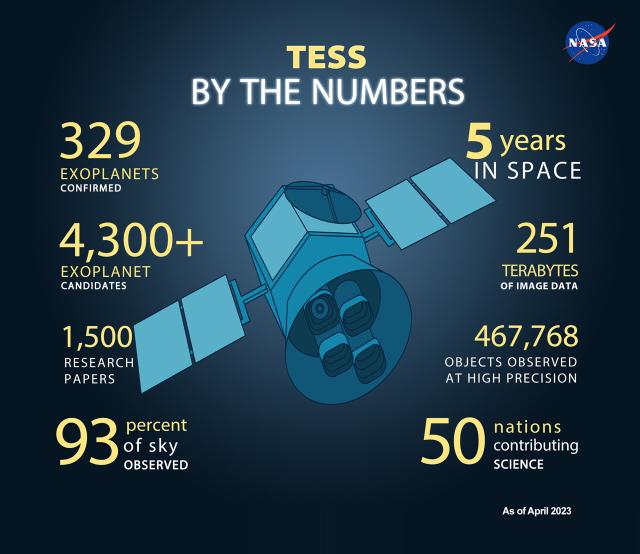
NASA’s TESS Celebrates Fifth Year Scanning the Sky for New Worlds
Now in its fifth year in space, NASA’s TESS mission has found 329 new worlds, thousands of candidates, and provided insights into a wide array of cosmic phenomena.Francis Reddy (NASA)
#NASAExoplanets
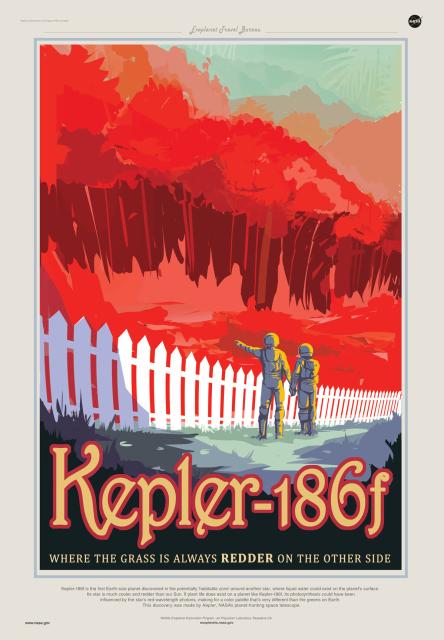
Kepler-186f - Guided Tour | Exoplanet Travel Bureau – Exoplanet Exploration: Planets Beyond our Solar System
Kepler-186f was the first exoplanet discovered in the habitable zone of another star.Exoplanet Exploration: Planets Beyond our Solar System
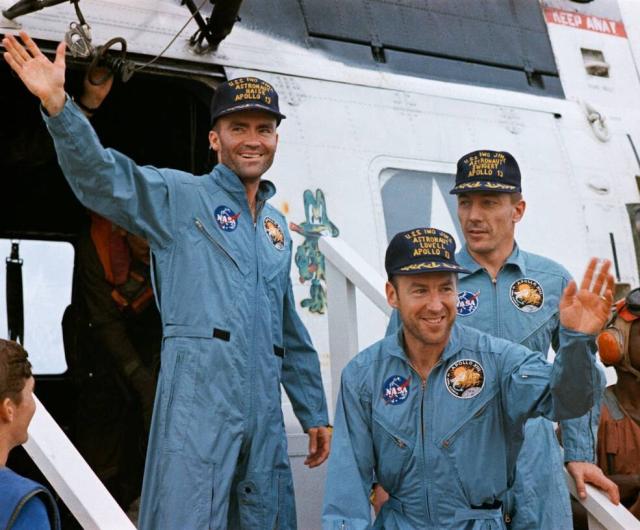
Home Safe and Sound
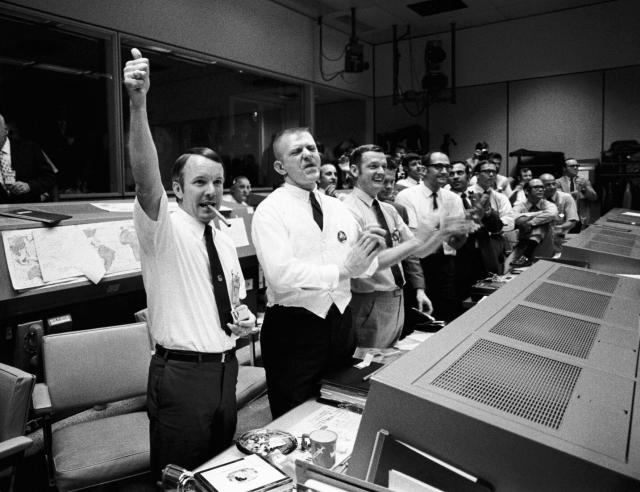
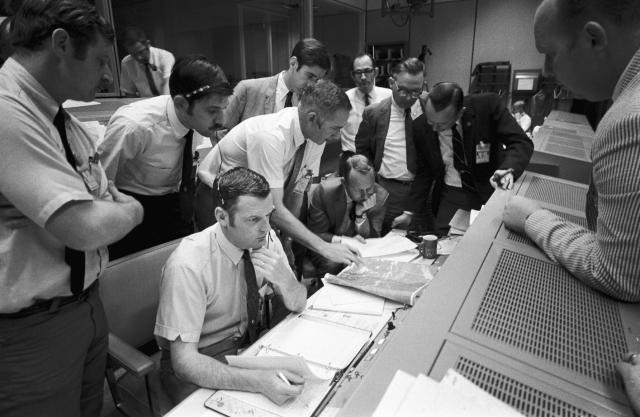
The exhausted Apollo 13 flight controllers, joined by astronauts, managers, and VIPs in the Mission Control Center in Houston, rejoiced in the safe splashdown of the Apollo 13 astronauts in the Pacific Ocean #OTD in 1970. go.nasa.gov/3UpaJVF
#NASAhistory
#NASAhistory
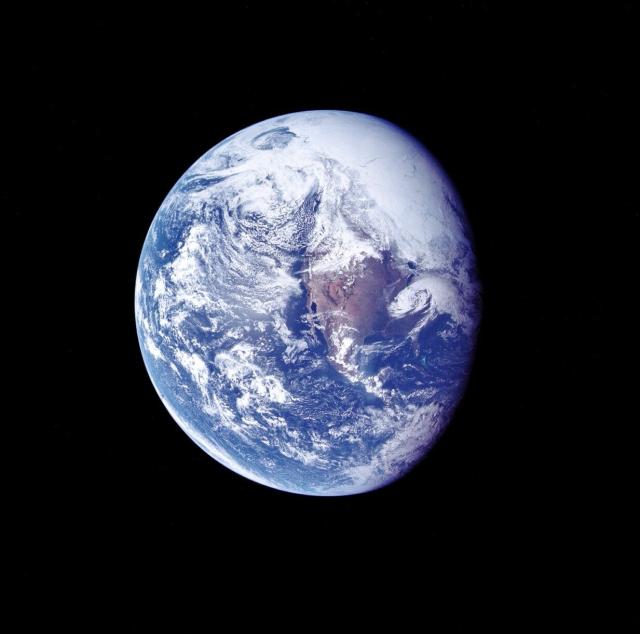
50 Years Ago: Apollo 16 Launches to the Moon
The fifth Moon landing mission began with the April 16, 1972 launch of Apollo 16. The giant Saturn V rocket lifted off from Launch Pad 39A at NASA’s Kennedy Space Center (KSC) in Florida...Kelli Mars (NASA)
#NASAhistory
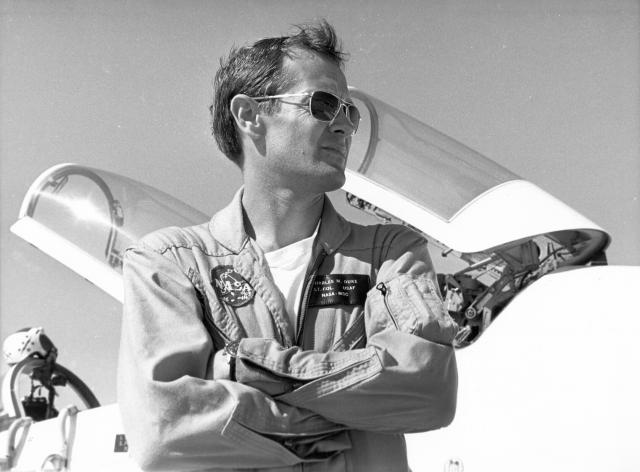
The dawn of a new age in space flight!
The wheels of Space Shuttle Columbia, the first reusable spacecraft, touched down at Edwards Air Force Base after its first flight to space #OTD in 1981.
Bob Crippen's memories of this historic flight: go.nasa.gov/410vfya
#NASAhistory
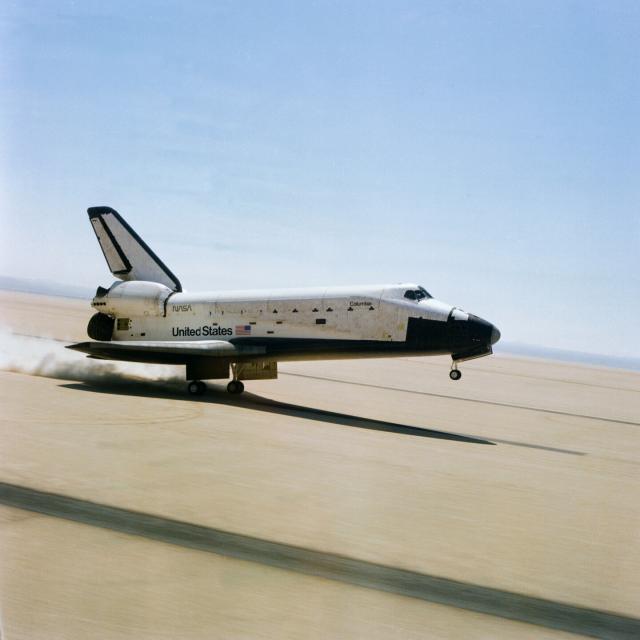
STS-1: Astronaut Bob Crippen Remembers the Ride of His Life
STS-1: Astronaut Bob Crippen remembers the ride of his life.Linda Herridge (NASA)
"Houston, we've had a problem."
Jim Lovell spoke these words #OTD in 1970 following the rupture of a service module oxygen tank on the Apollo 13 spacecraft.
Watch the crew and mission control's recollections of the moment: go.nasa.gov/3MHhJuW
#NASAhistory
Apollo 13: ‘Houston, We’ve Had a Problem’
“Houston, we've had a problem” is the now famous phrase radioed from Apollo 13 to Mission Control upon the catastrophic explosion that dramatically changed t...YouTube
The first spaceflight of the Shuttle program 🚀
#OTD in 1981, Space Shuttle Columbia roared into orbit from @NASAKennedy for the first time carrying a crew of two: John Young and Robert Crippen.
More photos and history from STS-1: go.nasa.gov/3UvuWJh
#NASAhistory

#NASAhistory
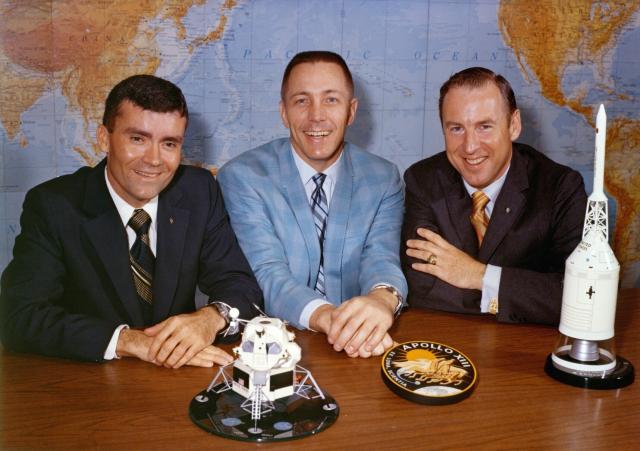
The 3 astronauts who flew on Apollo 13, Fred Haise, John Swigert and Jim Lovell, are seen in this photo taken the day before launch #OTD in 1970.
Ken Mattingly, the prime Command Module Pilot, was bumped from the flight 3 days before launch after being exposed to German Measles.
#NASAhistory
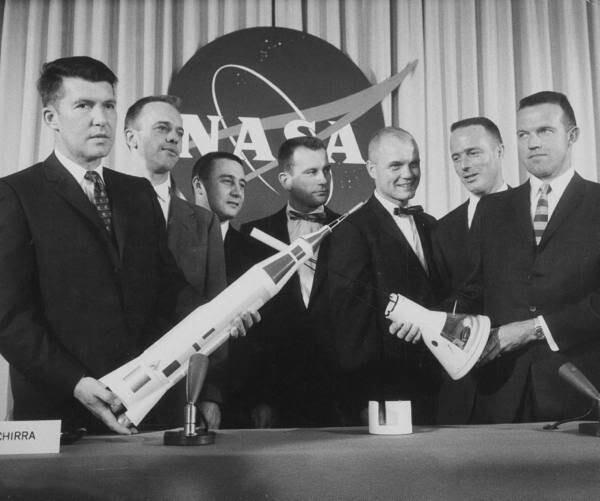
Introducing the Mercury 7!
The first seven @nasa astronauts were revealed #OTD in 1959, just six months after the establishment of the space agency.
Learn more about their pioneering space flights: go.nasa.gov/43gnqpQ
#NASAhistory
#NASAhistory
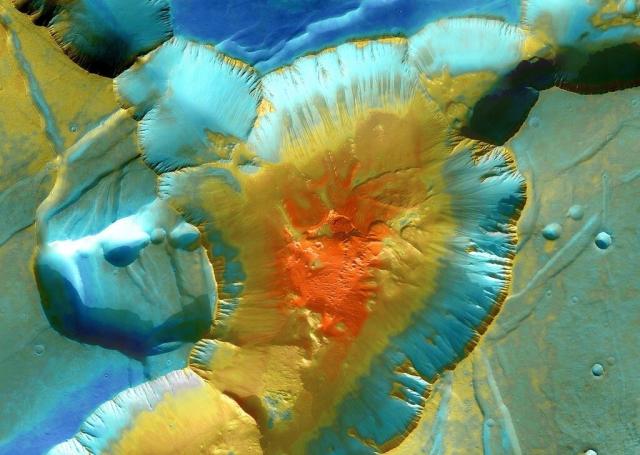
Mars Odyssey Orbiter - NASA
NASA Odyssey Orbiter - overview, videos, images and informationgo.nasa.gov
#NASAhistory
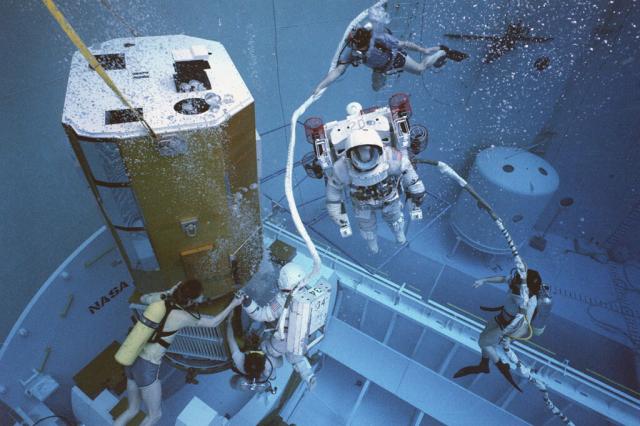
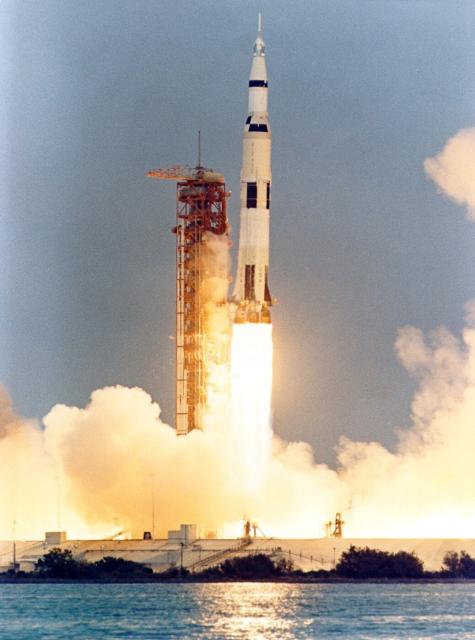
Apollo 6, the second all-up uncrewed test of the Saturn V, launched #OTD in 1968, the same day Martin Luther King, Jr. was assassinated.
While there were problems, NASA managers thought they were surmountable and the next launch would carry a crew. go.nasa.gov/3GDPNoj
#NASAhistory
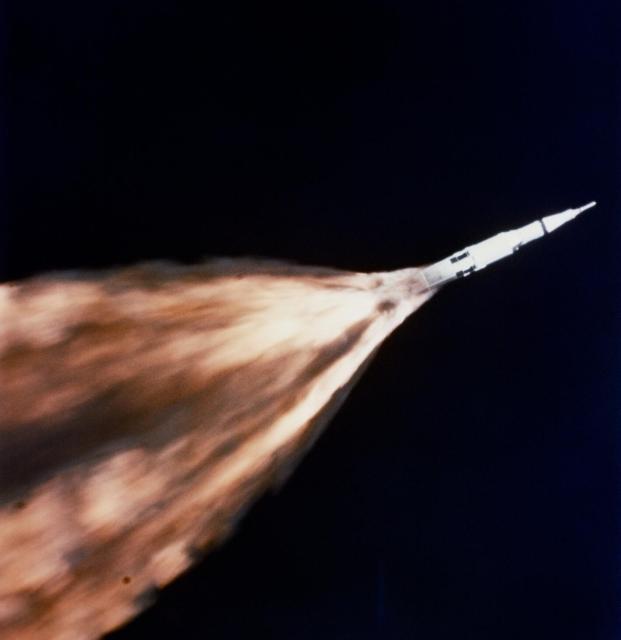
The Legacy of Apollo 6
Following on the heels of the two very successful Apollo 4 and 5 missions, Apollo 6 was the second all-up unmanned test of the Saturn 5.NASA
Good morning Atlantis!
#OTD in 1992 STS-45 landed. On board: future NASA Administrator Charles Bolden, the first Belgian citizen in space Dirk Frimout, and the 1st Atmospheric Laboratory for Applications and Science (ATLAS) experiments.
About the mission go.nasa.gov/3TM1Xke
#NASAhistory
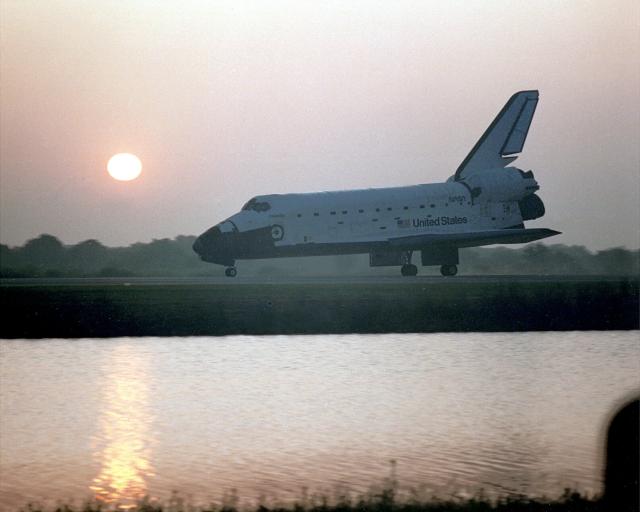
#OTD last year, we shared news of Hubble's detection of the farthest individual star ever seen!
Go "inside the image" of the star Earendel to learn about this record-breaking observation.
You can read more here: go.nasa.gov/42UdpOY
#Hubble
Record Broken: Hubble Spots Farthest Star Ever Seen
NASA’s Hubble Space Telescope has established an extraordinary new benchmark: detecting the light of a star that existed within the first billion years after the universe’s birth in the big bang – the farthest individual star ever seen to date.Andrea Gianopoulos (NASA)
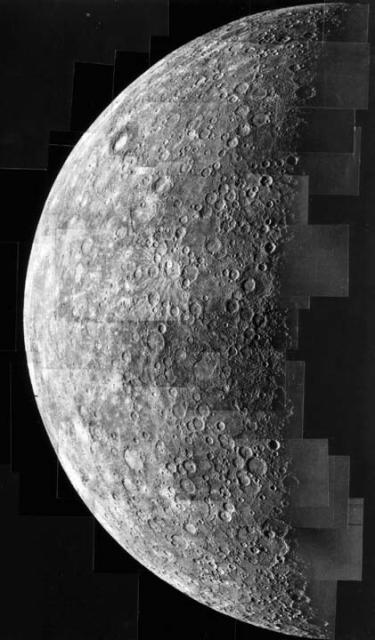
Mariner 10, the 1st spacecraft sent to study Mercury, took the first closeup photos of the planet as it made its first flyby #OTD in 1974. Pictured is a mosaic of images taken by the spacecraft about 6 hours before closest approach. @NASASolarSystem
But that's not all…
#NASAhistory