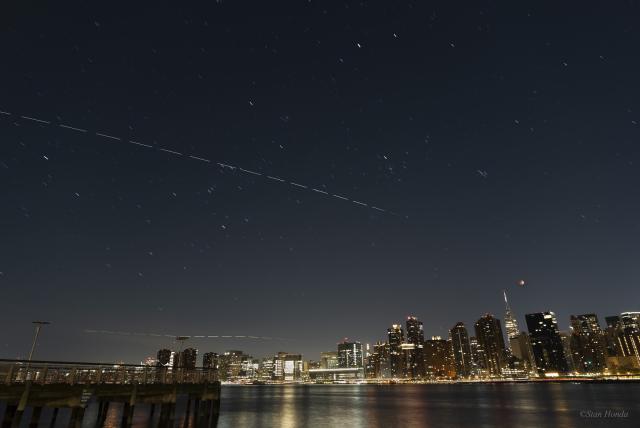
The astronauts have been growing plants and vegetables on the station for years. Scientists are planning new experiments to promote space agriculture and sustain future crews. See space botany pix... flic.kr/s/aHsmEXy73j #ISSnitter.net/Space_Station/statu…
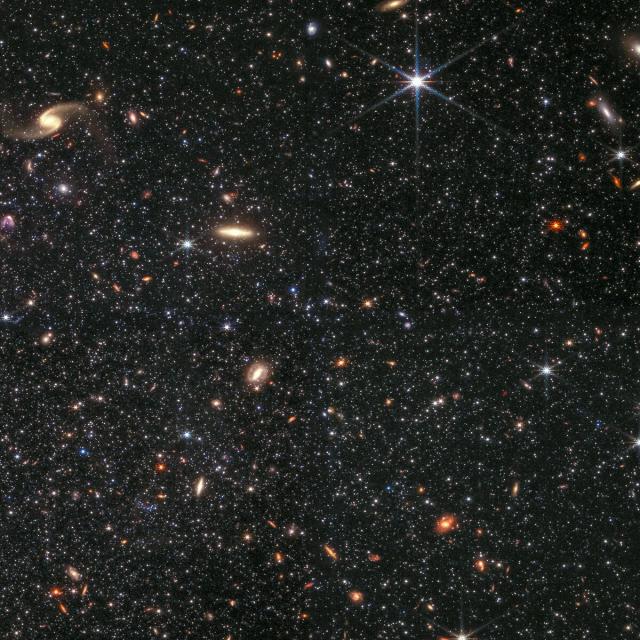
Foreground stars & background galaxies💫 Imagine standing on a faraway planet and looking up. This new @NASAWebb image reveals myriad stars of different colors, sizes, temperatures and stages of evolution. Individual galaxies form the background. go.nasa.gov/3hnt4Tv #NASAExoplanetsnitter.net/NASAExoplanets/stat…
Exoplanets are so far away that the most common methods to find them involve looking at their host stars. That can make finding small planets similar to Earth even more challenging. Soon, astronomers will have a new planet-finding tool! bit.ly/3EmlO3a #NASAExoplanetsnitter.net/NASAExoplanets/stat…
We asked you to pick your favorite exoplanet type and it wasn't even close. Let's hear it for super-Earths! Planets between twice Earth's size and Neptune are common in our galaxy, but there's nothing like them in our solar system! go.nasa.gov/3UFJrcy #NASAExoplanetsnitter.net/NASAExoplanets/stat…
Super-Earths – a class of planets unlike any in our solar system – are more massive than Earth yet lighter than ice giants like Neptune and Uranus, and can be made of gas, rock or a combination.
About 250 light-years from Earth, two planets orbiting a K-type star smaller than our Sun join our list of confirmed exoplanets. One is a hot mini-Neptune and the other is an eccentric cold Jupiter. This brings us to 5,197 planets beyond our solar system! go.nasa.gov/3TgPpPK #NASAExoplanetsnitter.net/NASAExoplanets/stat…
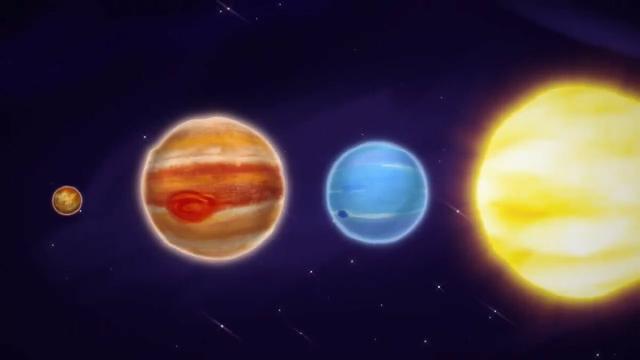
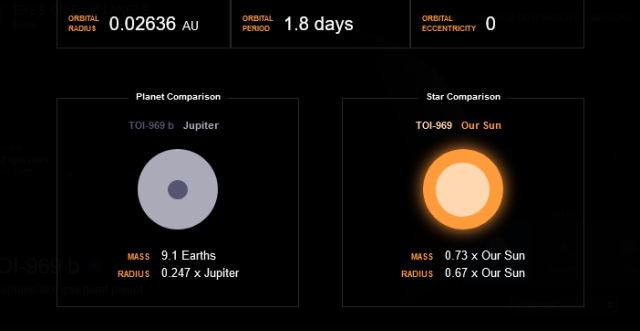
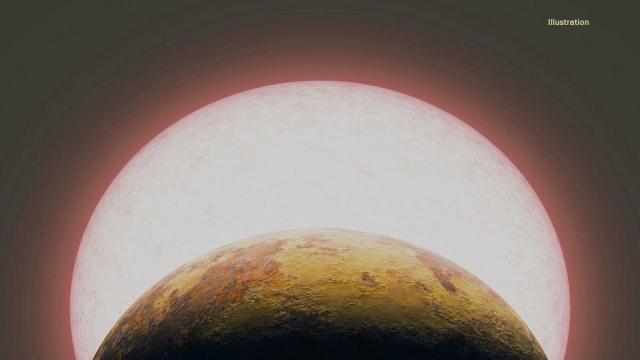
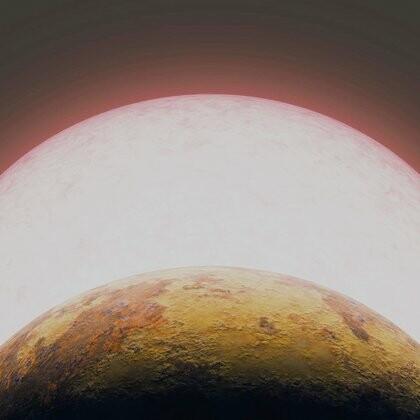
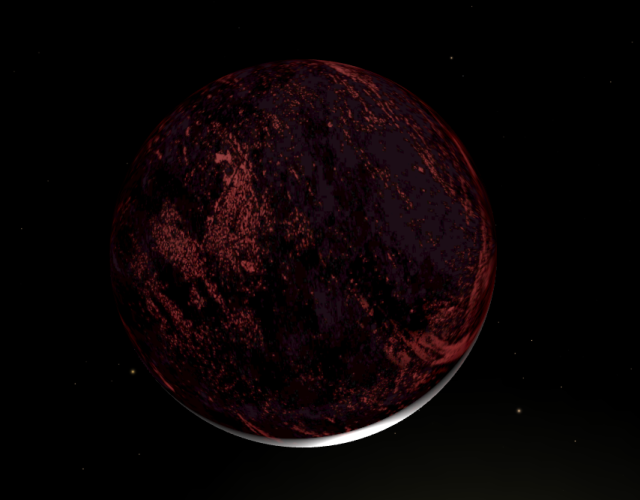
Discovery Alert!📣 A super-Earth is one of the most massive of this type found so far. Stand on its higher-gravity surface and you would certainly feel it -- you’d be about three times your weight on Earth. A year there, one orbit, is less than 15 hours. go.nasa.gov/3UGGMiM #NASAExoplanetsnitter.net/NASAExoplanets/stat…
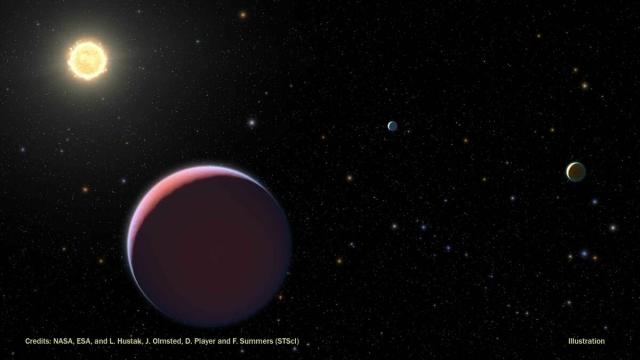
The planets beyond our solar system, exoplanets, are mysterious wonders. There are super puffy cotton-candy planets, and a world with the consistency of a marshmallow was recently discovered. Sweet! Tour our favorites: go.nasa.gov/3zyNaAr #NASAExoplanetsnitter.net/NASAExoplanets/stat…
Have you heard of the habitable zone? You're in one right now. It's the distance from a star where you might find exoplanets with liquid surface water. We use the habitable zone to help focus our search for life beyond Earth.
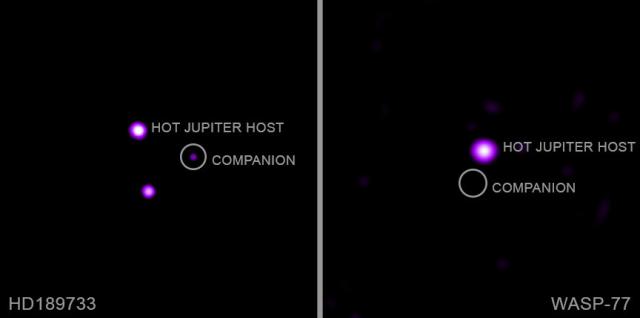
An international study found that stars with close exoplanets appeared younger than companion stars without planets. Space telescopes @chandraxray and @ESA_XMM teamed up to observe binary (two-star) systems to see the effect in X-ray light. go.nasa.gov/3ftv1x3 #NASAExoplanetsnitter.net/NASAExoplanets/stat…
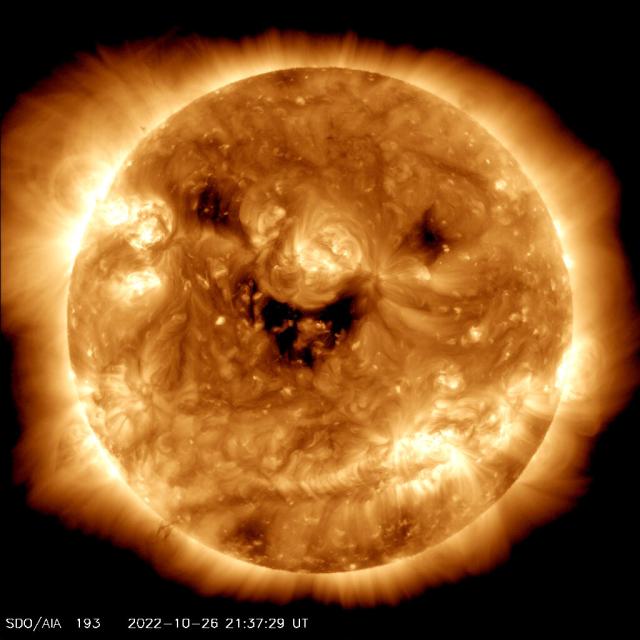
Why is our Sun smiling? We think its because of all the planets it has, but it might just be coronal holes seen in ultraviolet light. (Regions where fast solar wind gushes into space.) We do know of another star with 8 planets, and that makes *us* smile: go.nasa.gov/3FQucZQ #NASAExoplanetsnitter.net/NASAExoplanets/stat…
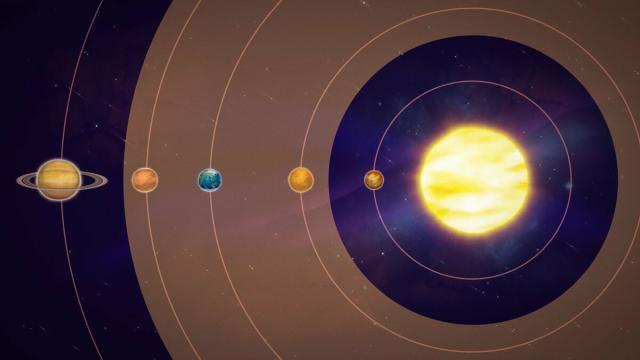
Our solar system now is tied for most number of planets around a single star, with the recent discovery of an eighth planet circling Kepler-90, a Sun-like star 2,545 light years from Earth.
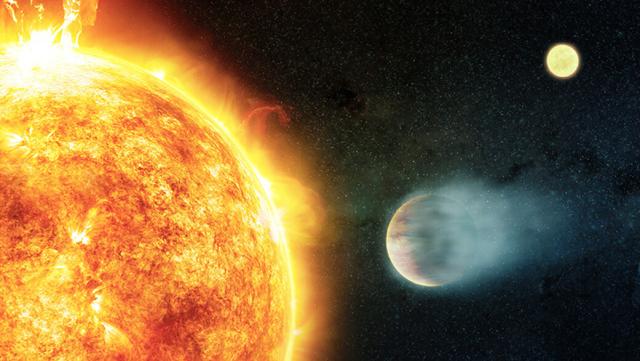
What helps keep a star acting young?🌟 New research shows it might be a hot Jupiter! Young stars put out more X-rays. Researchers observed more of this activity in stars with a nearby exoplanet. This may be the best evidence yet of this anti-aging effect. go.nasa.gov/3ftv1x3 #NASAExoplanetsnitter.net/NASAExoplanets/stat…
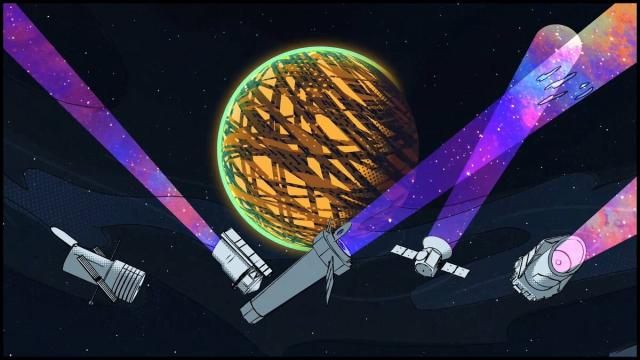
Space telescopes allow us to travel the universe as explorers. Each observes in a different range, a superpower, if you will. This allows their data to fit together and offer a more complete picture. See how they team up: go.nasa.gov/3T49GIp #NASAExoplanetsnitter.net/NASAExoplanets/stat…
A superhero team of space telescopes has been working tirelessly to discover exoplanets and unveil their secrets. Now, a new superhero joins the team—the James Webb Space Telescope. What will it find?
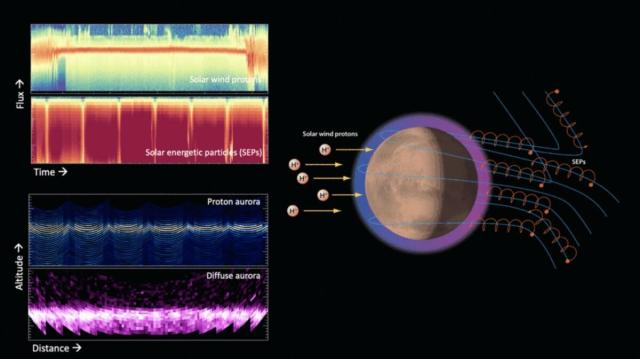
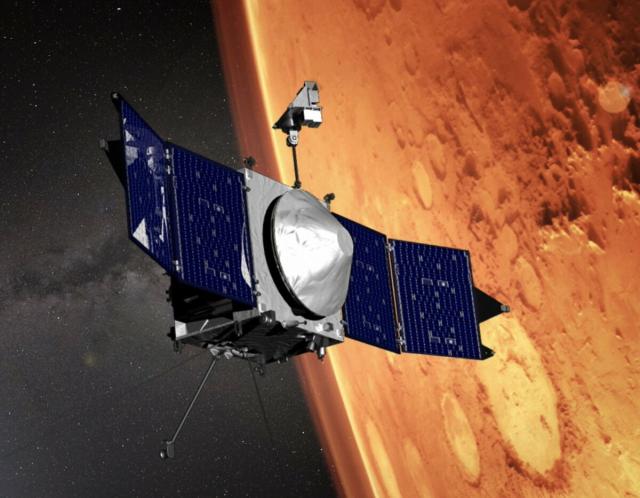
Our MAVEN orbiter has observed a Martian light show caused by a major solar storm – and there could be more to come. The findings inform space weather forecasting, which is critical to protect current and future missions at the Red Planet. More: go.nasa.gov/3NRt4XU #NASAMarsnitter.net/NASAMars/status/159…
For the first time in its eight years orbiting Mars, NASA’s MAVEN mission witnessed two different types of ultraviolet aurorae simultaneously, the result of solar storms that began on Aug. 27.
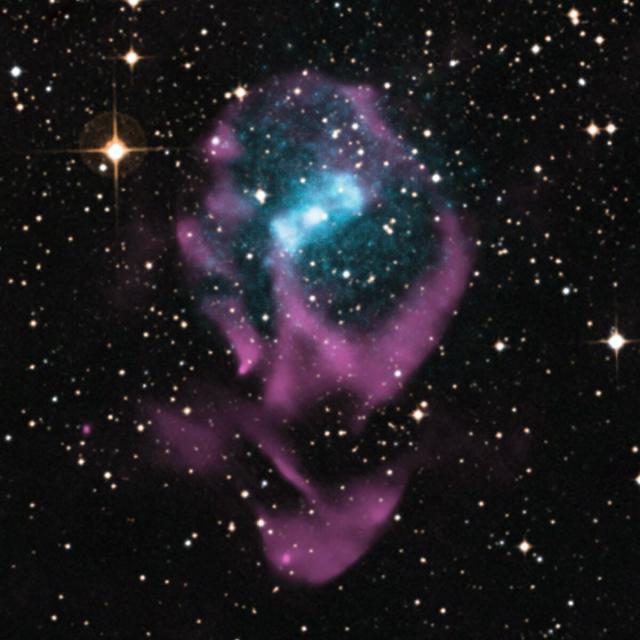
This is *not* a space skull.💀 This is an X-ray binary system made of two parts: a compact stellar remnant -- either neutron star or black hole; and a companion star, with surrounding gas heated to millions of degrees. We repeat: This is not a space skull. go.nasa.gov/3DjHE5N #NASAExoplanetsnitter.net/NASAExoplanets/stat…
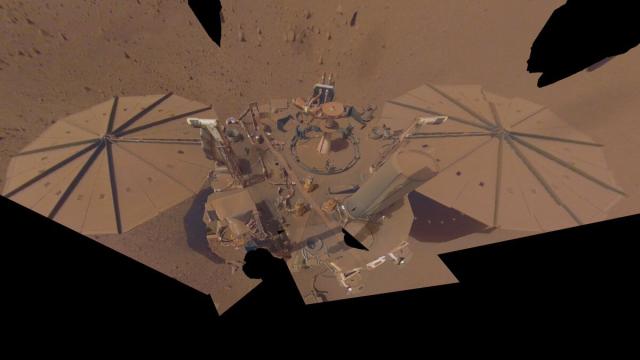
What is it like to end a mission? As the power levels continue to dwindle for @NASAInSight, the team has started taking steps to wind down the mission. Here's a glimpse of what that looks like: go.nasa.gov/3UjKvCJ (1/4) #NASAJPLnitter.net/NASAJPL/status/1587…
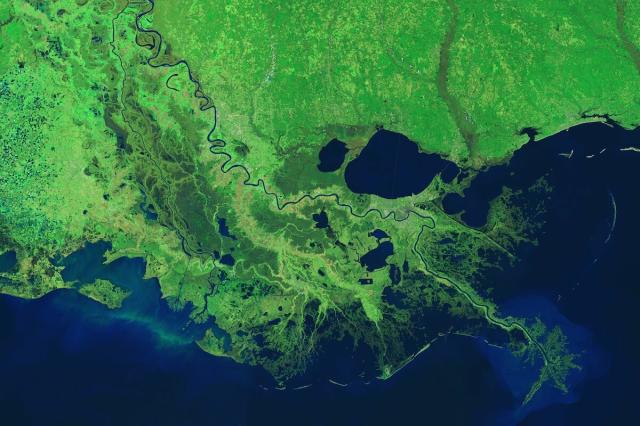
#DYK that coastal wetlands provide a key link in the food chain for 350 million people who live and farm on deltas around the world? Learn how satellites are helping scientists track wetlands lost (and found): go.nasa.gov/3fFEvWh #NASAJPLnitter.net/NASAJPL/status/1589…
Our MAVEN orbiter has observed a Martian light show caused by a major solar storm – and there could be more to come. The findings inform space weather forecasting, which is critical to protect current and future missions at the Red Planet. More: go.nasa.gov/3NRt4XU #NASAMarsnitter.net/NASAMars/status/159…
For the first time in its eight years orbiting Mars, NASA’s MAVEN mission witnessed two different types of ultraviolet aurorae simultaneously, the result of solar storms that began on Aug. 27.
If you stood on the surface of a super-Earth, you’d feel the gravitational pull as extra weight – it would feel at least double your weight on Earth. But, imagine how thrilling it would be to skydive on such a planet! Take our guided tour: exoplanets.nasa.gov/alien-worl… #NASAExoplanetsnitter.net/NASAExoplanets/stat…
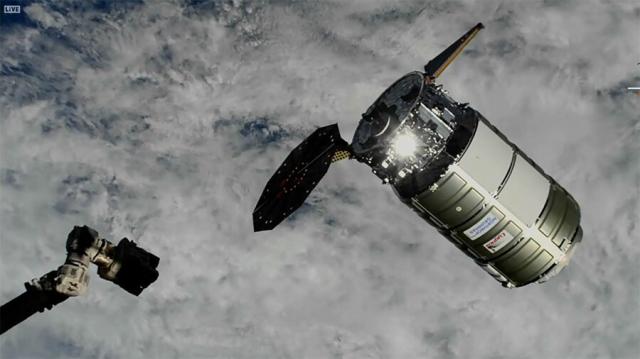
#ICYMI: @NorthropGrumman's Cygnus space freighter, loaded with science gear and spacewalk hardware, was captured using the Canadarm2 robotic arm and installed to the station's Unity module on Wednesday, Nov. 9, 2022. More... go.nasa.gov/3TrlHYF #ISSnitter.net/Space_Station/statu…
A U.S. cargo craft has been installed on the International Space Station and the Expedition 68 crew members are beginning to unpack several tons of food, fuel, and supplies.
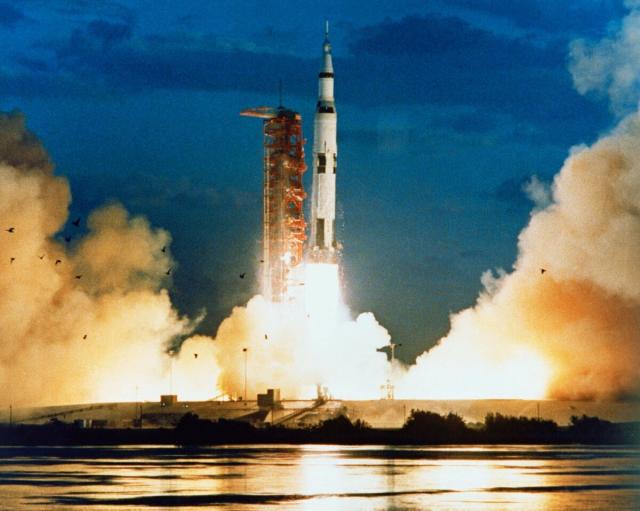
Which Apollo mission is #Artemis I most analogous to? One answer is Apollo 4 (SA-501), the first "all-up" uncrewed test flight of the Saturn V rocket, which launched from @NASAKennedy 55 years ago today! 🧵 1/3 #NASAhistorynitter.net/NASAhistory/status/…
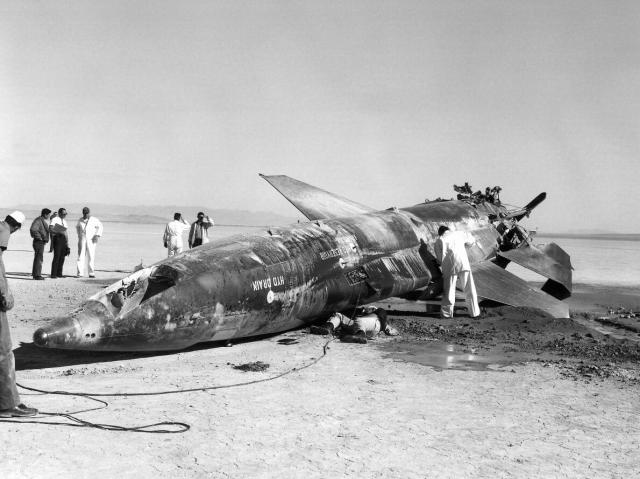
A near miss! 🆘 #OTD in 1962, research pilot Jack McKay made a crash landing of the X-15 #2 aircraft after an engine failure. McKay sustained injuries but eventually recovered and returned to flying and the craft was repaired and returned to service: go.nasa.gov/3UfP41l #NASAhistorynitter.net/NASAhistory/status/…
Defective satellites now 25% off! #OTD in 1984, STS-51A launched on a mission to show that the Shuttle orbiters could be used to retrieve malfunctioning satellites in orbit and return them to Earth. 2 satellites were brought back and refurbished. More: go.nasa.gov/3heifTx #NASAhistorynitter.net/NASAhistory/status/…
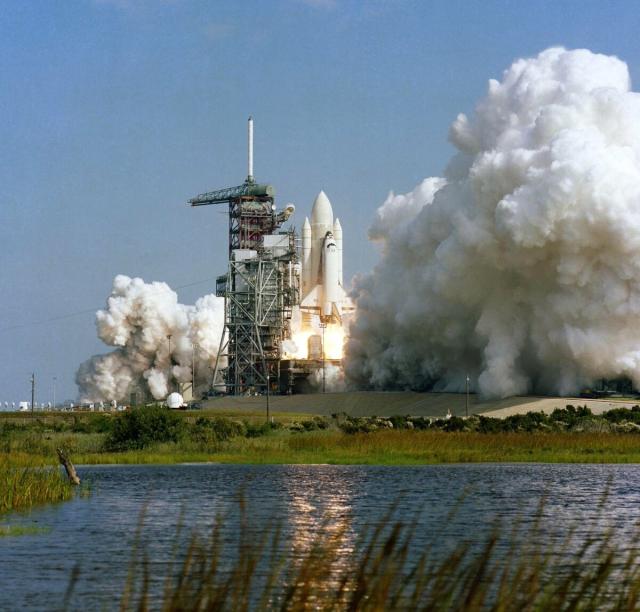
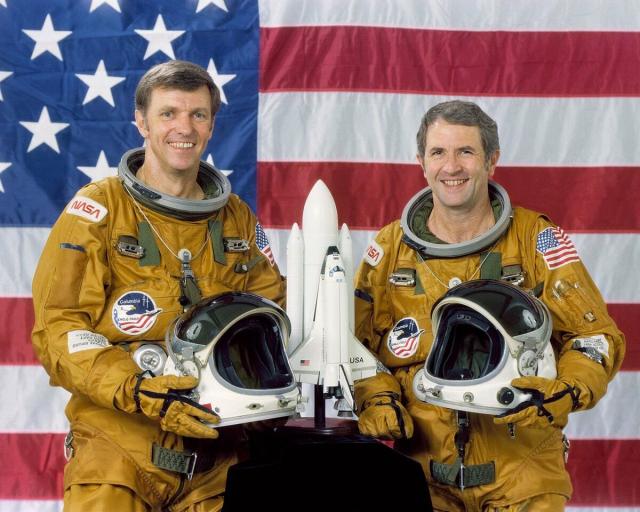
Lifting off at 10:10am #OTD in 1981, Space Shuttle Columbia made its second trip to space for STS-2 with astronauts Joe Engle and Richard Truly on board. It was also Truly's birthday! What better way to celebrate than making your first trip to space. #HappyBirthday Richard Truly! #NASAhistorynitter.net/NASAhistory/status/…
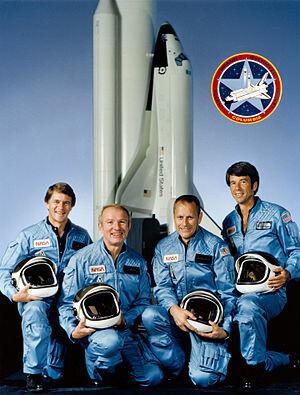
#40YearsAgo today in 1982, Space Shuttle Columbia was launched for STS-5, the first official "operational" Shuttle mission. 4 astronauts made up the crew for this 5 day mission on which two commercial communications satellites were deployed, ANIK C-3 and SitS-C. #NASAhistorynitter.net/NASAhistory/status/…
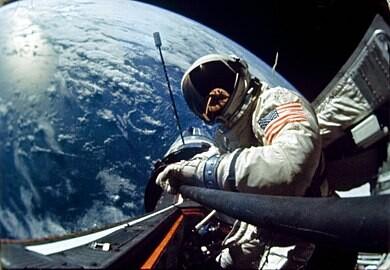
Gemini ✅ Next up, Apollo At 3:46 PM #OTD in 1966, the last mission of the ♊ Program, Gemini XII, launched from Cape Canaveral! Jim Lovell and Buzz Aldrin successfully docked with the Agena target vehicle and Aldrin performed 3 spacewalks. Learn more: go.nasa.gov/3TsDAq3 #NASAhistorynitter.net/NASAhistory/status/…
The primary objectives of Project Gemini included proving the techniques required for the Apollo Program to fulfill President John F. Kennedy’s goal of landing a man on the Moon and returning him safely to Earth before the end of the 1960s.
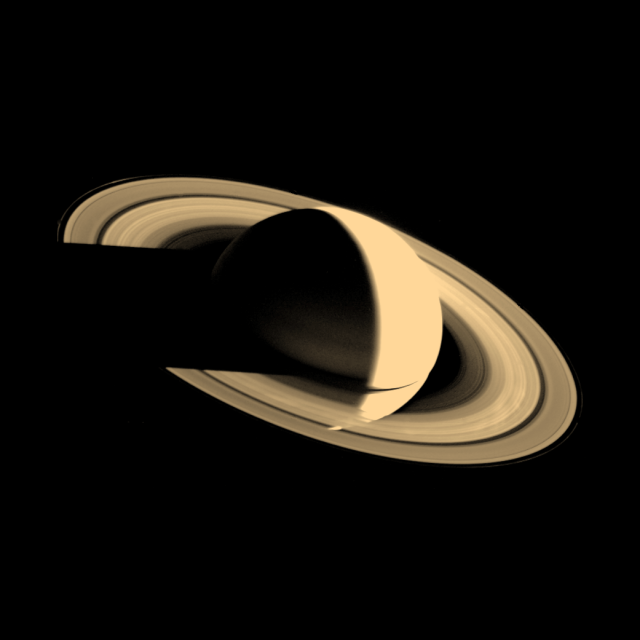
Voyager 1's Saturn #photography: 💯 @NASAVoyager 1 flew by Saturn #OTD in 1980, discovering 3 moons (Atlas, Prometheus & Pandora) and taking this shot as it sped by on its way out of our solar system. Learn more about Voyager's rendezvous with Saturn: go.nasa.gov/3UEm8jP #NASAhistorynitter.net/NASAhistory/status/…
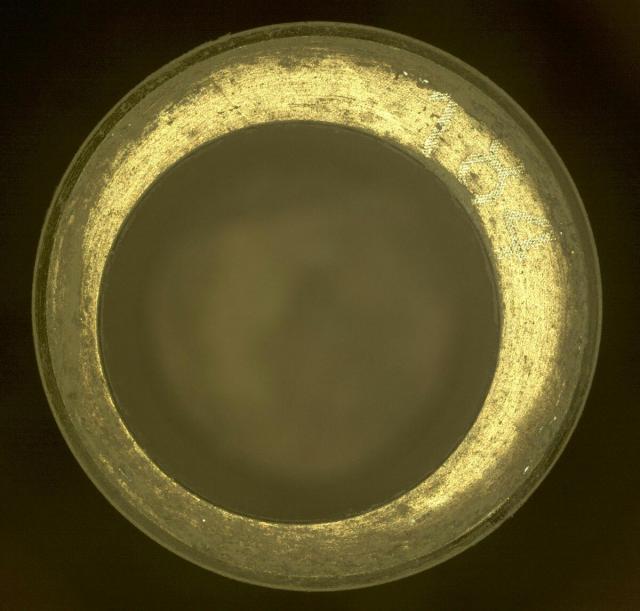
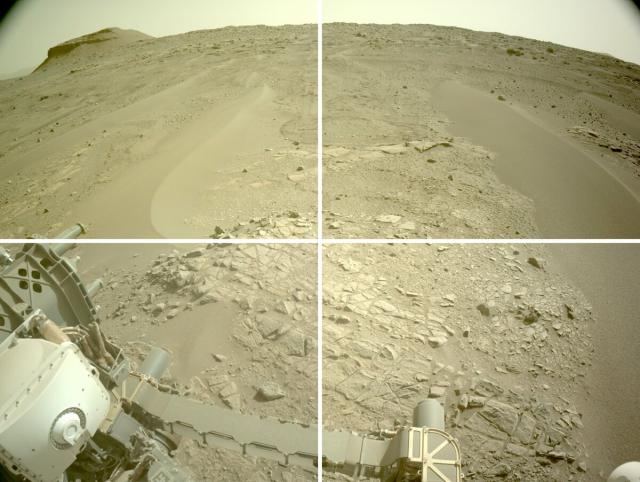
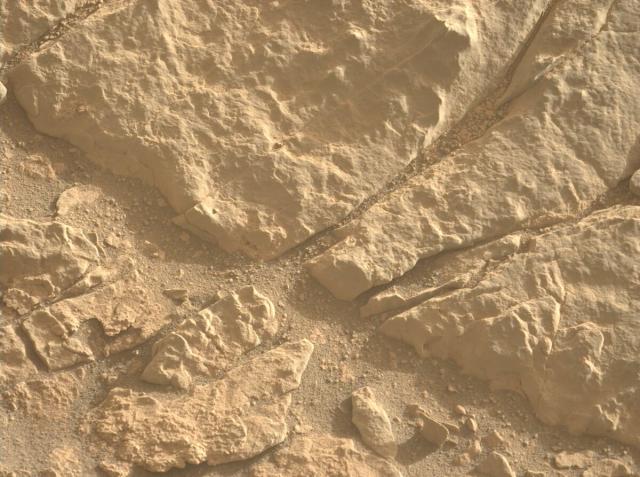
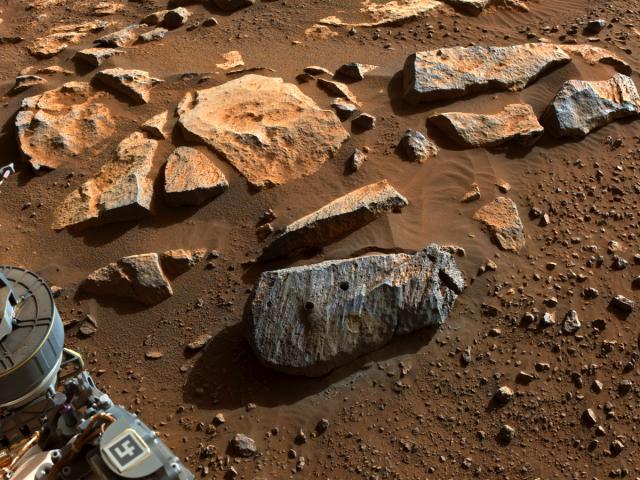
Still working on a fix to seal my latest rock sample. With my bore sweeping tool, I’m aiming to clean the tube opening to remove any dust preventing the seal. Results look promising, so meanwhile I'm off to explore a new place called “Yori Pass.” Blog: go.nasa.gov/3hcSBP0 #PerseveranceRovernitter.net/NASAPersevere/statu…
Once upon a time - early 2013 - there was a small corner room in the Flight Projects building at JPL where the walls and windows were coated in pages and pages of paper.
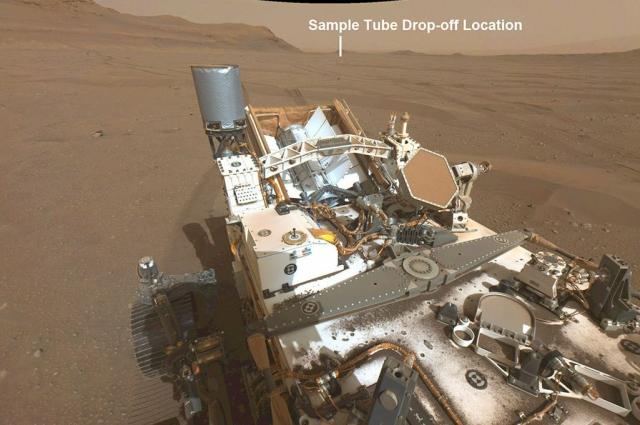
I’m about to drop my first rock sample collection on the surface of Mars. I’m setting down the scientifically compelling, curated set of rocks at “Three Forks,” a spot just at the base of the river delta I’ve been exploring. #SamplingMars More on plans: go.nasa.gov/3DaqCqOnitter.net/NASAPersevere/statu…
“You’ve Got Perseverance!” is back – a special opportunity for students who know how to push through challenges. Nominations now open for middle and high school students (grades 6-12). #gotperseverance U.S. educators, nominate by Oct. 31: go.nasa.gov/gotperseverancenitter.net/NASAPersevere/statu…
More about the Mars rock samples collected by the Perseverance rover that may one day be returned to Earth by a future mission for scientists to study.
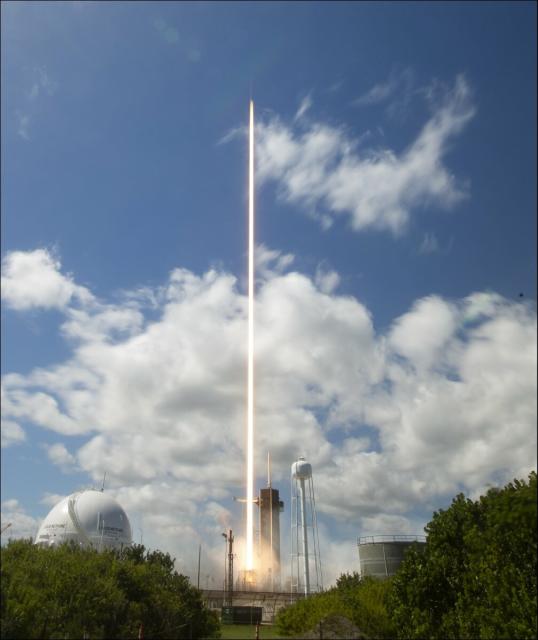
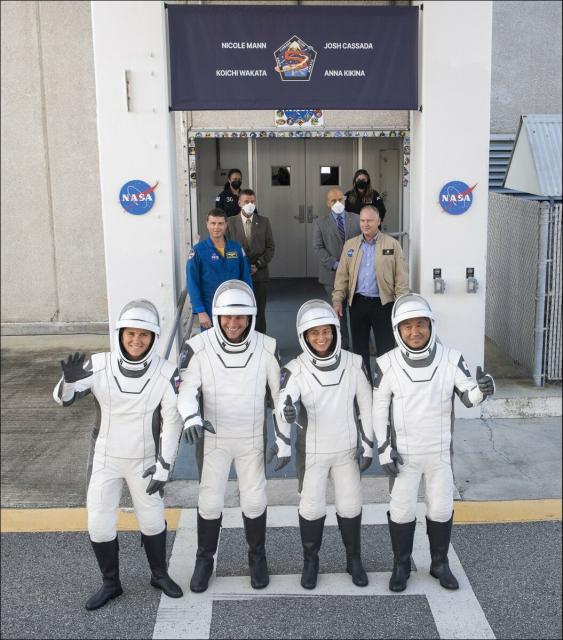
Check out pictures of #Crew5 as they departed the Neil A. Armstrong Operations and Checkout Building to head to Launch Complex 39A to board @SpaceX's Crew Dragon for their launch to @Space_Station. 📷: flic.kr/s/aHBqjA9qzMnitter.net/nasahqphoto/status/…








Johnny Cache
in reply to NASA • • •If a year is so short, does it mean that seasons just have no significance?
I'm wondering how life on Earth would be different if our year was this short. I guess winter just wouldn't be a thing?