
#NASATechnology
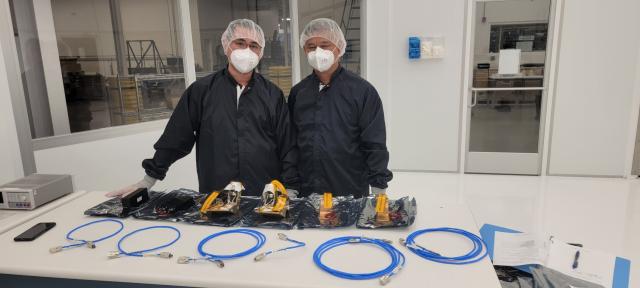
Tiny NASA Cameras to Watch Commercial Lander form Craters on Moon
This little black camera looks like something out of a spy movie — the kind of device one might use to snap discrete photos of confidential documents.Joe Atkinson (NASA)
#NASASolarSystem
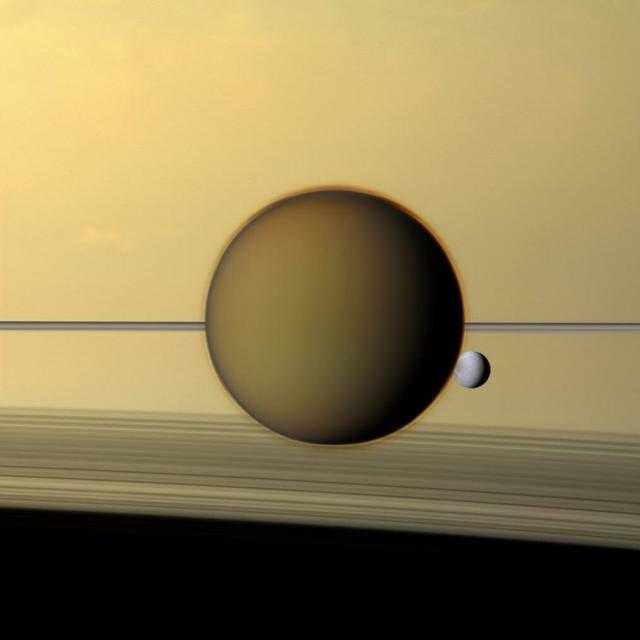
Titan - Overview
Saturn’s largest moon, Titan has an earthlike cycle of liquids flowing across its surface.NASA Solar System Exploration
Hey, stargazers!
What's Up for December? The Moon is on the move, slipping past Jupiter (twice!) and passing in front of Mars, while the winged stallion constellation, Pegasus, will be on view. 👀
✨ More skywatching tips: go.nasa.gov/3zLnOgh
#NASAJPL
NASA Skywatching Home
What’s visible in the night sky? Get skywatching tips and resources from NASA.NASA Solar System Exploration
#NASASolarSystem
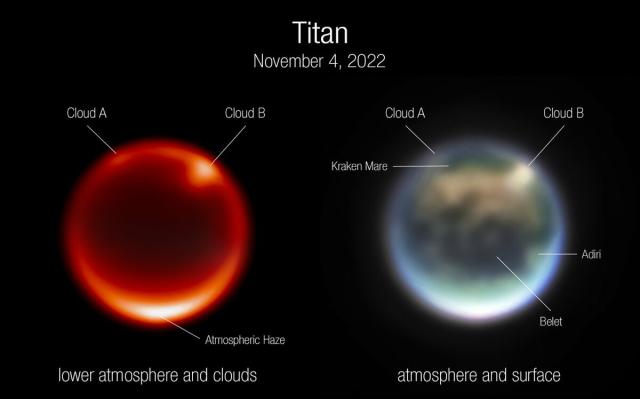
(Out of this) World Champions!
#OTD in 1964, the Houston Colt .45s baseball team changed its name to the Houston @astros reflecting the city's new fame as home to the Manned Spacecraft Center (later renamed @NASA_Johnson).
#NASAhistory
#NASA

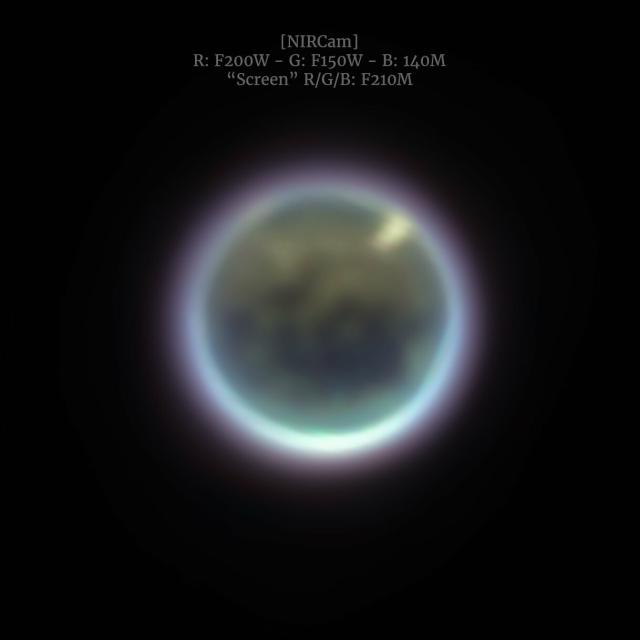
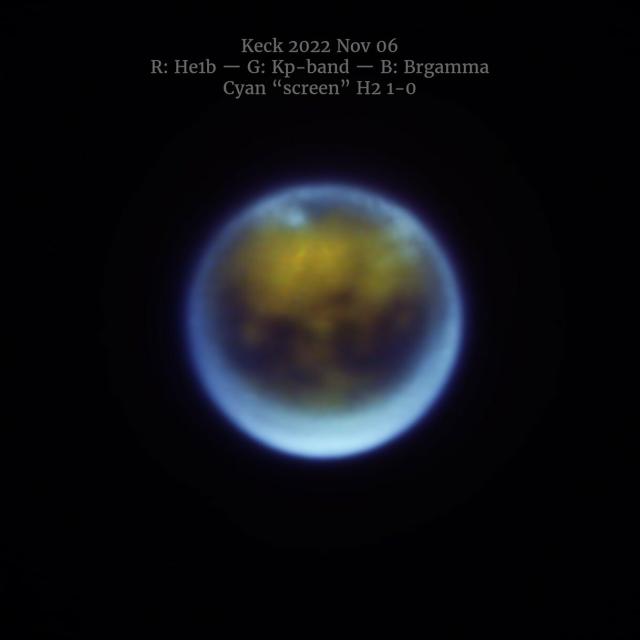
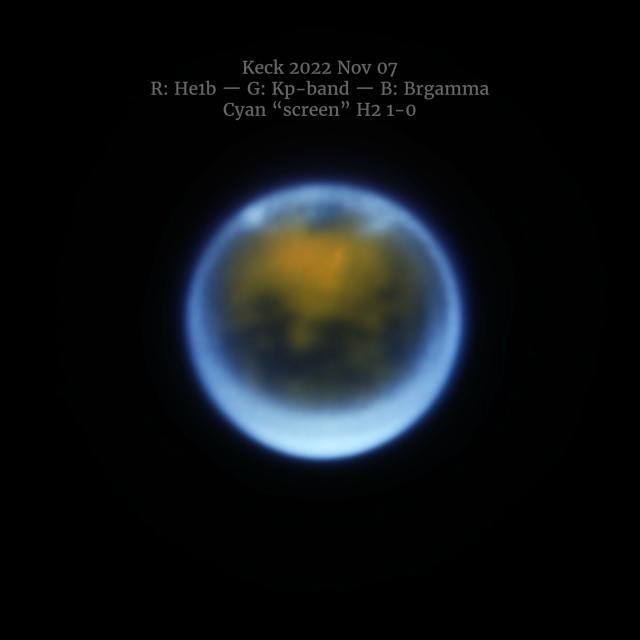
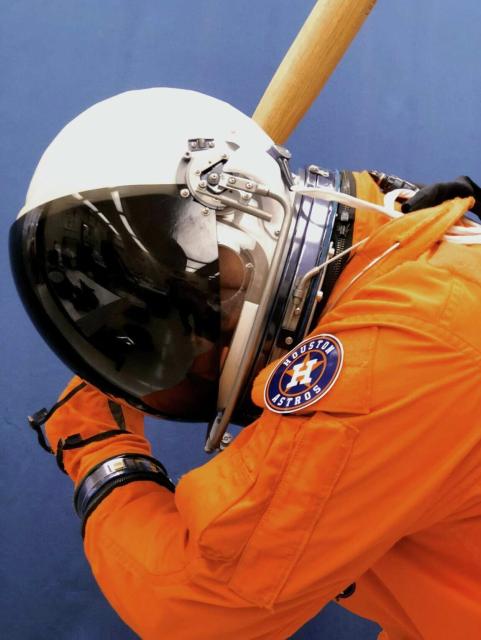
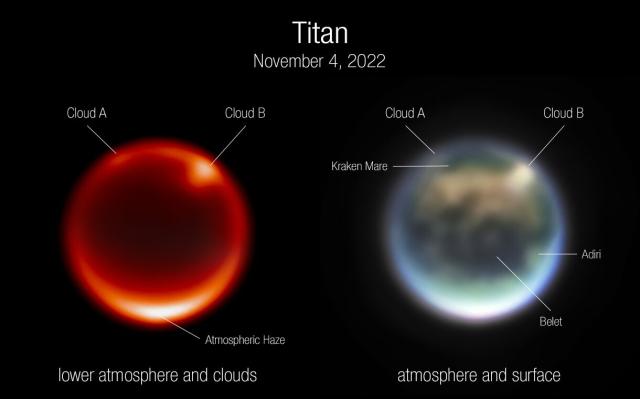
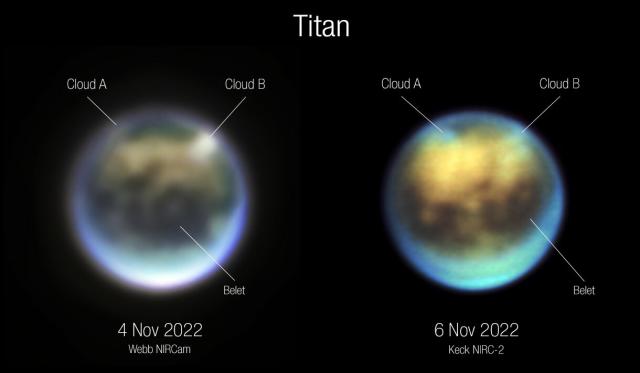
A Titan-ic success!
Here is Webb’s first look at Saturn’s largest moon, Titan. Because Titan has a dense atmosphere, its surface is hidden in visible light. Enter Webb’s infrared eye, which captured clouds as well as bright & dark patches on its surface: go.nasa.gov/3FijpXN
#JamesWebb
#JamesWebb
Globular star clusters are beautiful to look at, but what exactly are they?
Find out in this #StarrySights science lesson!
#Hubble
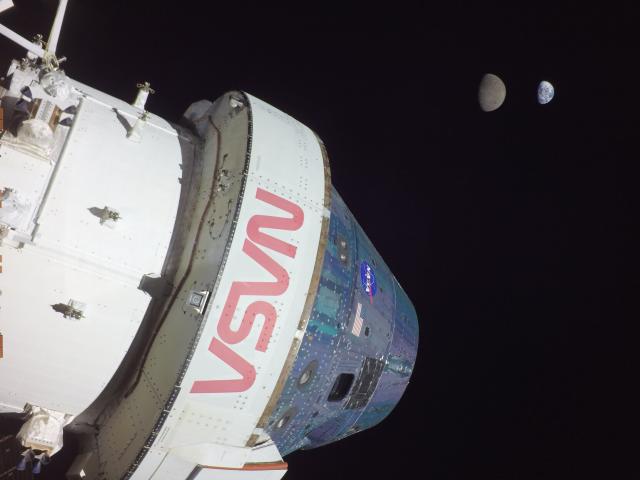
APOD: 2022 December 1 - Artemis 1: Flight Day 13
A different astronomy and space science related image is featured each day, along with a brief explanation.apod.nasa.gov
Daring mighty things, together.
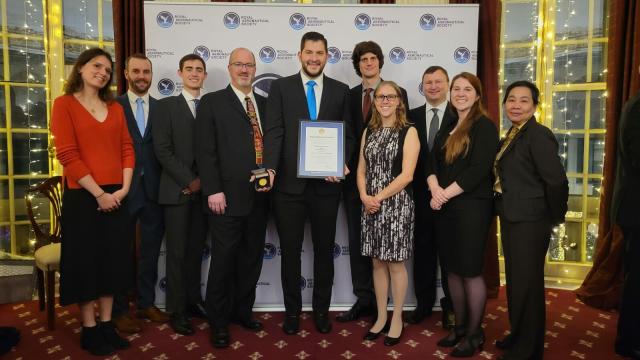
Big congrats to the Ingenuity #MarsHelicopter team, recipient of the prestigious @AeroSociety's Gold Medal for the advancement of aerodynamics and aerial robots for planetary science! 🏅
#NASAJPL
Artemis 1: Flight Day 13
Image Credit: NASA, Artemis 1
apod.nasa.gov/apod/ap221201.ht… #APOD

APOD: 2022 December 1 - Artemis 1: Flight Day 13
A different astronomy and space science related image is featured each day, along with a brief explanation.apod.nasa.gov
#ISS
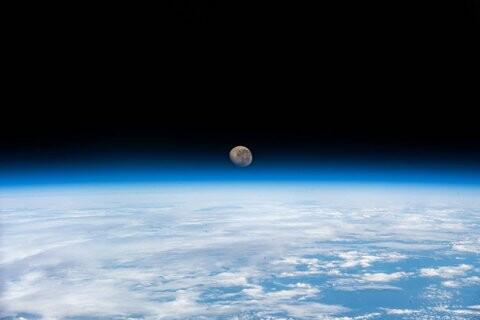
Space Station Solutions for Artemis Missions to the Moon and Beyond
Getting a spacecraft to the Moon or Mars is quite literally rocket science.Ana Guzman (NASA)
exoplanets.nasa.gov/tess
#NASAExoplanets
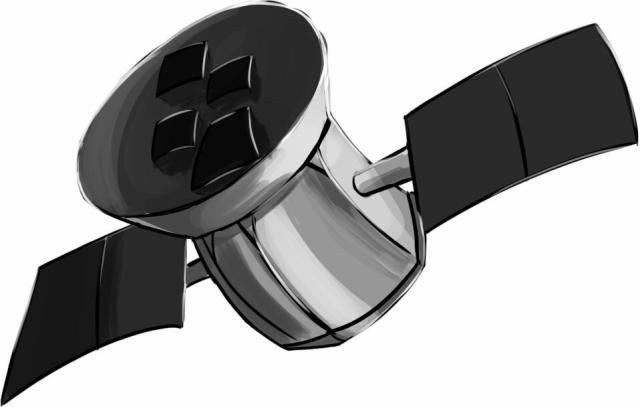
Transiting Exoplanets Survey Satellite (TESS) - Exoplanet Exploration: Planets Beyond our Solar System
NASA’s Exoplanet Exploration Program, the search for planets and life beyond our solar system.Exoplanet Exploration: Planets Beyond our Solar System
#NASAMars
Eyes on the Solar System - NASA/JPL
Explore the 3D world of the Solar System. Learn about past and future missions.Eyes on the Solar System - NASA/JPL
That's how many planets beyond our solar system that we've confirmed so far.
Some are so blasted by their stars that surfaces are covered in lava; others may have jewels floating in winds. Each one is wonder!
exoplanets.nasa.gov/discovery/…
#NASAExoplanets

Discoveries Dashboard | Discovery – Exoplanet Exploration: Planets Beyond our Solar System
See the latest real-time data dashboard from NASA on exoplanet discoveries, planet types, and more.Exoplanet Exploration: Planets Beyond our Solar System
"Being able to help other folks and increase knowledge of Native Americans within NASA — I've also learned a lot about my own background.”
Learn about Ronnie Adams as he reflects on his heritage and past at @NASAKennedy: go.nasa.gov/3gOQmlj
#NativeAmericanHeritageMonth:
#NASA
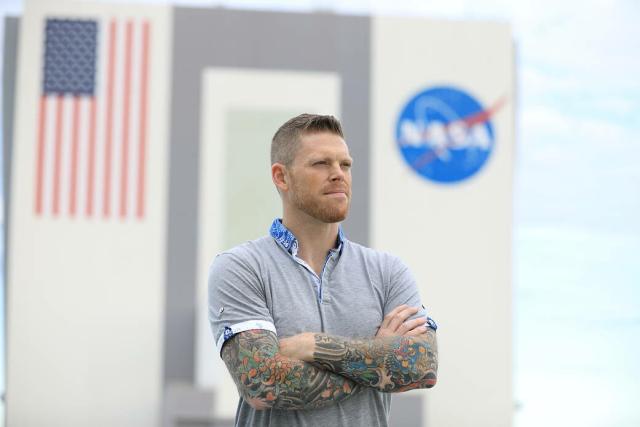
Senior Program Analyst Ronnie Adams
"[...] being invited to participate in Native American Heritage Initiative (NAHI) was a real surprise.Tahira Allen (NASA)
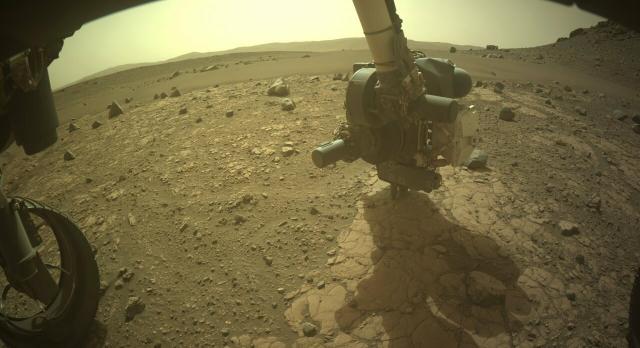
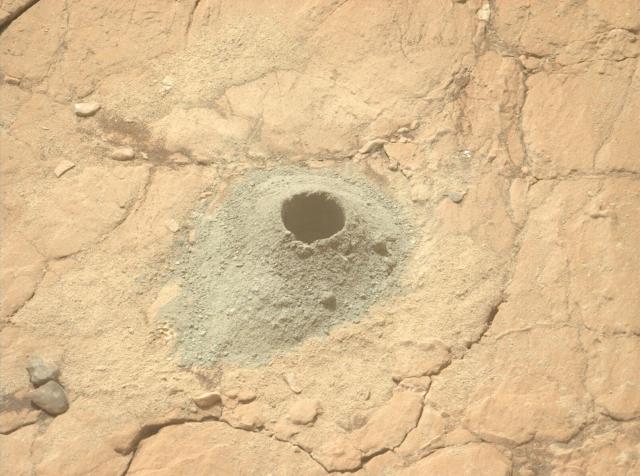
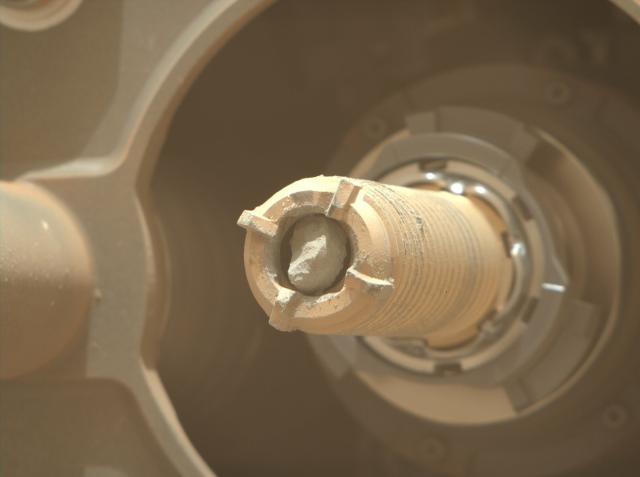
My collection is growing! 🪨 I’ve now got my 15th rock core: a nice piece of sandstone.
Up next, I’m heading back to a nearby dune to break out a new tool – my regolith collection bit – for gathering loose, sandy material. #SamplingMars continues…
#PerseveranceRover
#NASAMars
NASA Mars Exploration
NASA’s real-time portal for Mars exploration, featuring the latest news, images, and discoveries from the Red Planet.NASA Mars Exploration
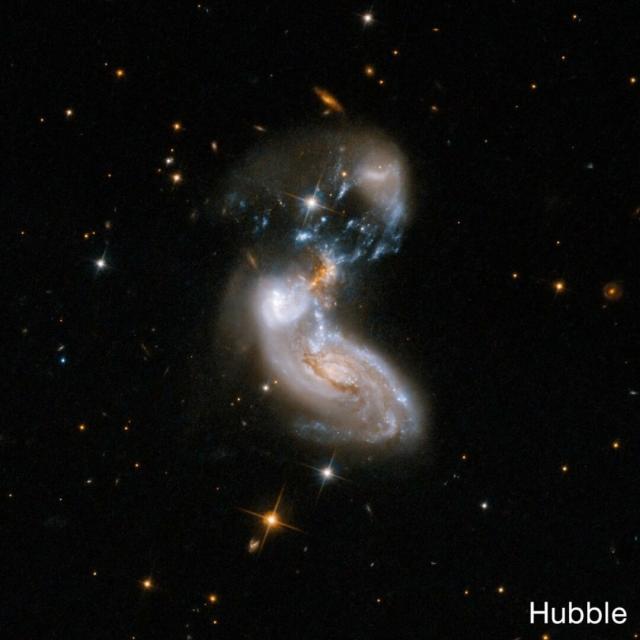
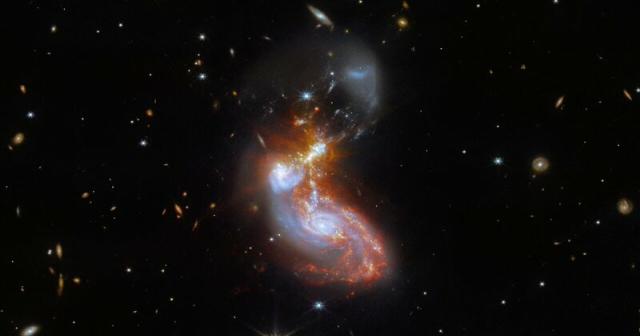
A pair of views of a pair of (merging) galaxies? Yes, please!
Hubble and @NASAWebb have both observed the galactic pair II ZW 96 in different wavelengths of light.
You can learn more about these views here: go.nasa.gov/3GZrPo8
#Hubble
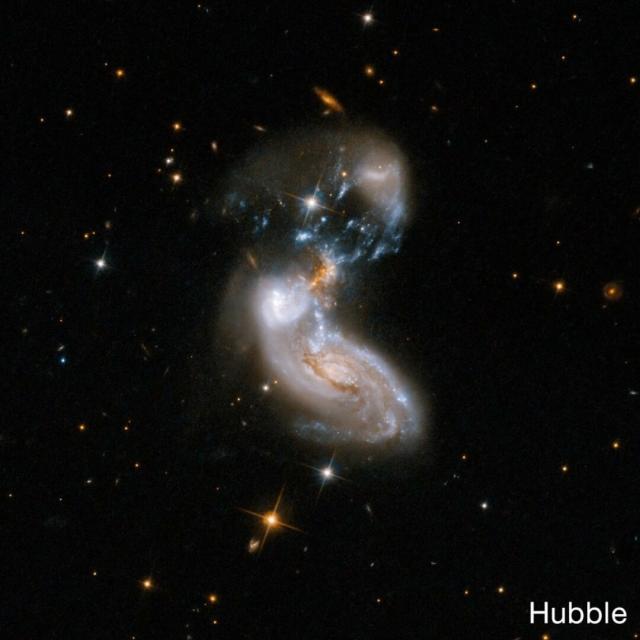
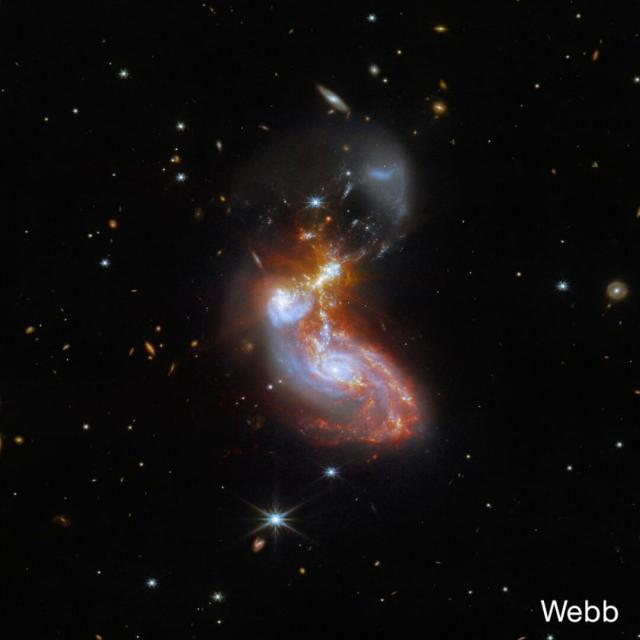
In Hubble’s visible-light view from 2008, the starburst systems that have formed between the two galactic cores with their older stars are clearly seen.
However, Webb’s view showcases the brightness of the star-forming regions which have been activated by this merger, which are particularly luminous in infrared light, which Webb observes.
LIVE NOW: We're previewing @NASA_Orion’s scheduled departure from its distant retrograde orbit around the Moon, which will begin on Thursday, Dec. 1 at 4:53pm ET (21:53 UTC). #Artemis twitter.com/i/broadcasts/1kvJp…
[Video embedded in original tweet]
#NASA
#NASA
In Hubble’s visible-light view from 2008, the starburst systems that have formed between the two galactic cores with their older stars are clearly seen.
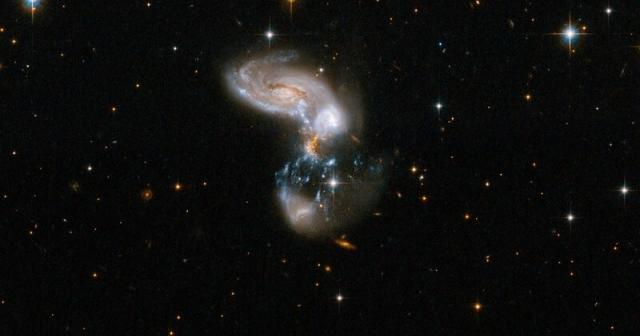
A pair of views of a pair of (merging) galaxies? Yes, please!
Hubble and @NASAWebb have both observed the galactic pair II ZW 96 in different wavelengths of light.
You can learn more about these views here: go.nasa.gov/3ubof2K
#Hubble
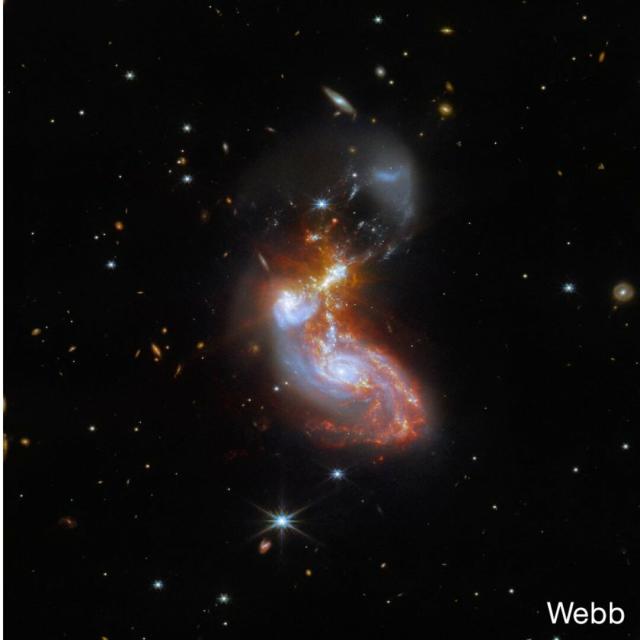
However, Webb’s view showcases the brightness of the star-forming regions which have been activated by this merger, which are particularly luminous in infrared light, which Webb observes.
We go, and we go together.🤝
Today, @SenBillNelson hosted @VP & @EmmanuelMacron at our headquarters in Washington. From Earth's ocean to deep space, we continue to build on more than 60 years of collaboration for the betterment of all: go.nasa.gov/3OXhjjl
#NASA

NASA Administrator Bill Nelson welcomed VP Kamala Harris to NASA
NASA Administrator Bill Nelson welcomed Vice President Kamala Harris and French President Emmanuel Macron to NASA Headquarters in Washington Wednesday.Cheryl Warner (NASA)
#NASATechnology

CAPSTONE Forges New Path for NASA’s Future Artemis Moon Missions
NASA's CAPSTONE spacecraft has completed final maneuvers to place it in its target orbit around the Moon, refining its path in the orbit it arrived to last week.Roxana Bardan (NASA)
@EmmanuelMacron visited with @SenBillNelson at NASA HQ today to highlight space cooperation between the United States and France. See more 📸 flic.kr/s/aHBqjAhkQK
#NASAhqphoto
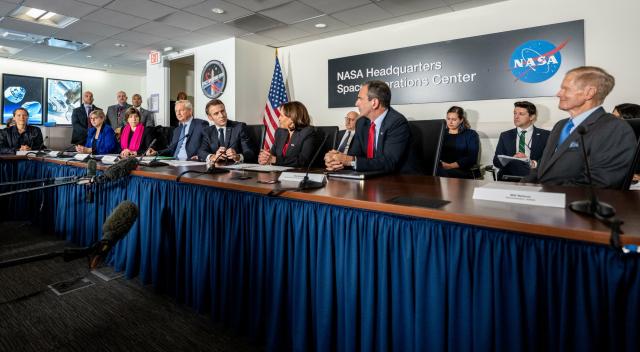
20221130 VP Harris and French President Macron meet at NASA HQ
Explore this photo album by NASA HQ PHOTO on Flickr!NASA HQ PHOTO (Flickr)
#NASAArtemis #Artemis
Initial Assessment Shows Excellent Performance for Artemis Moon Rocket
The Space Launch System (SLS) rocket performed with precision, meeting or exceeding all expectations during its debut launch on Artemis I.Lee Mohon (NASA)
#ISS

Life Science, Spacewalk Preps as Station Orbits Higher
Science and spacewalk preparations kept the Expedition 68 crew busy throughout Wednesday.blogs.nasa.gov
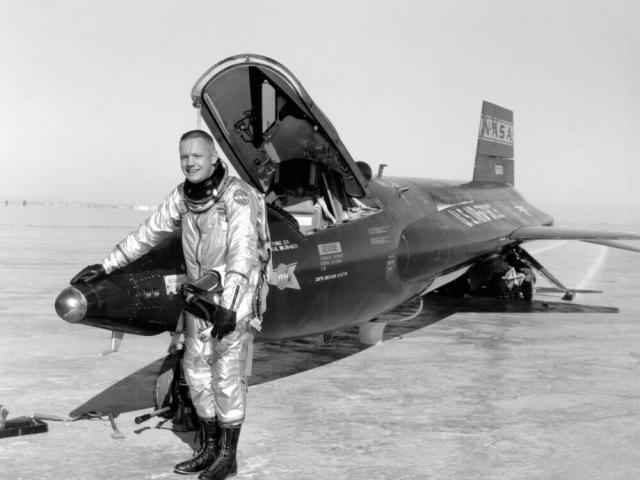
Before he was an astronaut, Neil Armstrong was a @nasa test pilot, testing research planes including the X-15. Milt Thompson called him "the most technically capable of the early X-15 pilots." On the last of his 7 X-15 flights in July 1962 he reached Mach 5.74.
📷 #OTD in 1959
#NASAhistory
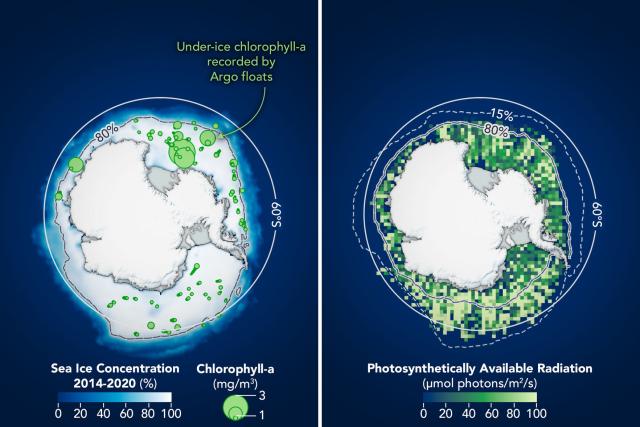
Under the sea (ice) 🌊 🧊
Floating plant-like organisms called phytoplankton may be abundant underneath Antarctic sea ice, according to a new study using underwater instruments and the @NASA_Ice ICESat-2 satellite. 🛰️
Full story: go.nasa.gov/3OWnkwH
#NASAEarth
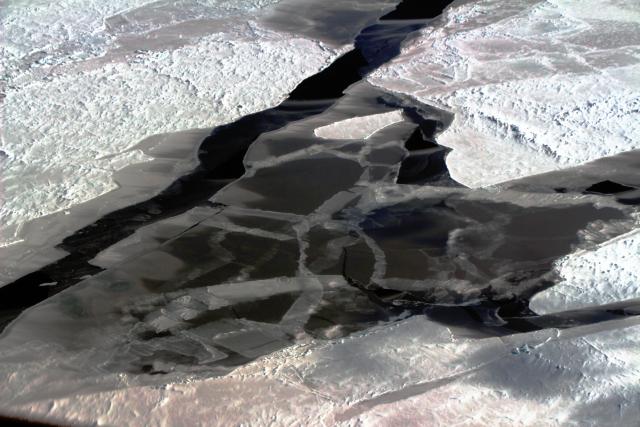
Phytoplankton May Be Abundant Under Antarctic Sea Ice, Study Suggests
Scientists using underwater instruments and a NASA satellite have found evidence of potentially significant phytoplankton blooms beneath the sea ice encircling Antarctica.Kate Ramsayer (NASA)
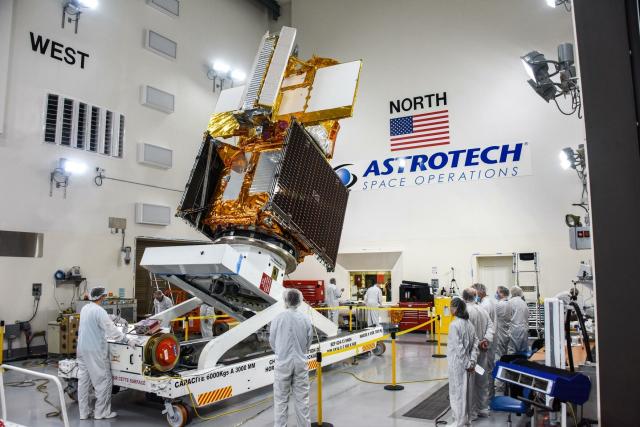
The SWOT (Surface Water and Ocean Topography) satellite is nearing launch! #TrackingWorldWater
#NASAJPL
#NASAUniverse
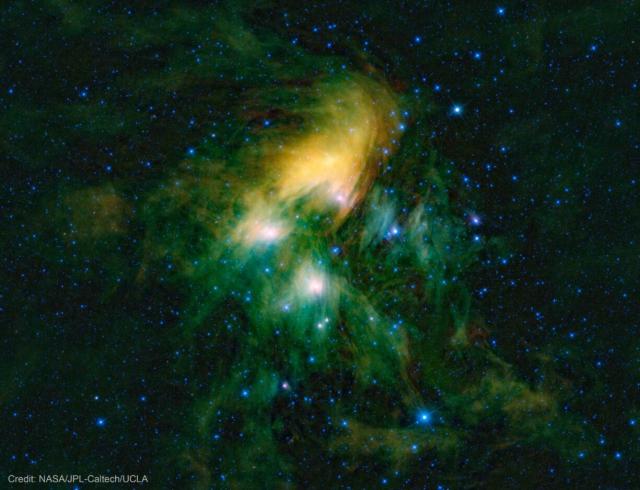
Seven Sisters Get WISE
This image shows the famous Pleiades cluster of stars as seen through the eyes of NASA's Wide-field Infrared Survey Explorer; they are what astronomers call an open cluster of stars, loosely bound to each other to eventually go their separate ways.NASA Jet Propulsion Laboratory (JPL)
The James Webb Space Telescope has been named a Popular Science #BOWN22 winner in Aerospace! Congrats to the full team. More: go.nasa.gov/3ugHQ1D
"Receiving this award is a tribute to all who contributed to its success." -Julie Van Campen, Webb systems engineer
#JamesWebb
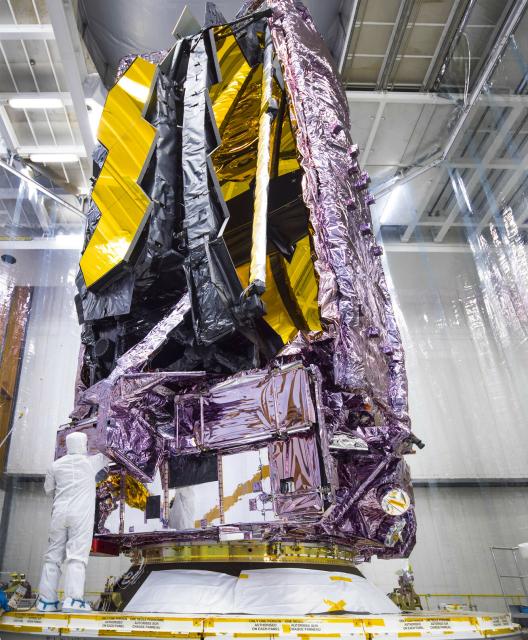
NASA Webb Telescope Awarded Popular Science ‘Best of What’s New’ Award
NASA’s James Webb Space Telescope was named a Popular Science 2022 “The Best of What’s New Award” winner in the Aerospace category.Madison Arnold (NASA)
The team used data from Argo floats, underwater instruments that drift and bob with ocean currents.
These devices measure chlorophyll-a and particulate carbon in the water – both factors that indicate phytoplankton are present.
#NASAEarth
Evelyn
in reply to NASA • • •