
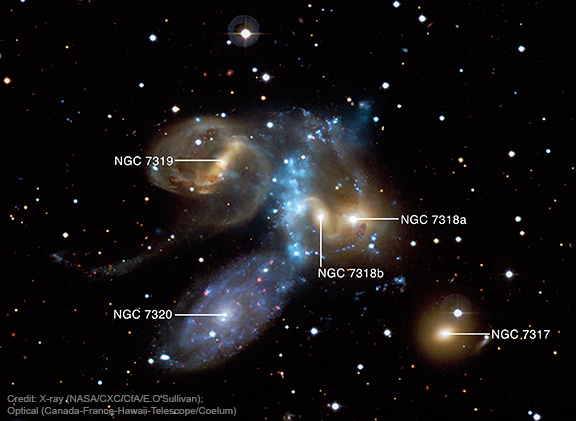
When looking at this image from @NASAWebb, Stephan’s Quintet seems like five galaxies hanging around each other — but did you know that one of them is much closer than the others? go.nasa.gov/3hoan2p
#NASAUniverse
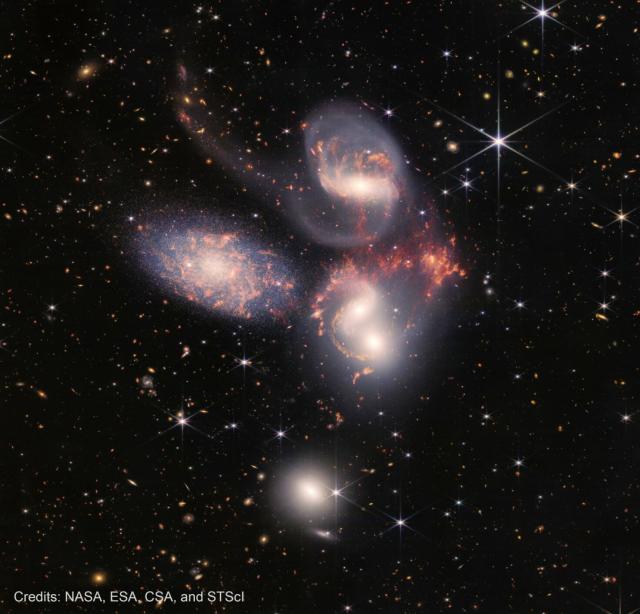
NASA’s Webb Sheds Light on Galaxy Evolution, Black Holes
The new image of galaxy group "Stephan's Quintet" from NASA's James Webb Space Telescope shows in rare detail how interacting galaxies trigger star formation in each other and how gas in galaxies is being disturbed.Rob Garner (NASA)
#NASAUniverse
Tune in as science experts on the SWOT mission give us insight into how the satellite will gather data on water, one of our planet's most essential resources. Ask questions using #AskNASA, and they may be answered live on air. twitter.com/i/broadcasts/1mrxm…
#NASAJPL
#NASAExoplanets
Beauty in the chaos 🌟
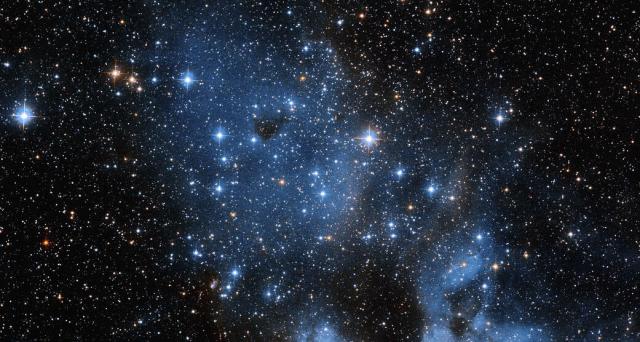
These colorful shreds of cosmic material are the "leftovers" of a massive star's supernova explosion!
Known as DEM L 190, this bright supernova remnant resides about 160,000 light-years from Earth in the constellation Dorado: go.nasa.gov/3Wi8anN
#Hubble
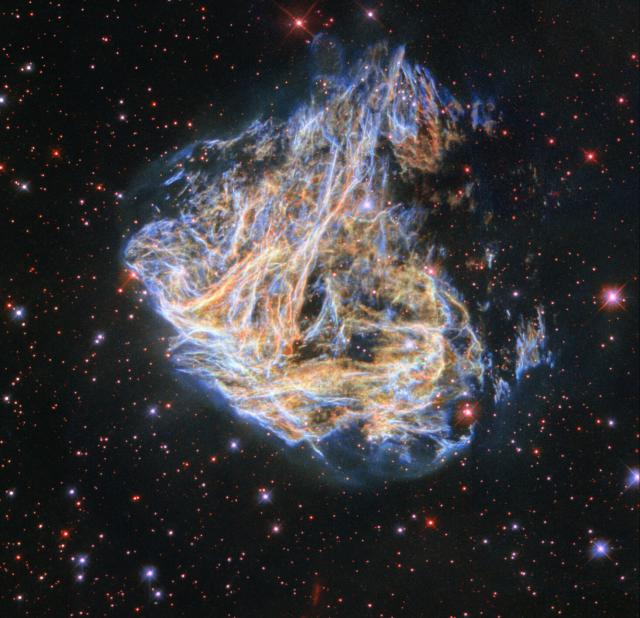
Hubble Hones in on a Celestial Fireworks Display
Shreds of the colorful supernova remnant DEM L 190 seem to billow across the screen in this image from the NASA/ESA Hubble Space Telescope.Andrea Gianopoulos (NASA)
#NASA
#NASA
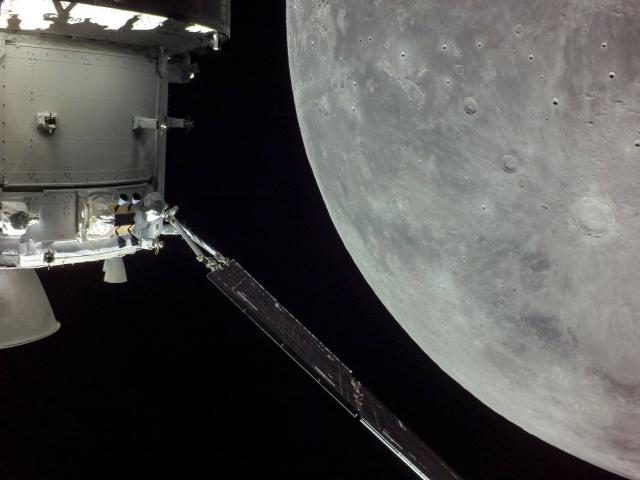
We're on the NASA team that just launched Artemis I around the Moon and brought it back to Earth. Ask us anything! : r/IAmA
PROOF: [https://twitter.com/NASA/status/1602359606361165824](https://twitter.com/NASA/status/1602359606361165824) Lastteddit
Welcome to #Artemis, Rwanda and Nigeria. 🇷🇼 🇳🇬
By signing the Artemis Accords, these two nations have joined over 20 others in the commitment to the peaceful and safe exploration of space. go.nasa.gov/3Yit881
#NASAArtemis #Artemis
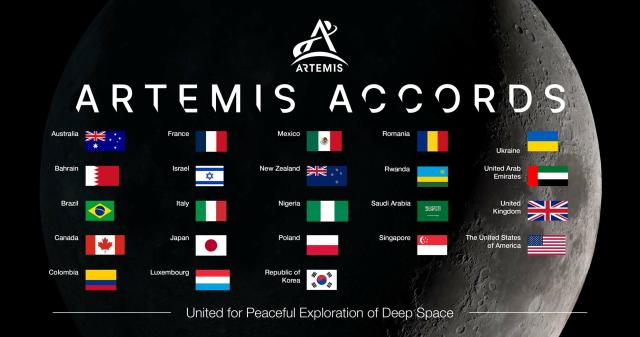
NASA Welcomes Nigeria, Rwanda as Newest Artemis Accords Signatories
During the U.S.-Africa Leaders Summit in Washington Tuesday, NASA Administrator Bill Nelson joined Under Secretary of State for Economic Growth, Energy, and the Environment Jose W. Fernandez, U.S.Cheryl Warner (NASA)
Glad 2 know #NASA 's peaceful efforts affecting #Human #OuterSpace cooperation, growth & prosperity, as in our current context of wars between nations, the fragility of cooperative interests is precarious, & these accords will, over the next 500 yrs, limit the oppressive nature of colonialistic expansion into outer space vs peaceful partnerships! Let just relations b our guiding principles!
Mulit-lingual & full text versions available:
nasa.gov/specials/artemis-acco…

NASA: Artemis Accords
The Artemis Accords take an important first step to foster international cooperation for space exploration to the Moon and Mars.NASA
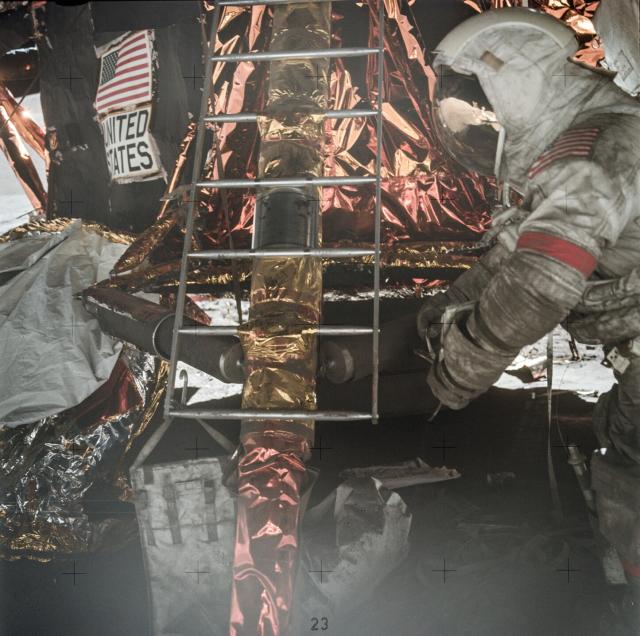
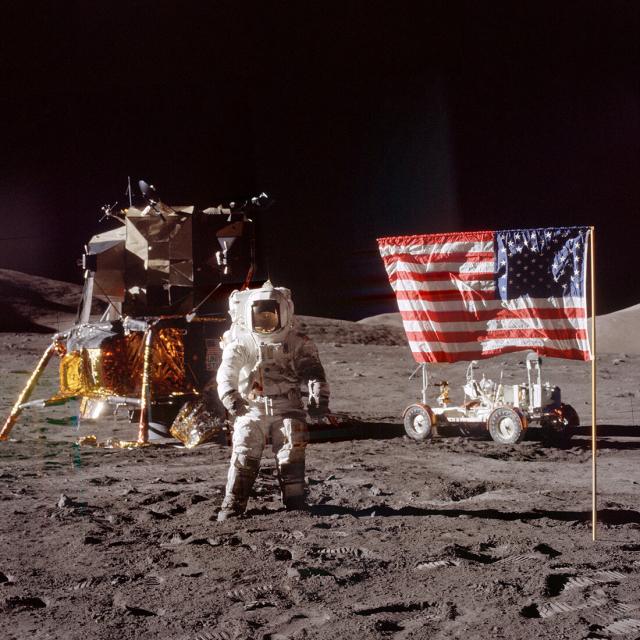
“May the spirit of peace in which we came be reflected in the lives of all mankind”
These words, signed by the #Apollo17 astronauts and President Nixon remain on the Moon’s surface affixed to one of the legs of the lunar lander. #Apollo50th
#NASAhistory
We did a lot this year, and we did it together. Join us now for our look back at 2022 with NASA leaders @SenBillNelson, @Astro_Pam, and @Astro_CabanaBob. twitter.com/i/broadcasts/1OyKA…
[Video embedded in original tweet]
#NASA
#NASA
#ISS
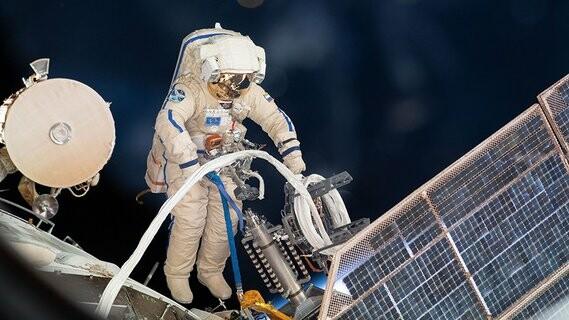
Cosmonauts Ready for Spacewalk, Astronauts Run Space Research
Two Expedition 68 crew members are making final preparations before exiting the International Space Station on Wednesday for the 12th spacewalk of the year.blogs.nasa.gov
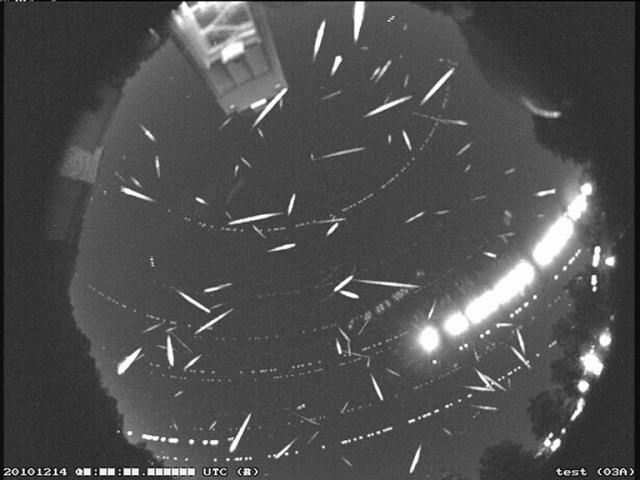
Time to shine. 💫
Don’t miss the annual Geminids meteor shower, peaking between Dec. 13-14. A waning gibbous moon will make it harder to view most of the shower, but the Geminids burn so bright, up to 30-40 should be visible per hour! go.nasa.gov/3FLOAuW
#NASA
#NASAMoon
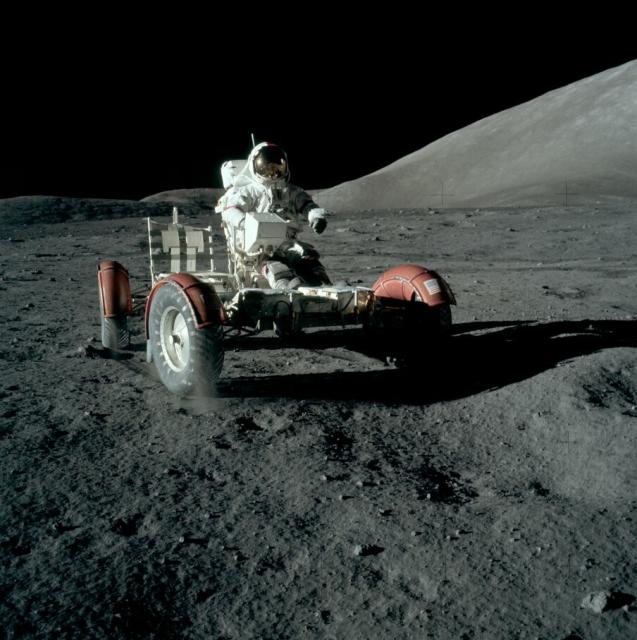
50 Years Ago: Apollo 17 Lands at Taurus-Littrow
Apollo 17 entered lunar orbit on Dec. 10, 1972. The next day, astronauts Eugene A. Cernan and Harrison H.Kelli Mars (NASA)
Jack: The horizon’s ok. Not very colorful, though. Gene: D’you wanna listen to some tunes? Jack: Sure. Whatcha got? Gene: uh, let’s see, Bowie-Major Tom, Floyd-Eclipse, and Elton-Rocket Man. Jack: hmmm. No CCR-Bad Moon Rising? Gene: Oh shit, I missed a turn. Jack: Haha. Good thing your wife isn’t here to get on you about that, right? Gene: Amen, brother. It’s nice to get out with just the dudes. Jack: Righteous. Go with CCR, bro.
Gene: Righteous.
The Surface Water and Ocean Topography (SWOT) satellite will help communities monitor and plan for changing water resources as well as the effects of sea level rise today at noon PT (3pm ET) to learn more. youtu.be/-gM1KyJqLa0
#NASAJPL
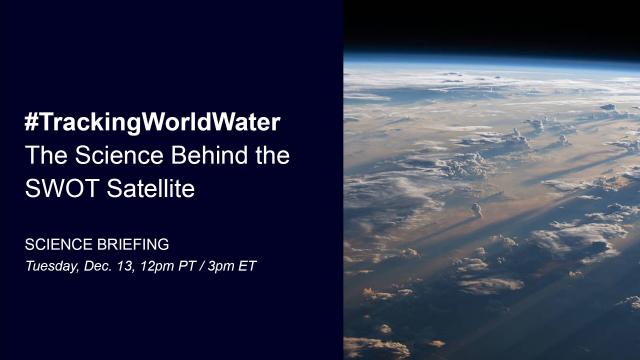
#TrackingWorldWater: The Science Behind the SWOT Satellite (News Briefing)
The Surface Water and Ocean Topography (SWOT) mission, led by NASA and the French space agency Centre National d’Études Spatiales (CNES), is days away from l...YouTube
NASA’s satellite data indicate a larger wheat harvest in Ukraine than expected – nearly 27 million tons – but some crops went unharvested.
Full story: go.nasa.gov/3HwH3Bs
#NASAEarth

Larger Wheat Harvest in Ukraine Than Expected
A satellite-based analysis indicates that nearly 27 million tons of wheat were harvested from the country’s farms this year, but Ukraine won’t reap all of the benefits.go.nasa.gov

#Landsat 8 captured the image below showing harvested wheat around the town of Bereznehuvate compared to unharvested wheat around Velyka Oleksandrivka.
Satellite data help provide rapid agricultural assessments, important for markets and food security. go.nasa.gov/3HwH3Bs
#NASAEarth
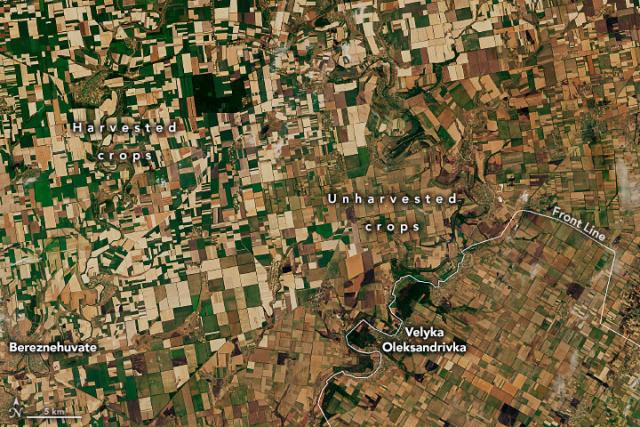
Larger Wheat Harvest in Ukraine Than Expected
A satellite-based analysis indicates that nearly 27 million tons of wheat were harvested from the country’s farms this year, but Ukraine won’t reap all of the benefits.go.nasa.gov
After a successful launch, @nasa's Lunar Flashlight is heading on its four-month journey to seek water ice on the cratered lunar surface.
This small satellite uses lasers emitting near-infrared light to analyze the Moon's permanently shadowed regions: go.nasa.gov/3VQ9aju
#NASAArtemis #Artemis
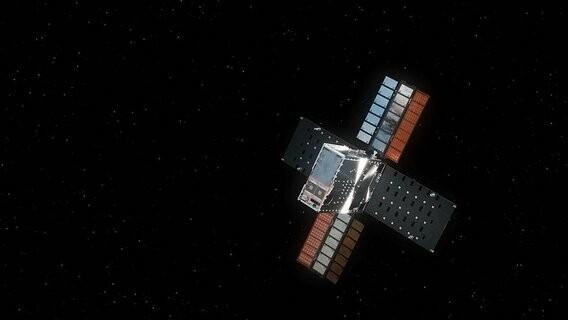
NASA’s Lunar Flashlight Has Launched – Follow the Mission in Real Time
NASA’s Eyes on the Solar System web-based visualization tool lets you “see” the SmallSat as it journeys to the Moon and seeks out water ice in the darkest craters there.Tony Greicius (NASA)
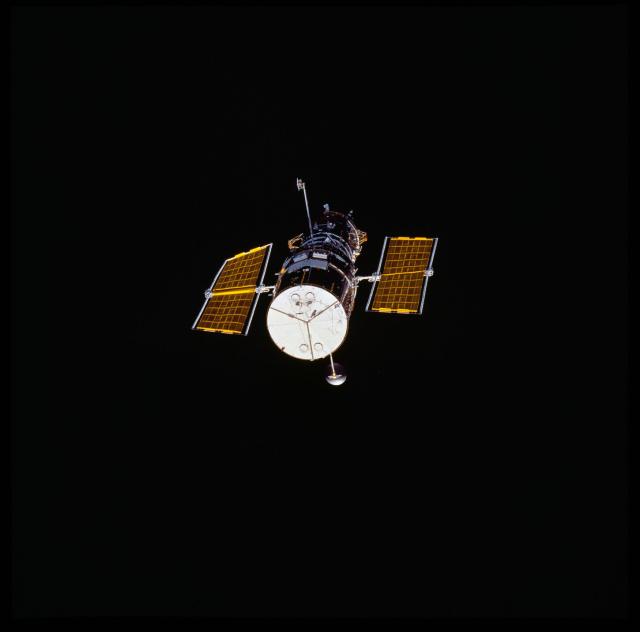
New scientific instruments were also installed during this mission, which was followed by four more servicing missions using the space shuttle.
Read more about Servicing Mission 1 ⬇️ go.nasa.gov/3FLZYqL
#Hubble
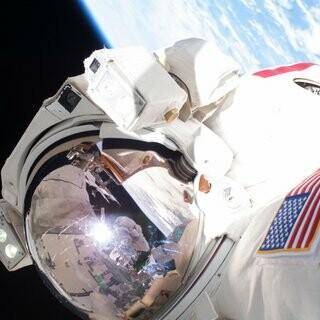
About - Hubble Servicing Missions | SM1
NASA.gov brings you the latest images, videos and news from America's space agency. Get the latest updates on NASA missions, watch NASA TV live, and learn about our quest to reveal the unknown and benefit all humankind.NASA
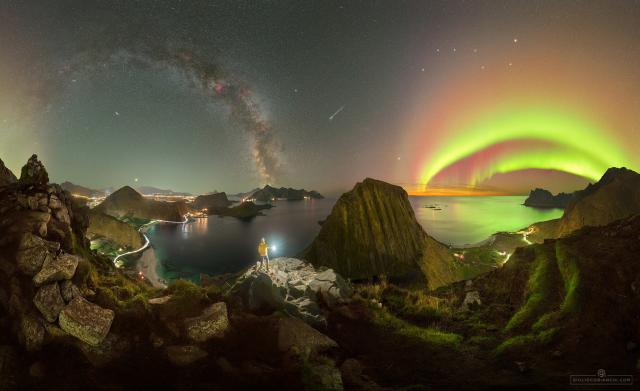
APOD: 2022 December 13 - An Artful Sky over Lofoten Islands
A different astronomy and space science related image is featured each day, along with a brief explanation.apod.nasa.gov
An Artful Sky over Lofoten Islands
Image Credit & Copyright: Giulio Cobianchi
apod.nasa.gov/apod/ap221213.ht… #APOD


APOD: 2022 December 13 - An Artful Sky over Lofoten Islands
A different astronomy and space science related image is featured each day, along with a brief explanation.apod.nasa.gov
"Wonder" app.adjust.com/mc3wc9n

Wonder - AI Art Generator
Turn words into mesmerizing digital artworks! All you need to do is enter a prompt, pick an art style - and watch Wonder bring your idea to life in seconds! It’s super simple: Simply describe what you want Wonder to paint — such as “Life Under Sea”…App Store
#NASAEarth

NASA Science Hyperwall Stories at the American Geophysical Union Fall Meeting 2022 – Monday, 12/12
Join NASA experts at the 2022 American Geophysical Union Fall Meeting in Chicago, IL. You will hear about Planetary Science highlights of 2022 and plans for ...YouTube
NASA scientists are at #AGU22 this week, discussing topics ranging from sea level change to exploring oceans on other worlds to the #Artemis I mission.
Follow @NASAExhibit for updates and discover when to tune in: go.nasa.gov/3UWJhwR
#NASA
NASA Television Upcoming Events
NASA.gov brings you the latest images, videos and news from America's space agency. Get the latest updates on NASA missions, watch NASA TV live, and learn about our quest to reveal the unknown and benefit all humankind.NASA
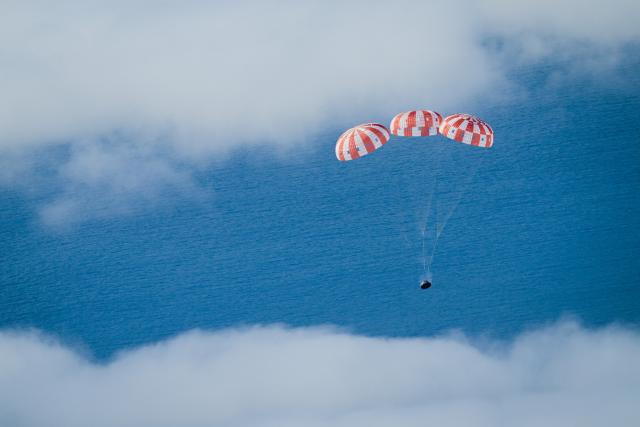
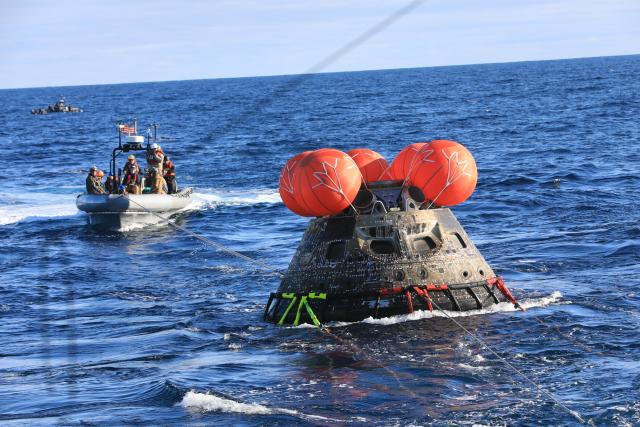
Did you miss @NASA_Orion splash down yesterday after its 1.4-million-mile (2.3-million-km) journey around the Moon and back again?
Check out our HD gallery of #Artemis I photos: flic.kr/s/aHBqjAfKs1
#NASA
#NASAMoon
Earth is experiencing a weak but prolonged La Niña – cooler sea surface temperatures in the tropical Pacific. 🌊
This is the third consecutive northern hemisphere winter with a La Niña, making it a rare “triple-dip” event. go.nasa.gov/3iW1PjR
#NASAEarth

La Niña Times Three
Three consecutive years of La Niña conditions in the eastern Pacific Ocean make this a rare “triple dip” event.go.nasa.gov
#ISS
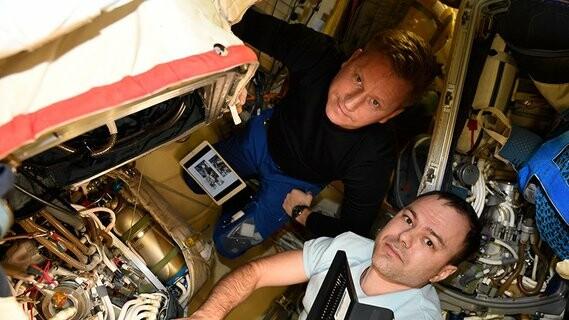
Cosmonauts and Astronauts Ramping Up for a Pair of Spacewalks
Two spacewalks are planned in the next several days outside the International Space Station for the Expedition 68 crew.blogs.nasa.gov

It was a big year in the solar system! 🪐
Tune in today at 4:20pm ET for a live update from the @nasa Hyperwall at #AGU22, featuring our '22 planetary science highlights & plans for exploration in '23: youtu.be/7SGvJJ-YIhEAt
More events this week: go.nasa.gov/3Bw00Ai
#NASASolarSystem
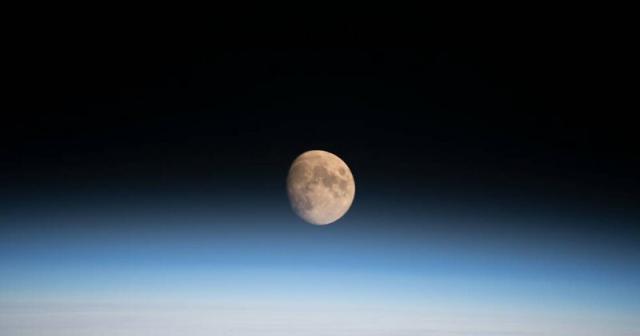
NASA Press Events at 2022 Fall AGU Meeting
NASA researchers will be presenting findings on Earth and space sciences Dec.12-16 at the American Geophysical Union's 2022 Fall meeting, being held virtually and in Chicago this year.Karen Fox (NASA)

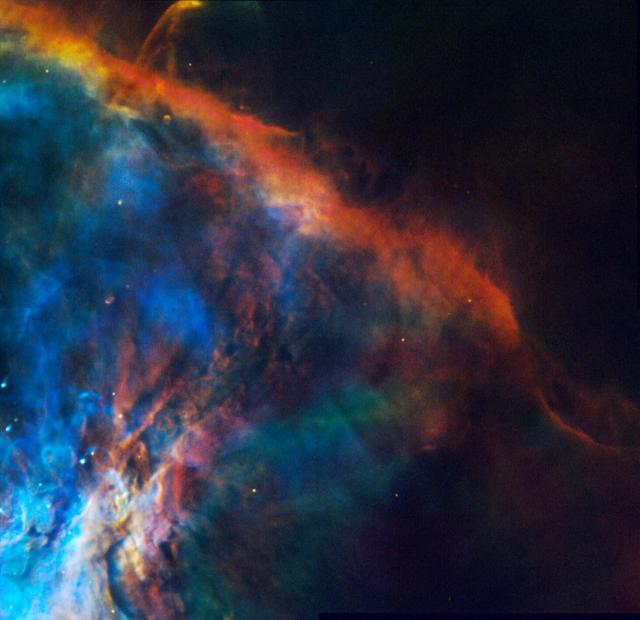
This #HubbleClassic view taken in 1991 shows a small portion of the Orion Nebula – the image only spans a little over one light-year.
Composed of roiling dust and gas, thousands of stars are forming inside this nebula: go.nasa.gov/3iXXv3y
#Hubble
Alaska has nearly 1 million miles of rivers, but only 10% of them are gauged, or measured.
By #TrackingWorldWater, SWOT will measure the height of surface water from space and help groups like the Alaska Department of Fish and Game better manage salmon spawning and survival.
#NASAEarth
SWOT will allow us to see Alaska’s waters in ways we haven’t before, which is important, because Alaska, being in the Arctic, is also where the U.S. is experiencing the most climate change right now.
More: go.nasa.gov/3BtKWmG
#NASAEarth
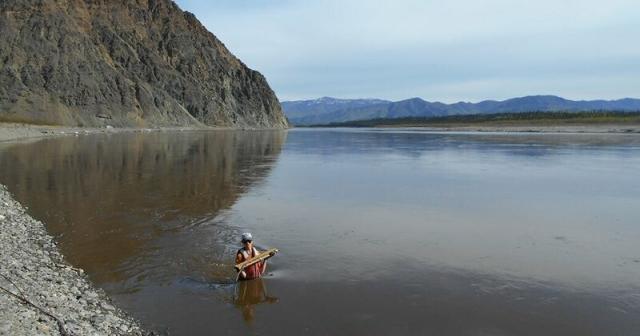
Water Mission to Gauge Alaskan Rivers on Front Lines of Climate Change
The upcoming Surface Water and Ocean Topography mission will provide a trove of data on Earth’s water resources, even in remote locations. Alaska serves as a case study.NASA Sea Level Change Portal

#NASAUniverse
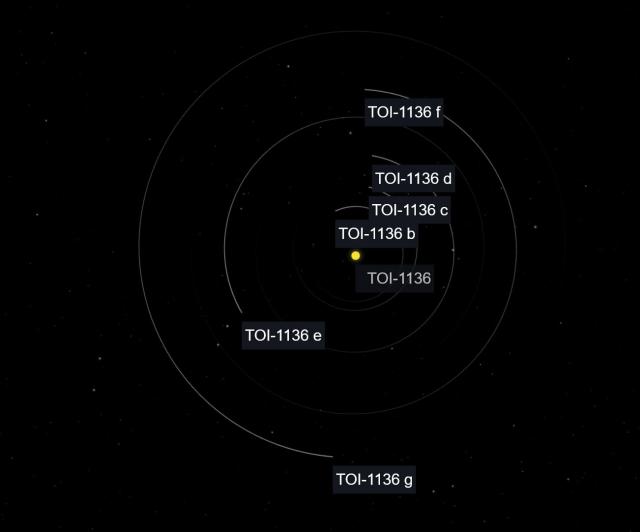
Six super-Earths join the known worlds, bringing our exoplanet total to 5,227. TOI 1136 b, c, d, e, f and g are in orbital resonance, meaning their orbits are precisely timed to each other in a grand cosmic dance. exoplanets.nasa.gov/exoplanet-…
#NASAExoplanets
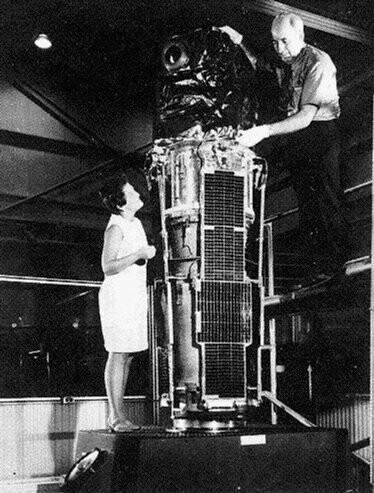
#NASAhistory
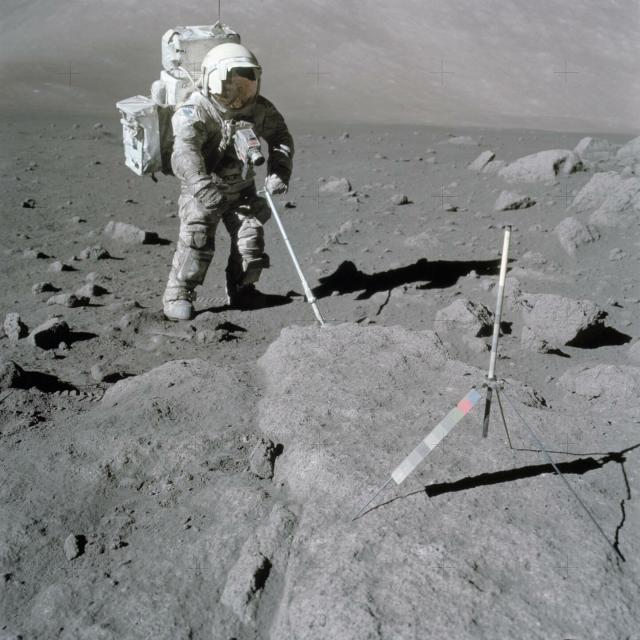
We (myself included) have taken this for granted for 50 years. But … Damn, we built rockets, spaceships, protective suits, & all the comm/control systems to make it work, … and then sent people to the MOON! And back!
And we did all that with the primitive computing capabilities available back then … 🤦♂️
Curious about how Moon dust feels and smells? 🌔 👃
Find out ➡️ go.nasa.gov/3XUI5wQ
And check out how dirty Schmitt's suit is in this photo!
#NASAhistory
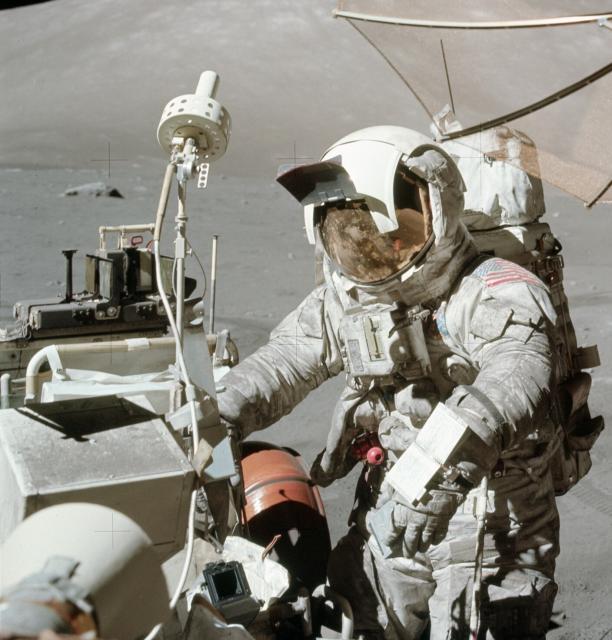
NASA - Apollo Chronicles: The Mysterious Smell of Moondust
Long after the last Apollo astronaut left the moon, a mystery lingers: Why does moondust smell like gunpowder?Science@NASA
What happens when students and professional engineers compete side by side with their homemade machines? JPL's Invention Challenge! 🤓
The long-running event returned to in-person competition, and North Hollywood’s Oakwood School emerged victoriously: go.nasa.gov/3BqpKxY
#NASAJPL
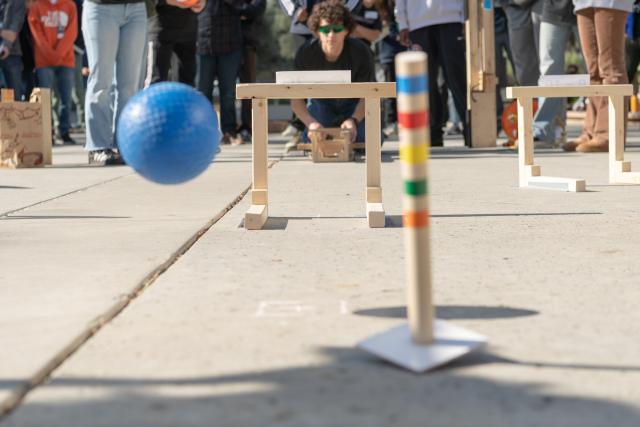
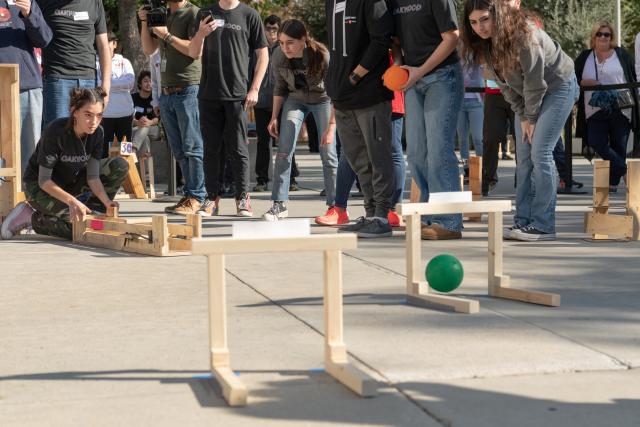
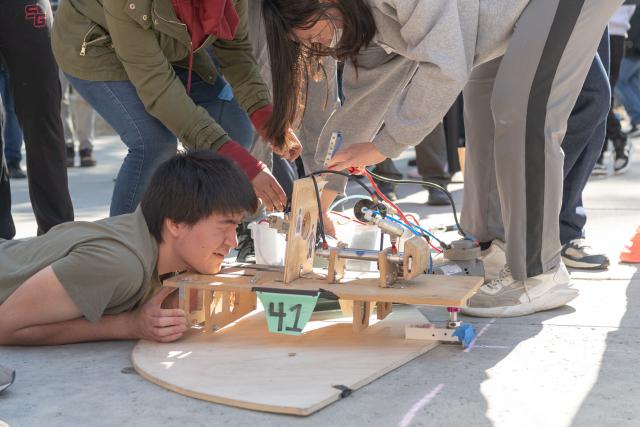
Practice Makes Perfect for Student Inventions at JPL Competition
Months of preparation led to three teams from one school taking home the top prizes at the 23rd Invention Challenge hosted by NASA’s Jet Propulsion Laboratory.NASA Jet Propulsion Laboratory (JPL)
#Artemis I is safely back on Earth—so what's next for Artemis as we get ready to explore the Moon and Mars?
Our experts will answer your @NASAArtemis questions in a @reddit AMA tomorrow, Dec. 13, at 2pm ET (1900 UTC). Join us on /r/IAmA: teddit.pussthecat.org/r/IAmA
#NASA
#NASAUniverse
JustBlameWayne Social®
in reply to NASA • • •#DEFUND_NASA? THE CASE AGAINST NASA (MINDSHOCK PODCAST CLIPS
youtu.be/7hlGVj-WP9Y
JustBlameWayne.com
Founder of #SEO (Search Engine Optimization)
Founder of #RTB (Real Time Bidding)
Founder of #HFT (High Frequency Trading)
Disclaimer: JustBlameWayne.com and/or tastingtraffic.net (Decentralized SOCIAL Network) and/or its owners [tastingtraffic.com] are not affiliates of this provider or referenced image used. This is NOT an endorsement OR Sponsored (Paid) Promotion/Reshare.
DEFUND NASA? THE CASE AGAINST NASA (MINDSHOCK PODCAST CLIPS)
YouTubeJason ON
in reply to NASA • • •