
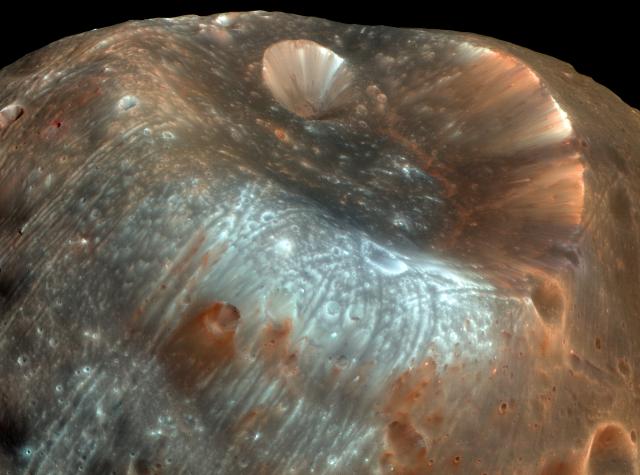
APOD: 2023 July 8 - Stickney Crater
A different astronomy and space science related image is featured each day, along with a brief explanation.apod.nasa.gov
Stickney Crater
Image Credit: HiRISE, MRO, LPL (U. Arizona), NASA
apod.nasa.gov/apod/ap230708.ht… #APOD

APOD: 2023 July 8 - Stickney Crater
A different astronomy and space science related image is featured each day, along with a brief explanation.apod.nasa.gov
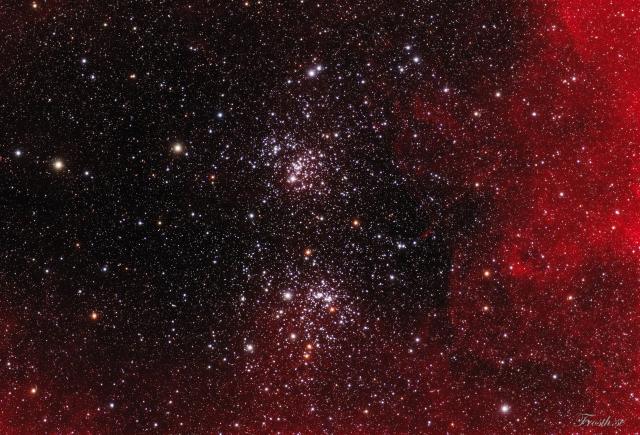
APOD: 2023 July 7 - The Double Cluster in Perseus
A different astronomy and space science related image is featured each day, along with a brief explanation.apod.nasa.gov
The Double Cluster in Perseus
Image Credit & Copyright: Mårten Frosth
apod.nasa.gov/apod/ap230707.ht… #APOD

APOD: 2023 July 7 - The Double Cluster in Perseus
A different astronomy and space science related image is featured each day, along with a brief explanation.apod.nasa.gov
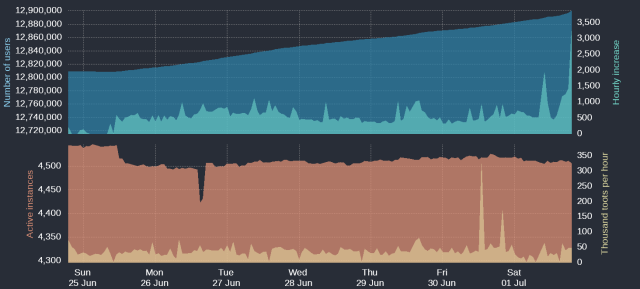
+2,768 in the last hour
+55,777 in the last day
+367,589 in the last week
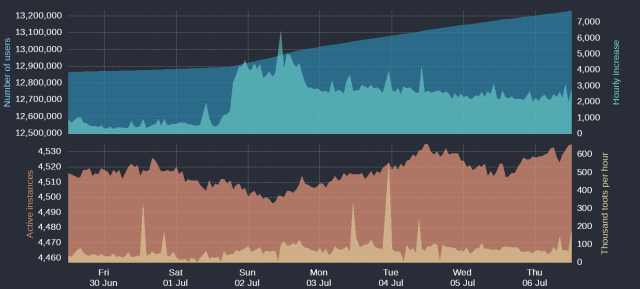
Yeah, I reckon it'd be cool if someone's keeping a track of "social media world" events vs crazy Fediverse surges.
Unless I've missed one, the previous surge began around 14th June, I think in line with Reddit going belly-up? mastodon.social/@mastodonuserc…

APOD: 2023 July 6 - Fireworks vs Supermoon
A different astronomy and space science related image is featured each day, along with a brief explanation.apod.nasa.gov
Fireworks vs Supermoon
Image Credit & Copyright: Michael Seeley
apod.nasa.gov/apod/ap230706.ht… #APOD

APOD: 2023 July 6 - Fireworks vs Supermoon
A different astronomy and space science related image is featured each day, along with a brief explanation.apod.nasa.gov
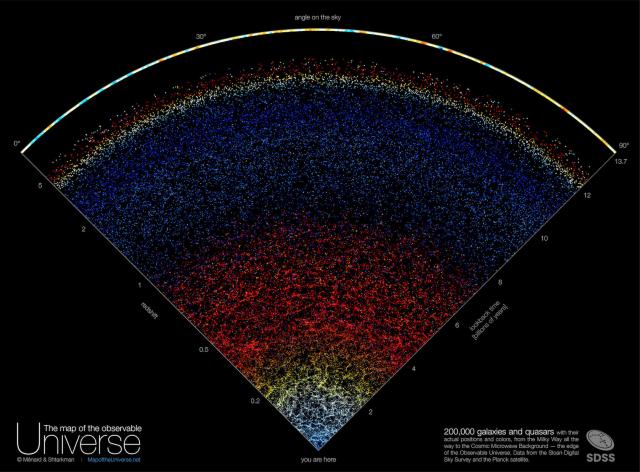
APOD: 2023 July 5 – A Map of the Observable Universe
A different astronomy and space science related image is featured each day, along with a brief explanation.apod.nasa.gov
A Map of the Observable Universe
Image Credit & Copyright: B. Ménard & N. Shtarkman; Data: SDSS, Planck, JHU, Sloan, NASA, ESA
apod.nasa.gov/apod/ap230705.ht… #APOD

APOD: 2023 July 5 – A Map of the Observable Universe
A different astronomy and space science related image is featured each day, along with a brief explanation.apod.nasa.gov
what should i do if this exact image appears on my toast tomorrow.
And even more importantly. What topping should i put on that piece of toast?
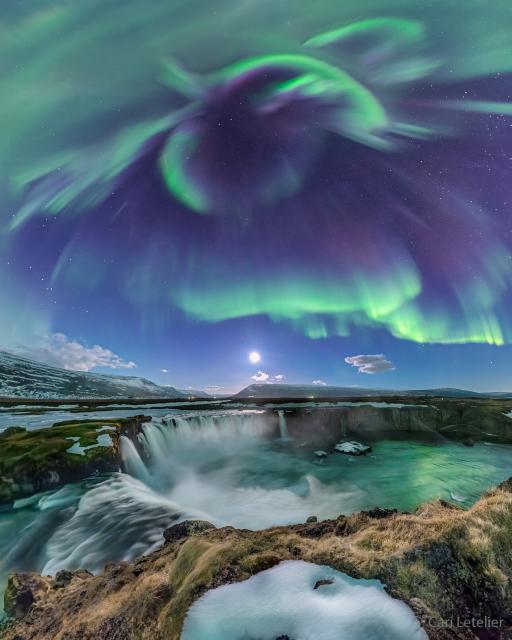
APOD: 2023 July 4 – Aurora over Icelandic Waterfall
A different astronomy and space science related image is featured each day, along with a brief explanation.apod.nasa.gov

Aurora over Icelandic Waterfall
Image Credit & Copyright: Cari Letelier
apod.nasa.gov/apod/ap230704.ht… #APOD

APOD: 2023 July 4 – Aurora over Icelandic Waterfall
A different astronomy and space science related image is featured each day, along with a brief explanation.apod.nasa.gov
#Disability #DisabilityPride #DisabilityPrideMonth
#cartoon #cartoons #comic #comics #instacomic #instacartoon
#academia #science #research
#errantscience

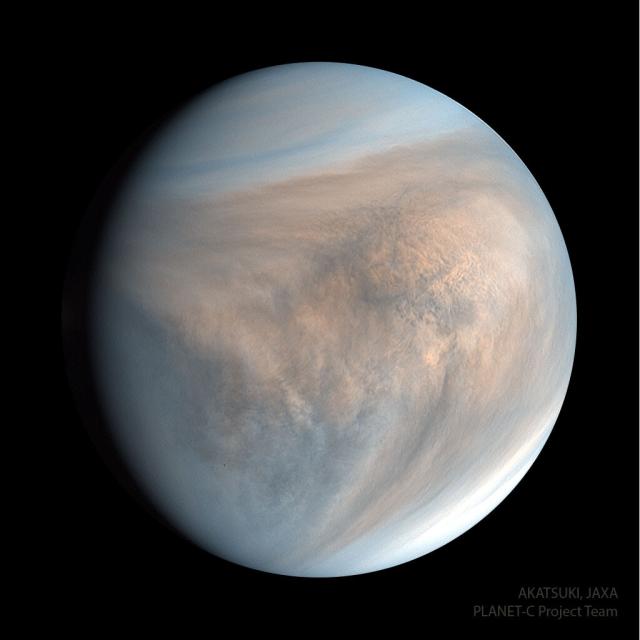
APOD: 2023 July 3 – Venus in Ultraviolet from Akatsuki
A different astronomy and space science related image is featured each day, along with a brief explanation.apod.nasa.gov
Venus in Ultraviolet from Akatsuki
Image Credit & Copyright: JAXA, Planet-C Project Team; h/t: Mehmet Hakan Özsaraç
apod.nasa.gov/apod/ap230703.ht… #APOD

APOD: 2023 July 3 – Venus in Ultraviolet from Akatsuki
A different astronomy and space science related image is featured each day, along with a brief explanation.apod.nasa.gov
Milky Way and Aurora over Antarctica
Image Credit & Copyright: LI Hang
apod.nasa.gov/apod/ap230702.ht… #APOD

APOD: 2023 July 2 – Milky Way and Aurora over Antarctica
A different astronomy and space science related image is featured each day, along with a brief explanation.apod.nasa.gov



+3,225 in the last hour
+20,351 in the last day
+91,325 in the last week
I only discovered the #fediverse this week because I stopped being able to conveniently access reddit.
Love the concept, still adapting to the execution.
This will probably only reach the void but: is there a community for professional chemists or laboratory workers like r/chempros or r/labrats?
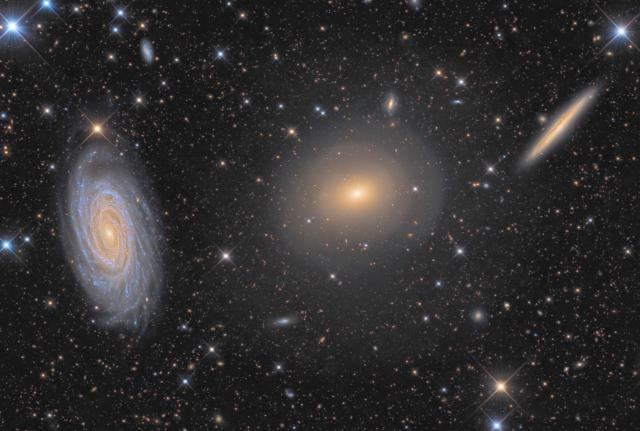
APOD: 2023 July 1 - Three Galaxies in Draco
A different astronomy and space science related image is featured each day, along with a brief explanation.apod.nasa.gov
Three Galaxies in Draco
Image Credit & Copyright: David Vernet , Jean-François Bax , Serge Brunier, OCA/C2PU
apod.nasa.gov/apod/ap230701.ht… #APOD

APOD: 2023 July 1 - Three Galaxies in Draco
A different astronomy and space science related image is featured each day, along with a brief explanation.apod.nasa.gov
Asteroid City, meet #AsteroidDay.
The cast of the movie had a few questions for us about OSIRIS-REx, a @NASASolarSystem mission traveling #ToBennuAndBack to return an asteroid sample to Earth this September. nasa.gov/osiris-rex/
[Video embedded in original tweet]
#NASA

OSIRIS-REx
OSIRIS-REx traveled to near-Earth asteroid Bennu and is bringing a small sample back to Earth for study. The mission launched Sept. 8, 2016, from Cape Canaveral Air Force Station.NASA
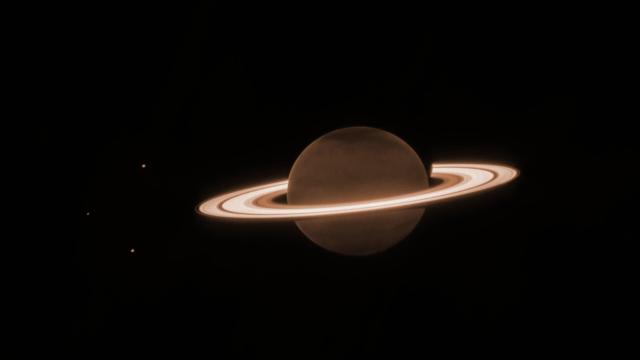
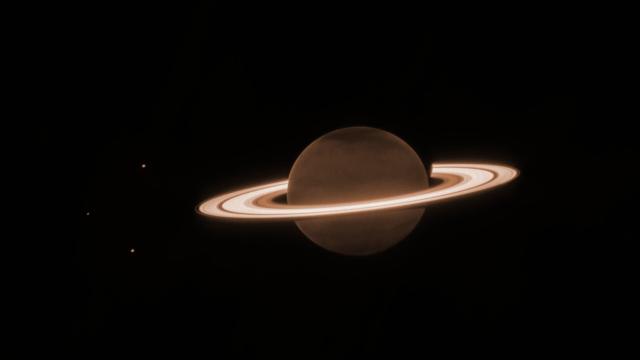
Wake up, babe. @NASAWebb dropped a new infrared image of Saturn.
On June 25, the space telescope detected the planet’s faint moons and looked at its icy rings. Methane gas in Saturn’s atmosphere absorbs light, so it appears darker here. go.nasa.gov/3r97xD0
#NASA
#OTD in 1967, Robert H. Lawrence was chosen for the MOL program: the first African-American selected as an astronaut for a U.S. space program. Tragically, he was killed in an accident before going to space.
More about Lawrence's legacy: go.nasa.gov/3NPi6nJ
📸 @usairforce
#NASAhistory

Robert Lawrence: First African-American Astronaut
The USAF selected Maj. Robert H. Lawrence, Jr., on June 30, 1967, as the first African-American astronaut by any national space program.NASA
X marks the spot!
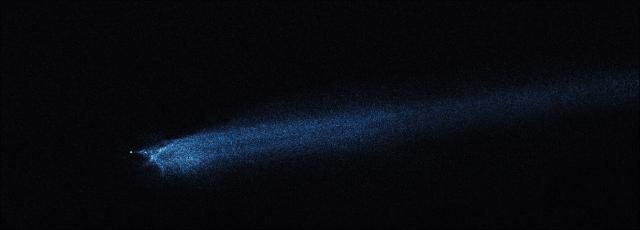
For #AsteroidDay, check out this Hubble image, which shows the aftermath of a suspected collision between two asteroids. This led to the bizarre X-shaped object seen here, at the head of a comet-like trail of material.
Learn more: go.nasa.gov/44qvx2J
#Hubble
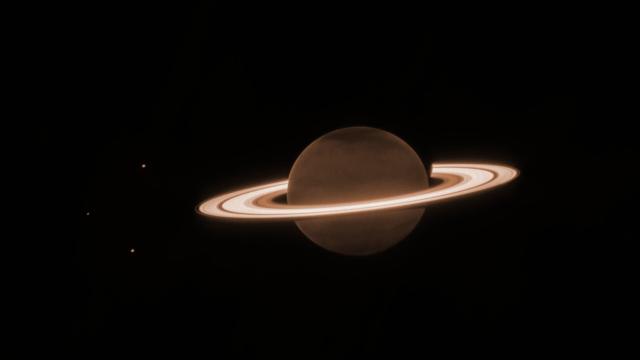
Of course Saturn brought its ring light 🪐
Webb took its first near-infrared look at Saturn on June 25. The planet appears dark at this wavelength, as methane gas in its atmosphere absorbs sunlight — but its icy rings stay bright! Learn more: go.nasa.gov/3XtQ5Fr
#JamesWebb
Welcome home Dragon! 🪂
@SpaceX’s Dragon cargo spacecraft splashed down off the coast of Florida today at 10:30am ET carrying 3,600 pounds of science and hardware back to Earth. This marks the completion of SpaceX’s 28th cargo resupply mission. blogs.nasa.gov/spacestation/20…
#ISS
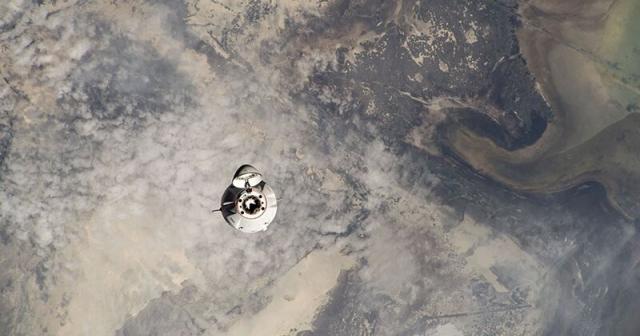
SpaceX Dragon Cargo Splashes Down, Returning Science to Earth
A SpaceX Dragon cargo spacecraft splashed down at 10:30 a.m. EDT Friday, June 30, off the coast of Jacksonville, Florida, marking the return of the company's 28th contracted cargo resupply mission to the International Space Station for NASA.blogs.nasa.gov
Just checking in! 👀
Hubble sometimes checks in on our galactic neighbors, like the one featured in this #HubbleFriday view.
Known as ESO 174-1, this galaxy contains a bright cloud of stars, and a faint, meandering tendril of dark gas and dust: go.nasa.gov/46oEnjv
#Hubble

Hubble Checks in on a Galactic Neighbor
The highly irregular galaxy ESO 174-1, which resembles a lonely, hazy cloud against a backdrop of bright stars, dominates this image from the NASA/ESA Hubble Space Telescope.Andrea Gianopoulos (NASA)

FYI the hashtag #HubbleFriday is throwing errors now: 403 connection refused.
social.beachcom.org/tags/Hubbl…

Social::Beach
Mostly german speaking, facts based instance in support of the Mastodon network.Mastodon hosted on social.beachcom.org
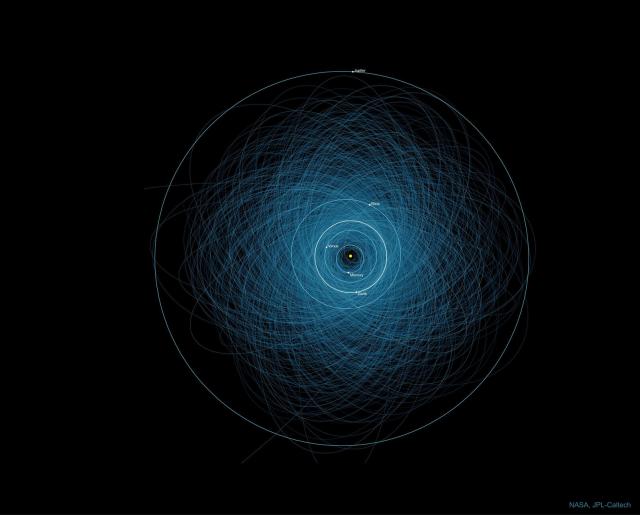
APOD: 2023 June 30 – Orbits of Potentially Hazardous Asteroids
A different astronomy and space science related image is featured each day, along with a brief explanation.apod.nasa.gov
Orbits of Potentially Hazardous Asteroids
Illustration Credit: NASA, JPL-Caltech
apod.nasa.gov/apod/ap230630.ht… #APOD

APOD: 2023 June 30 – Orbits of Potentially Hazardous Asteroids
A different astronomy and space science related image is featured each day, along with a brief explanation.apod.nasa.gov
Otherworldly (literally!) ✨
Two new ultraviolet views from NASA’s @MAVEN2Mars orbiter help show the movement of water vapor and ozone at Mars. MAVEN’s studies help reveal the planet’s climate history and potential for supporting past life.
Read more: go.nasa.gov/42Zm4OM
#NASAMars
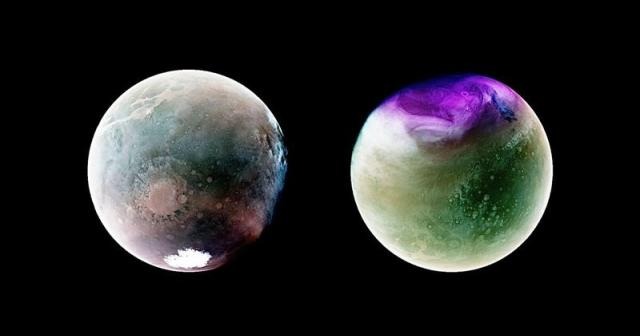
NASA's MAVEN Spacecraft Stuns with Ultraviolet Views of Red Planet
NASA’s MAVEN (Mars Atmosphere and Volatile EvolutioN) mission acquired stunning views of Mars in two ultraviolet images taken at different points along our neighboring planet’s orbit around the Sun.NASA Mars Exploration
#NASASolarSystem
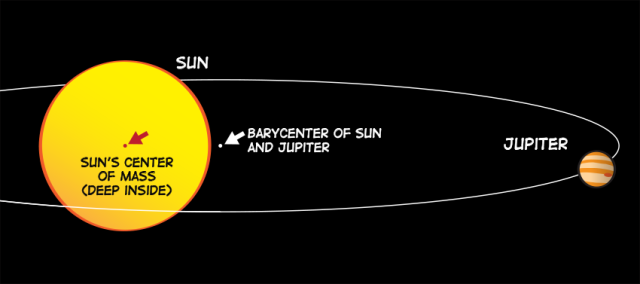
What Is a Barycenter? | NASA Space Place – NASA Science for Kids
And how does it help us find new planets?spaceplace.nasa.gov
#NASA
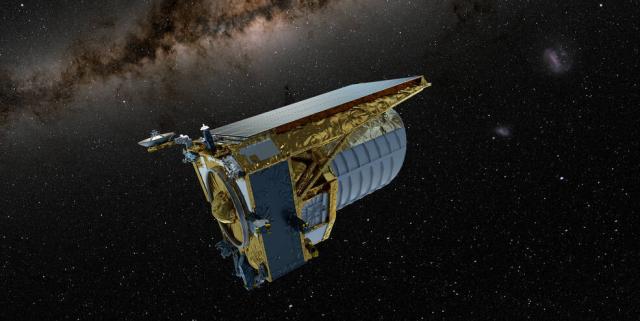
#NASA
#NASAExoplanets
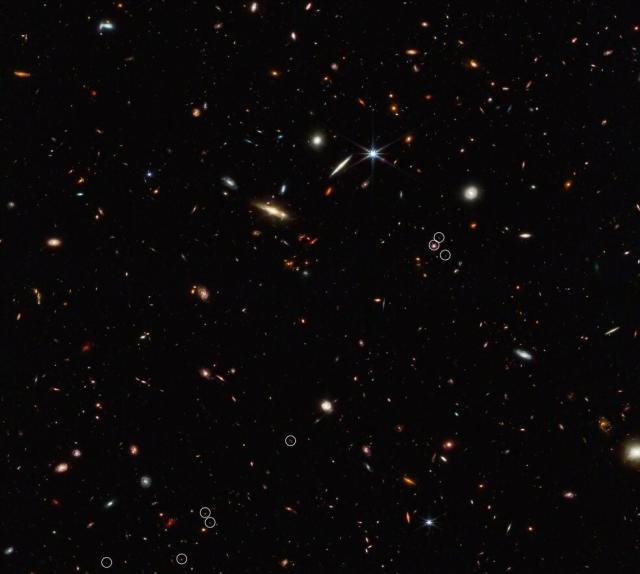
NASA’s Webb Identifies the Earliest Strands of the Cosmic Web
Astronomers using NASA’s James Webb Space Telescope have discovered a thread-like arrangement of 10 galaxies that existed just 830 million years after the big bang.Jessica Evans (NASA)
Happy #NationalCameraDay! While not a camera per se, #Landsat’s OLI instrument captures beautiful images of our planet. 🌍
The imager on the upcoming Landsat Next satellites will see changes on Earth’s surface with more precise detail than ever before. go.nasa.gov/3CSga7v
#NASAEarth
Landsat Next | Landsat Science
A New and Revolutionary Landsat Mission Landsat Next is on the horizon—the new mission will not only ensure continuity of the longest space-based record of Earth’s land surface, it will fundamentally transform the breadth and depth of actionable info…Landsat Science
Separation confirmed.
@SpaceX's uncrewed Dragon spacecraft undocked from the @Space_Station at 12:30pm ET. #CRS28 will now start its journey home, splashing down off the coast of Florida around 10:30am ET (1430 UTC) on Friday. Follow blogs.nasa.gov/spacestation/ for the latest.
#NASA
A @SpaceX Dragon cargo spacecraft is on its way home. 🔬🌎
Dragon successfully undocked from the station today at 12:30pm ET. It will splash down off the coast of Florida on Friday, June 30, bringing 3,600 pounds of science and hardware back to Earth. go.nasa.gov/3PBEmT7
#ISS
SpaceX Dragon Cargo Spacecraft Departs from Station
Following commands from ground controllers at SpaceX in Hawthorne, California, the company’s Dragon cargo spacecraft undocked at 12:30 p.m. EDT from the space-facing port of the station’s Harmony module.go.nasa.gov
We're looking forward to SpaceX' Dragon's safe return home.
It's great to have our space community working together.
#ISS

SpaceX Dragon Cargo Spacecraft Departing Station Live on NASA TV
Live coverage of the departure of a SpaceX Dragon cargo spacecraft from the International Space Station is underway on NASA Television, the agency’s website, and the NASA app.blogs.nasa.gov
Protecting carbon stored in ecosystems could be a powerful tool in tackling climate change, according to a @nasa study using @Space_Station GEDI data.
“This is the first time we have been able to quantify the climate impact of protected areas.”
🌲: go.nasa.gov/3ptW5RU
#NASAEarth
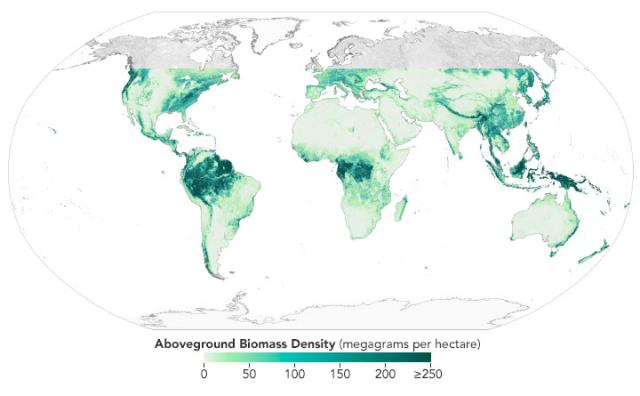
Protected Areas Safeguard Climate
Protecting carbon stored in ecosystems could be a powerful tool in tackling climate change.go.nasa.gov
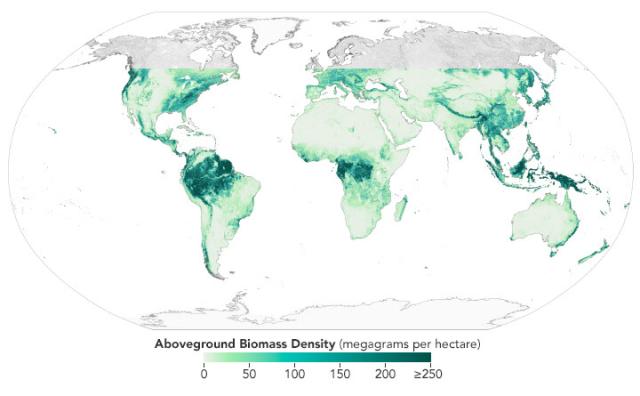
This map shows biomass density This map shows biomass density across GEDI’s observation area.
More dense areas are shown in darker shades of green. GEDI doesn’t collect data north of about 52 degrees latitude.
#NASAEarth
Rai Aren 🖖✨📚🇺🇦
in reply to NASA • • •"Stickney Crater, the largest crater on the martian moon Phobos"