Hydroelectric Dams Take a Toll on Jaguars, Tigers and Lions
As reigning apex #predators of a variety of ecosystems, #bigcats like tigers, jaguars and lions are vital for ecosystem health. Yet forest loss for hydroelectric dam building is a real threat to these majestic big cats. Aside from depriving wildlife of a home, forest loss also contributes to #climatechange. It’s ironic then that hydroelectricity, which is being developed worldwide (especially in South American and
... show more
Hydroelectric Dams Take a Toll on Jaguars, Tigers and Lions
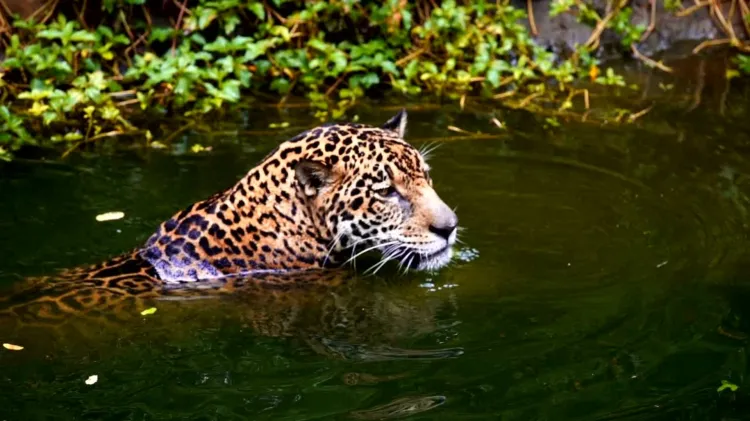
As reigning apex #predators of a variety of ecosystems, #bigcats like tigers, jaguars and lions are vital for ecosystem health. Yet forest loss for hydroelectric dam building is a real threat to these majestic big cats. Aside from depriving wildlife of a home, forest loss also contributes to #climatechange. It’s ironic then that hydroelectricity, which is being developed worldwide (especially in South American and Asian countries) as an alternative energy source to fossil fuels, is a big cause of deforestation. Alternative energy is important however shouldn’t come at the cost of species under threat. Better protections are urgently needed. #Boycott4Wildlife
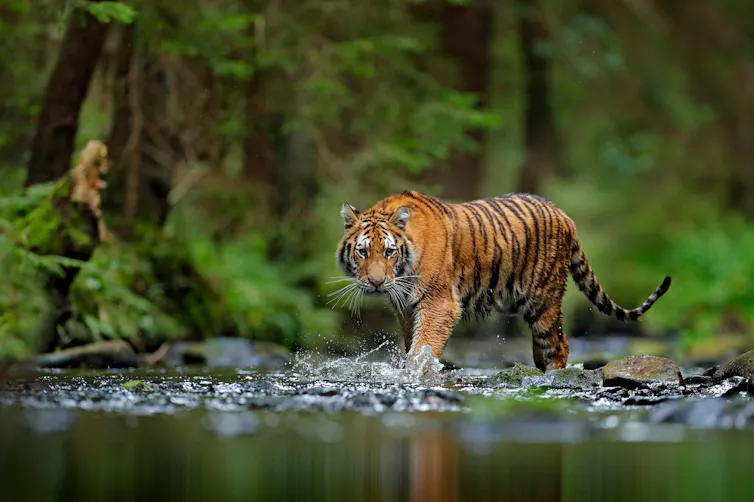
Big cats are among the most widespread top predators on Earth. Lions stalk zebra in the African savanna, tigers ambush antelope in the forests of Asia and jaguars hunt deer in the jungles of South America. They play an important role in ecosystems by regulating the numbers of these herbivores, in turn, reducing the deterioration of vegetated habitats and maintaining species diversity. Ondrej Prosicky/Shutterstock Tigers, lions and jaguars must cover large areas to find food, so they need a lot of energy. As with many large carnivores, big cats are under threat from habitat loss, which leaves them with less to eat. Their spread-out populations and slow reproductive rates make them particularly vulnerable. While the habitats in which big cats live range from boreal forests at high latitudes to tropical rainforests at the equator, the causes of habitat loss are largely the same: logging for wood and fuel, plantations, farming and urbanisation.
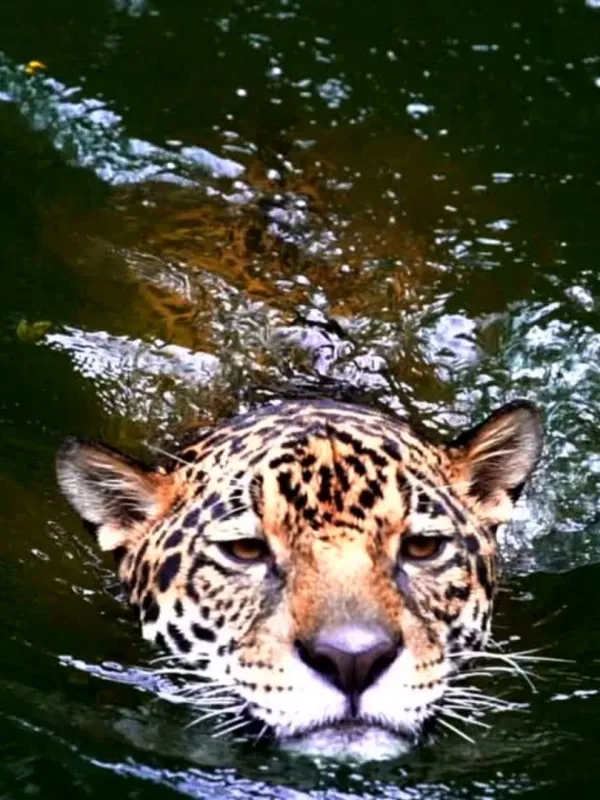
Building hydroelectric dams has caused extinctions and spread diseases in rivers globally, but the threat to ecosystems on land has largely been overlooked. In a recent study, researchers from China and Portugal investigated how existing and planned hydroelectric dams might affect two carnivores: the near-threatened jaguar (with an estimated global population of 173,000) and the endangered tiger (thought to number between 3,200 and 3,500 worldwide).
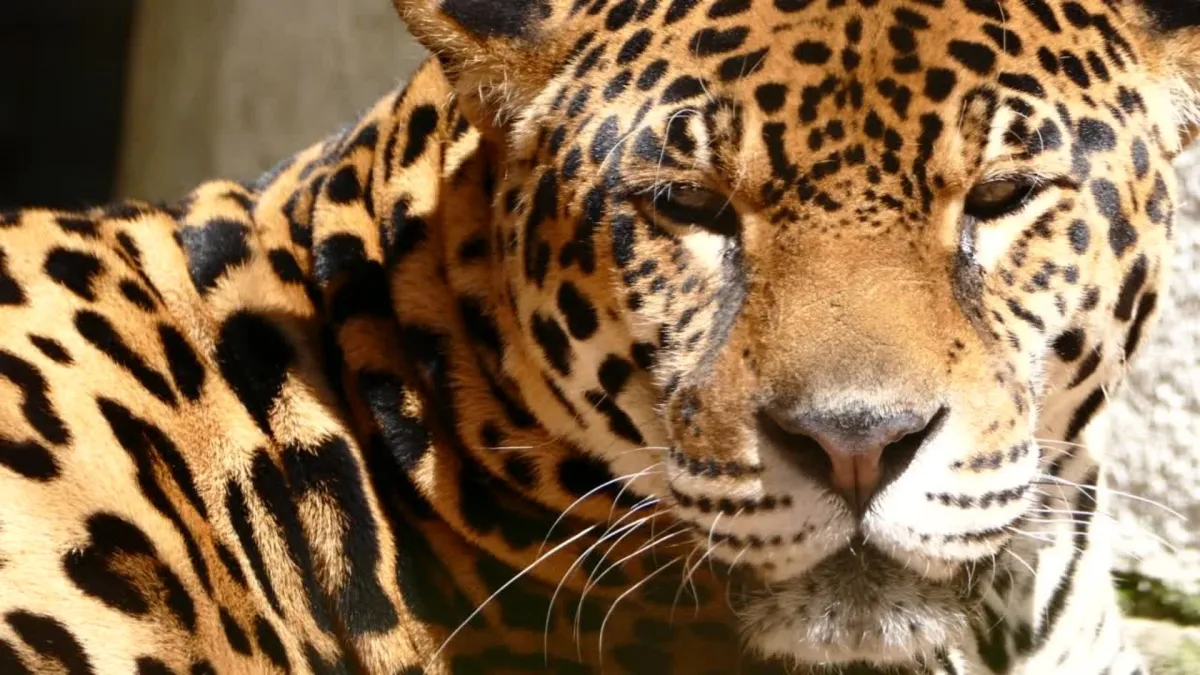
Jaguars, currently deemed Near Threatened, face a substantial habitat reduction of up to 25% in just over two decades. This decline stems from rampant deforestation for palm oil, soy,… Keep reading by Palm Oil DetectivesAugust 28, 2022August 7, 2025
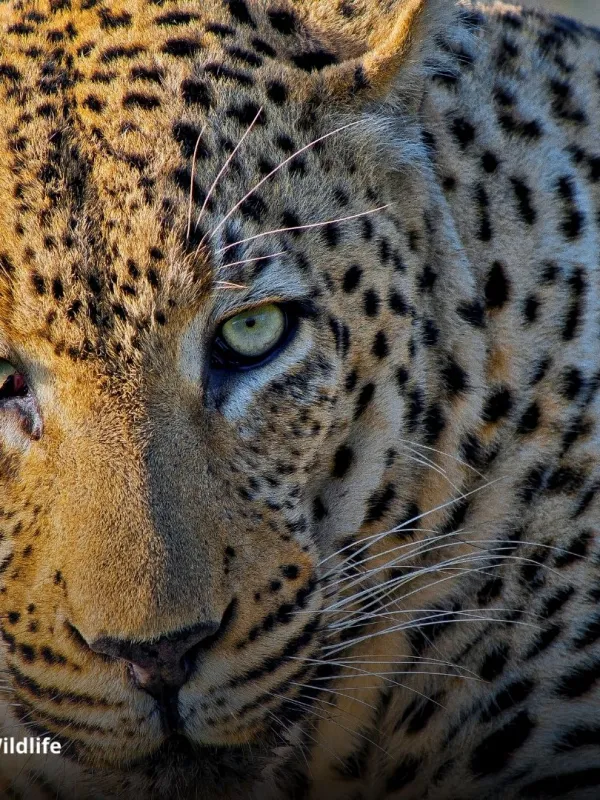
Of all the great cats prowling the wild, few inspire as much awe and fascination as the leopard Panthera pardus. Sleek, powerful, and enigmatic, leopards are found across a staggering… Keep reading by Palm Oil DetectivesMarch 11, 2021April 19, 2025
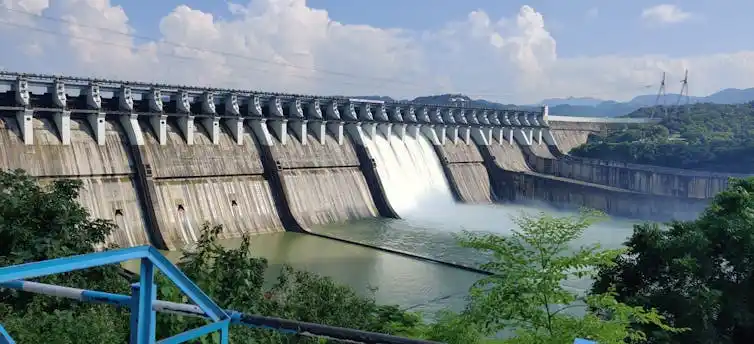
The distribution of jaguars and tigers has shrunk 50% and 93% respectively, but the researchers found that hydroelectric plants pose a substantial risk of further declines. They found 164 dams that already intersect the jaguar range and 421 dams that do the same for tigers. This equates to one in five tigers that are likely to be affected by dams, compared with one in 200 jaguars. Since tiger numbers are already so low, this could have a considerable influence on the population’s capacity to recover and may even result in local extinctions. A dam on the Narmada River in India, where the endangered Bengal tiger is native. Ankit K Sinha/Shutterstock
Damning developments for big cats
Large expanses of land are flooded to create reservoirs when building hydroelectric plants in low-lying, relatively flat areas. Although tigers and jaguars can and do swim, they mainly hunt species such as deer that live on land. Sites chosen for dams typically incorporate floodplains and areas along rivers that are important for both species, since they tend to contain lots of prey.
The flooded area will force both predators and prey into surrounding areas. If the vegetation here can support the influx of herbivores, tigers and jaguars will probably persist. But if it cannot, the predators may be forced further afield in search of food, potentially drawing them into conflict with people who may kill them.
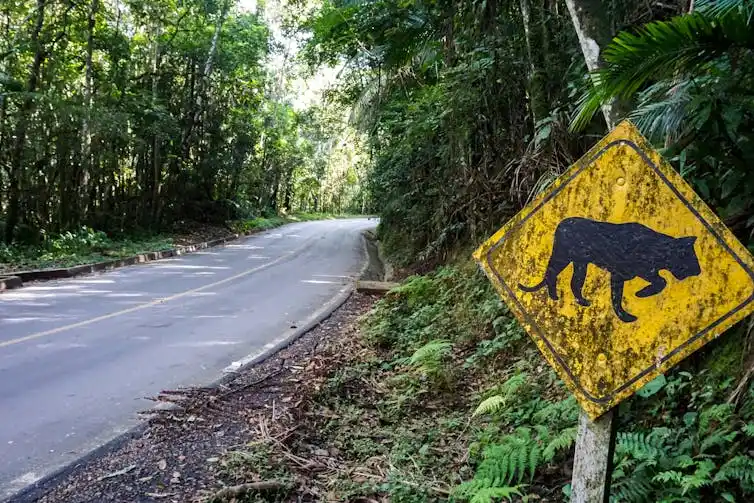
Relatively pristine habitats are under threat. The number of hydroelectric dams is set to quadruple across the jaguar’s range with a further 429 planned, while 41 are expected where tigers roam. Aside from the direct loss of habitat, these new constructions can increase the presence of people in remote areas. Roads built to access new dam sites consequently open up areas that were previously impenetrable. Roads can be a barrier to some species and kill those that try to cross. Roads can also encourage new towns and villages, which divide the habitat further. A road in Brazil which drives deep into jaguar habitat. Ricardo de O. Lemos/Shutterstock
Mitigating the damage
Where dams exist, the researchers suggest habitat loss could be limited by incorporating the surroundings into a protected area with suitable enforcement. Any new dams, though, especially in conservation areas or areas where top predators prowl, should be avoided. Sadly, most of the dams planned in Asia overlap with significant portions of the tiger’s range.
One way to mitigate the damage from building new hydroelectric plants may be to do it on slopes outside of areas that are crucial for conserving tigers and jaguars. The amount of flooded area needed to produce electricity from these plants when they’re on a slope is smaller compared to those built on lower ground, reducing the overall damage to the surrounding habitat. But impact assessments would need to confirm the plant wasn’t simply creating new issues elsewhere.
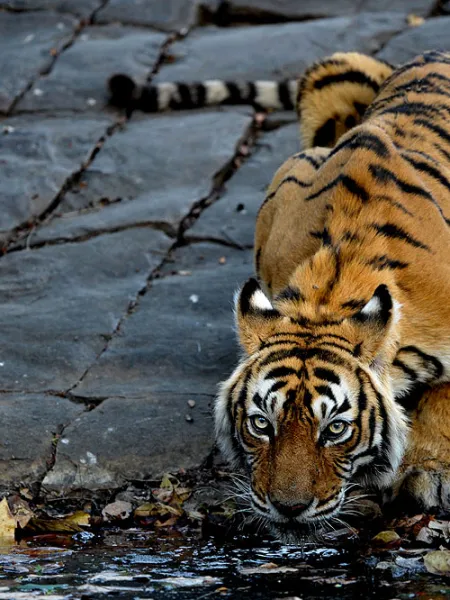
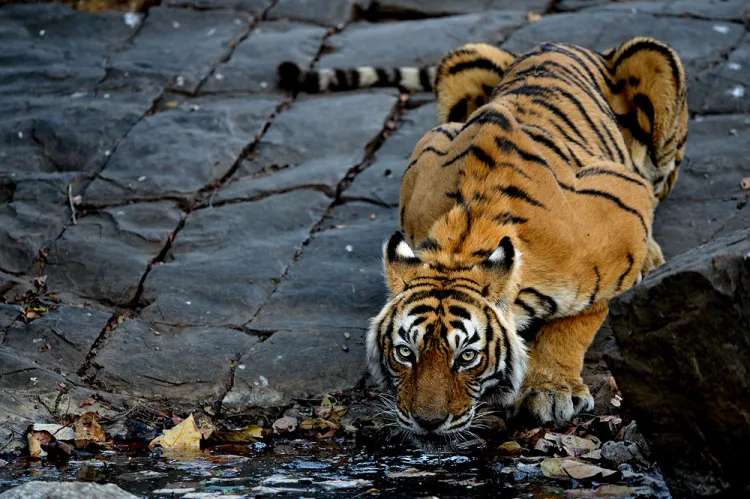
Alternative sources of energy are important for a sustainable future, but their benefits should not come at a substantial cost to species already under threat. Craig Jones Wildlife Photography – A Bengal tiger drinking at a river Written by Tara Pirie, Postdoctoral Researcher, People and Wildlife Research Group, University of Reading. This article is republished from The Conversation under a Creative Commons license. Read the original article.
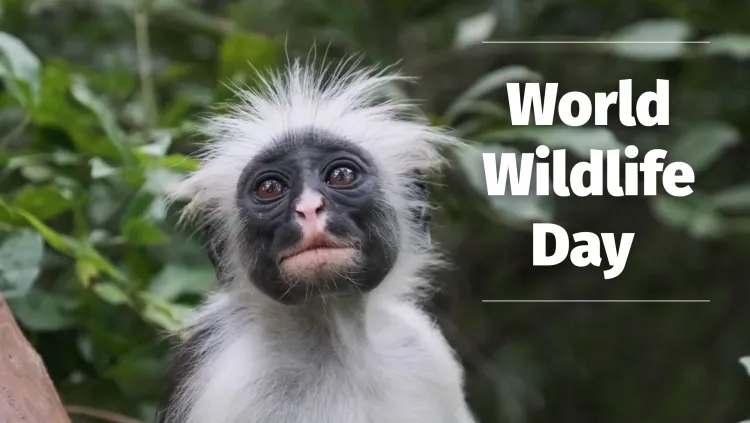
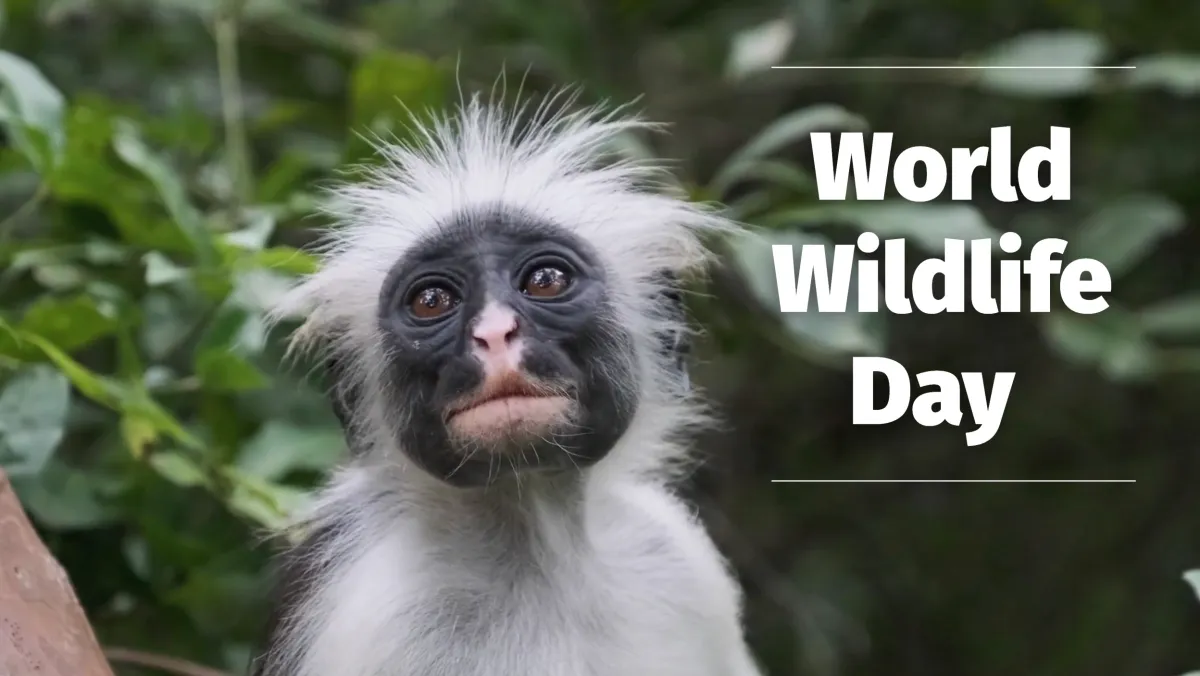
This #WorldWildlifeDay take action for animals great and small! Reptiles insects, mammals and birds deserve better than palm oil ecocide and extinction. Make sure you Boycott palm oil Read more
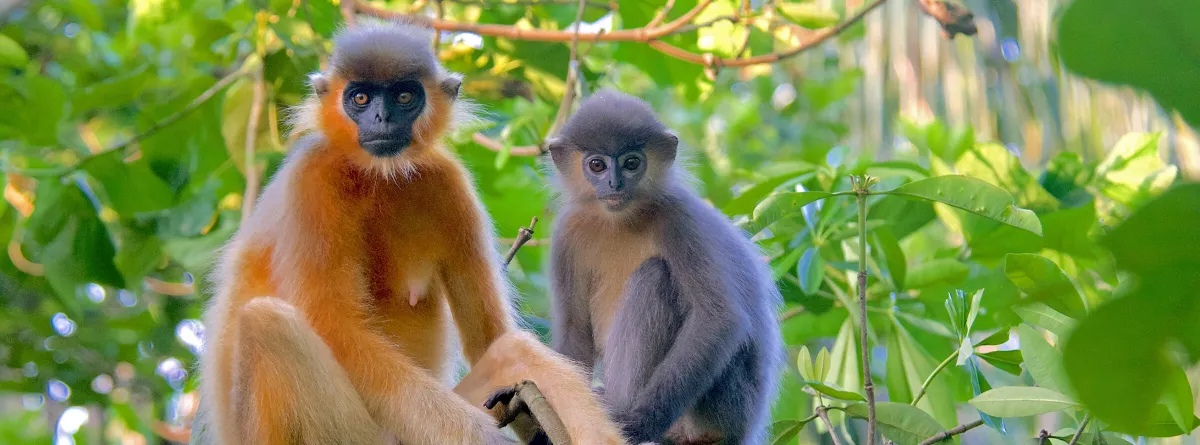
Critically endangered Phayre’s langurs and endangered capped langurs of Bangladesh, are interbreeding raising concerns about their survival, take action! Read more
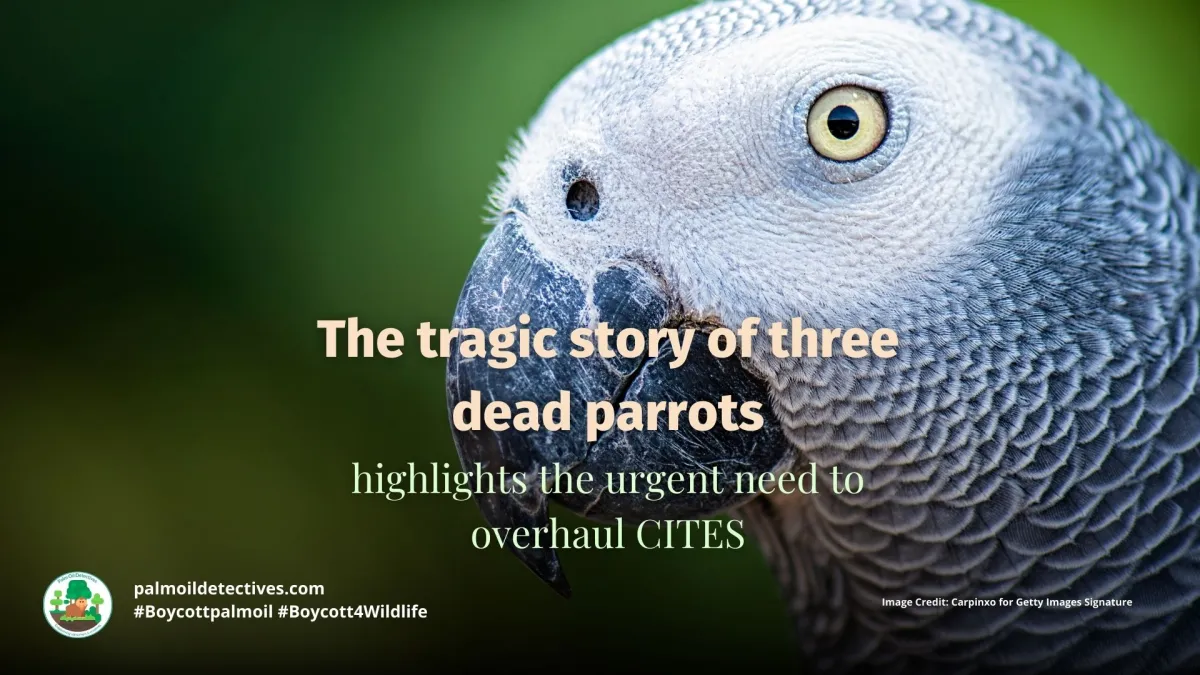
The legal trade is largely to blame for African grey parrots becoming endangered. Regulator CITES is broken allowing exploitation, massive reform needed now! Read more
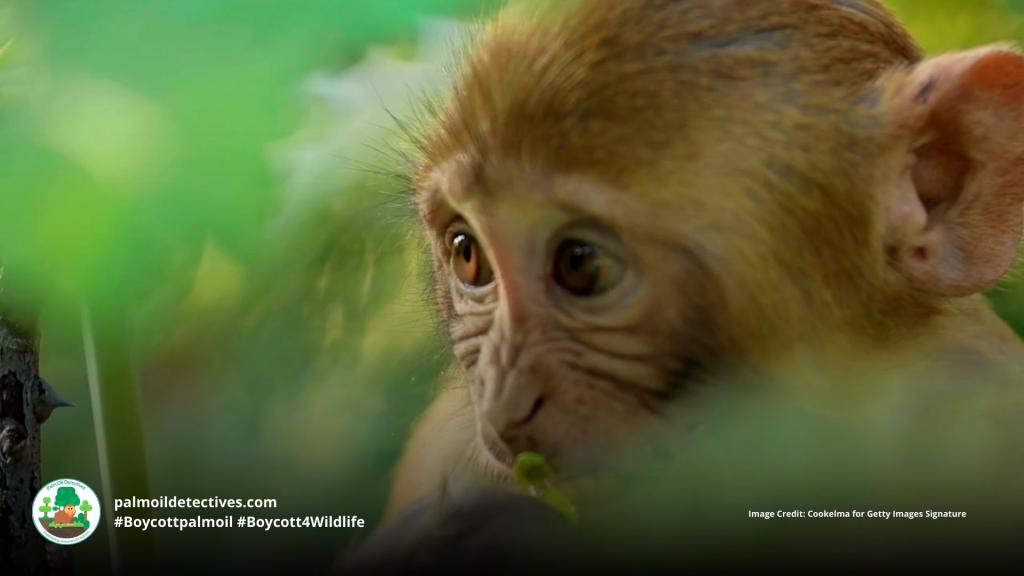
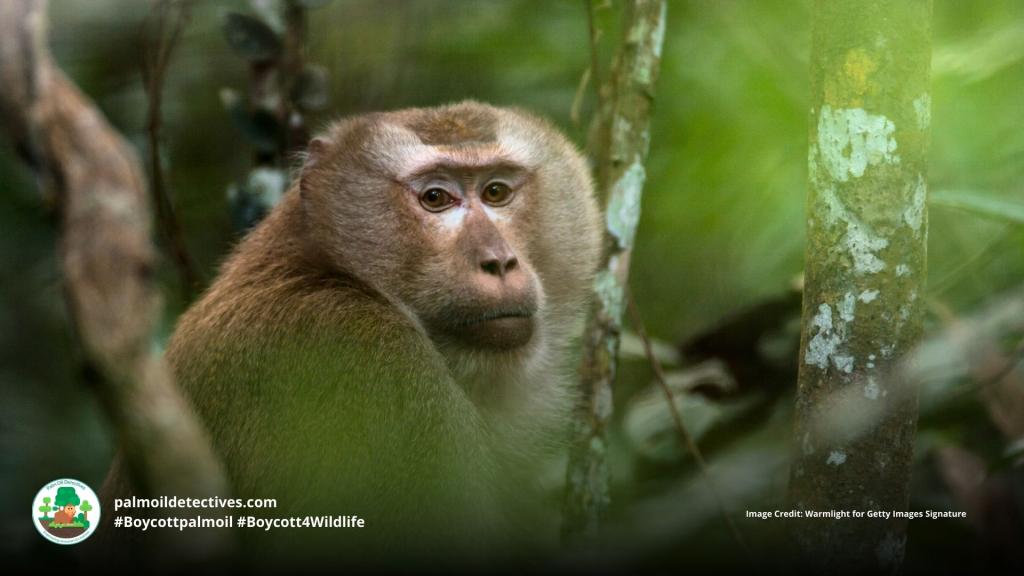
In fragmented forests of Mexico, big cats find it hard to locate prey ungulates instead seeking tree-dwelling #monkeys – that’s bad news for primates! Read more
Load more posts Something went wrong. Please refresh the page and/or try again.
Take Action in Five Ways
1. Join the #Boycott4Wildlife on social media and subscribe to stay in the loop: Share posts from this website to your own network on Twitter, Mastadon, Instagram, Facebook and Youtube using the hashtags #Boycottpalmoil #Boycott4Wildlife.
2. Contribute stories: Academics, conservationists, scientists, indigenous rights advocates and animal rights advocates working to expose the corruption of the palm oil industry or to save animals can contribute stories to the website.
3. Supermarket sleuthing: Next time you’re in the supermarket, take photos of products containing palm oil. Share these to social media along with the hashtags to call out the greenwashing and ecocide of the brands who use palm oil. You can also take photos of palm oil free products and congratulate brands when they go palm oil free.
4. Take to the streets: Get in touch with Palm Oil Detectives to find out more.
5. Donate: Make a one-off or monthly donation to Palm Oil Detectives as a way of saying thank you and to help pay for ongoing running costs of the website and social media campaigns. Donate here
The Sumatran tiger is teetering on the brink of extinction. Recent findings underscore the urgency of protecting the last remaining populations of these majestic apex predators. Deforestation for palm oil and illegal poaching are wiping out their homes. In the Ulu Masen Ecosystem, a recent study detected only 11 tigers, highlighting severe population stress from snares and habitat loss. Without immediate action, they face the same tragic fate as the extinct Javan and Balinese tigers. Strict global rainforest laws, enforcement of anti-poaching units, and a consumer boycott of palm oil hold the key to protecting Sumatra’s last living tigers.
Tesso Nilo National Park in Sumatra has lost an alarming 78% of primary forest between 2009 and 2023. The primary driver of this devastation is the expansion of illegal palm oil plantations. This rampant deforestation threatens the homes of critically endangered species like tigers, orangutans, and elephants. When palm oil companies build roads, they increase accessibility for poachers, further endangering the animals who live there. Advocating for indigenous-led conservation efforts and adopting a plant-based lifestyle are vital steps to protect these ecosystems.
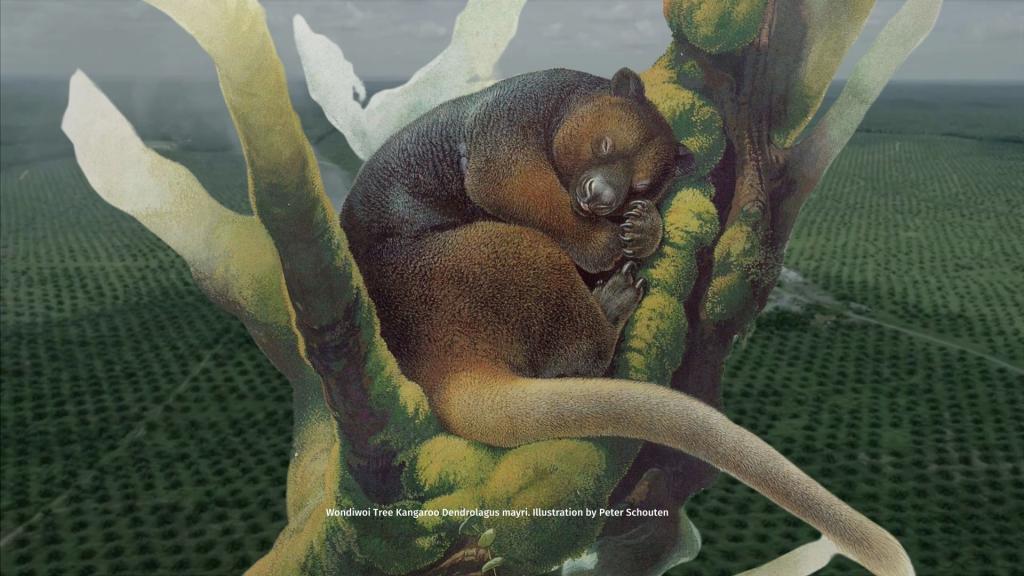
The destruction of wild ecosystems continues to push thousands of obscure species towards extinction finds a study by Norwegian University of Science and Technology. Researchers used advanced machine learning algorithms to assess the survival probability of thousands of under-researched animals, predicts that a staggering fifty-six percent of all “data deficient” species are currently threatened with extinction. 85% of unassessed amphibians face immediate existential threats, primarily driven by anthropogenic habitat degradation such as the unchecked expansion of palm oil plantations, meat agriculture, mining and timber logging. Right now is the time to fight for all life and reject products linked to ecocide. Always remember them and share out their posts! Start here on the forgotten animals page. These are the forgotten animals of the secretly destroyed forests
In Indonesia’s North Aceh district, Sumatran elephants find themselves increasingly encircled by shrinking patches of forest, hemmed in all all sides by massive palm oil expansion. Just 924 to 1,360 individual Sumatran elephants remain alive. They are trapped in dead lands, surrounded by the very industry that is eradicating their food sources. Ongoing attempts by researchers to measure their populations have been hampered by the Indonesian government, which attempts to hide the truth from the media. Boycott palm oil when you shop to protect these irreplaceable beings.
By holding to account the powerful corporations that control the world, we have the power to fight back against this ecocide. Here is how you can stand up for rainforest animals, farmed animals, indigenous people, and rainforests:
Next time you are in the supermarket, take photos of products containing palm oil. Share these on social media to call out the greenwashing and ecocide of the brands who use it. Congratulate brands when they go completely palm oil-free.
A viable path forward is to champion indigenous-led agroecology. Indigenous peoples possess the deep ecological knowledge required to protect forests and the intricate web of life that includes insects, birds, mammals and reptiles. Stand strongly with indigenous land defenders to protect what remains of the wild.
Learn about other animals endangered by palm oil and other agriculture
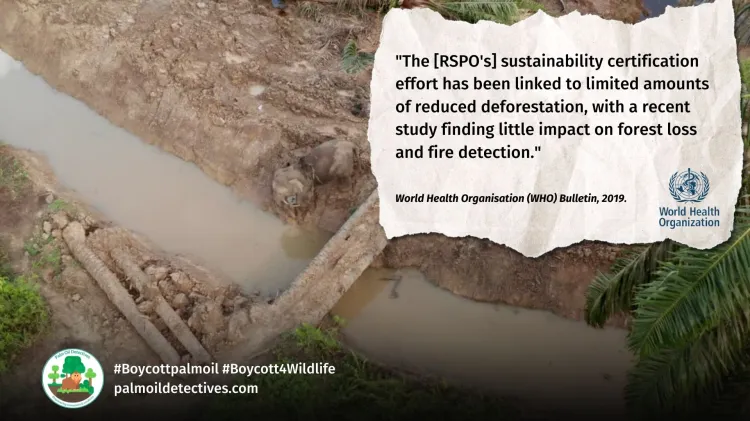
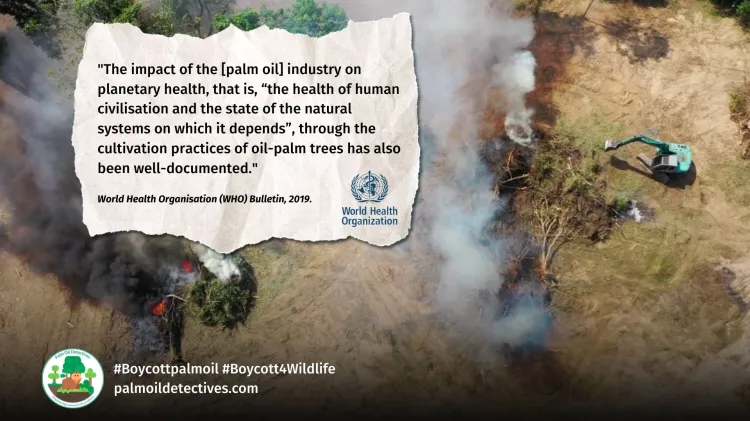
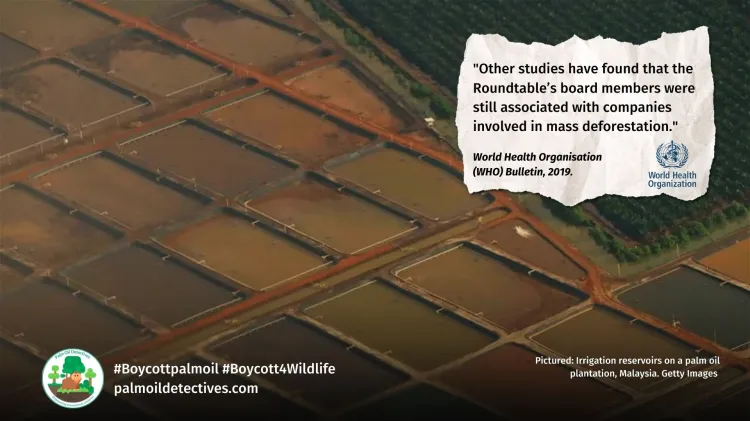
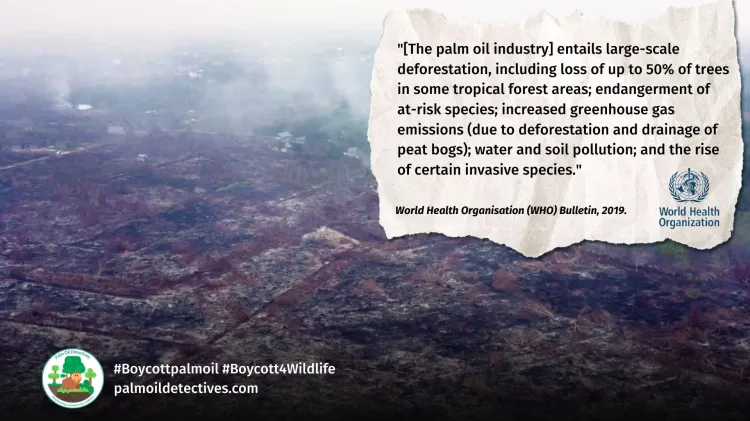
A 2019 World Health Organisation (WHO) report into the palm oil industry and RSPO finds extensive greenwashing of palm oil deforestation and the murder of endangered animals (i.e. biodiversity loss)
1. Join the #Boycott4Wildlife on social media and subscribe to stay in the loop: Share posts from this website to your own network on Twitter, Mastadon, Instagram, Facebook and Youtube using the hashtags #Boycottpalmoil #Boycott4Wildlife.
2. Contribute stories: Academics, conservationists, scientists, indigenous rights advocates and animal rights advocates working to expose the corruption of the palm oil industry or to save animals can contribute stories to the website.
3. Supermarket sleuthing: Next time you’re in the supermarket, take photos of products containing palm oil. Share these to social media along with the hashtags to call out the greenwashing and ecocide of the brands who use palm oil. You can also take photos of palm oil free products and congratulate brands when they go palm oil free.
4. Take to the streets: Get in touch with Palm Oil Detectives to find out more.
5. Donate: Make a one-off or monthly donation to Palm Oil Detectives as a way of saying thank you and to help pay for ongoing running costs of the website and social media campaigns. Donate here


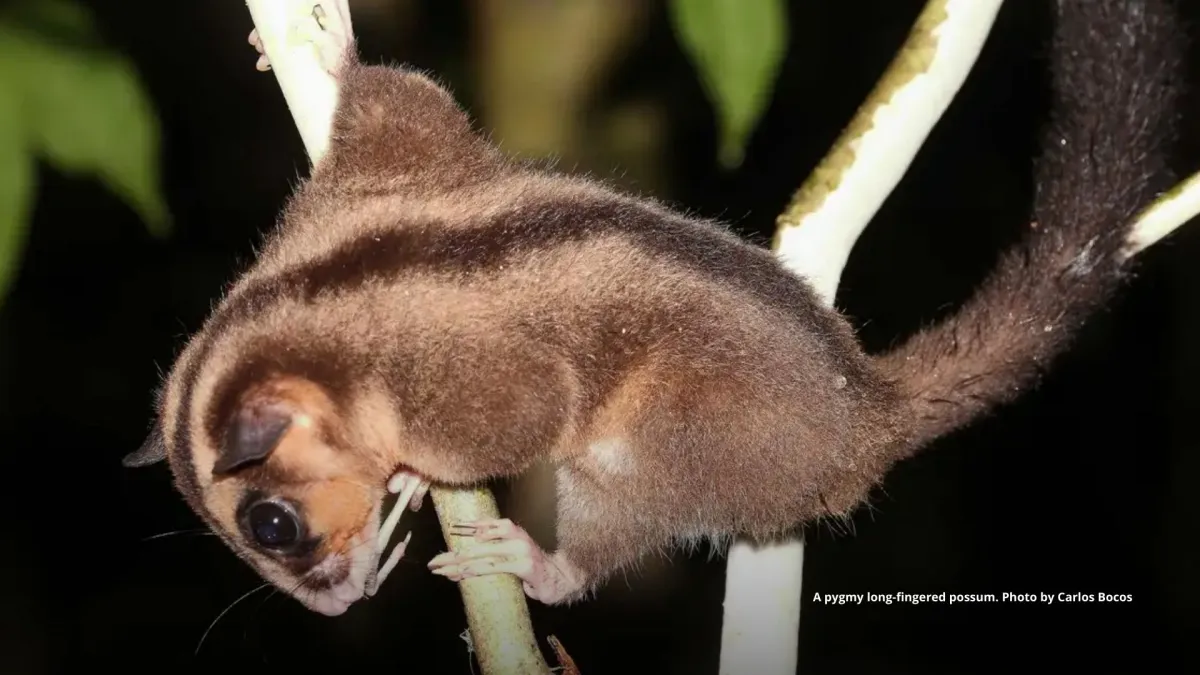





These are the forgotten animals of the secretly destroyed forests