Search
Items tagged with: NASAhistory

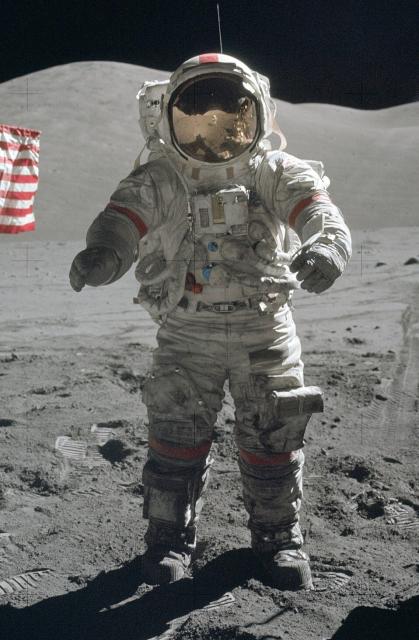
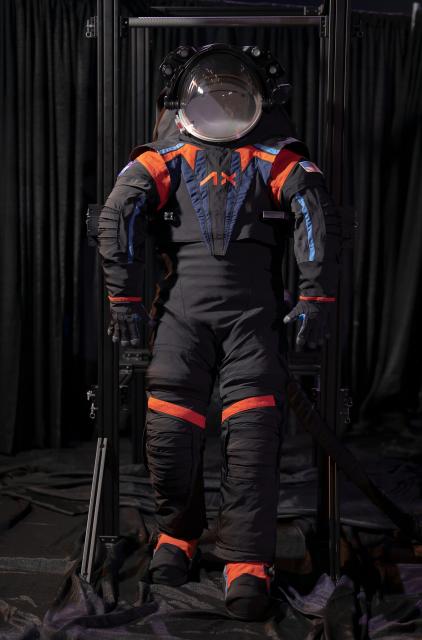
Not your grandpa's space suit.
Axiom Space's suit design will allow the Artemis III astronauts greater mobility, better protection, and other technological advancements over their Apollo counterparts! go.nasa.gov/3ZPRF4N
More space suit history: go.nasa.gov/3mWUYbX
#NASAhistory

#NASAhistory
Hot off the press! 🗞️
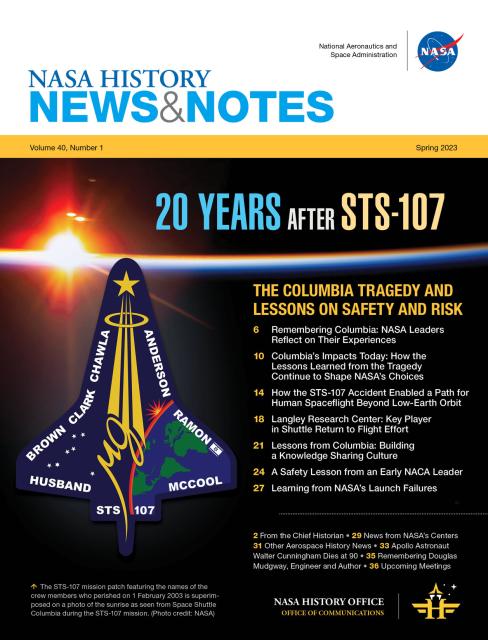
In our latest issue of NASA History News & Notes, NASA historians discuss the Space Shuttle Columbia accident, how the Agency was transformed in its wake, and the legacy it leaves today.
Download the PDF: go.nasa.gov/3yAYVph
#NASAhistory
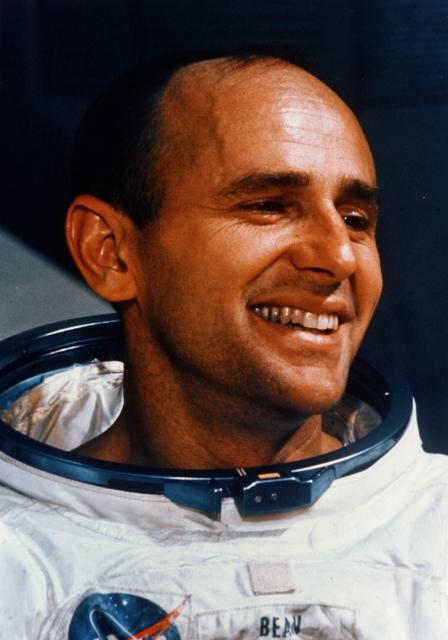
The artist who walked on another world!
On his birthday, we remember astronaut and artist Alan Bean! Bean walked on the Moon for Apollo 12, commanded the Skylab 3 crew 50 years ago in 1973, and after retiring from NASA, devoted his time to painting his spaceflight memories.
#NASAhistory
What do the size of the Opportunity rover's parachute, the Apollo spacecrafts' paths around the Moon, and the Galileo probe's helium data from Jupiter have in common? NASA scientists used pi in their calculations! #PiDay
More ways pi is used at NASA: go.nasa.gov/404eeT2
#NASAhistory
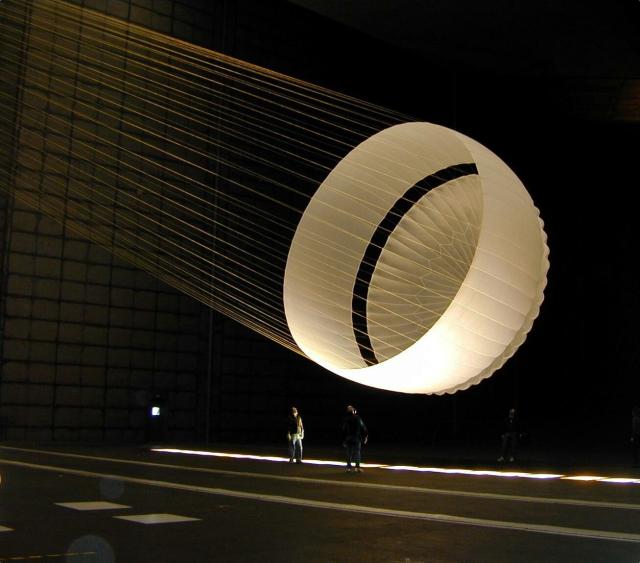
Student Project: 18 Ways NASA Uses Pi | NASA/JPL Edu
Whether it's sending spacecraft to other planets, driving rovers on Mars, finding out what planets are made of or how deep alien oceans are, pi takes us far at NASA. Find out how pi helps us explore space.NASA/JPL Edu
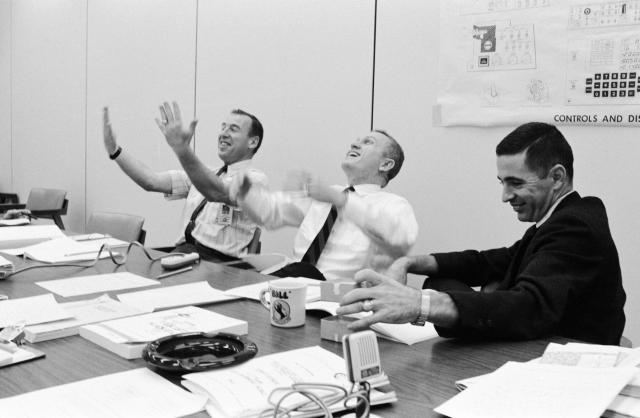
Happy 95th birthday to Gemini 7 and Apollo 8 astronaut Frank Borman, who is 11 days older than his Apollo 8 crewmate Jim Lovell! Wishing you a universe of good times on this day!
📷 Jim Lovell, Frank Borman, and Bill Anders at a technical debriefing after their trip to the Moon
#NASAhistory
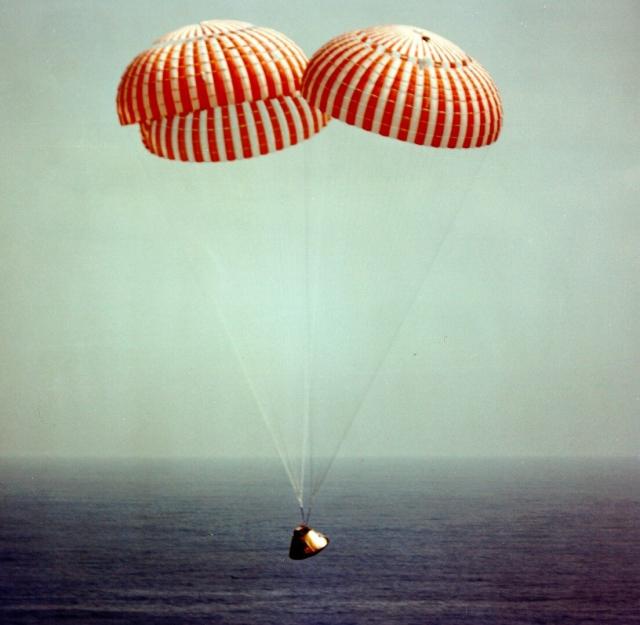
Apollo 9 splashed down #OTD in 1969 after completing its 10-day mission. It was the last crewed spacecraft to splash down in the Atlantic Ocean until Crew Dragon Demo-1 in 2019, 50 years later!
Watch a video with highlights of the Apollo 9 mission: go.nasa.gov/3ITxtaZ
#NASAhistory
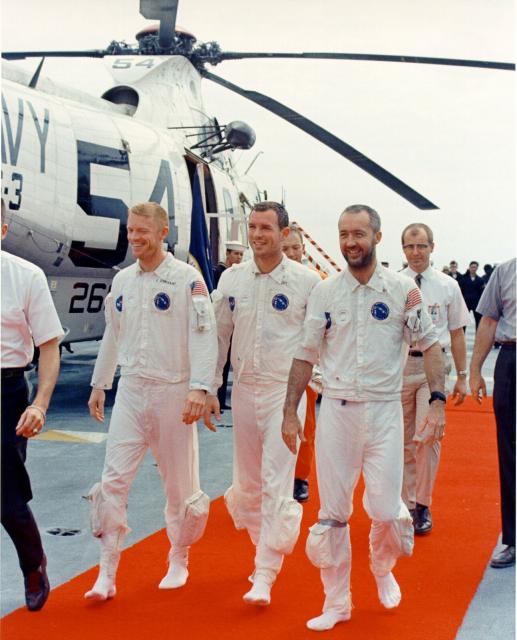
Apollo 9: 'A Hell of a Ride'
50 years ago, we tested the capabilities of our Moon landing spacecraft in Earth’s orbit. Commander James McDivitt, Command Module Pilot David Scott and Luna...YouTube
Born 100 years ago today in Hackensack, NJ, we celebrate the late Wally Schirra, the only astronaut to fly on the Mercury, Gemini, AND Apollo programs! 🎉 💯
See photos and stories from Schirra's days as a NASA astronaut: go.nasa.gov/3ZPkUo2
#NASAhistory
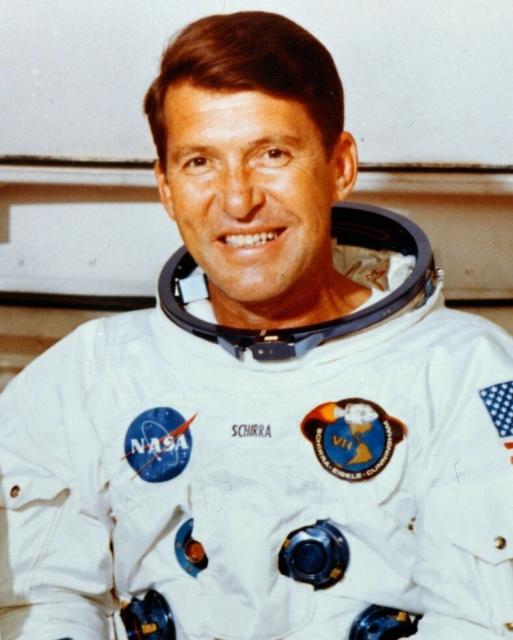
Wally Schirra
NASA brings you images, videos and features from the unique perspective of America's space agency. Get updates on missions, watch NASA TV, read blogs, view the latest discoveries, and more.NASA
Boop the snoot👇
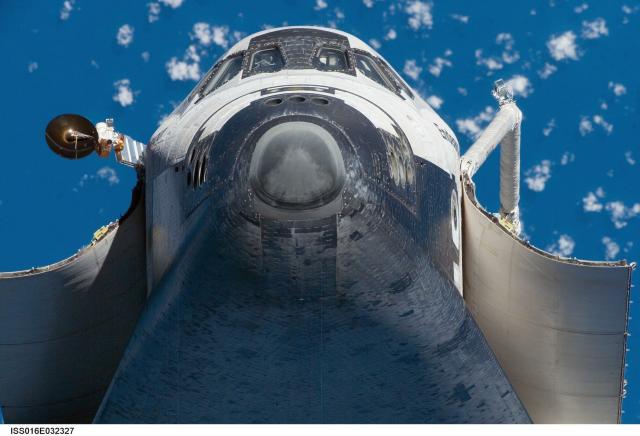
Today marks the 15th anniversary of the Space Shuttle Endeavour's STS-123 launch in 2008. Before docking with the ISS, commander Dominic Gorie did a roll pitch maneuver (a backflip) to allow the space station crew to photograph the heat shield.
#NASAhistory
Astronaut John Young famously smuggled a corned beef sandwich in his pocket for his Gemini III flight with Gus Grissom on March 23, 1965. Also on board, NASA's first space biology experiment in orbit!
More about the launch meat #NationalPackYourLunchDay go.nasa.gov/3yfZk06
#NASAhistory
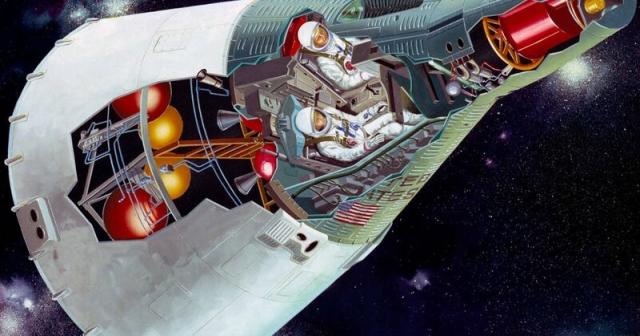
Contraband Corned Beef and the Early Days of Space Biology
The Gemini III mission carried two remarkable firsts: an astronaut’s smuggled sandwich and NASA’s first fundamental space biology experiment in orbit.Abigail Tabor (NASA)
Ode to Our Favorite Meatball
Designed in 1959,
this "meatball" stands the test of time.
Though briefly ousted by "the worm,"
in '92 the ball returned!
Learn more about the history of NASA's insignia on #NationalMeatballDay: go.nasa.gov/3T6xAED
#NASAhistory
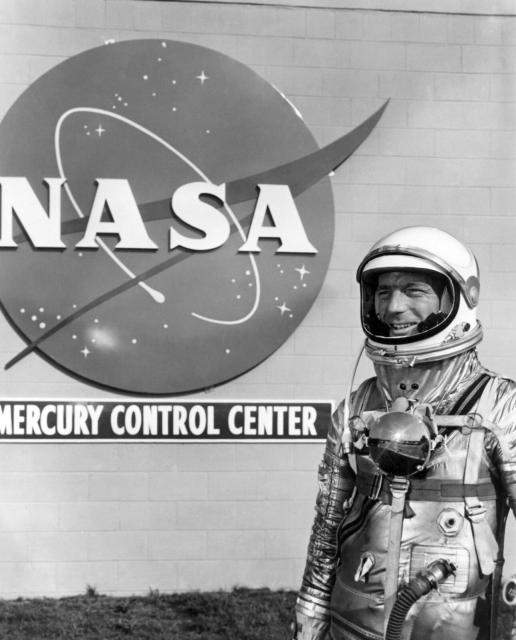
Emblems of Exploration
Over the course of their histories, the NACA and NASA have developed a wide variety of emblems representing each agency’s illustrious exploration of aerospace missions.NASA
Protection against potential moon pathogens 😷
In preparation for the first Apollo Moon landing, the first Mobile Quarantine Facility arrived at @NASA_Johnson in Houston in March 1968. Read about the features of the MQF! go.nasa.gov/3F9rrBT
#NASAhistory
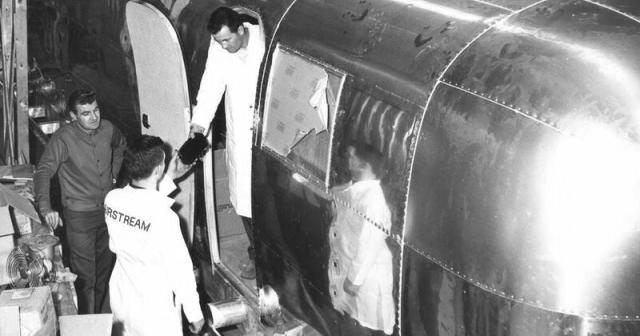
55 Years Ago: The First Mobile Quarantine Facility Arrives in Houston
On March 6, 1968, in preparation for the first Apollo Moon landing, the first Mobile Quarantine Facility (MQF) arrived at the Manned Spacecraft Center (MSC), now NASA’s Johnson Space Center in Houston, for testing and evaluation.Kelli Mars (NASA)
#NASAhistory
#NASAhistory
Donna Shirley joined @NASAJPL in 1966 as an aeronautical engineer, and went on to lead the development of the first rover to land on Mars (Sojourner) and become the 1st woman to lead a NASA Program, the Mars Exploration Program!
More about her career: go.nasa.gov/41IUsOl
#NASAhistory
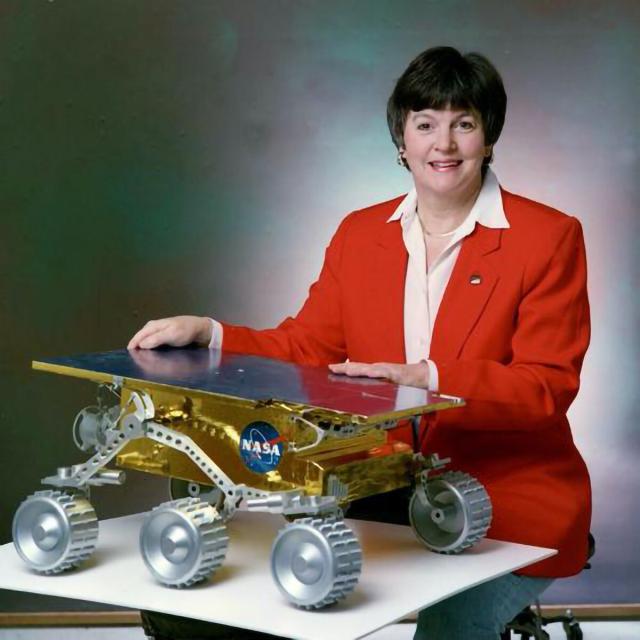
Mars Exploration Program Manager Donna Shirley to Retire
Donna Shirley, manager of NASA's Mars Exploration Program at the Jet Propulsion Laboratory and original leader of the team that built the highly acclaimed Mars Pathfinder rover, will retire August 21.NASA Jet Propulsion Laboratory (JPL)
Our first close-up of Ganymede!
On this day in 1979, the Voyager 1 spacecraft snapped a series of images of Ganymede, the largest moon in our solar system, as it made its closest approach to Jupiter
More about Ganymede: go.nasa.gov/41HpXII
📷 NASA/JPL-Caltech/Björn Jónsson
#NASAhistory
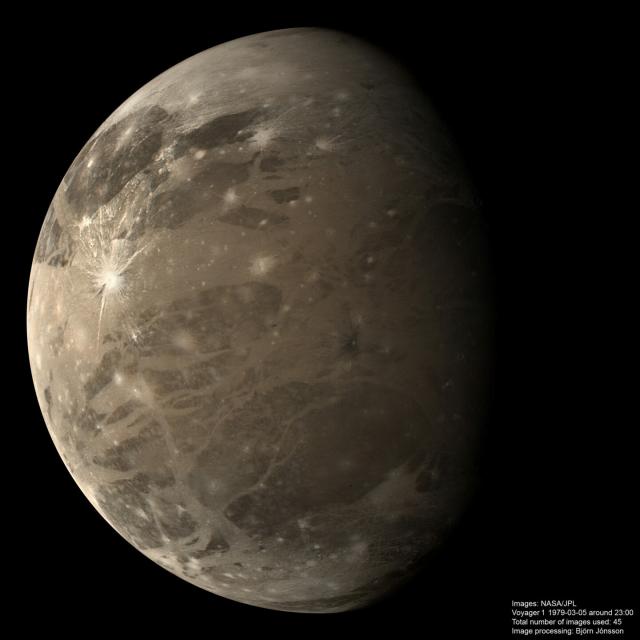
Overview | Ganymede – NASA Solar System Exploration
NASA’s real-time science encyclopedia of deep space exploration. Our scientists and far-ranging robots explore the wild frontiers of our solar system.NASA Solar System Exploration
This stunning aerial photo, captured from a Shuttle Training Aircraft (STA), shows Space Shuttle Columbia lifting off from @NASAKennedy #OTD in 1994 for STS-62.
Learn more about how the STA prepared Shuttle pilots: go.nasa.gov/3ZbIbAi
#NASAhistory
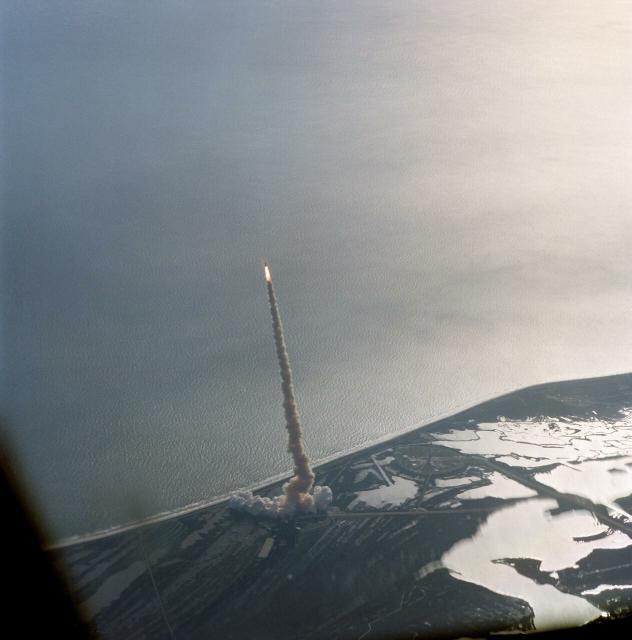
NASA - Test Drive: Shuttle Training Aircraft Preps Astronauts for Landing
Shuttle Training Aircraft preps astronauts for landingTerry McDonald - JSC
#NASAhistory
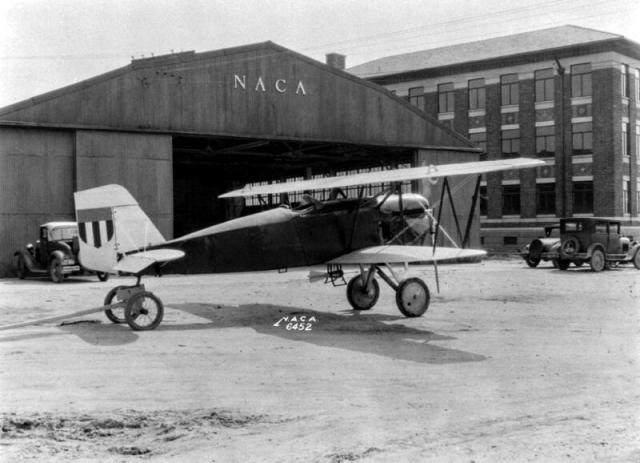
…hypersonic aircraft and rockets in the '40s, and much, much more before being transformed into NASA in 1958.
Read the highlights of the NACA's accomplishments in Roger Launius's new book NACA to NASA to Now: go.nasa.gov/3KN0mIn 2/2
#NASAhistory
NACA to NASA to Now
NACA to NASA to Now: The Frontiers of Air and Space in the American Century tells the story of the National Advisory Committee for Aeronautics (NACA) and its successor, the National Aeronautics and Space Administration (NASA).Michele Ostovar (NASA)
#NASAhistory
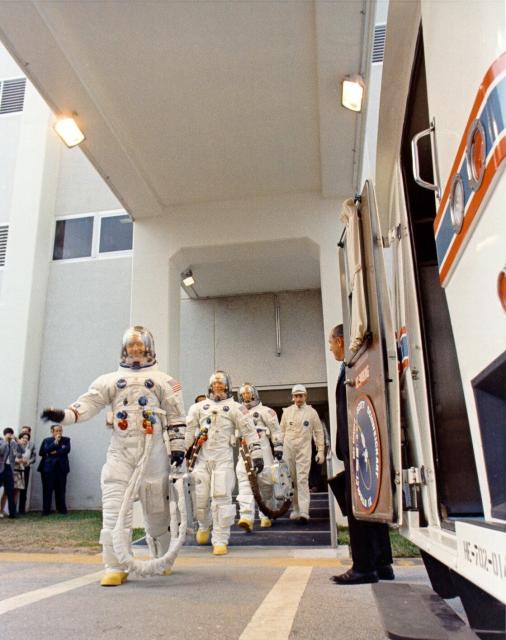
Jim McDivitt, David Scott, and Rusty Schweickart's 10-day flight in Earth orbit tested flight hardware and mission procedures and proved that a crewed Moon landing was within reach.
Learn more about Apollo 9: go.nasa.gov/3IIHJCE
📷 Dave Scott in the Command Module hatch
#NASAhistory
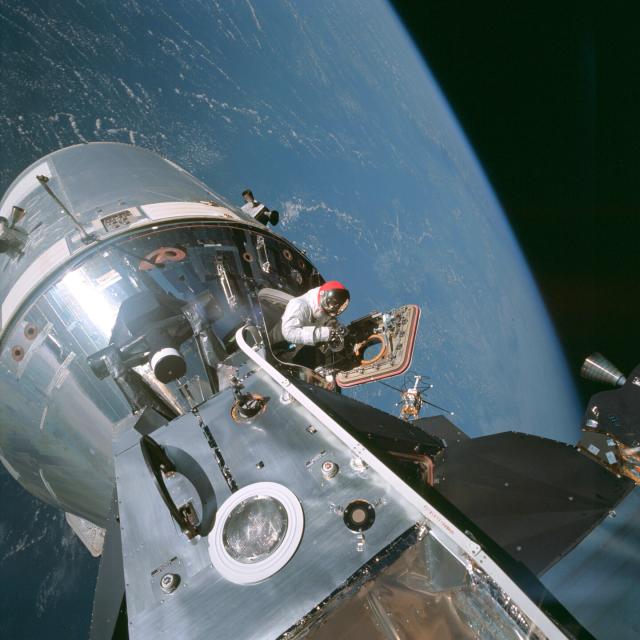
50 Years Ago: Apollo 9 Launched to Test the Lunar Module
50 Years Ago: Apollo 9 Launched to Test the LMKelli Mars (NASA)
Need my space jams! 🎶
#DYK NASA sent personal recorders on the Apollo missions for astronauts to record notes, but the tapes were prerecorded with the crew's favorite #ArchivesMusic.
Listen: The Apollo 11 crew enjoying a mixtape apolloinrealtime.org/11/?t=059…
#ArchivesHashtagParty
#NASAhistory
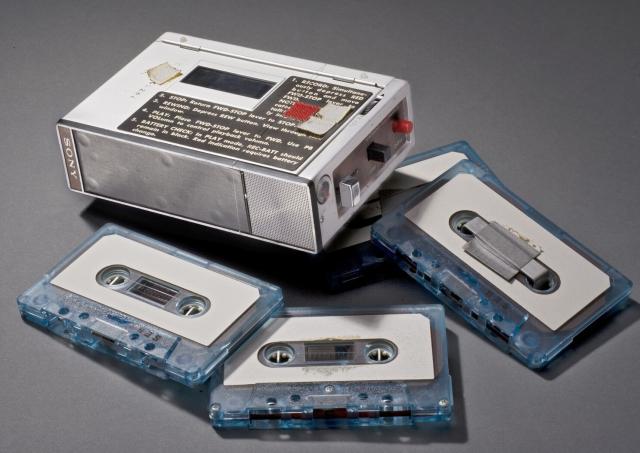
Apollo 11 in Real Time
A real-time interactive journey through the first landing on the Moon. Relive every moment as it occurred in 1969.Apollo 11 in Real Time
#NASAhistory
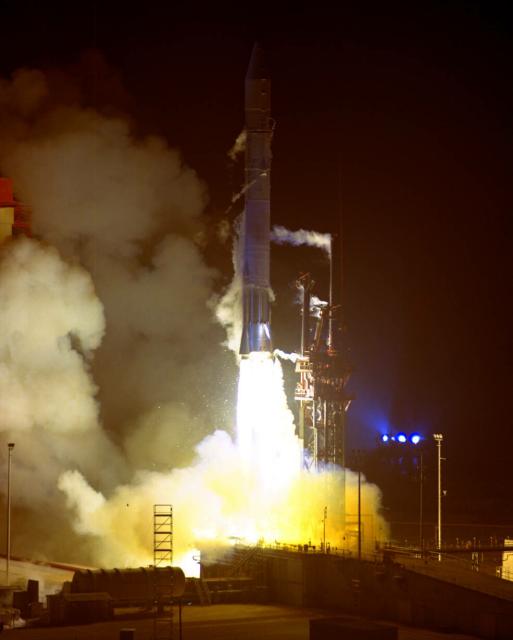
50 Years Ago: Pioneer 10 Launches to Explore Jupiter
Pioneer 10 began its unprecedented multi-year journey from Earth on March 2, 1972. Managed by NASA’s Ames Research Center (ARC) in California’s Silicon Valley, it was the first spacecraft designed to travel beyond the orbit of Mars.Kelli Mars (NASA)
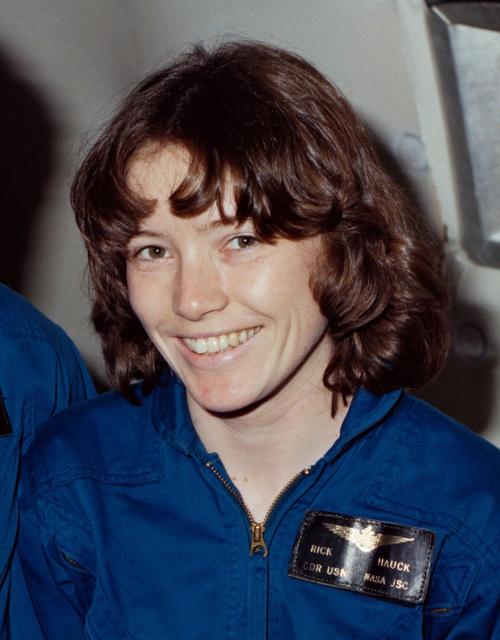
"I’m probably the only person who’s been assigned to their flight about 2 weeks before they deliver."
Anna Fisher, trained as a chemist and physician, became the 1st mom in space when she flew on STS-51A in Nov. 1984. #WomensHistoryMonth
Read her story: go.nasa.gov/3J2F4oG
#NASAhistory
#NASAhistory
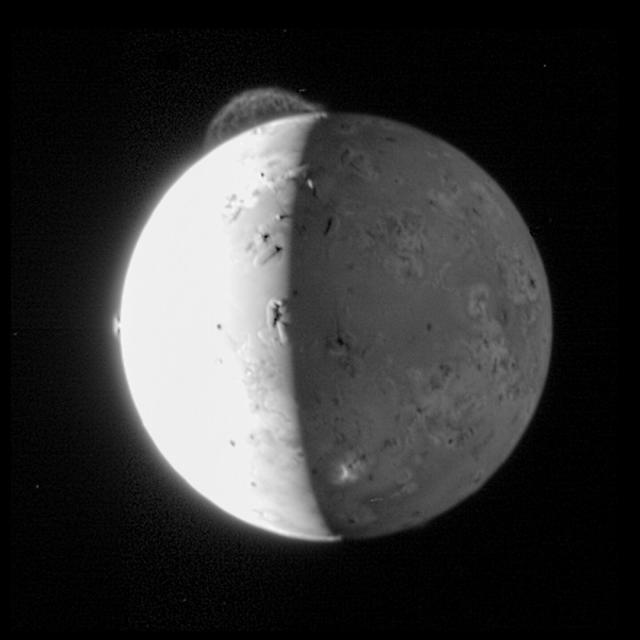
In Depth | Io – NASA Solar System Exploration
NASA’s real-time science encyclopedia of deep space exploration. Our scientists and far-ranging robots explore the wild frontiers of our solar system.NASA Solar System Exploration
#NASAhistory
#NASAhistory
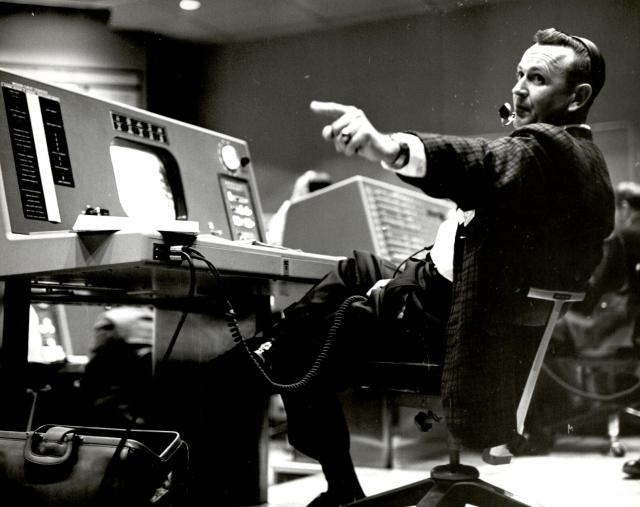
Remembering Chris Kraft
Christopher C. "Chris" Kraft, Jr. (b. 1924) created the concept, and developed the organization, operational procedures, and culture of NASA's Mission Control, which was a critical element of the success of the nation's human spaceflight programs.Brian Dunbar (NASA)
NASA Research Pilot Bill Dana flew the HL-10 lifting body to an altitude of 90,030 ft (more than 27 km), setting the altitude record for the lifting body program #OTD in 1970.
About the HL-10: go.nasa.gov/3xM3YCy
📷 Dana after his 4th free flight in the HL-10 in Sept. 1969
#NASAhistory
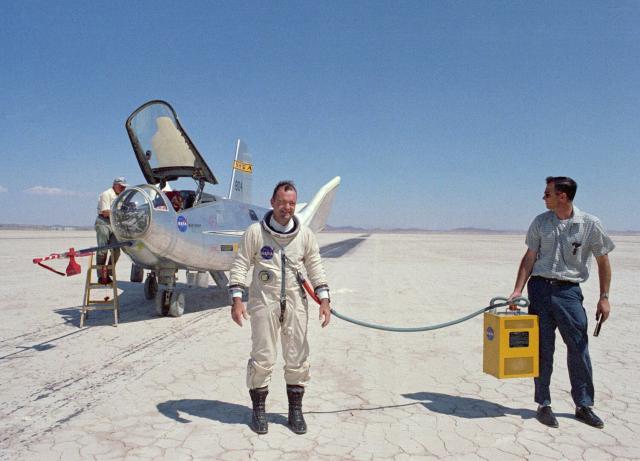
NASA Armstrong Fact Sheet: HL-10 Lifting Body
HL-10 Lifting Body Project Summary Edwards, CA, from July 1966 to November 1975 to study and validate the concept of safely maneuvering and landing a low lift-over-drag vehicle designed for reentry from space.NASA
#NASAhistory
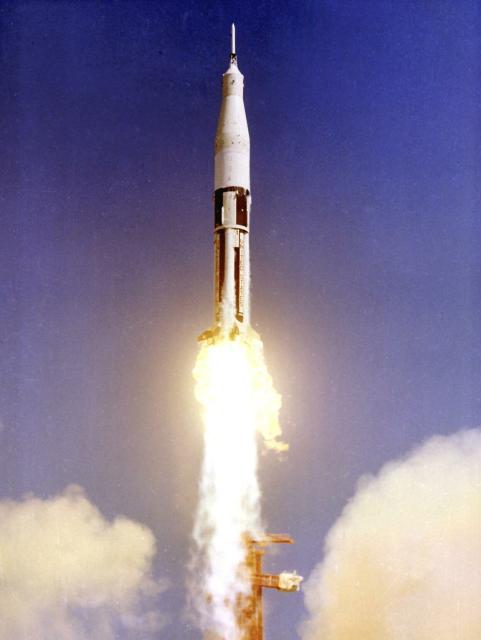
55 Years Ago: Apollo AS-201 Test Flight
The first uncrewed spaceflight test of a production Apollo Command and Service Module (CSM), and the first launch of a Saturn-IB rocket, took place on Feb. 26, 1966.Kelli Mars (NASA)
#NASAhistory
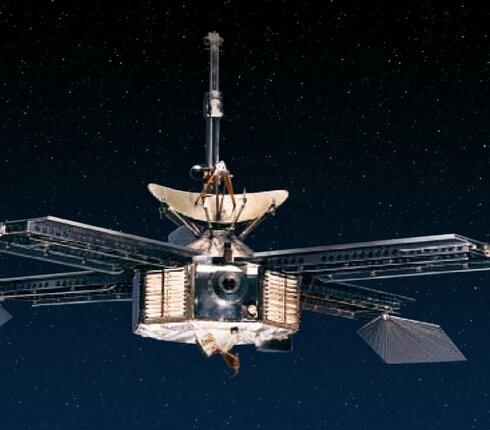
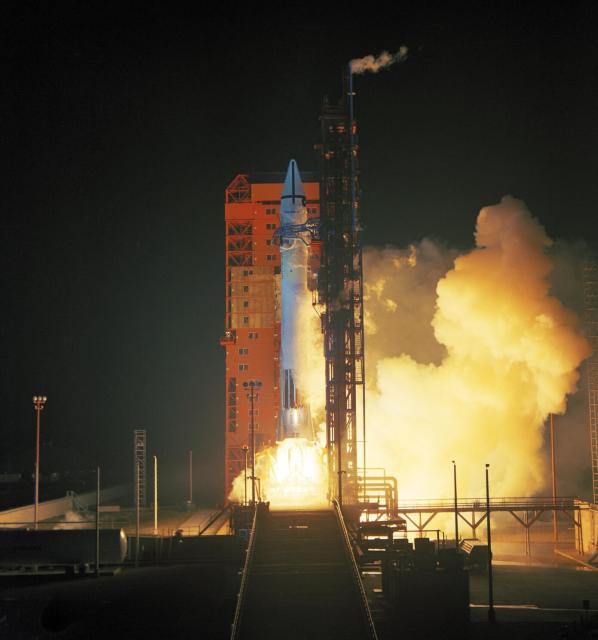
In Depth | Mariner 06 – NASA Solar System Exploration
NASA’s real-time science encyclopedia of deep space exploration. Our scientists and far-ranging robots explore the wild frontiers of our solar system.NASA Solar System Exploration
#NASAhistory
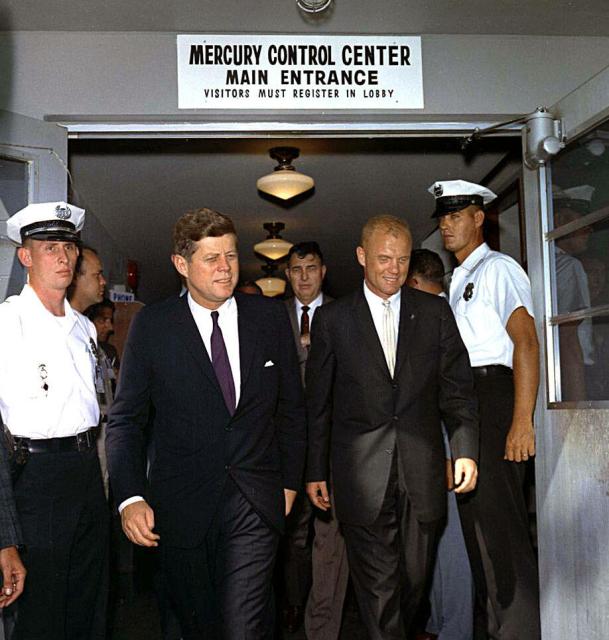
3 days after John Glenn's landmark space flight, President John F. Kennedy met the astronaut at the Launch Operations Center (now @NASAKennedy) #OTD in 1962 to present Glenn with the NASA Distinguished Service Medal.
More images from this day in history: go.nasa.gov/3ShuNYV
#NASAhistory
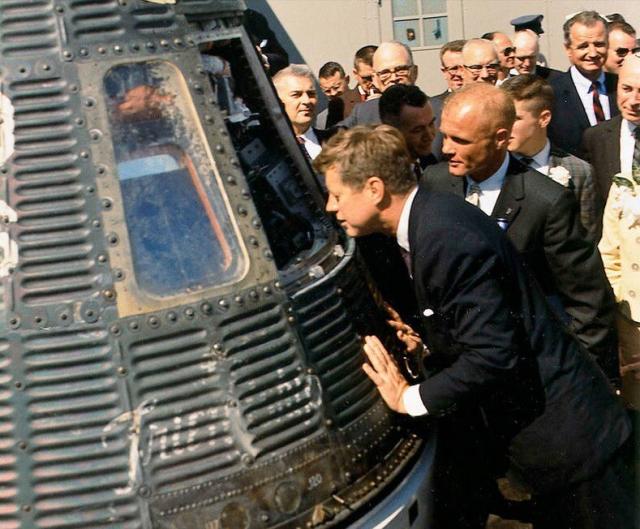
John Glenn, the First American to Orbit the Earth aboard Friendship 7
In February 1962, the space race between the United States and the Soviet Union was in full swing. Both nations had developed spacecraft to send humans into space and selected a group of pilots to fly those spacecraft.Kelli Mars (NASA)
#NASAhistory
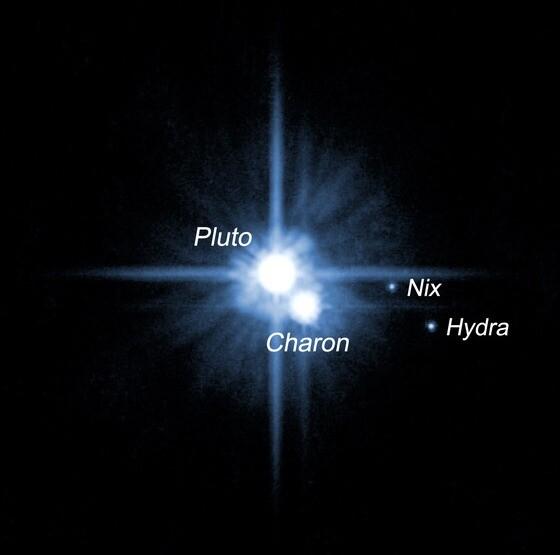
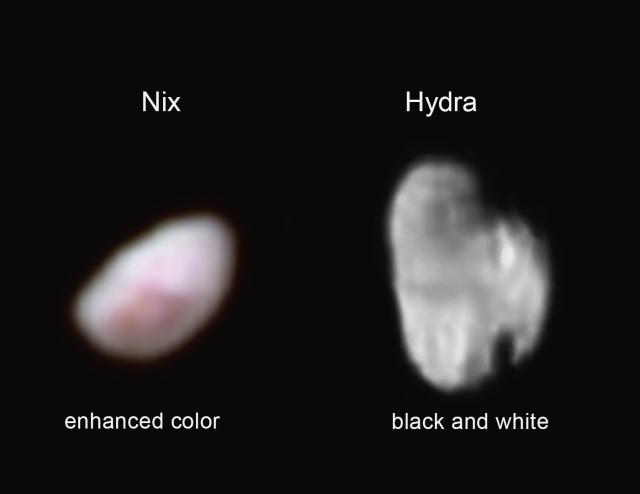
Pluto Moons
Pluto's entire moon system is believed to have formed by a collision between the dwarf planet and another Kuiper Belt Object early in the history of the solar system.NASA Solar System Exploration
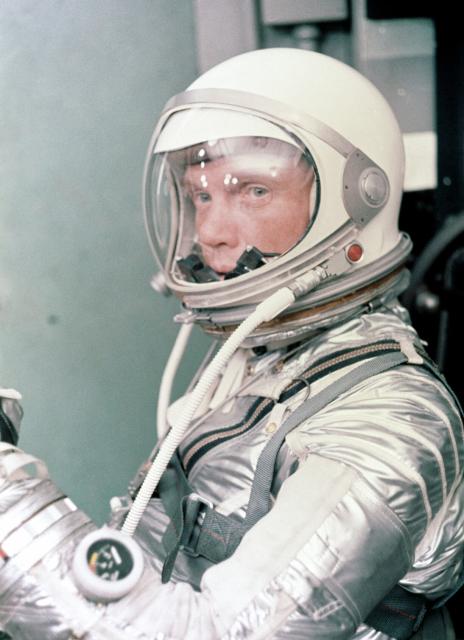
John Glenn made history #OTD in 1962 when he became the first American to orbit the Earth. He made 3 orbits (2 of them manually controlled) in the Friendship 7 capsule before splashing down.
Read the details of this landmark space flight: go.nasa.gov/40UWMSa
#NASAhistory
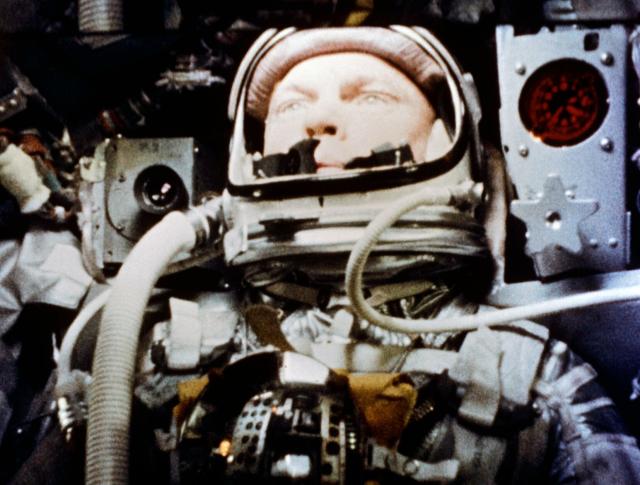
John Glenn, the First American to Orbit the Earth aboard Friendship 7
In February 1962, the space race between the United States and the Soviet Union was in full swing. Both nations had developed spacecraft to send humans into space and selected a group of pilots to fly those spacecraft.Kelli Mars (NASA)
"If she says they're good, then I am ready to go."
Before his 1962 orbital flight, John Glenn was wary of trusting his life to a machine's trajectory calculations and asked that Katherine Johnson check them. #BHM
More on mathematician Katherine Johnson: go.nasa.gov/3Ef1sbX
#NASAhistory
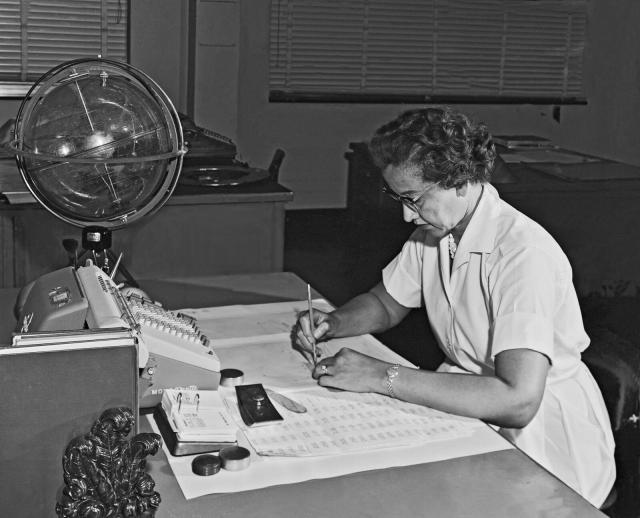
Katherine Johnson
NASA.gov brings you the latest images, videos and news from America's space agency. Get the latest updates on NASA missions, watch NASA TV live, and learn about our quest to reveal the unknown and benefit all humankind.NASA
#OTD in 1977, Enterprise, the Space Shuttle prototype, took to the skies for the first time perched atop a NASA Shuttle Carrier Aircraft high above what is now @NASAArmstrong in Edwards, CA.
Learn more about these early Shuttle tests: go.nasa.gov/3ltHoMa
#NASAhistory
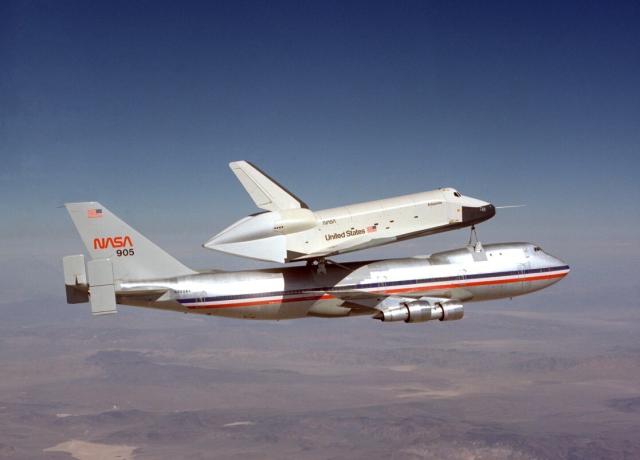
AFRC Contributions to the Space Shuttle Program
Ebook page for NASA Armstrong Flight Research Center's Contributions to the Space Shuttle ProgramMichele Ostovar (NASA)
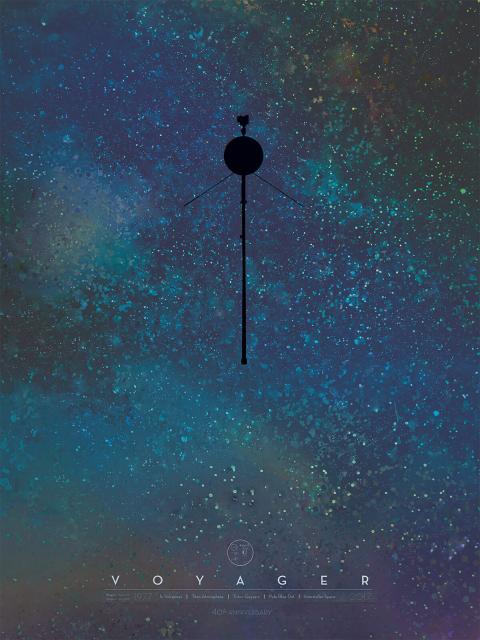
25 years ago #today, Voyager 1 became the most distant human-made object in existence, surpassing Pioneer 10, which held that mantle for 25 years prior.
More about Voyager 1 and why it will remain our most distant probe for years to come go.nasa.gov/3Xw7cVu
Poster: @NASAJPL
#NASAhistory
#NASAhistory
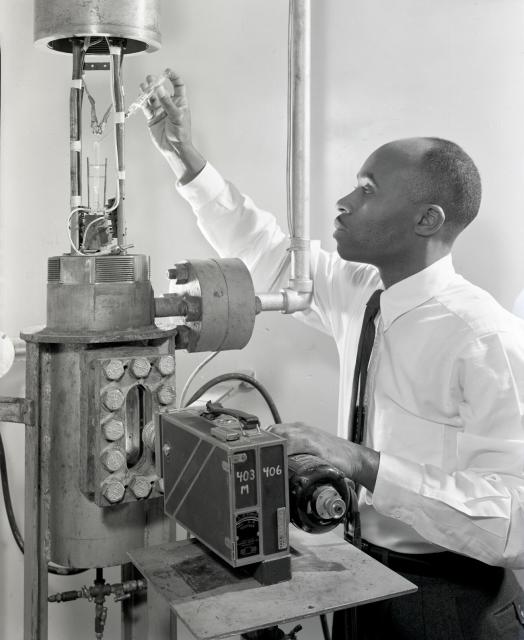
Why did the U.S. misjudge the potential of jet propulsion in the 1930s? What tests did the first group of astronauts undergo? How has public support of the space program changed over the years?
Get the answers in NACA to NASA to Now by Roger D. Launius. go.nasa.gov/3HUvzq1
#NASAhistory
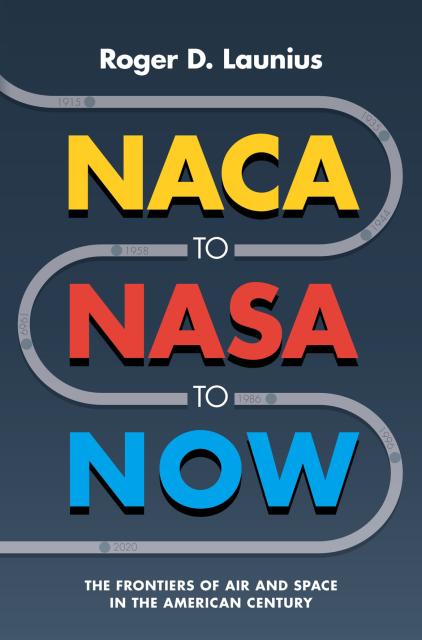
NACA to NASA to Now
NACA to NASA to Now: The Frontiers of Air and Space in the American Century tells the story of the National Advisory Committee for Aeronautics (NACA) and its successor, the National Aeronautics and Space Administration (NASA).Michele Ostovar (NASA)
#NASAhistory
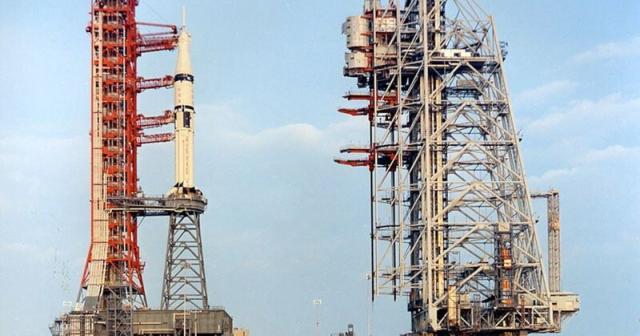
50 Years Ago: Three Months Until Skylab, America’s First Space Station
In February 1973, workers at NASA’s Kennedy Space Center (KSC) in Florida continued to prepare two Saturn rockets for the initial Skylab launches just three months away.Kelli Mars (NASA)