
#NASAJPL
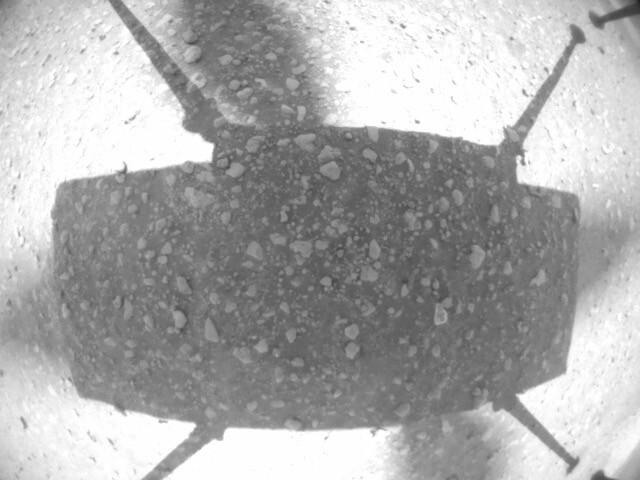
#NASASolarSystem
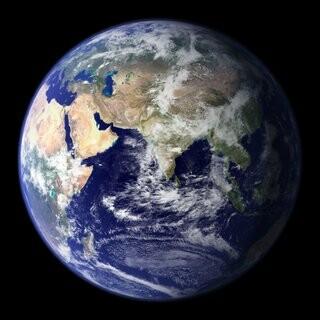
#NASASolarSystem
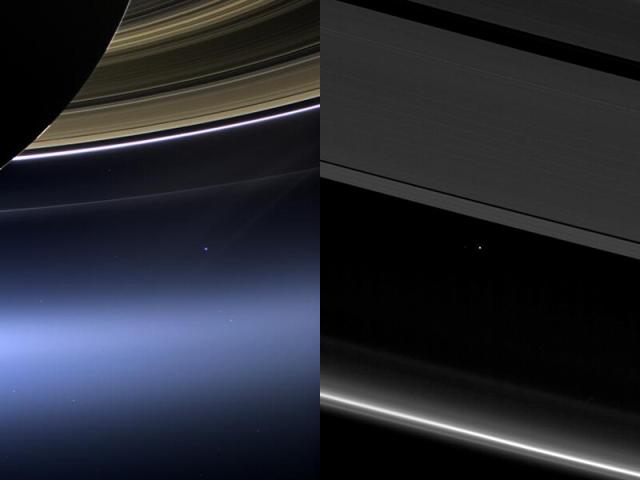
10 Things: Our Home World From Afar
“It suddenly struck me that that tiny pea, pretty and blue, was the Earth. I put up my thumb and shut one eye, and my thumb blotted out the planet Earth. I didn't feel like a giant. I felt very, very small.” - Neil Armstrong, Apollo 11NASA Solar System Exploration
go.nasa.gov/3F8lJ2h
#NASAExoplanets
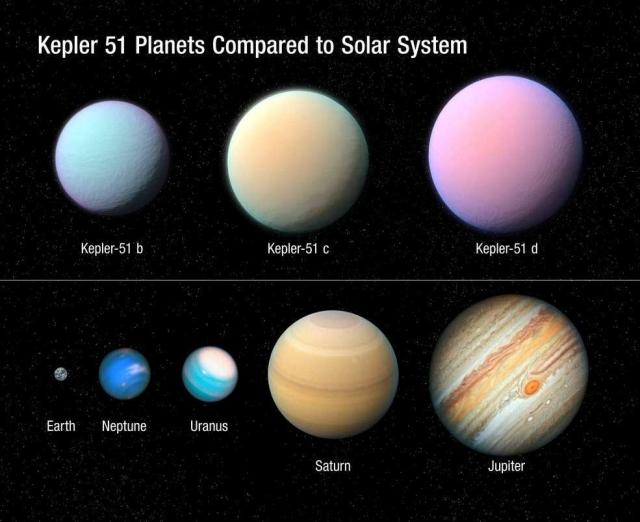
Hubble Observes a Mystery: 'Cotton Candy' Planets
"Super-Puffs" may sound like a new breakfast cereal. But it's actually the nickname for a unique and rare class of young exoplanets that have the density of cotton candy. Nothing like them exists in our solar system.Exoplanet Exploration: Planets Beyond our Solar System
Time for a Mars “close-up”! 📸
About every 26 months, the orbit of Mars makes its closest approach to Earth – and December 8 is the next time!
This Hubble image shows Mars before its closest approach back in 2016: go.nasa.gov/3iMazJ9
#Hubble
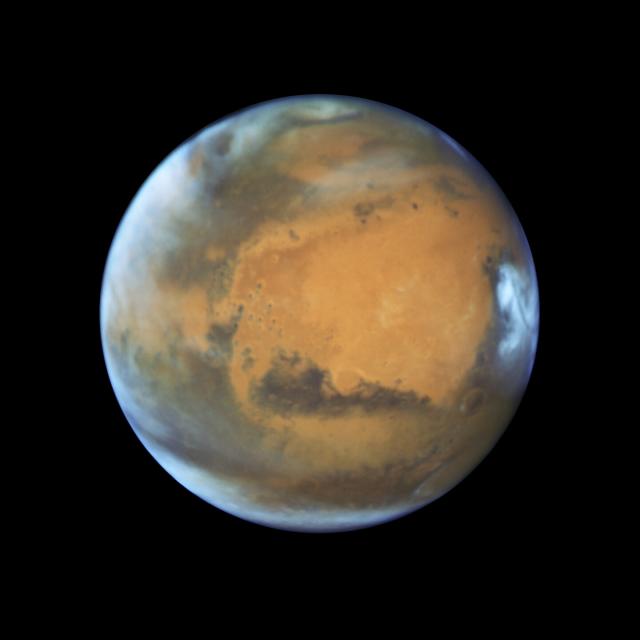
New Hubble Portrait of Mars
Hubble Space Telescope took a photo of Mars on May 12, 2016, when Mars was 50 million miles from Earth, revealing details as small as 20 to 30 miles across.NASA

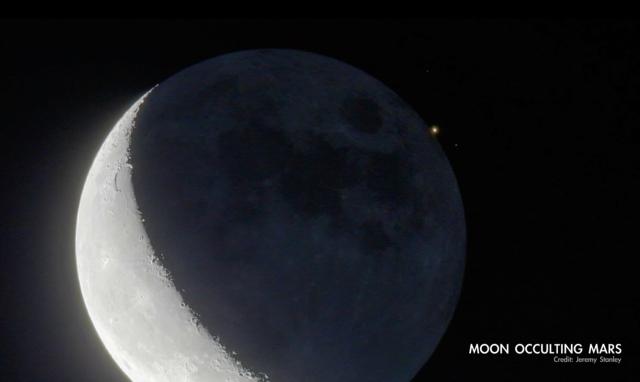
Stargazers: Tonight Mars will slip behind the Moon for viewers in parts of North America, Europe, and Northern Africa.
This is called a lunar occultation! Check your preferred stargazing app for the time in your area. Learn more ⬇️ go.nasa.gov/3uvBqvN
#Hubble
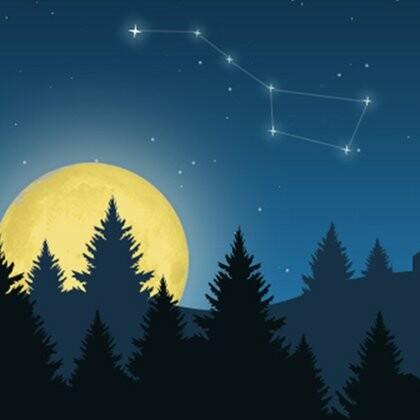
What’s Up: Skywatching Tips from NASA
Watch the latest video in NASA’s “What’s Up” series to discover the skywatching highlights for this month.NASA Solar System Exploration
#NASAUniverse
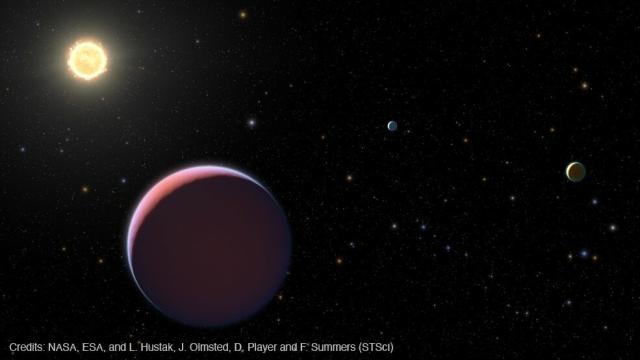
'Cotton Candy' Planet Mysteries Unravel in New Hubble Observations
"Super-Puffs" may sound like a new breakfast cereal. But it's actually the nickname for a unique and rare class of young exoplanets that have the density of cotton candy. Nothing like them exists in our solar system.Rob Garner (NASA)
#NASA
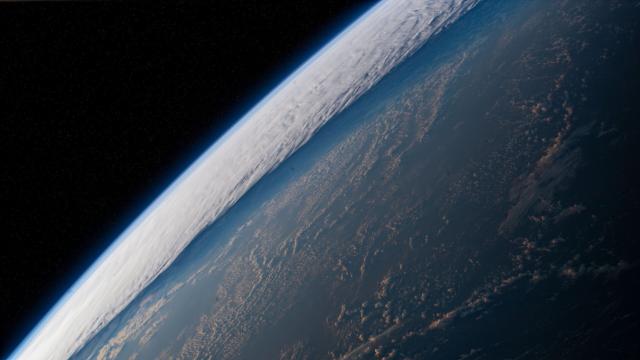
NASA to Discuss Climate Research, Mitigation Efforts
NASA Administrator Bill Nelson will discuss the agency’s climate portfolio at 11 a.m. EST on Thursday, Dec. 8 from NASA Headquarters in Washington.Gerelle Dodson (NASA)
#NASA
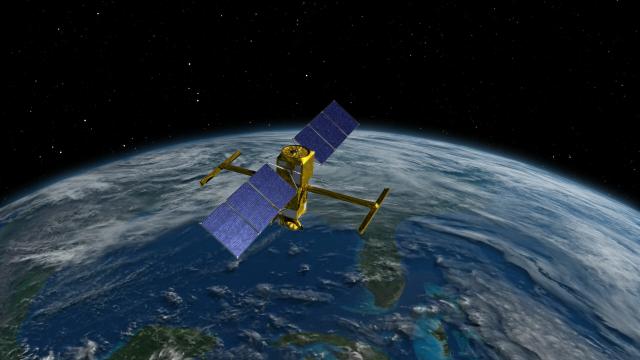
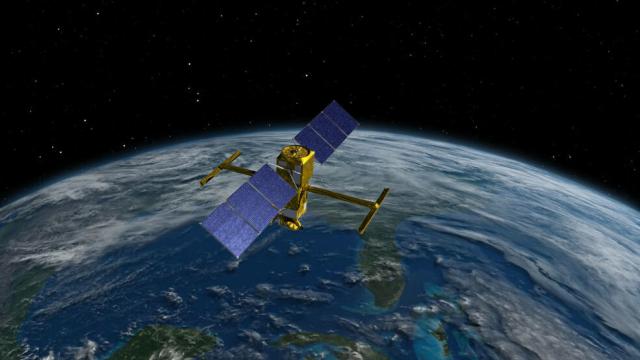
NASA Sets Coverage for SWOT Water Survey Mission Launch
NASA will provide coverage of the upcoming prelaunch and launch activities for the international Surface Water and Ocean Topography (SWOT) mission.Roxana Bardan (NASA)
Fifty years ago, Apollo 17 launched from @NASAKennedy, bringing a geologist, bacon, and what turned out to be super-handy duct tape to the lunar surface.
Take a behind-the-scenes look at our last crewed mission to the Moon: go.nasa.gov/3FywKeD
#NASA
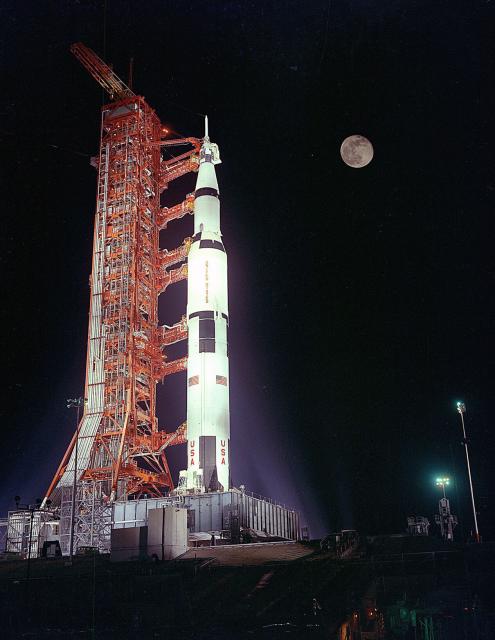
50 Years Ago: Apollo 17
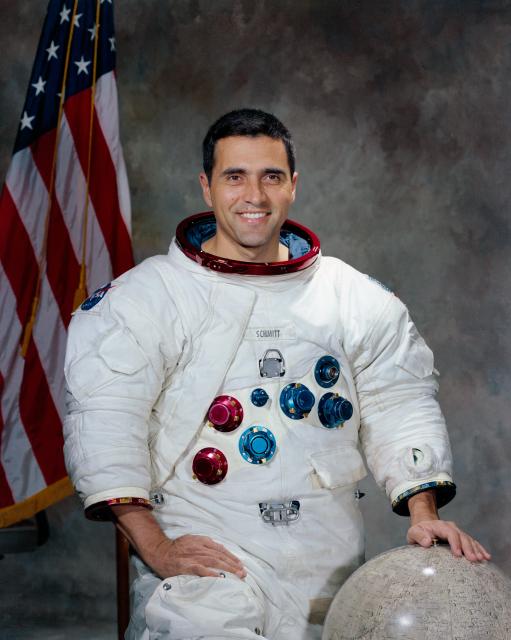
Not long after midnight on Dec. 7, 1972, the last crewed mission to the Moon, Apollo 17, lifted off with three astronauts: Eugene Cernan, Harrison Schmitt, and Ronald Evans. Experience the Apollo 17...nasa (Tumblr)
According to the NASA feed today is the 50's anniversary of the launch of the last moon rocket.
It's been 50 years since a human left low earth orbit.
Earth has lost 561 square miles (1,453 square kilometers) of salt marshes in the past 20 years, a new @nasa study using #Landsat data shows.
Degrading marsh habitats releases carbon dioxide – a greenhouse gas – into the atmosphere. go.nasa.gov/3UEtIdg
#NASAEarth
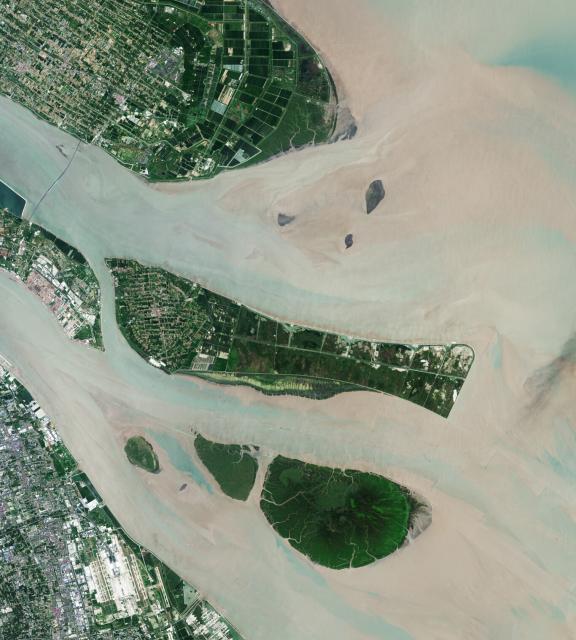
NASA Scientists Map Global Salt Marsh Losses and Their Carbon Impact
Earth has lost 561 square miles of salt marshes over the past 20 years, according to a new NASA-led study of the first consistent global accounting of salt marsh locations and changes.Kate Ramsayer (NASA)
#NASASolarSystem
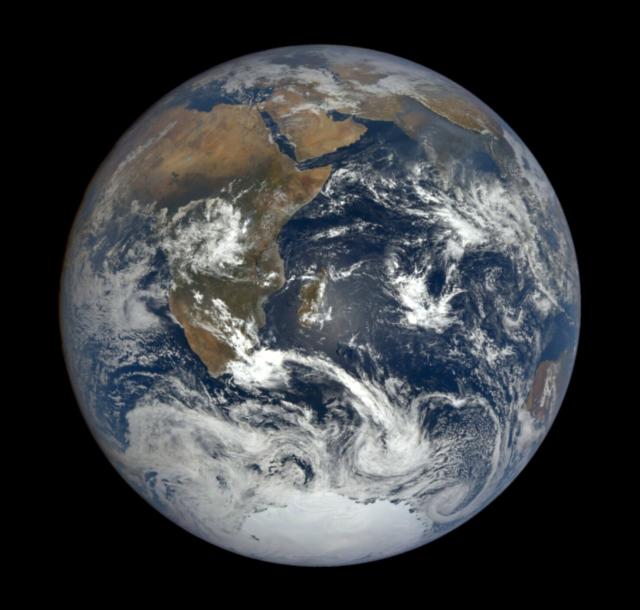
EPIC :: DSCOVR
Daily natural color imagery of Earth from the EPIC camera onboard the DSCOVR spacecraft.epic.gsfc.nasa.gov
Shine bright like NGC 2031 💎
Hubble's next #StarrySights image shows a cluster that resides about 150,000 light-years from Earth in an extremely dense region of the Large Magellanic Cloud, which is a satellite galaxy of our own Milky Way.
For more: go.nasa.gov/3Hgfc8z
#Hubble
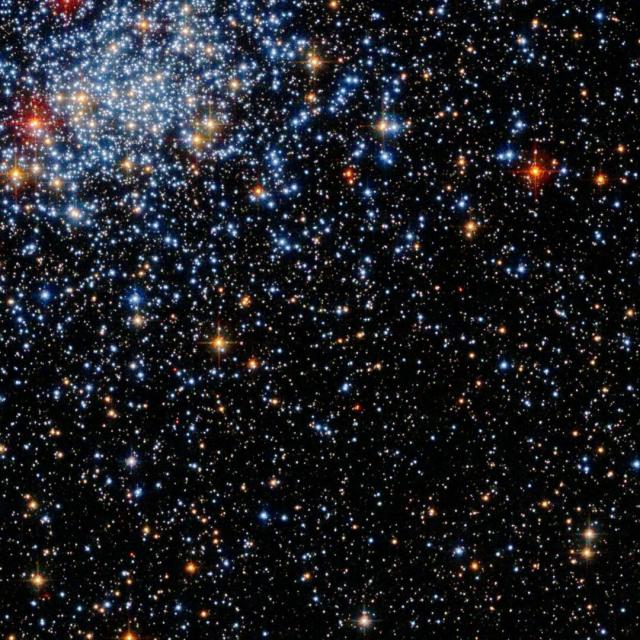
Hubble Beholds Brilliant Blue Star Cluster
In the top left corner of this starry sight, the globular cluster NGC 2031 shines brilliantly.Andrea Gianopoulos (NASA)
Unlike the 15 rock cores collected to date, 2 samples taken by @NASAPersevere are filled with broken rock & dust. Studying these could help teams design safer missions & equipment, especially for future Mars astronauts. go.nasa.gov/3YgdutY
#NASAJPL
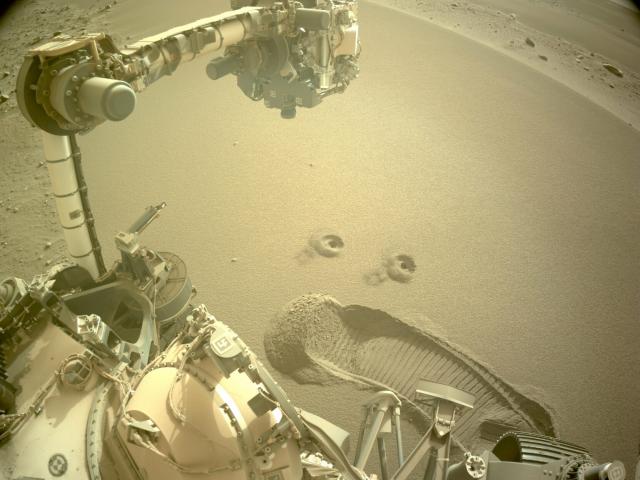
NASA’s Perseverance Rover Gets the Dirt on Mars
The mission’s first two samples of regolith – broken rock and dust – could help scientists better understand the Red Planet and engineers prepare for future missions there.NASA Jet Propulsion Laboratory (JPL)
#NASAUniverse
50th Anniversary of OAO 2: NASA’s 1st Successful Stellar Observatory
Launched on Dec. 7, 1968, NASA's Orbiting Astronomical Observatory 2, nicknamed Stargazer, was the agency's first successful cosmic explorer — a direct ancestor of Hubble and many other astronomy satellites.Rob Garner (NASA)
#NASAUniverse
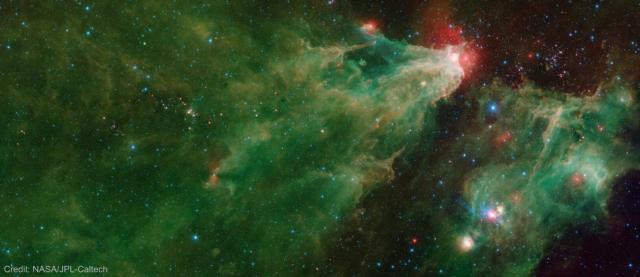
NASA's Spitzer Captures Stellar Family Portrait
The evolution of stellar families - born from the same clumps of gas and dust - is just some of what's on display in this sweeping image.NASA Jet Propulsion Laboratory (JPL)
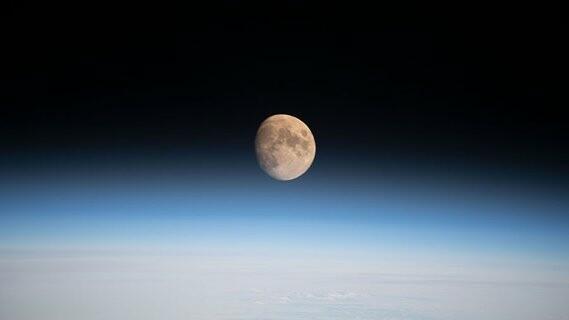
Skywatchers in North America and Europe might be able to spot Mars ducking behind the Moon tonight.
Get the details:
#NASA
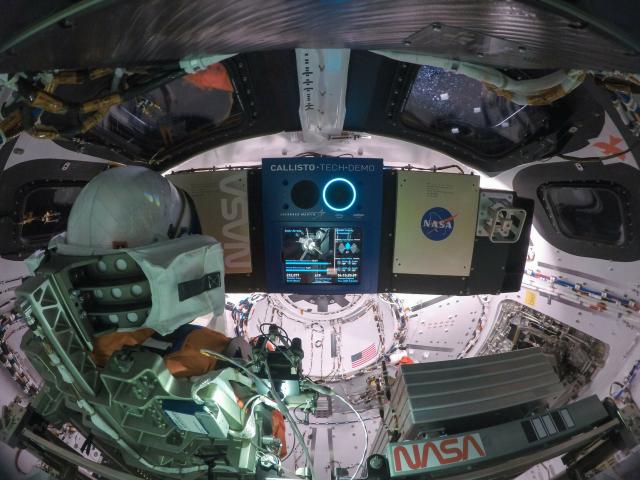
#ISS
Spacesuit Work and Emergency Training Aboard Station Today
The Expedition 68 crew took a break from its intense space research activities and focused on spacesuits, biomedical tests, and lab maintenance on Wednesday.blogs.nasa.gov
#NASAMoon
youtu.be/7FyEAPcvErQ?t=39
#NASAMars
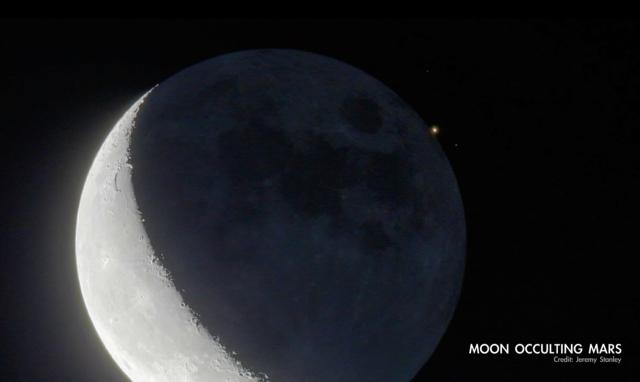
What's Up: December 2022 Skywatching Tips from NASA
What are some skywatching highlights in December 2022?The Moon sweeps past Jupiter twice this month, and actually covers Mars completely, in an event called ...YouTube
#NASA
#NASAExoplanets
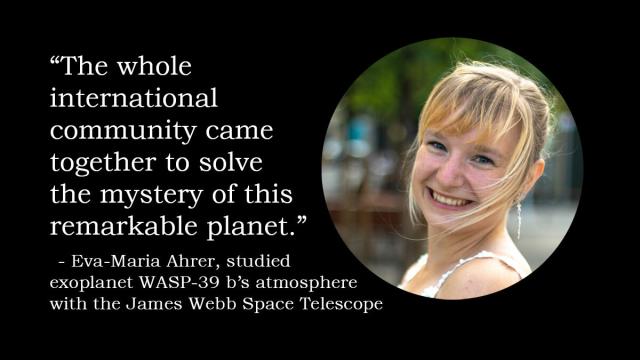
NASA's Webb Reveals an Exoplanet Atmosphere as Never Seen Before
Webb's firsts keep coming: Observations of the exoplanet WASP-39 b show fingerprints of atoms and molecules, as well as signs of active chemistry and clouds.Exoplanet Exploration: Planets Beyond our Solar System
#NASAUniverse
NASA Missions Probe Game-Changing Cosmic Explosion
On Dec. 11, 2021, NASA’s Neil Gehrels Swift Observatory and Fermi Gamma-ray Space Telescope detected a blast of high-energy light from the outskirts of a galaxy around 1 billion light-years away.Jeanette Kazmierczak (NASA)
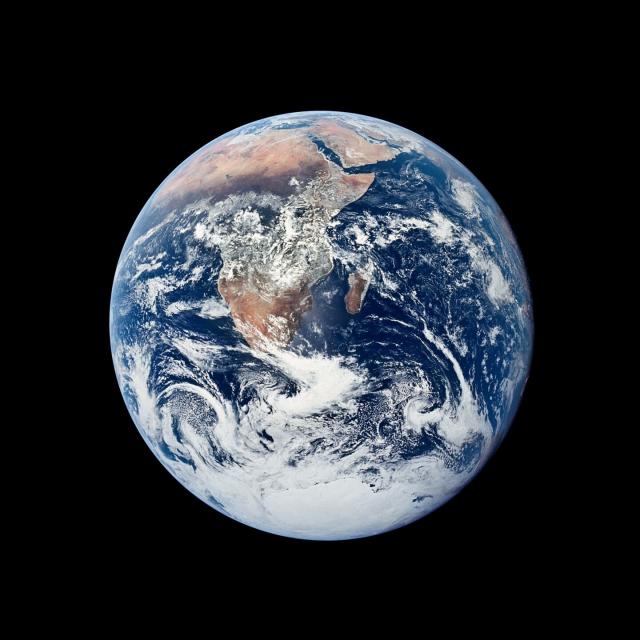
As @NASA_Orion continues its journey home, we're also celebrating the 50th anniversary of the iconic "Blue Marble" photo of Earth, taken on Dec. 7, 1972 by the crew of Apollo 17.
Get the full-size image: go.nasa.gov/3VDWmg1
#NASA
#NASAEarth
Collection - Earth from Afar
climate change, global climate change, global warming, natural hazards, Earth, environment, remote sensing, atmosphere, land processes, oceans, volcanoes, land cover, Earth science data, NASA, environmental processes, Blue Marble, global mapsearthobservatory.nasa.gov
Look up!
Mars slips behind the Moon tonight (called an "occultation") for viewers in most of the U.S. If you're in the East Coast or the Southeast, the Moon will appear to just barely graze past Mars.
Check out stargazing tips for the December here: go.nasa.gov/3zLnOgh
#NASAJPL
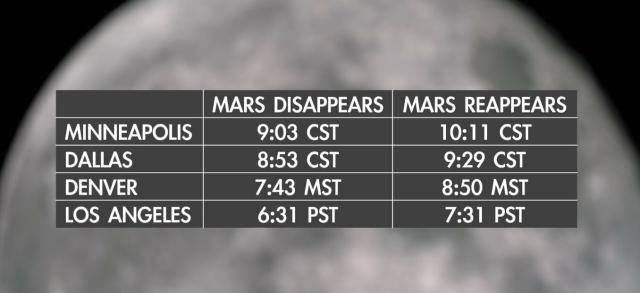
NASA Skywatching Home
What’s visible in the night sky? Get skywatching tips and resources from NASA.NASA Solar System Exploration
#NASAhistory


#NASAMoon
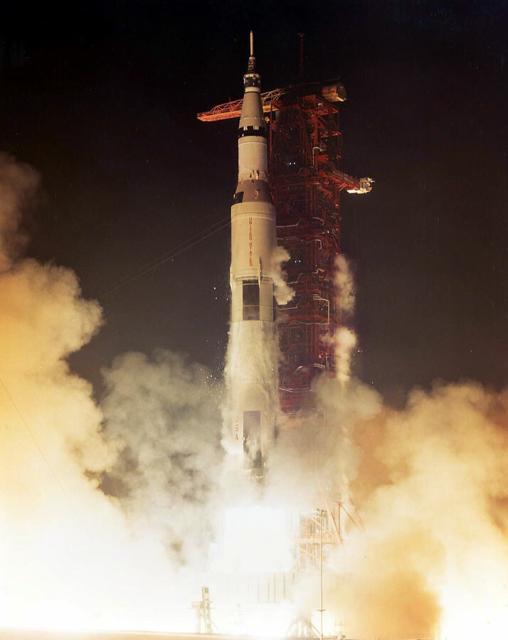
50 Years Ago: Apollo 17 Lights Up the Night Sky on its Way to the Moon
The sixth and final Apollo Moon landing mission began with the Dec. 7, 1972, launch of Apollo 17. In the first night launch of the American human spaceflight program, the giant Saturn V rocket lifted off from Launch Pad 39A and lit up the sky at NASA…Kelli Mars (NASA)
AND there will be a rare occultation of Mars by the full moon this evening.
But I live in Ohio.
And it's raining.
😞
Of course you had to launch it at night. How else would you be able to see the moon?
And yes, I know you can see the moon during the day sometimes. But it's hard, and that makes navigation hard.
We have liftoff!
#OTD in 1972, #Apollo17 set out for the Moon, carrying with it astronauts Gene Cernan, Jack Schmitt, and Ron Evans. #Apollo50th
Experience the launch in real time: apolloinrealtime.org/17
#NASAhistory
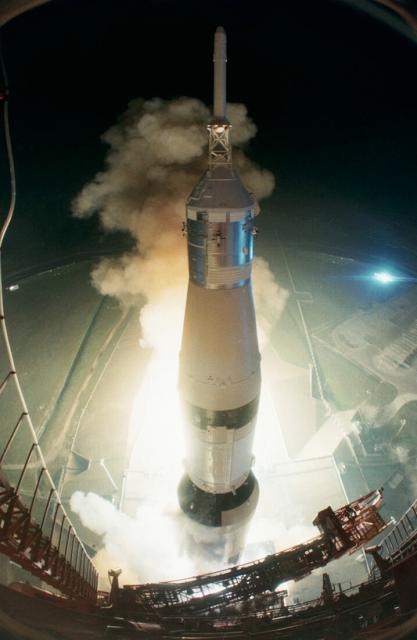
Apollo 17 in Real Time
A real-time interactive journey through the last landing on the Moon. Relive every moment as it occurred in 1972.Apollo 17 in Real Time
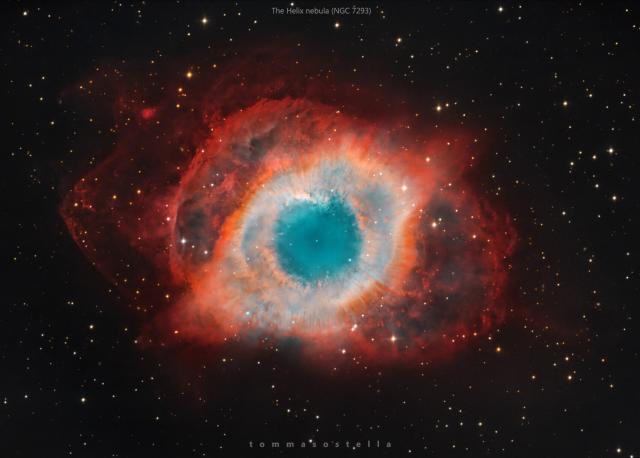
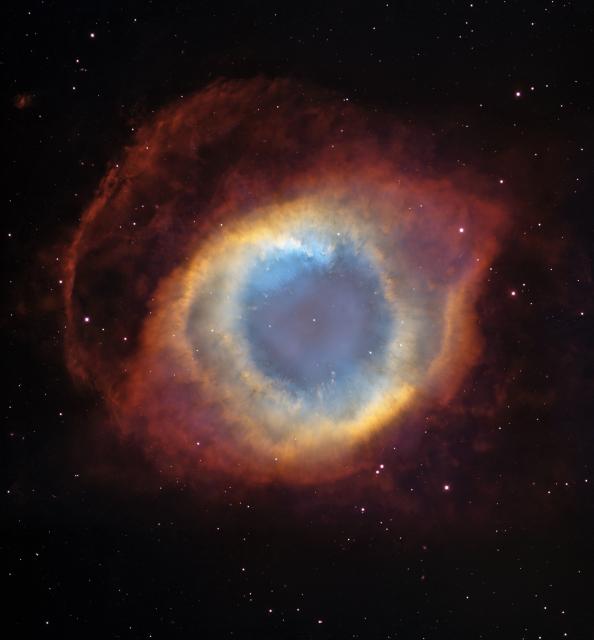
APOD: 2022 December 7 - NGC 7293: The Helix Nebula
A different astronomy and space science related image is featured each day, along with a brief explanation.apod.nasa.gov
NGC 7293: The Helix Nebula
Image Credit & Copyright: Tommaso Stella
apod.nasa.gov/apod/ap221207.ht… #APOD

APOD: 2022 December 7 - NGC 7293: The Helix Nebula
A different astronomy and space science related image is featured each day, along with a brief explanation.apod.nasa.gov
#NASAJPL
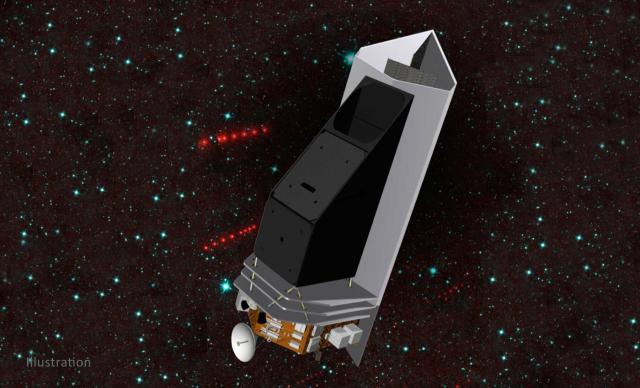
In case it strays too far away: please make sure not to let it into the path of #Oumuamua's second refugee ship with the sleeping people on board.
You almost woke the last one up.
try to avoid a crash if you can.
(Writing a SciFi story to place it on Patreon soon. That`s why you get this Mastodon post into your reply/mention, dear NASA bot. Don`t be alarmed, someone is just preparing their (new and to be set up) Patreon account and as a part of this, developing the content right now.)
"Water is my happy place."
Meet Cedric David, a freshwater scientist who will use data from the international Surface Water and Ocean Topography satellite (SWOT). SWOT will track water on more than 90% of Earth's surface — and it launches next week! #TrackingWorldWater
#NASAJPL
Tune into the JPL Instagram account tomorrow at 12pm PT for a live conversation with Cedric as we gear up for launch next week ➡️ instagram.com/stories/nasajpl/…
#NASAJPL
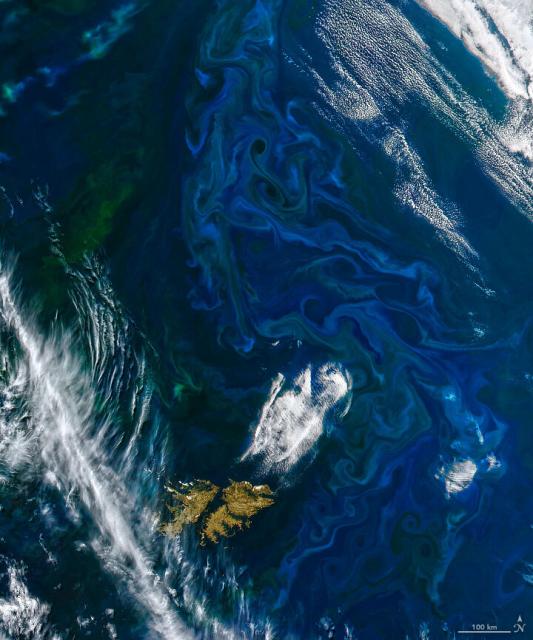
Almost all marine life depends on phytoplankton, tiny plant-like organisms that use chlorophyll to photosynthesize. Scientists track phytoplankton by measuring the concentration of chlorophyll in the water, which @nasa satellites can detect from space.
Breathing Life into the Ocean
Almost all life in the ocean depends on tiny photosynthetic organisms known as phytoplankton.go.nasa.gov
Lots of chlorophyll in the water can indicate a phytoplankton bloom, swirls of blue and green in the ocean that satellites can see from space.
The color of the swirls tells scientists about the plankton in the bloom and nutrient cycling in the ocean.
#NASAEarth
Christina
in reply to NASA • • •What? Me?
in reply to NASA • • •acm
in reply to NASA • • •