Search
Items tagged with: NASA

News from around NASA this week:
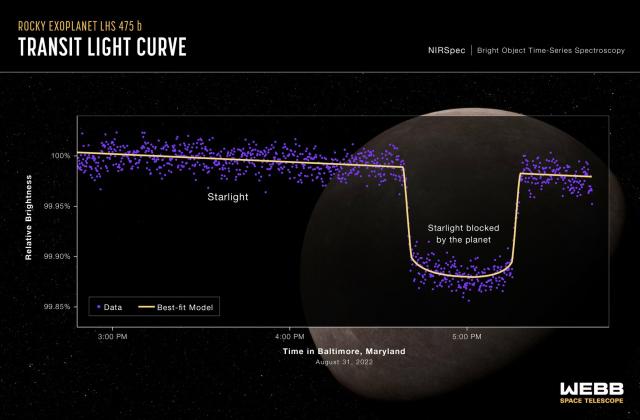
We continue our pledge of peaceful collaboration in space with Japan, @Space_Station science heads back to Earth, and @NASAWebb confirms its first exoplanet.
Subscribe to get space and aeronautics in your life: youtube.com/nasa
#NASA

#NASA
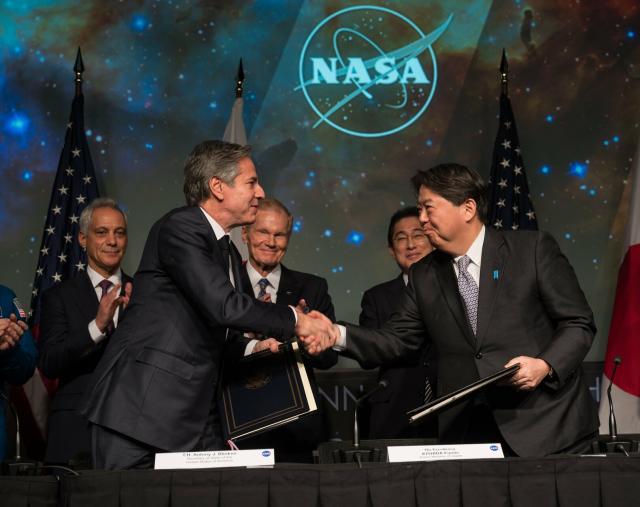
US, Japan Sign Space Collaboration Agreement at NASA Headquarters
During an event hosted by NASA Administrator Bill Nelson and Deputy Administrator Pam Melroy at the agency’s Headquarters in Washington Friday, representatives from the United States and Japan gathered to sign an agreement that builds on a long histo…Gerelle Dodson (NASA)
#NASA
#NASA
Hubble Finds Hungry Black Hole Twisting Captured Star Into Donut Shape
Astronomers using NASA's Hubble Space Telescope have recorded a star's final moments in detail as it gets gobbled up by a black hole.Andrea Gianopoulos (NASA)
#NASA
NASA to Announce Major Eco-Friendly Aviation Project Update
Media are invited to a news conference with NASA Administrator Bill Nelson and other agency leadership at 10 a.m. EST on Wednesday, Jan. 18, at NASA Headquarters in Washington.Gerelle Dodson (NASA)
#NASA
Transform to Open Science (TOPS) | Science Mission Directorate
TOPS. (2022). Creative Commons Attribution 4.0 License. https://doi.org/10.5281/zenodo.5225076 The Transform to Open Science (TOPS) mission is a NASA initiative designed to rapidly transform agencies, organizations, and communities to an inclusive cu…go.nasa.gov
#NASA

We'll welcome Japanese Prime Minister Kishida Fumio & @SecBlinken Friday, Jan. 13 at 4:30pm ET (2130 UTC) for an event marking our nations' continued commitment to the peaceful exploration of space.
The visit will air live on NASA TV and here on Twitter: go.nasa.gov/3XbjOC8
#NASA
Japan’s Prime Minister, US Secretary of State to Visit NASA
NASA Administrator Bill Nelson and Deputy Administrator Pam Melroy will welcome Japan’s Prime Minister Kishida Fumio, U.S. Secretary of State Antony J. Blinken, and other U.S. and Japanese leaders to NASA Headquarters in Washington at 4:30 p.m.Roxana Bardan (NASA)
Why is sea level rising?
Global sea levels are rising as a result of human-caused global warming, with recent rates being unprecedented over the past 2,500-plus years. @NASAJPL’s Ben Hamlington explains how our warming planet is causing sea level rise. sealevel.nasa.gov/understandin…
#NASA
Understanding Sea Level | NASA Sea Level Change
Get an in-depth look at the science behind sea level rise.NASA Sea Level Change Portal
Snoopy has gone where no beagle has gone before.
Following the successful conclusion of the #Artemis I Moon mission, @NASAGroundSys teams have begun unloading the payloads aboard, including the zero-gravity indicator #AstronautSnoopy. go.nasa.gov/3w26zr7
#NASA

Snoopy Returns from Artemis I Mission
Artemis I Snoopy returns to Kennedy Space Center in Florida.Linda Herridge (NASA)
#NASA
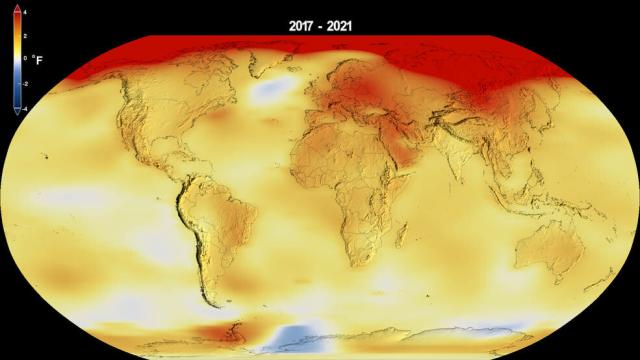
NASA, NOAA to Announce 2022 Global Temperatures, Climate Conditions
Climate researchers from NASA and the National Oceanic and Atmospheric Administration (NOAA) will release their annual assessments of global temperatures and discuss the major climate trends of 2022 during a media briefing at 11 a.m.Roxana Bardan (NASA)
#NASA
Media Briefing: NASA Media Update on Space Station Plans, Soyuz Status
NASA hosted a media teleconference at 9 a.m. EST Wednesday, Jan. 11, to discuss results from the investigation of the Roscosmos Soyuz MS-22 external coolant ...YouTube
NASA and Roscosmos will provide an update on Jan. 11 at 9am ET (1400 UTC) on the investigation of the Soyuz MS-22 external coolant leak and next steps. Live audio will stream on nasa.gov/live.
Details: go.nasa.gov/3IDQrUg
#NASA
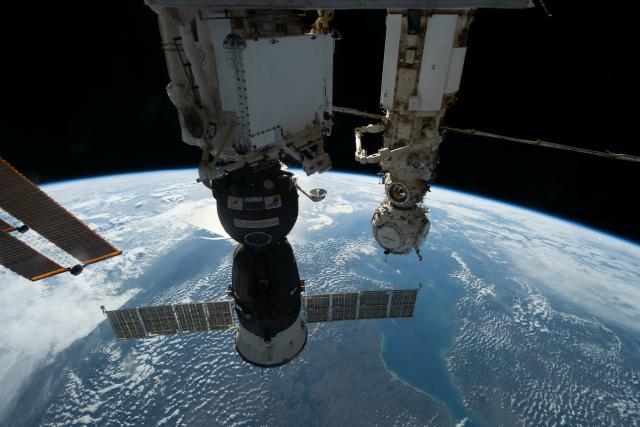
NASA to Host Media Update on Space Station Plans, Soyuz Status
NASA will host a media teleconference at 9 a.m. EST Wednesday, Jan. 11, to discuss results from the investigation of the Roscosmos Soyuz MS-22 external coolant leak and the forward strategy for uninterrupted human operations aboard the International …Gerelle Dodson (NASA)
#NASA
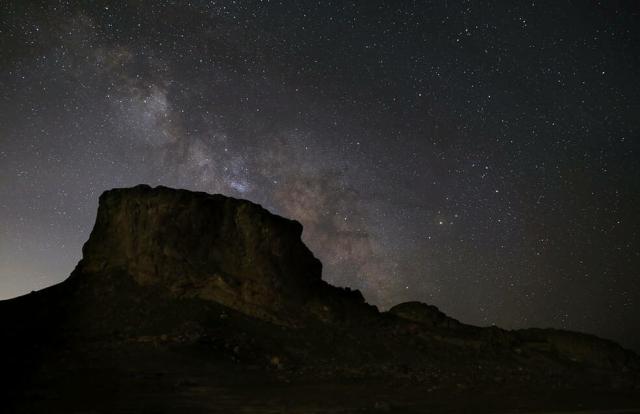
NASA Wants You to Help Study Planets Around Other Stars
The Exoplanet Watch project invites you to use your smartphone or personal telescope to help track worlds outside our solar system.Tony Greicius (NASA)
What would you ask the team behind our @NASAInSight Mars lander?
We're answering your questions now in our @reddit AMA ("Ask Me Anything")—join us as we celebrate InSight's completed four-year mission, and look ahead at what's to come from all the data: reddit.com/r/askscience/commen…
#NASA
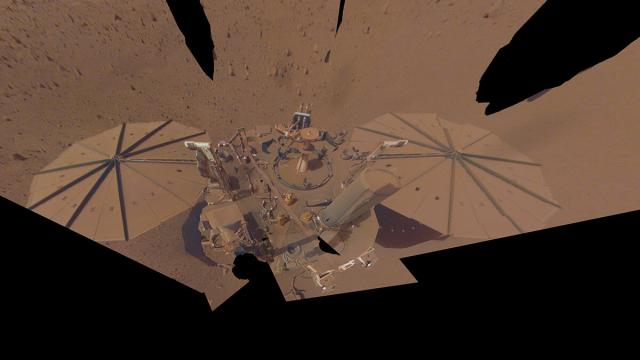
r/askscience - AskScience AMA Series: We're scientists and engineers on the InSight lander team who studied the deep interior of Mars. Ask us anything!
1,238 votes and 161 comments so far on Redditreddit
#NASA
LIVE: @SpaceX's Dragon cargo craft is bringing tons of @ISS_Research, including a space radiation vest and orbiting plant experiments, back to Earth.
Undocking is scheduled to start shortly after 5pm ET (2200 UTC). twitter.com/i/broadcasts/1yoKM…
#NASA
#NASA
NASA Selects Experimental Space Technology Concepts for Initial Study
Imagine a future in space where pellet-beam propulsion systems speed up travel to other worlds, pipelines on the Moon transport oxygen between settlements, and Martian bricks grow on their own before being assembled into homes.Gerelle Dodson (NASA)
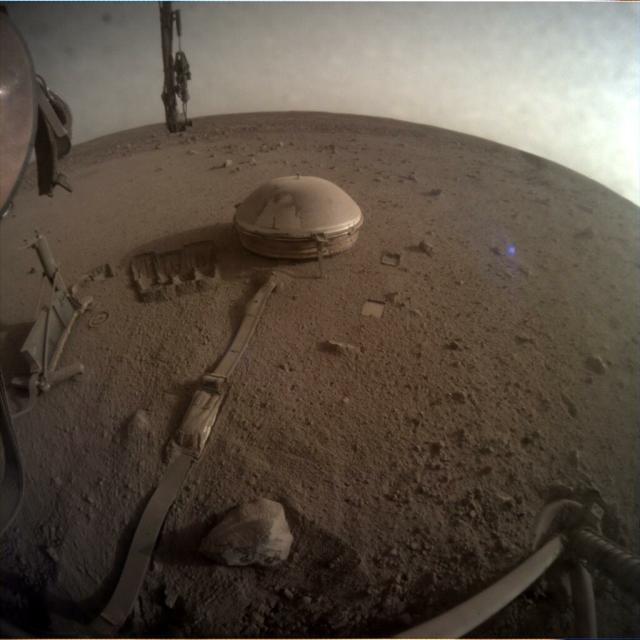
For four years, @NASAInSight studied Mars' interior, marsquakes, and Martian weather.
Join our @reddit Ask Me Anything on Jan. 10 at 3pm ET (2000 UTC), where mission experts will answer your questions about the lander's legacy: reddit.com/r/askscience
#NASA
nasa.gov/topics/aeronautics/in…

Aeronautics
NASA.gov brings you the latest images, videos and news from America's space agency. Get the latest updates on NASA missions, watch NASA TV live, and learn about our quest to reveal the unknown and benefit all humankind.NASA
🚀 #Nasa has greatly expanded its #software package, which is #free for users to download and use. Over 800 programs are now available for free.
#science #space #opensource #openscience
Peering inward toward the center of our Milky Way galaxy, a globular cluster shines bright, 50,000 light-years from Earth.
@NASAHubble is essential to helping scientists study these tightly bound groups of stars found in all types of galaxies. go.nasa.gov/3Zm2o71
#NASA
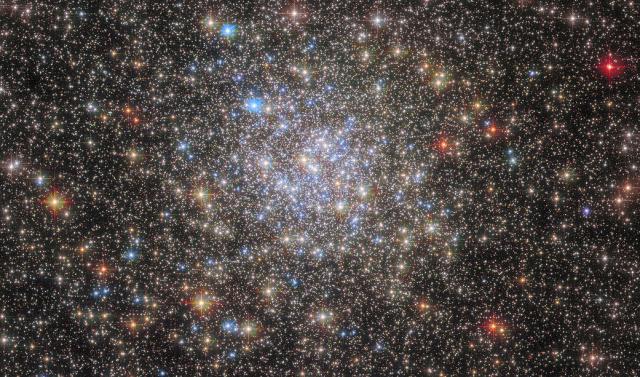
Hubble Gazes at Colorful Cluster of Scattered Stars
The scattered stars of the globular cluster NGC 6355 are strewn across this image from the NASA/ESA Hubble Space Telescope.Andrea Gianopoulos (NASA)
Recently at NASA:
@NASA_Orion arrived at @NASA_Kennedy, @NASAPersevere made a cache deposit of Martian samples, and we bid farewell to @NASAInsight.
Looking for more space and aeronautics in the new year? Subscribe: go.nasa.gov/3CRYObt
#NASA
NASA Newsletters
NASA.gov brings you the latest images, videos and news from America's space agency. Get the latest updates on NASA missions, watch NASA TV live, and learn about our quest to reveal the unknown and benefit all humankind.NASA
Join us Jan. 9 as @SpaceX’s #CRS26 undocks from the @Space_Station. Coverage starts at 4:45pm ET (2145 UTC) here and on go.nasa.gov/3iiZors.
Here's what the cargo craft is bringing back to Earth, including agriculture and radiation experiments: go.nasa.gov/3QjIiGD
#NASA
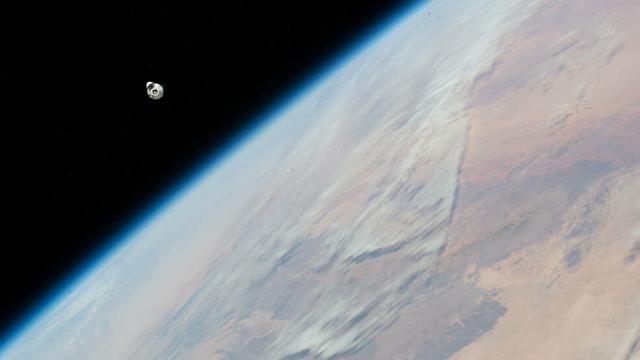
NASA to Provide Live Coverage of SpaceX Cargo Craft Station Departure
A SpaceX Dragon cargo resupply spacecraft is set to depart the International Space Station on Monday, Jan. 9, returning scientific research samples and hardware to Earth for NASA.Roxana Bardan (NASA)
We’re howling for the first full moon of 2023. 🐺
The first full moon of the year is known by many names, such as the “Wolf” Moon. Look to the night sky on Jan. 6 to spot our lunar companion, with the bright star Pollux keeping it company.
More: go.nasa.gov/3jXT6y0
#NASA
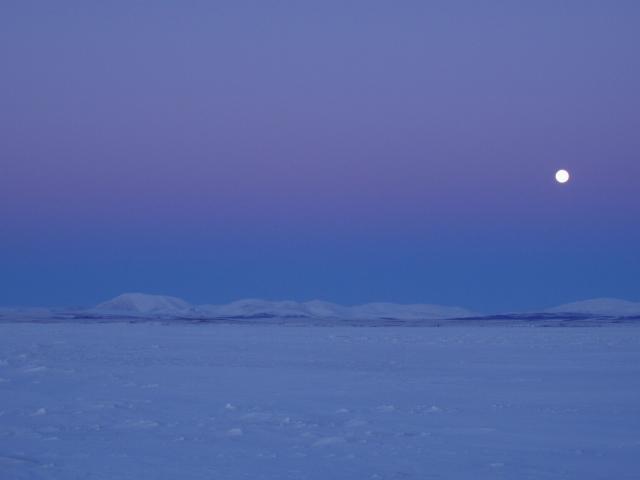
The Next Full Moon is the Wolf or Ice Moon
The next full Moon will be Friday evening, Jan. 6, 2023, at 6:08 PM EST. The Moon will appear full from Thursday evening through Sunday morning.NASA Solar System Exploration
Commander Moonikin Campos has had quite a journey: launching from @NASAKennedy, flying around the Moon aboard @NASA_Orion, & concluding the #Artemis I mission with a successful splashdown in the Pacific Ocean.
Learn more about his namesake, Arturo Campos: go.nasa.gov/3jQubw5
#NASA
Arturo Campos: A Key Player in Bringing Apollo 13 Home
Campos will be remembered as not only a key player instrumental to Apollo 13’s safe return, but as a champion for equality in the workplace.Thalia Patrinos (NASA)
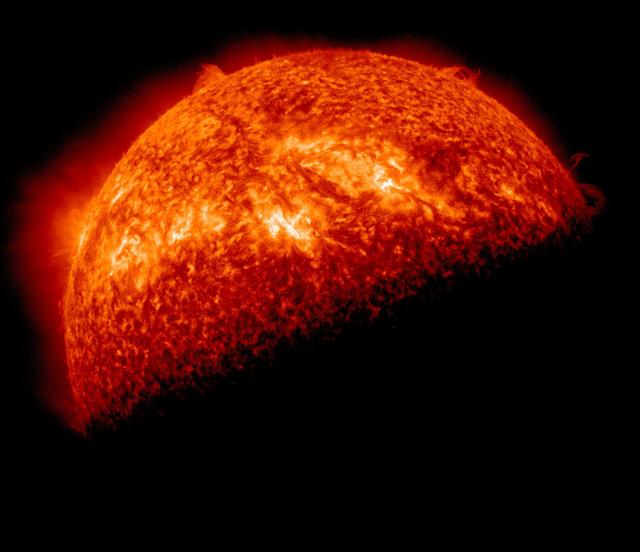
Mellow out with lo-fi sounds, and soak up some virtual rays. This video chronicles the Sun's activity from Aug. 12 to Dec. 22, 2022, as captured in 4K by our Solar Dynamics Observatory.
Click here for the full hour-long @NASASun experience: youtu.be/Sv3eXRN7hLo
#NASA
133 Days on the Sun
This video chronicles solar activity from Aug. 12 to Dec. 22, 2022, as captured by NASA’s Solar Dynamics Observatory (SDO). From its orbit in space around Ea...YouTube
Heads up! @NOAASatellites' GOES-18, launched in March 2022, is now #GOESWest. Miles above Earth, it’ll observe the Western Hemisphere, helping weather forecasters, emergency managers, and all who want to know more about our changing planet.
Take a look: go.nasa.gov/3Ggz2OS
#NASA
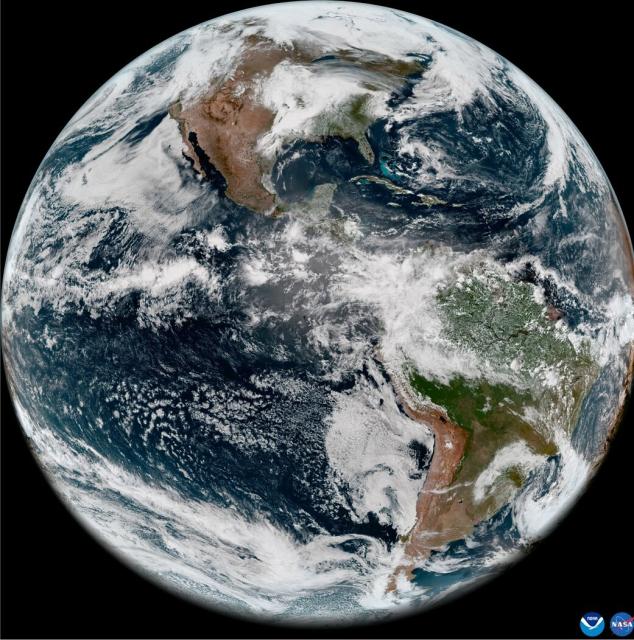
Interactive Weather Satellite Imagery Viewers from NASA MSFC
Interactively zoom and animate weather satellite images from a variety of geostationary satellites. Features of this site include: sectoring, animation of global images and at high resolution for a region of interest.go.nasa.gov
My Asimov's Authors Blog entry regarding my Asimov's story, Venus Exegesis:
#space #NASA #venus #siblings #climatechange
fromearthtothestars.com/2022/0…
Your Truthful Sister
Christopher Mark Rose believes that humans should look more toward their nearest neighboring planet for inspiration and future exploration. His new story “Venus Exegesis” uncovered the …From Earth to the Stars
#NASA
Venus
Venus is the second planet from the sun and our closest planetary neighbor.NASA Solar System Exploration
Our space science can also benefit life on Earth, contributing to better understanding of diseases like Alzheimer's, improved agricultural techniques & advanced tech developed via quantum science. That's just the beginning.
Follow @NASASpaceSci for more: go.nasa.gov/3vDvmlm
#NASA
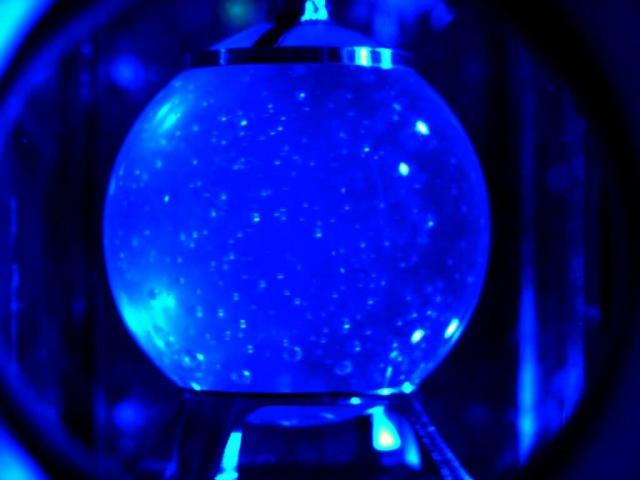
News & Media | Science Mission Directorate
Learn more about the exciting research projects and scientific discoveries in the fields of Space Biology and Physical Sciences:go.nasa.gov
Today we mourn the passing of Walt Cunningham: U.S. Marine, patriot, and Apollo astronaut.
Cunningham spent 11 days in low-Earth orbit during Apollo 7, the first crewed Apollo flight, and was instrumental to our Moon landing's program success: go.nasa.gov/3ie82Yf
#NASA
Apollo Astronaut Walter Cunningham Dies at 90
Former astronaut Walter Cunningham, who flew into space on Apollo 7, the first flight with crew in NASA’s Apollo Program, died early Tuesday morning in Houston. He was 90 years old.Roxana Bardan (NASA)
#NASA

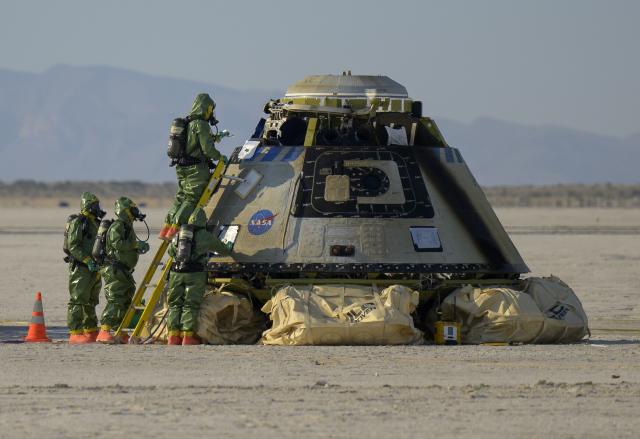
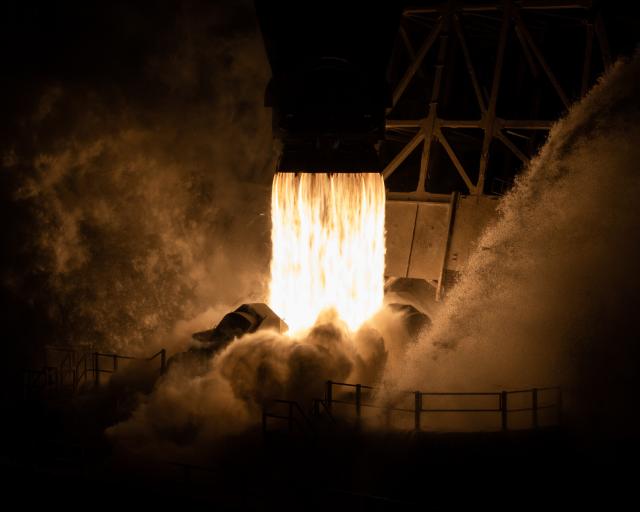
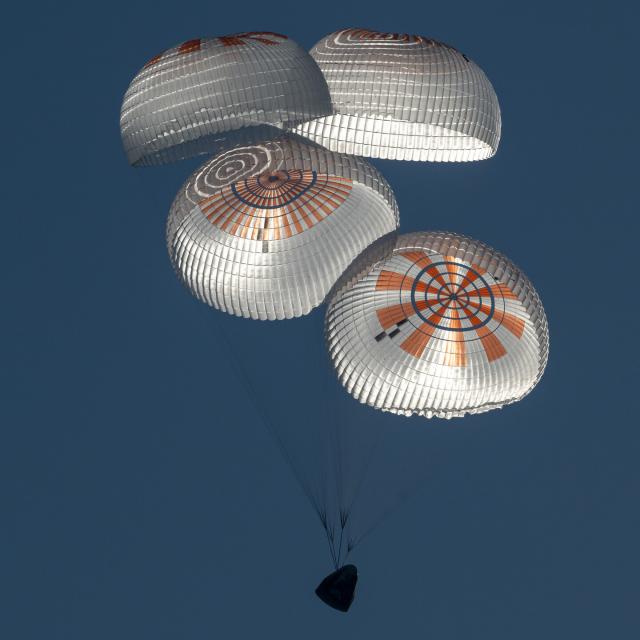
Best of 2022 by NASA HQ PHOTO
The 100 best images from 2022 as captured and selected by the NASA HQ PHOTO team. (chronological order)NASA HQ PHOTO (Flickr)
#NASA
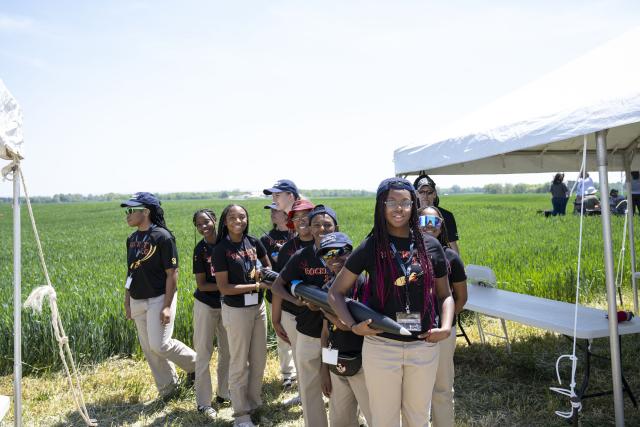
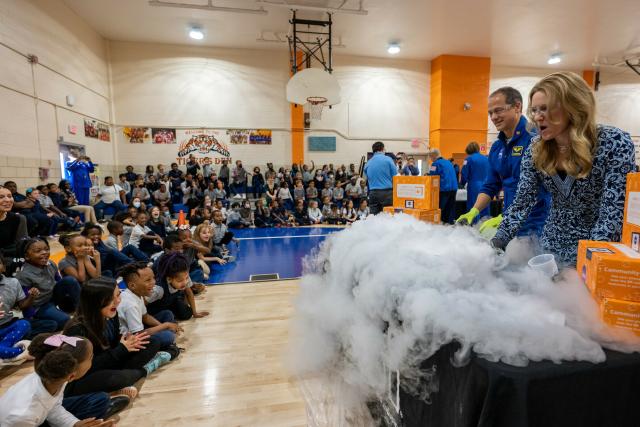
Eight Ways Students Can Dive Into NASA STEM in 2023
Here are some fun and engaging NASA STEM resources to bring the excitement of space exploration into your classroom or to learners at home in 2023.Anna Heiney (NASA)
#HappyNewYear from the star of the show that makes all this possible. We begin a new orbit around our Sun, 93 million miles (150 million kilometers) from Earth. nasa.gov/sun
#NASA