Search
Items tagged with: CitizenScience

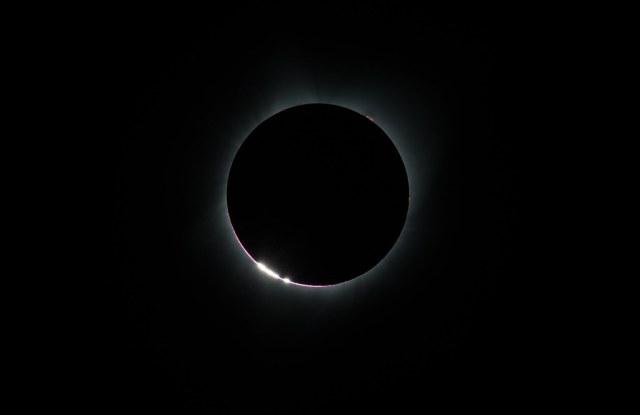
Don’t Make Me Wait for April 8!
Can’t wait to see the Moon block the Sun on April 8? Neither can we. But we have good news – if you want to see an incredible cosmic alignment, you can catch one right now! Exoplanets, asteroids, and other objects regularly pass in front of stars and…science.nasa.gov

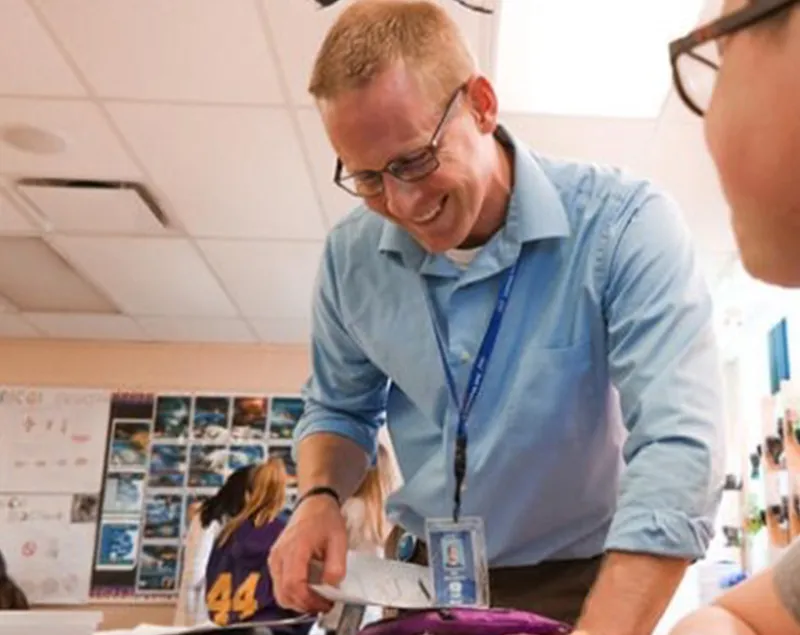
Eclipse Citizen Science for Educators
“Citizen” here refers to citizens of Planet Earth. These projects are open to everyone, regardless of country of birth or legal citizenship status.science.nasa.gov

Contribute to NASA Research on Eclipse Day – and Every Day
NASA is celebrating the Sun during the Heliophysics Big Year, which extends through the end of 2024. You can get involved to help us learn more about our star and its influence on our planet.science.nasa.gov
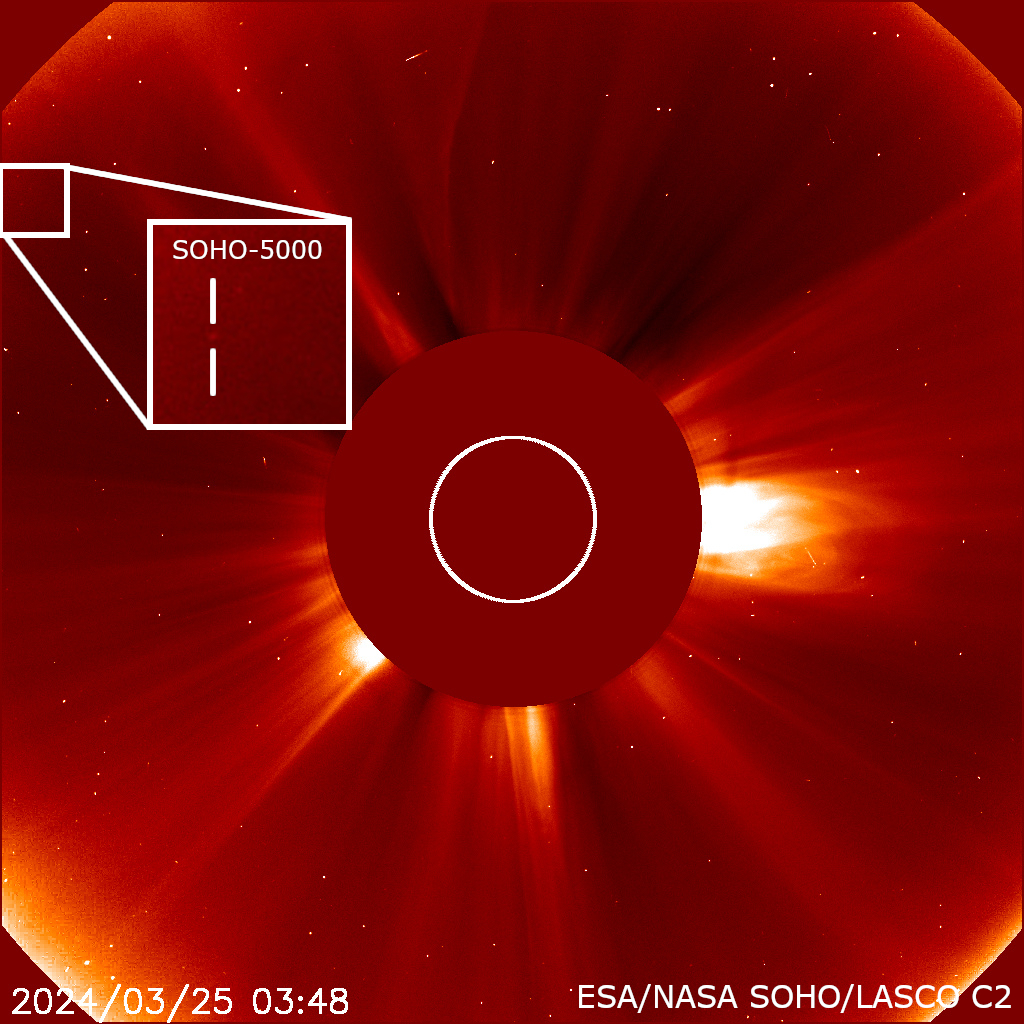
ESA, NASA Solar Observatory Discovers Its 5,000th Comet
On March 25, 2024, a citizen scientist in the Czech Republic spotted a comet in an image from the Solar and Heliospheric Observatory (SOHO) spacecraft, which has now been confirmed to be the 5,000th comet discovered using SOHO data.science.nasa.gov
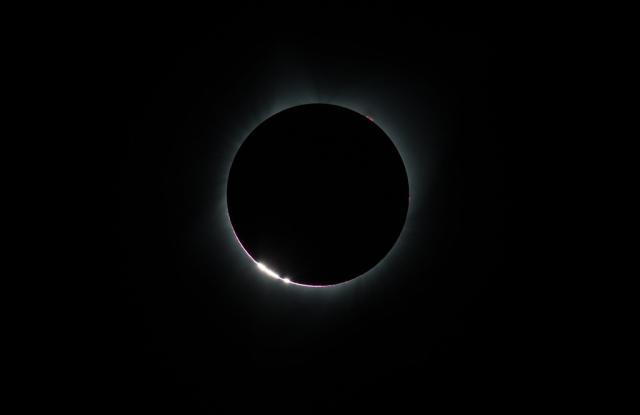
Sketch the Shape of the Sun for Science During the Solar Eclipse
Calling all eclipse admirers! The SunSketcher team is looking for one million volunteers to capture photos on their cell phones during the April 8 total solar eclipse.science.nasa.gov
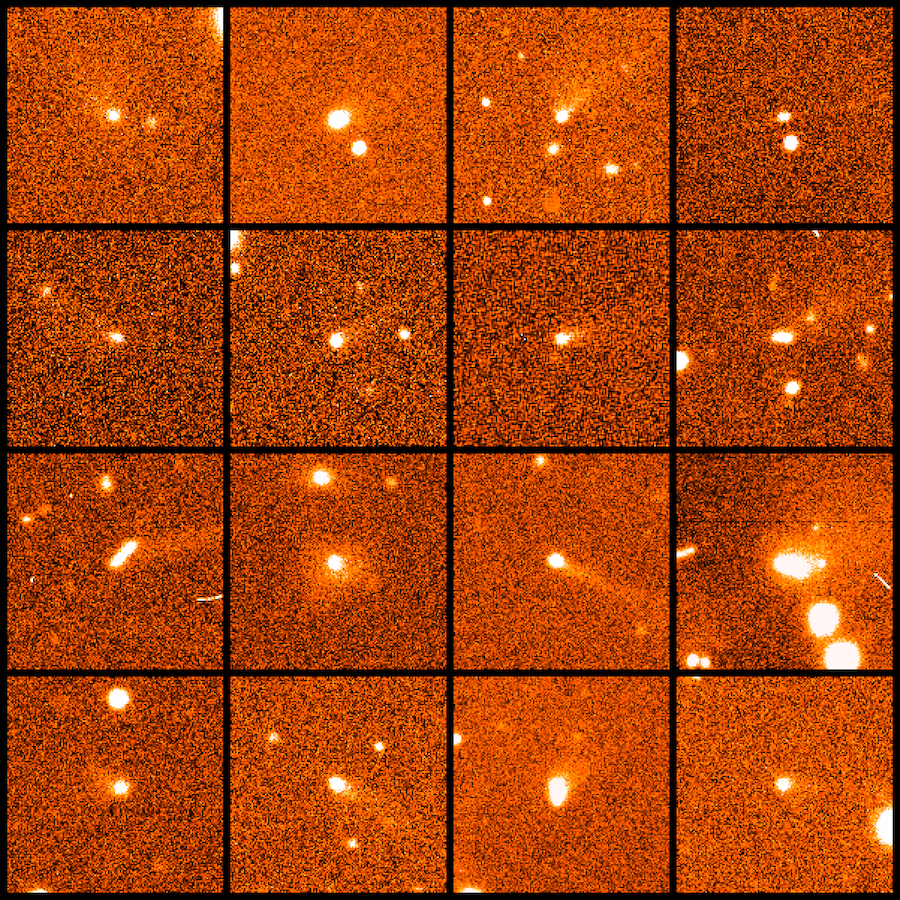
NASA Volunteers Find Fifteen Rare "Active Asteroids"
Some extraordinary asteroids have “activity”–comet-like tails or envelopes of gas and dust. NASA’s Active Asteroids project announced the discovery of activity on fifteen asteroids, challenging conventional wisdom about the solar system.science.nasa.gov
GLOBE Eclipse Challenge: Clouds and Our Solar-Powered Earth
Imagine standing outside on a cool spring day when all at once, the clouds shift and sunlight streams down, bathing you with warmth.science.nasa.gov
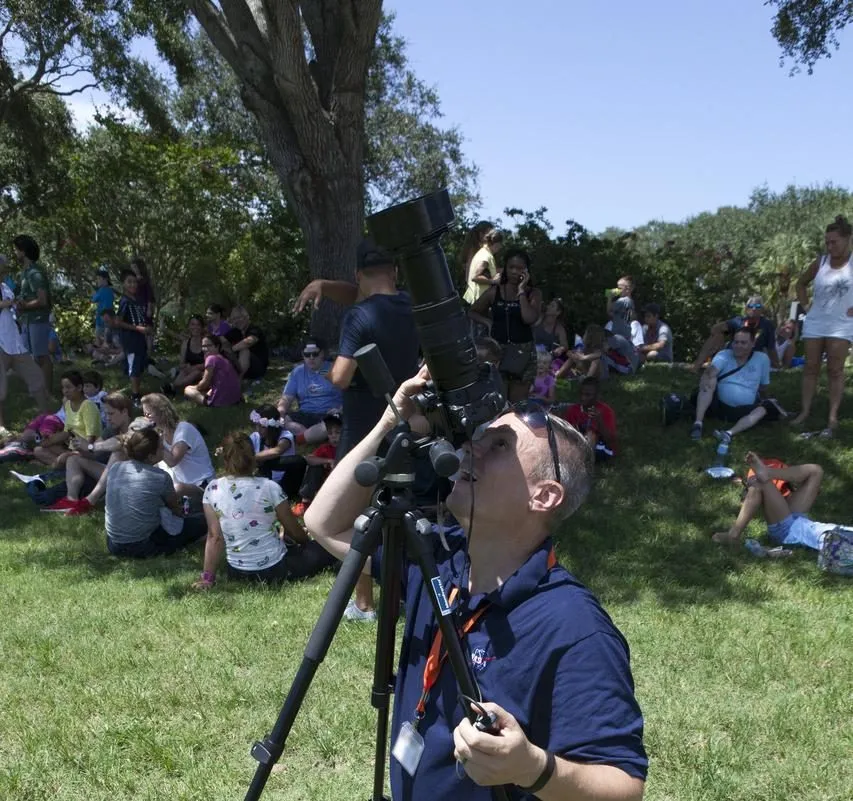
Eclipse Photographers Will Help Study Sun During Its Disappearing Act
As the Sun temporarily disappears from midday skies over North America on April 8, 2024, hundreds of volunteers will capture photos of the total solar eclipse to help us better understand the Sun and its relationship with Earth.science.nasa.gov
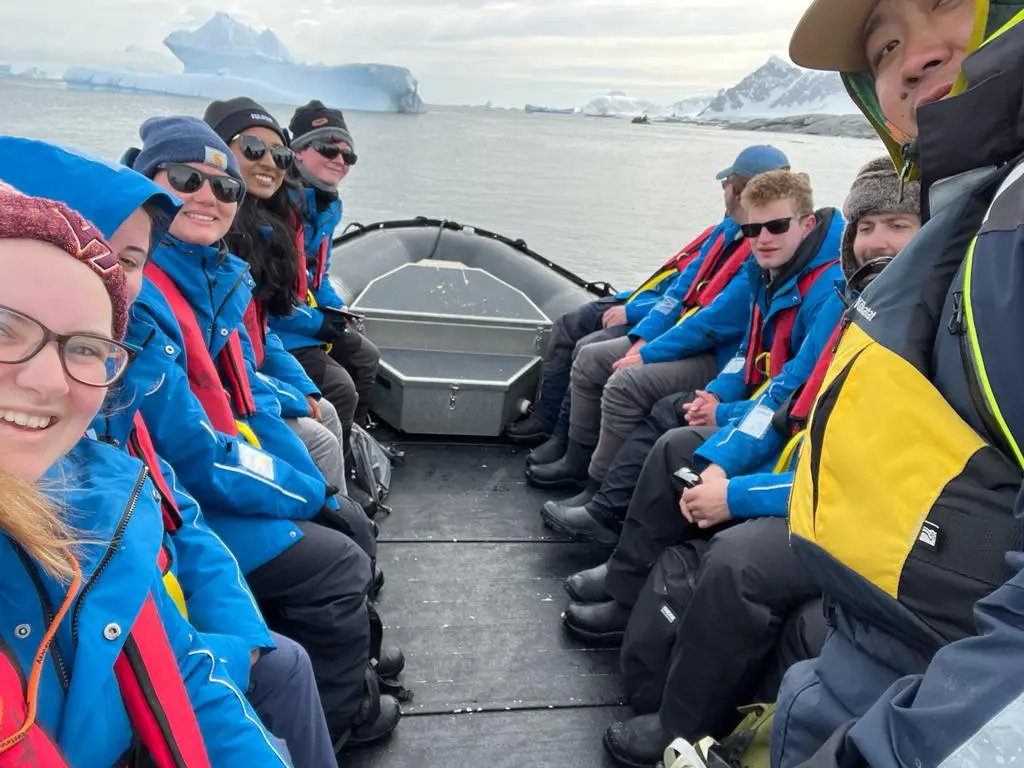
Students Become FjordPhyto Volunteers and Discover that Antarctica Is Much Colder Than Texas - NASA Science
Texas A&M sent 31 students to the Antarctic this year—and they did some vital NASA science while they were there. Meteorology students, oceanography students and education psychology students worked with Dr.science.nasa.gov
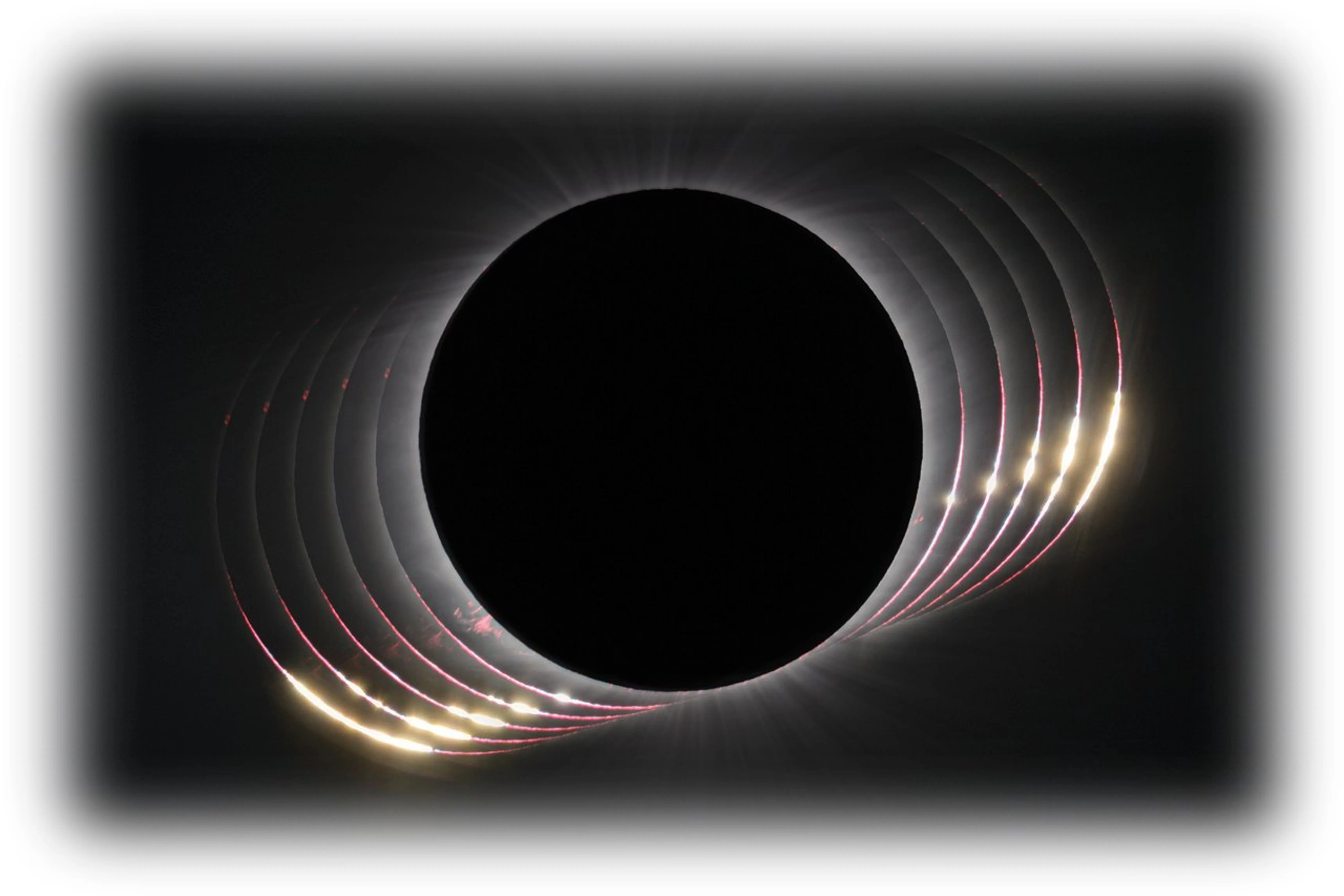
Become a SunSketcher, and Help Measure the Shape of the Sun! - NASA Science
What shape Is the Sun? Hint: it’s not perfectly round! Knowing precisely how the Sun’s shape deviates from a sphere can teach us about its interior and test theories of gravity.science.nasa.gov
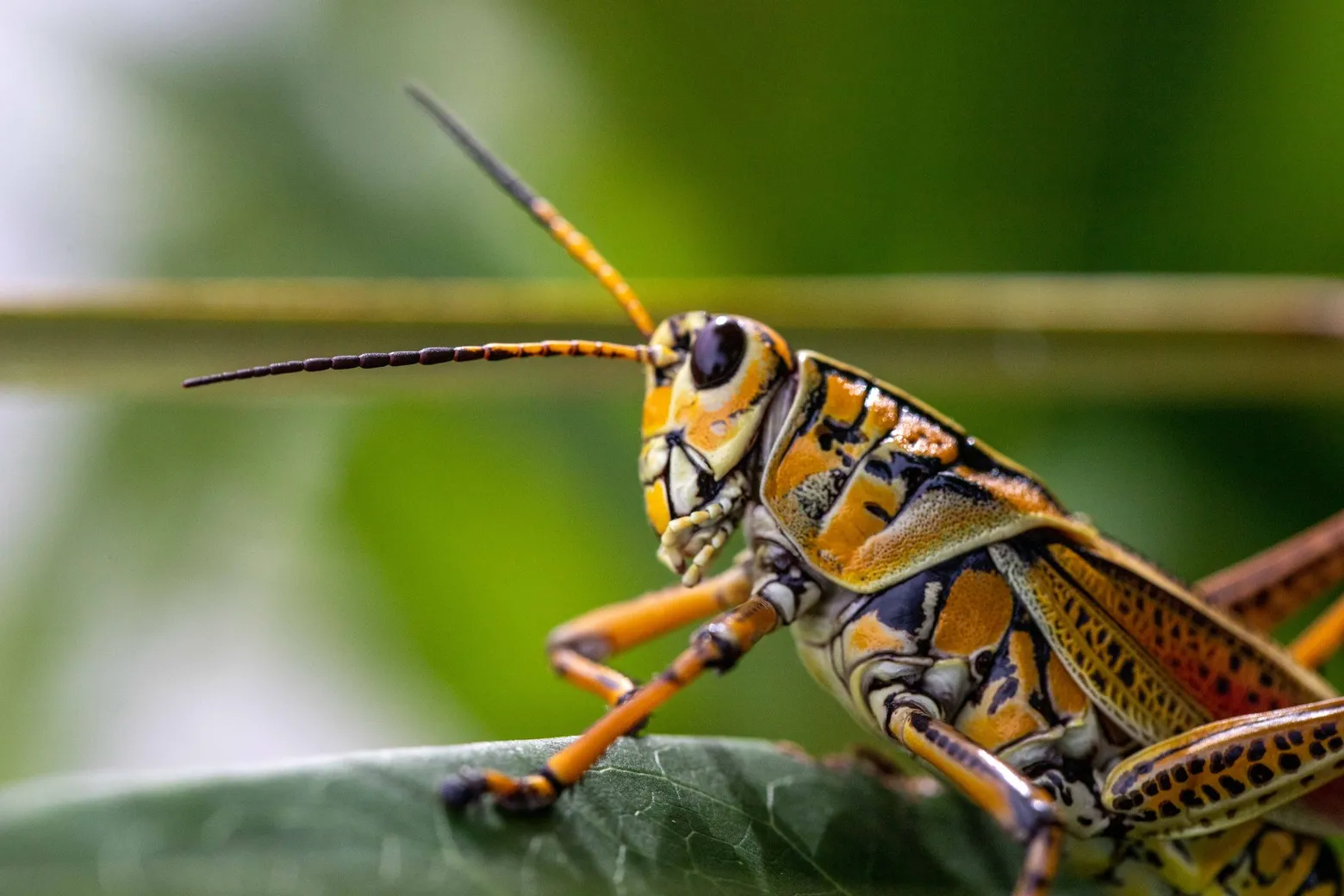
Sense the Solar Eclipse with NASA’s Eclipse Soundscapes Project - NASA Science
When darkness sweeps across the landscape during a total solar eclipse, unusual things start happening. Fooled by the false dusk, birds stop singing, crickets start chirping, and bees return to their hives.science.nasa.gov
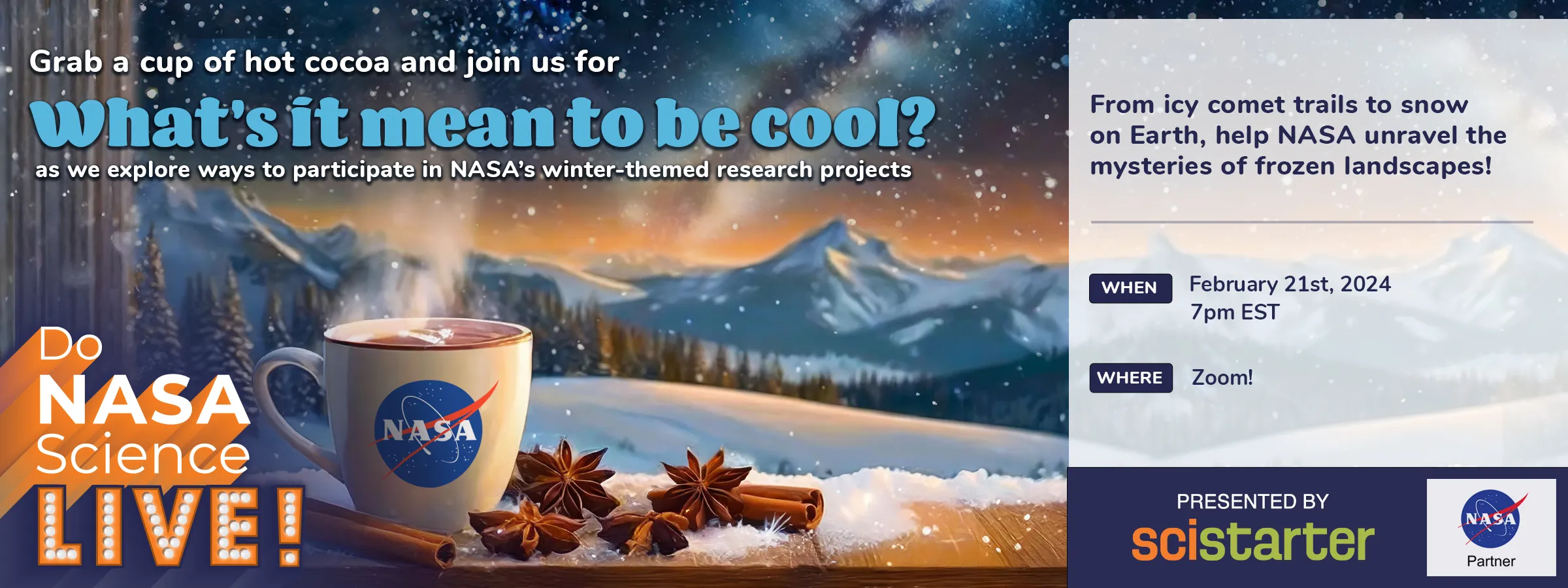
Do NASA Science LIVE on February 21! What's it mean to be cool? - NASA Science
Snow and ice are everywhere this time of year—mountain tops, Alaska, and even outer space. Grab a cup of hot cocoa and join us for the next Do NASA Science LIVE event as we explore ways to participate in NASA’s winter-themed volunteer research projec…science.nasa.gov
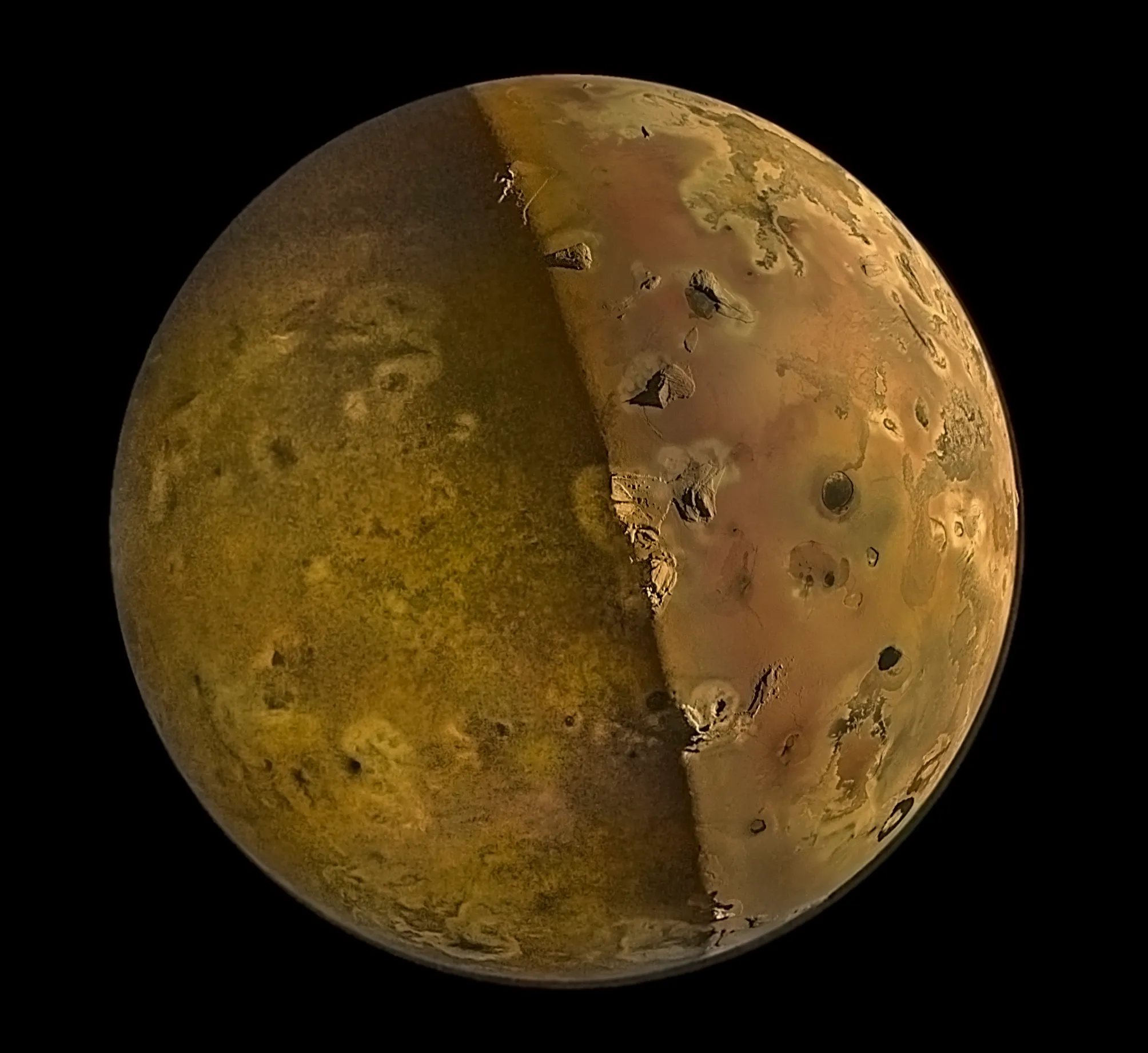
For Your Processing Pleasure: The Sharpest Pictures of Jupiter’s Volcanic Moon Io in a Generation - NASA Science
NASA’s Juno spacecraft just made the closest flybys of Jupiter’s moon Io that any spacecraft has carried out in more than 20 years.science.nasa.gov
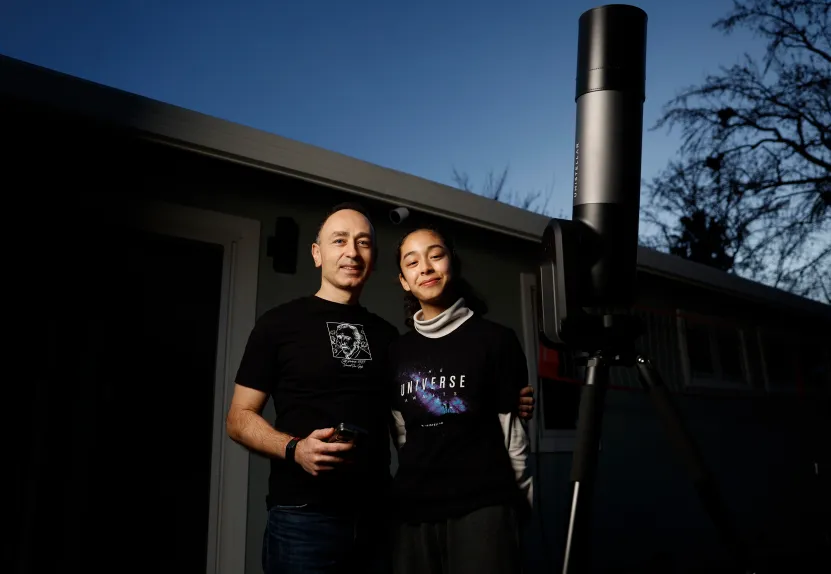
UNITE All-Nighter Delights Amateur Astronomers - NASA Science
Maybe you read about them in the papers–amateur astronomers in Japan, Russia, France, Finland, and the United States have been pulling all-nighters to spot extraordinary exoplanets, planets orbiting stars other than the Sun.science.nasa.gov
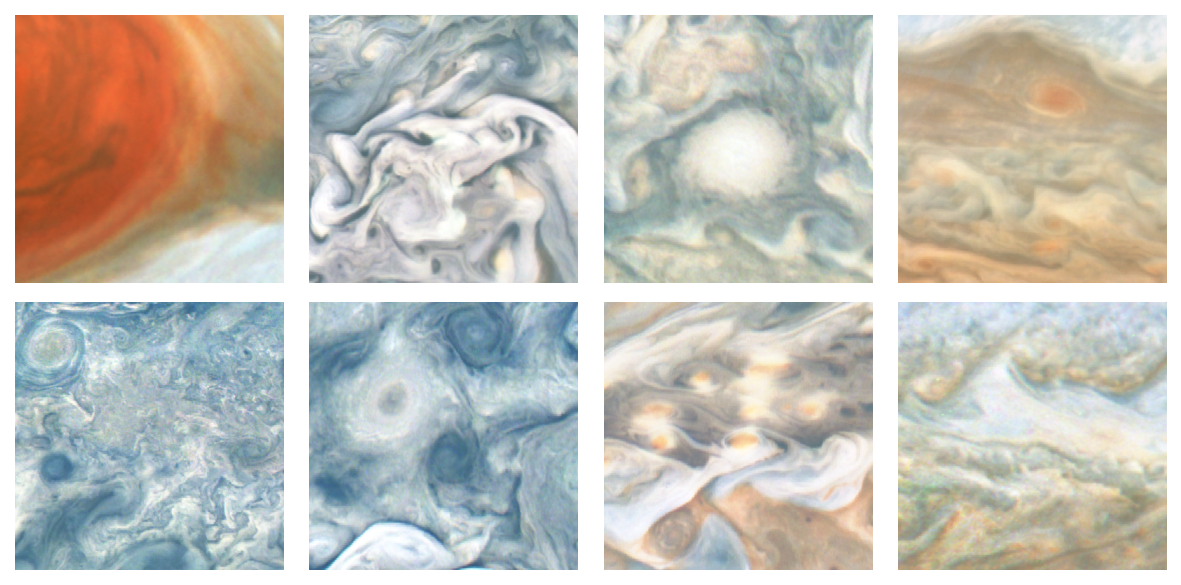
Thank You, Jovian Vortex Hunters! The Hunt Is Over…for Now. - NASA Science
We did it! The Jovian Vortex Hunter project, launched on Zooniverse in June 2022, is out of data as of December 23, 2023.science.nasa.gov
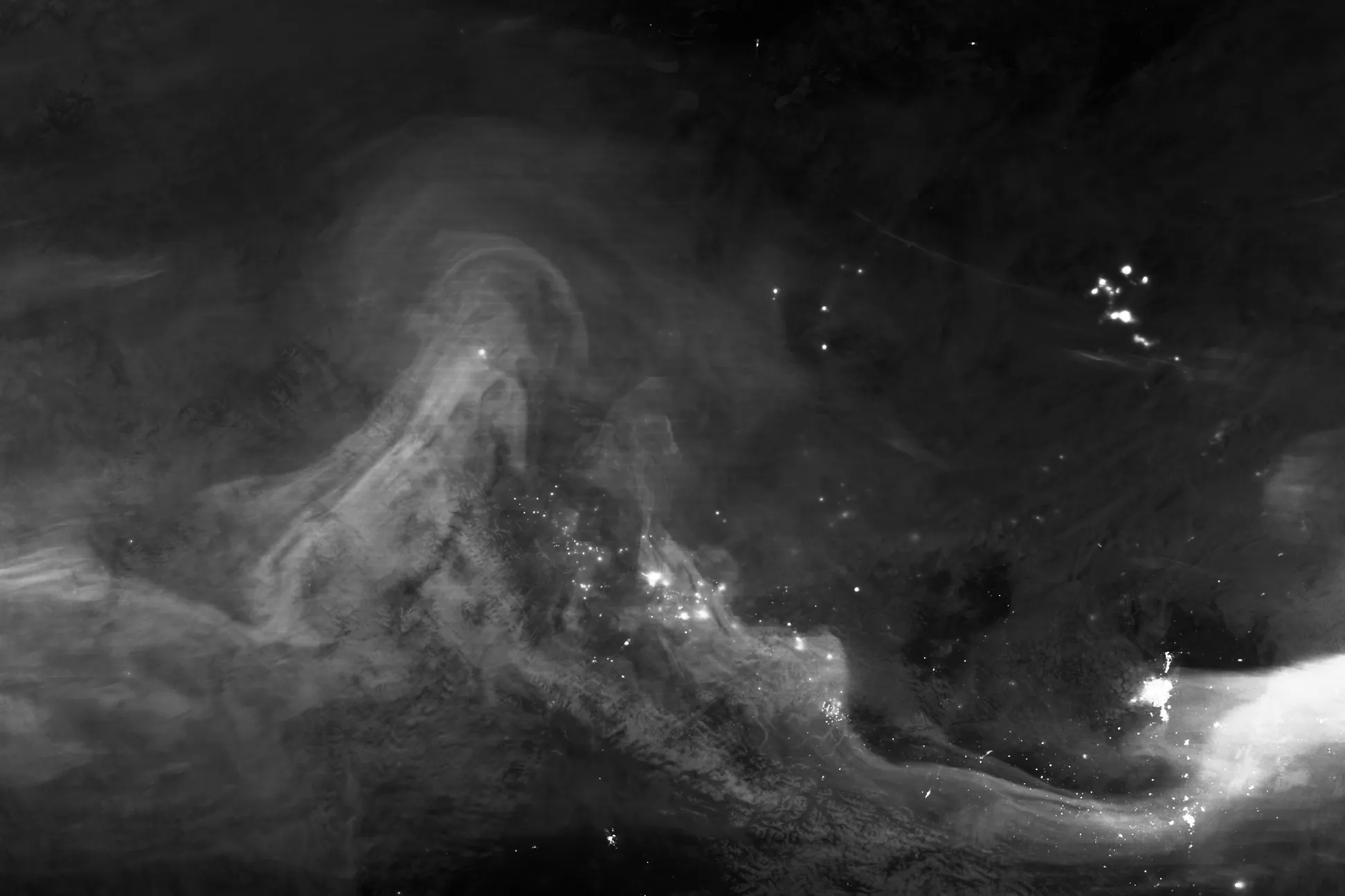
An Aurora in Another Light - NASA
The Visible Infrared Imaging Radiometer Suite sensor on the NOAA-NASA Suomi NPP satellite captured this image of the aurora borealis, or northern lights, overNASA

NASA Volunteers Shine at American Astronomical Society Meeting - NASA Science
The American Astronomical Society (AAS) met in New Orleans this week, attended by thousands of astronomers and reporters, and NASA volunteers were in the spotlight. Wow! Big congratulations to everyone involved!science.nasa.gov

Be a Burst Chaser and Witness the Most Powerful Explosions in the Universe! - NASA Science
Yes, the universe IS talking to you! Gamma-ray bursts, massive explosions visible from everywhere in the observable universe, are telling us something about how stars end their lives and how massive black holes form.science.nasa.gov

Going the Extra 500 miles for Alaskan River Ice - NASA Science
Teachers and students in remote Alaskan villages have become vital NASA climate researchers. These special volunteers are so important that last year, climate scientists took an epic 550 mile snowmobile journey to collaborate with them! You can learn…science.nasa.gov

Cosmic Companionship Quest Marks Major Milestone - NASA Science
Are we alone in the universe? About 30,000 volunteers want to know! These volunteers visited arewealone.science.nasa.gov

Amateur Astronomers Help Discover Cosmic Crash - NASA Science
Astronomers found what looks like a glowing cloud of dust from a massive planetary pile-up—and NASA volunteers helped make the discovery!science.nasa.gov

Artificial Intelligence Plus Your Cell Phone Means Better Maps of Earth! - NASA Science
In 2019, the GLOBE Land Cover project began asking volunteers to help map planet Earth by taking photos of their surroundings facing multiple directions, including north, south, east and west. Now, a new paper by Huang et al.science.nasa.gov

Backyard Worlds Volunteers Complete Ten Million Classifications in an Epic Search for New Objects Among the Nearest Stars - NASA Science
The Backyard Worlds: Planet 9 and Backyard Worlds: Cool Neighbors projects invite members of the public to search images from NASA's Wide-Field Infrared Survey Explorer (WISE) mission to find new objects among the nearest stars.science.nasa.gov
Solar Jet Hunter is Back, with New Data and New Features! - NASA Science
NASA’s Solar Jet Hunter project invites you to help find solar jets, ejections of matter from the Sun. The project was on hold for a few months as the science team worked behind the scenes.science.nasa.gov
Six Growing Beyond Earth Student Teams to Present at the 2023 American Association for Gravitational and Space Research Conference - NASA Science
Congratulations to the six Growing Beyond Earth high school teams who will present their original research at this year’s American Association for Gravitational and Space Research Conference in Washington D.C.science.nasa.gov
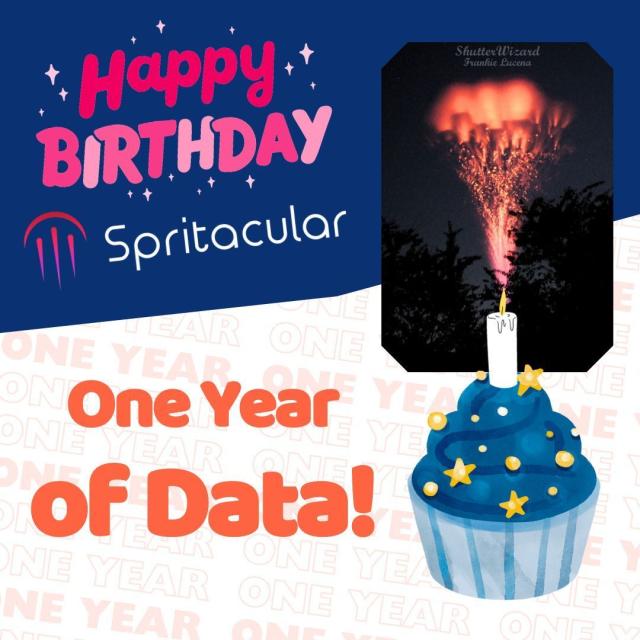
One Year of Spritacular Science! - NASA Science
Sprites, those beguiling electrical flashes of light above thunderstorms, raise so many questions: Why do they take the shapes they do? What conditions in the upper atmosphere trigger them? How do sprites affect Earth’s global electric circuit, and w…science.nasa.gov

New Patterns in Mars’s Clouds Revealed by Volunteers - NASA Science
The first journal article about clouds identified by participants of the Cloudspotting on Mars project has been accepted for publication and is now available online! The article, “The Cloudspotting on Mars citizen science project: Seasonal and spatia…science.nasa.gov
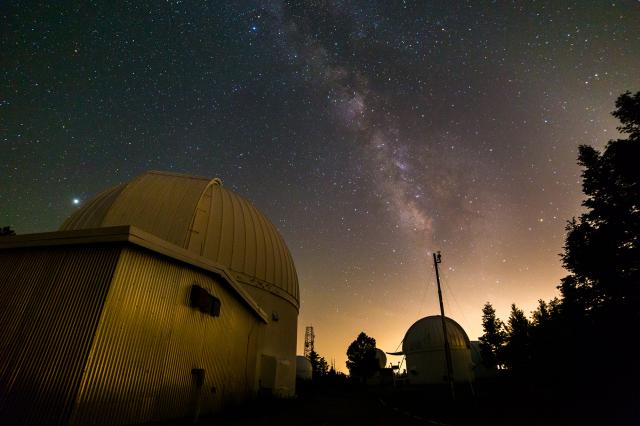
Daily Minor Planet Volunteers Spot an Asteroid Passing Close to Earth - NASA Science
Volunteers working with The Daily Minor Planet have made the project’s first big discovery: an asteroid passing very near planet Earth.science.nasa.gov
NASA’s Scientists and Volunteers Tackle the October 14 Solar Eclipse - NASA Science
Did you see October 14th’s solar eclipse? Most of the time we can easily forget that we are on a planet spinning and orbiting in space with other celestial bodies.science.nasa.gov

Radio JOVE 2023 Solar Eclipse Observations - NASA Science
NASA’s Radio JOVE project wants your help to study the Sun! Radio JOVE, in partnership with the SunRISE Ground Radio Lab, is planning to use radio telescopes to make coordinated observations of the Sun for the 2024 solar eclipse.science.nasa.gov
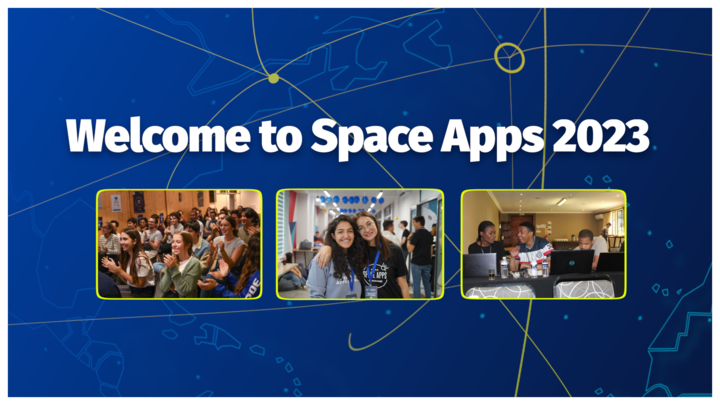
NASA’s Global Science Hackathon Attracts Thousands of Participants
More than 50,000 participants have registered for the 2023 NASA Space Apps Challenge Saturday, Oct. 7, to Sunday, Oct. 8, which is the largest annualCheryl Warner (NASA)
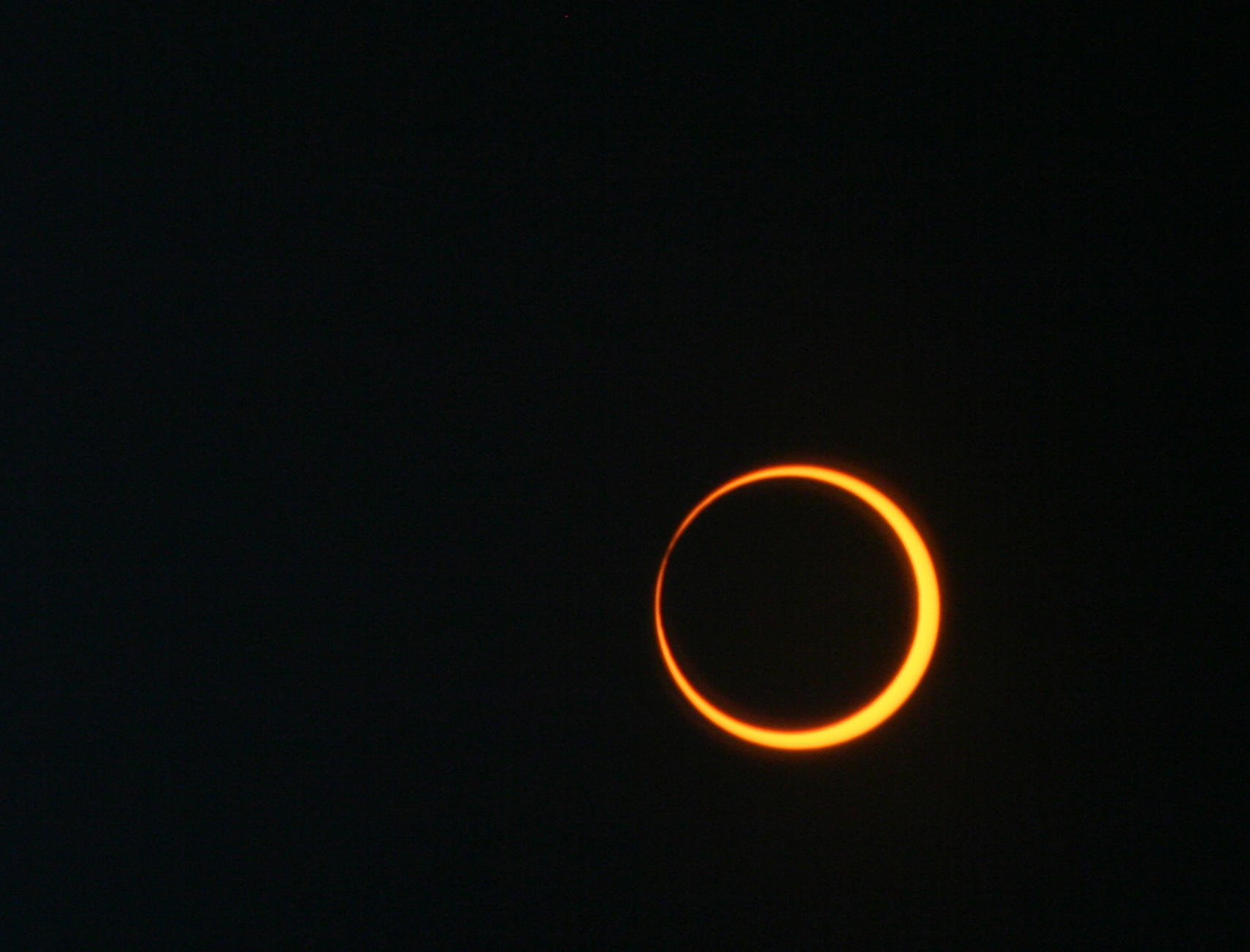
NASA Highlights Media Opportunities for Upcoming Ring of Fire Eclipse - NASA
On Saturday, Oct. 14, the Moon will pass between Earth and the Sun, giving people across the United States an opportunity to see an annular solar eclipse.NASA
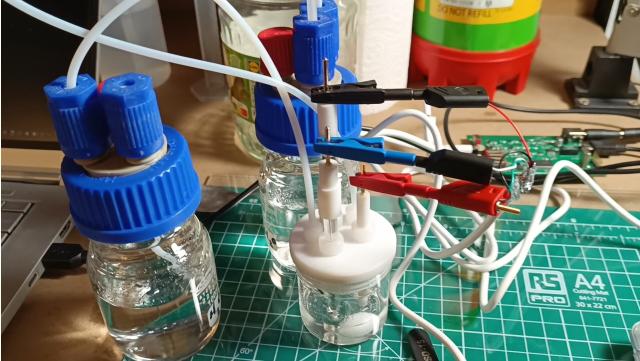
Feels good to be finally getting back to some projects at the #homelab
#chemistry #electrochemistry #citizenscience
#NASASolarSystem
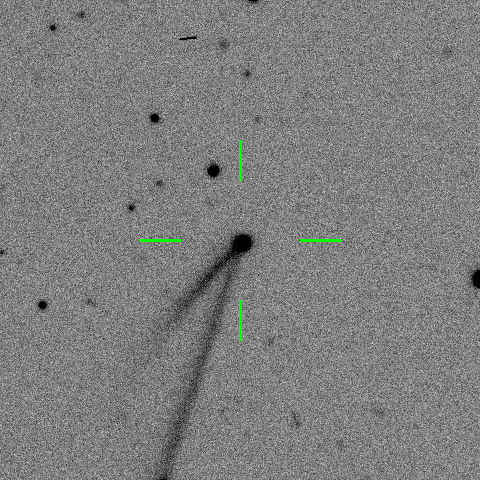
Active Asteroids | Science Mission Directorate
Active asteroids are small rocky objects in our Solar System that have asteroid-like orbits but comet-like appearances. Active asteroids can have visible tails and comae - halos of debris.science.nasa.gov
#NASAExoplanets
✨🔭 The night sky is rapidly getting brighter
Artificial lighting that escapes into the sky causes it to glow, preventing humans and animals from seeing the #stars. Citizen scientists reported global rapid reductions in the visibility of stars. Trends in the data showed that the average night sky got brighter by 9.6% per year from 2011 to 2022, which is equivalent to doubling the sky brightness every 8 years.