Search
Items tagged with: biology




How did #eukaryotes evolve for extreme temps? futurity.org/high-temp-eukaryo… #protists
#ExtremeEnvironments offer an unprecedented opportunity to understand #microbial #eukaryotic #ecology, #evolution, and #genome #biology: Hannah Rappaport & Angela Oliverio nature.com/articles/s41467-023…
“several lineages of #amoebae were often recovered from extremely high temperature environments. Studying those lineages may yield great insight into how eukaryotic cells can adapt to life in extremely hot environments.”
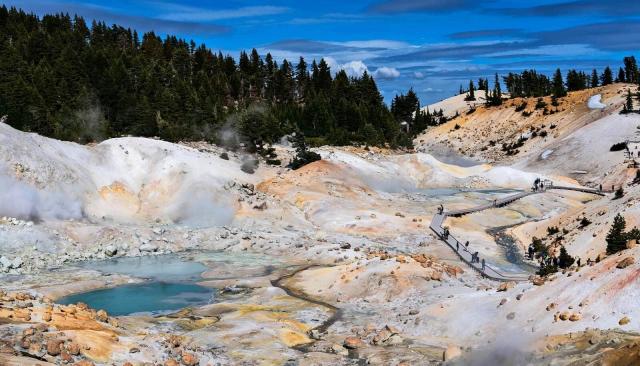
How did eukaryotes evolve for extreme temps? - Futurity
Researchers are investigating microbial eukaryotic life in extreme environments, like Lassen National Park's geothermal lake.Dan Bernardi-Syracuse (Futurity)
#art #sciart
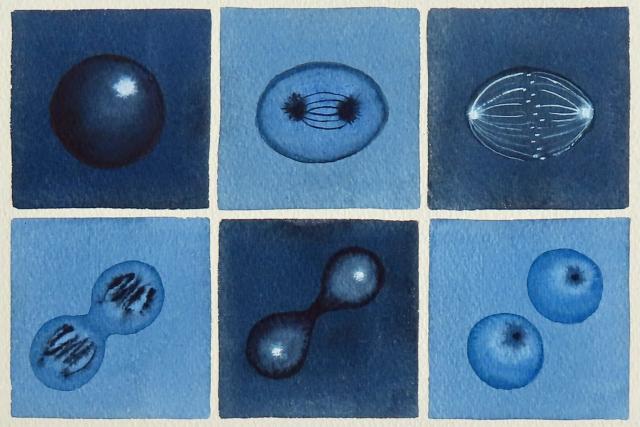
The 'There Are Such Things As Cooties' book doesn't appear to be available in UK.
I have a serious need to know as osculation, for me, has always carried great risk, #autoimmunesystem highly compromised.
The first few months of a new romantic relationship is fraught with a horrid cascade of immune response symptoms. And yet, I still do it!!! It's a really difficult one to resist.
#science #biology #immunology #immunesystem

While we are still trying to find ways to clean up problems like oil spills in the ocean, microorganisms in the seas have their own insights to impart.
Oil rich soil from the Guaymas Basin has provided German scientists understanding of a mechanism by which archaea in the Alkanophaga break down alkane molecules and thus degrade petroleum through oxidation.
#Remediation #Bioremediation #Oil #Petroleum #Archaea #Alkanophaga #Science #Biology #Scicomm
nature.com/articles/s41564-023…
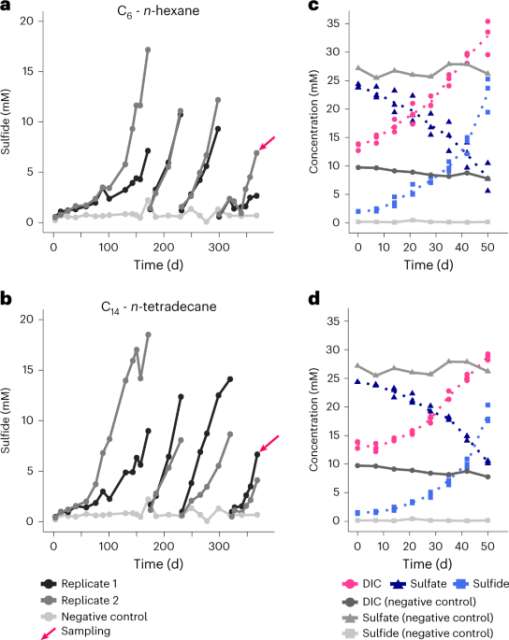
Candidatus Alkanophaga archaea from Guaymas Basin hydrothermal vent sediment oxidize petroleum alkanes - Nature Microbiology
Oil-rich deep-sea sediments are used to culture syntrophic communities of archaea and bacteria that pair petroleum alkane oxidation to sulfide generation.Nature
This is a 440-pound heart from a blue whale, the largest known animal to ever exist. The heart was so large that technicians had to douse it in 1,000 gallons of formaldehyde. Read more about it here: smithsonianmag.com/travel/pain…
#histodons #histodon #histmed #biology #animal #animals #bluewhale #museum #DYK
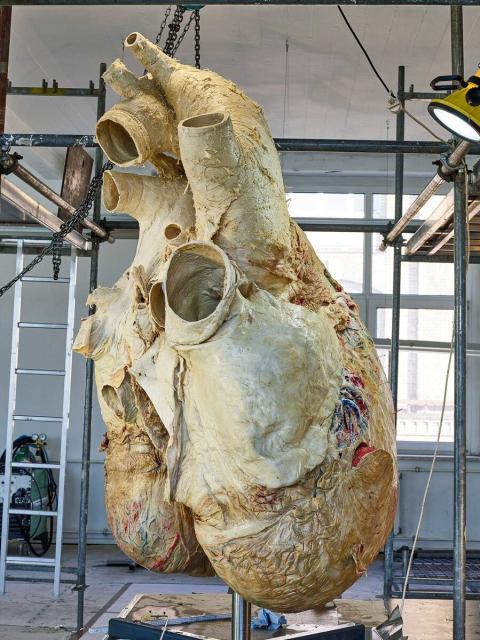
The Painstaking Process of Preserving a 400-Pound Blue Whale Heart
This massive specimen is now on display in Canada’s Royal Ontario MuseumJennifer Nalewicki (Smithsonian Magazine)

#sciart #science #evolution #evolutionarybiology #phylogenetics #illustration #viz #art #visualization #biology

PhyloPic
PhyloPic is an open database of free silhouette images of animals, plants, and other life forms, available for reuse under Creative Commons licenses.Mike Keesey (PhyloPic)
RT @manuelacasasoli
If you are looking for a great resource to teach virus diversity, look at this.
"Virus Explorer" will not disappoint your students.
#Science
#education
#teaching
#Biology
⏯️media.hhmi.org/biointeractive/…
Teaching Tools in Plant Biology
Teaching Tools in Plant Biology, published by the American Society of Plant Biologists, combines up-to-date peer-reviewed research-based content with flexible pOxford Academic
Hi! #introduction ! I'm a #phd student in #chemistry ! I study #nanoparticle #liquidcrystal self-assembly, which has implications in our understandings of #biology nanostructures, #materials chemistry, and #nanotechnology
I’ve been #scicomm ing my #research on #twitch - I'm developing #3dprinting inks from seaweed and other #biomaterials !
I interview scientists weekly, so if you're interested, let me know! I’d love to have you
#phdchat #academic #academia #academicchatter #introduction
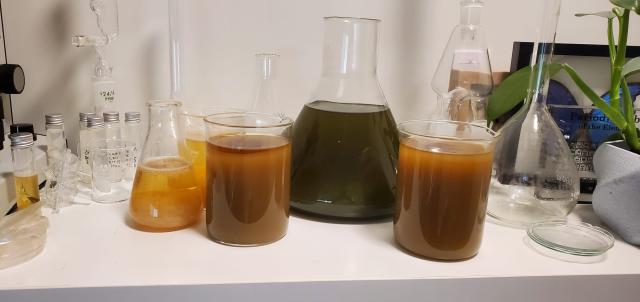
"there's endemic Mexican maize that has aerial roots that use bacterial colonies to fix nitrogen from the atmosphere."
plantae.org/nitrogen-fixing-co…
#Botany #Biology
Via the Planthropology podcast on the Birdsite. @Planthropology_
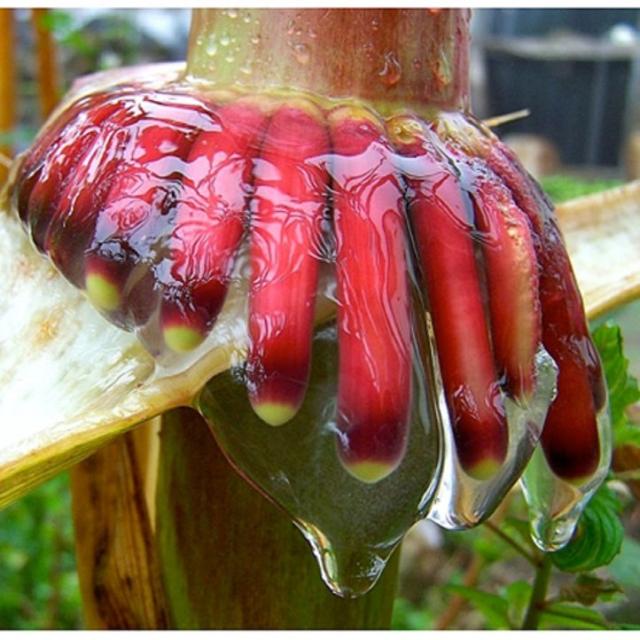
Nitrogen-fixing corn slime? A Mexican maize landrace supports nitrogen-fixing microbiota in aerial root mucilage | Plantae
Plants engage in intimate interactions with symbiotic microbes for the mutually beneficial exchange of nutrients. In a keystone study published in PLoS Biology, Van Deyze et al. (2018) describe the…Plantae
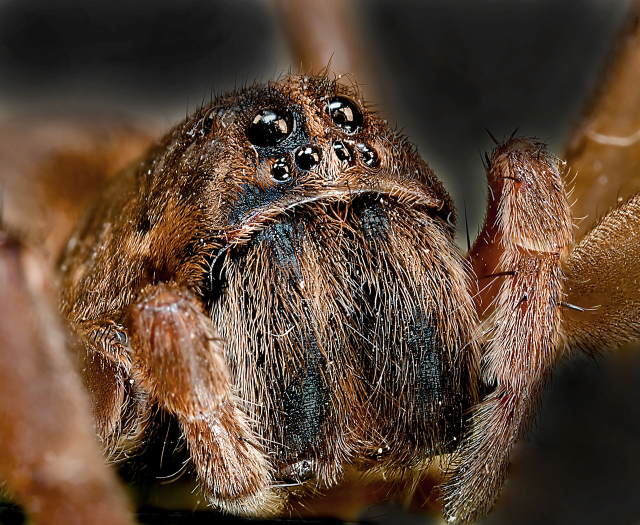
📄 Mammola et (2022) The global spread of misinformation on spiders. Current Biology 32:R871–R873 dx.doi.org/10.1016/j.cub.2022.…
One of the best lectures: Fred Hoyle’s IFS Lecture December 1982. He talks about the relationship of comets, viruses, cosmic dust, and more.
Fred Hoyle's IFS Lecture December 1982
Lecture by Sir Fred Hoyle to the Sri Lanka Institute of Fundamental Studies, December 1982, "From Virus to Cosmology", on the theory of cometary panspermiaYouTube